The Best Men's Winter Boots, From Chelsea Boots to Shearling-Lined Lace-Ups
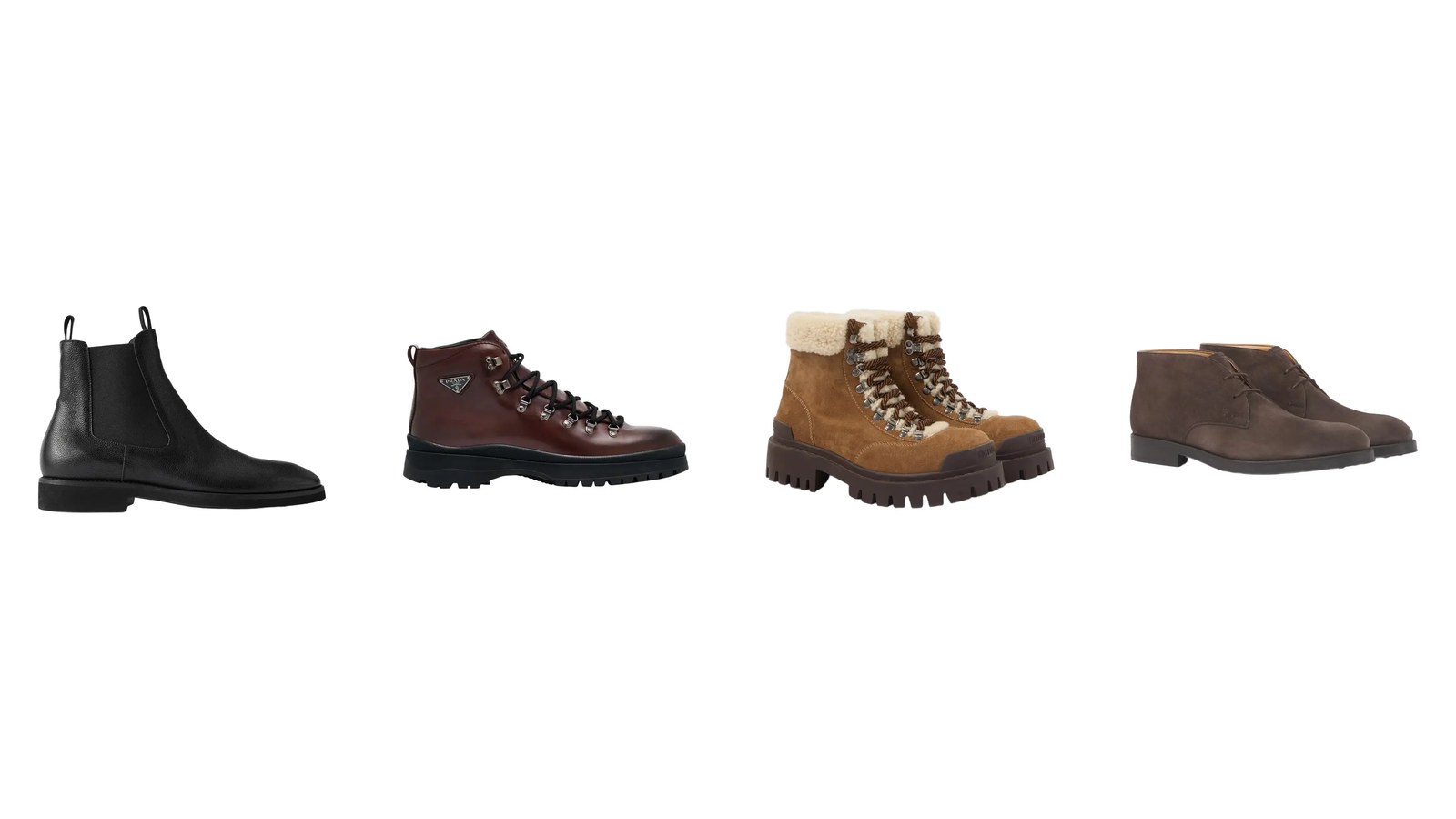
The best men's winter boots share three things: a rubber sole with real tread, a construction that keeps water out of the seams, and an upper you can protect. For most men that means one dark leather Chelsea or lace-up ankle boot on a rubber lug sole, which will go with flannel trousers, denim and even a suit on a slushy day, plus a shearling-lined or snow boot if you live with deep snow. The houses to know: John Lobb and Berluti for welted classics; Saint Laurent, Tom Ford and Prada for Chelsea boots; Tod's and Brunello Cucinelli for suede; Loro Piana and Moncler for warmth. Below: what to look for in the sole, construction and lining, the best boots by type, how winter boots should fit, and how to deal with slush and salt.
What makes a boot a winter boot
Four details separate a boot you can wear through January from one that belongs indoors. Check them in the listing before you look at anything else.
- The sole. Rubber with deep lugs grips wet sidewalks and packed snow; a smooth leather sole slides on both. The lug sole comes from mountaineering: Vibram's rubber Carrarmato sole, named for its tank-tread pattern, was invented by the alpinist Vitale Bramani in 1937. On dress boots, a deep-lugged rubber sole is often called a commando sole.
- The construction. On a Goodyear-welted boot, a strip of leather called the welt is stitched to both the upper and the insole, the space beneath is filled with cork, and the outsole is stitched to the welt. The method is valued for minimizing water getting into the insole, and the boot can be resoled repeatedly. Lighter stitched or glued soles are fine for dry city days; for slush, a welted boot on a rubber sole is the safer bet.
- The upper. Smooth and grained calf shrug off rain once they are waxed; grained leather also hides scuffs. Oiled and waxed leathers go further. Suede can handle winter if you treat it, but it should be your second pair, not your only one.
- The lining. A leather lining breathes and suits a heated office. Shearling adds real warmth for deep cold. Leather on its own, however well waxed, is water-resistant rather than waterproof; for standing water and deep snow you want a waterproof membrane, such as Gore-Tex, which technical snow boots use.
Chelsea boots for men: the most useful winter boot
The elastic-sided boot is Victorian. The London shoemaker Joseph Sparkes Hall presented a pair to Queen Victoria in 1837, and once Charles Goodyear's vulcanized rubber arrived he used it for the stretch side panels, according to the footwear research organization SATRA. The name came more than a century later, from the King's Road crowd the press called the Chelsea Set, who made the boot their own from the mid-1950s. It remains the most useful winter boot a man can own, because it pulls on in seconds and its clean shape works with tailoring as well as denim.
For winter, choose a Chelsea with a rubber sole: Tod's, Ferragamo, Prada and Berluti all make them, from slim to chunky. The gussets should grip your ankle firmly, since they do the job laces do on other boots, and a pull tab at the back helps on cold mornings. Keep the sleek, leather-soled Chelsea (Saint Laurent's slim, heeled version is the sharpest) for evenings and dry days.
- Black calf Chelsea boots, a charcoal suit, a white shirt and a navy overcoat.
- Dark brown Chelsea boots, mid-gray flannel trousers, a navy cashmere crewneck and a camel coat.
- Black grained-leather Chelsea boots, dark raw denim with a small cuff, a gray sweatshirt and a navy peacoat.
The best Chelsea boots for men
 Saint LaurentMen's Wyatt Chelsea Boots in Smooth Leather - Black$1,250
 John LobbLawry Leather Chelsea Boots - Men$2,760
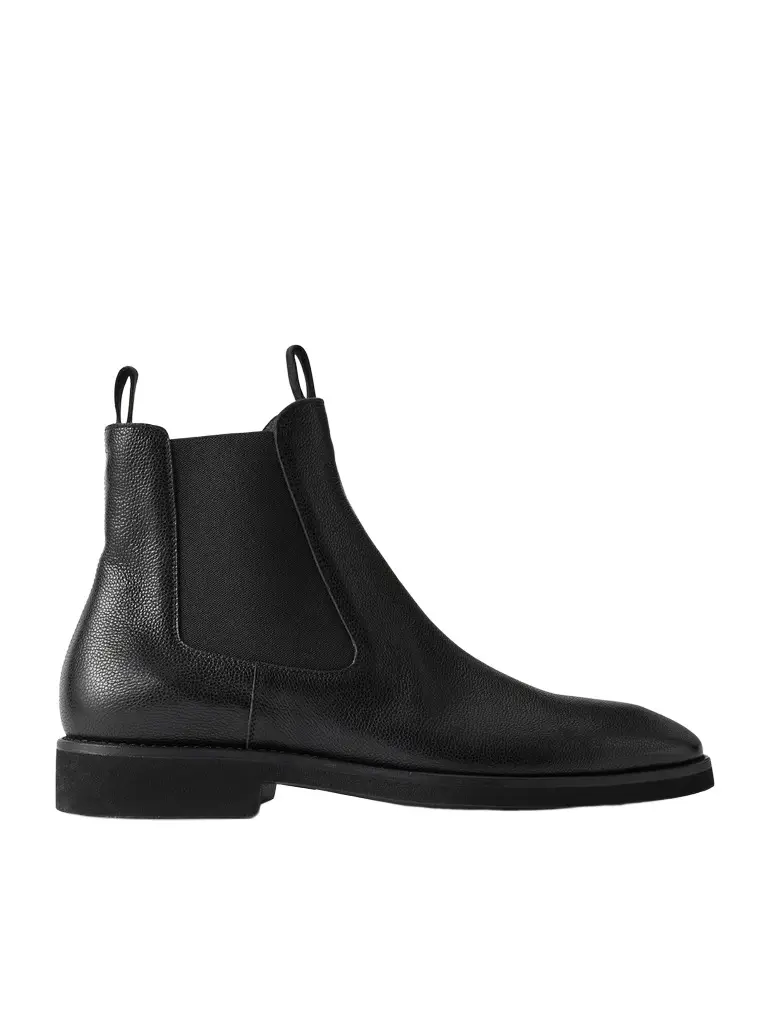 Tom FordOwen Grained-Leather Chelsea Boots - Men$1,590
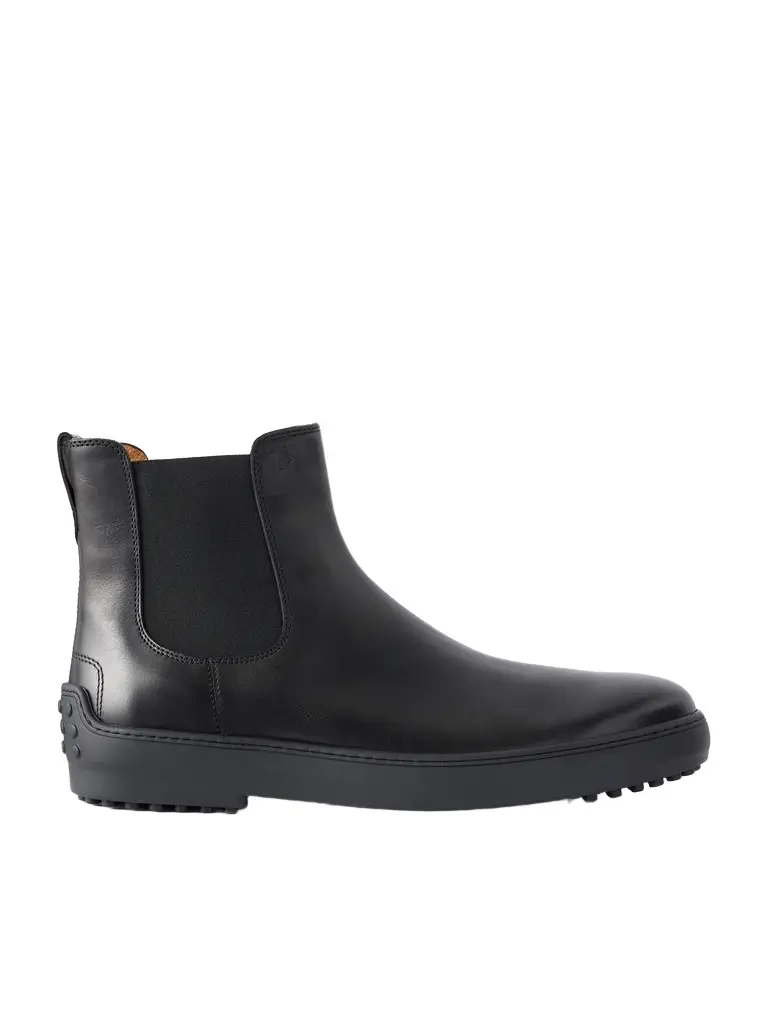 Tod'sWinter Gommino Leather Chelsea Boots - Men$1,525
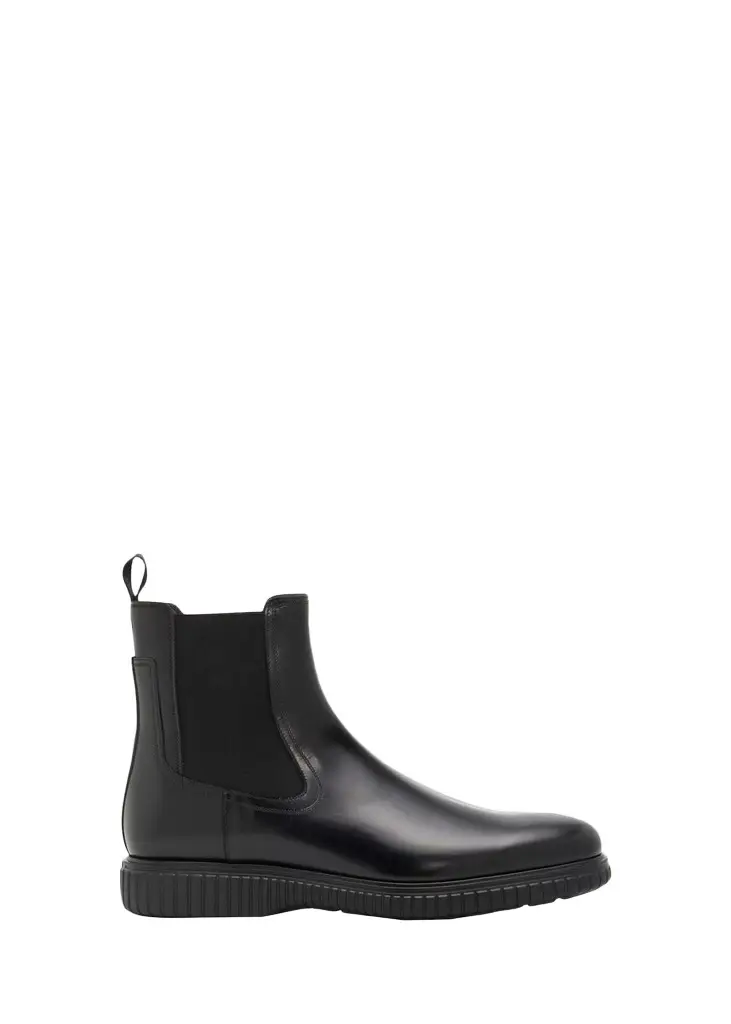 FerragamoMen's Santo Leather Rubber-Sole Chelsea Boots$1,350
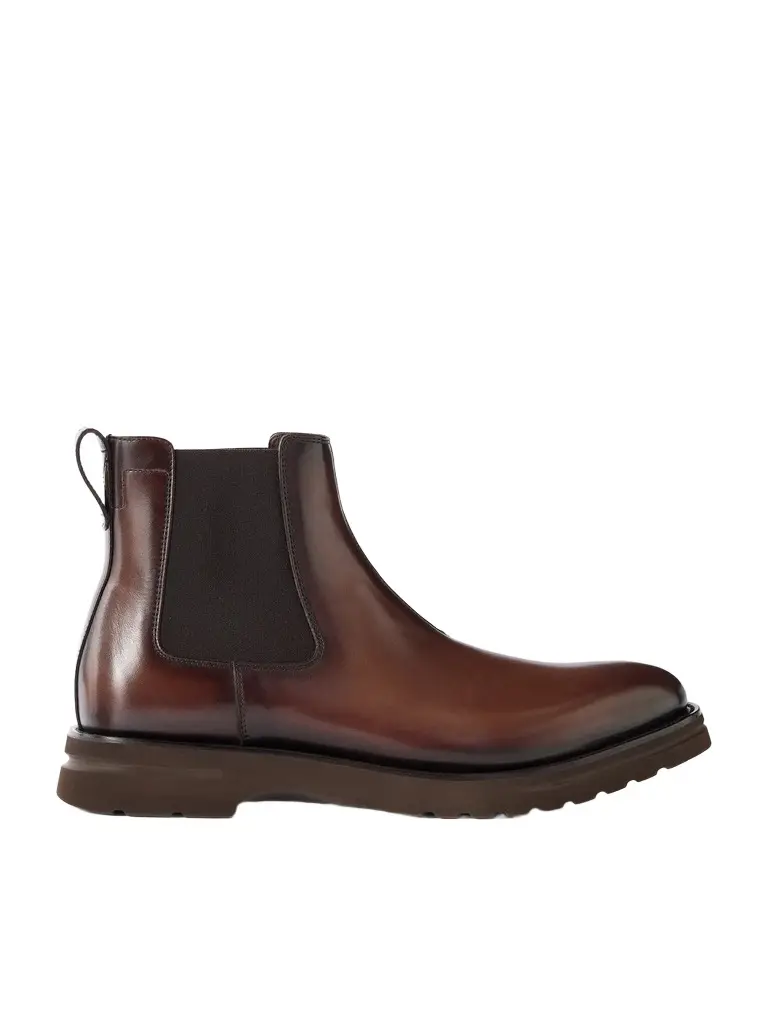 BerlutiAlessio Leather Chelsea Boots - Men$2,600
 PradaMen's Toblach Leather Chelsea Boots$1,320
Lug-sole boots for men: lace-ups for rough weather
Lace-up boots have two advantages in winter. The laces let you adjust the fit over a thicker sock, and they hold the foot better on uneven, icy ground. The best winter lace-ups borrow from hiking boots: a deep lug sole, speed hooks at the top for quick lacing, and a bellows tongue, which is sewn to the sides of the boot so snow cannot get in over it.
A heavy boot needs trousers with some width at the hem. Straight chinos, corduroy and straight jeans work; slim tailored trousers pinch at the ankle and make the boot look clumpy.
- Brown lug-sole boots, dark raw denim, a gray Shetland crewneck and a waxed jacket.
- Black lace-up boots, black corduroy trousers, a black turtleneck and a navy parka.
- Burgundy hiking boots, olive chinos, a cream fisherman knit and a brown suede jacket.
The best lug-sole and lace-up boots for men
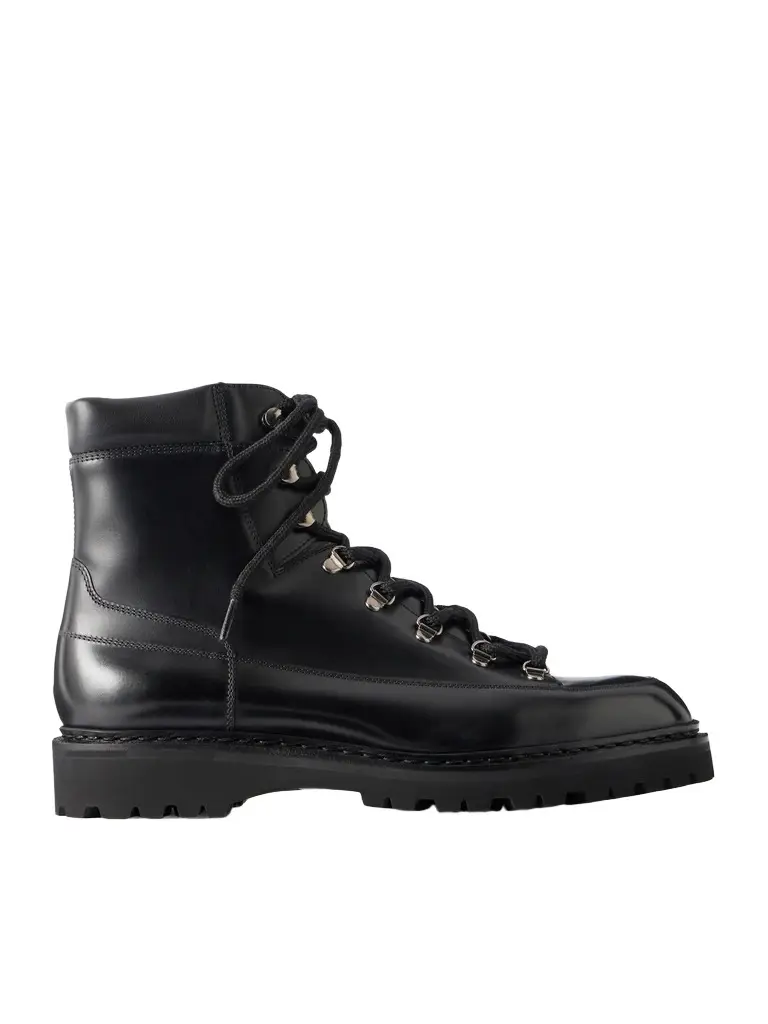 John LobbSommet Leather Hiking Boots - Men$2,760
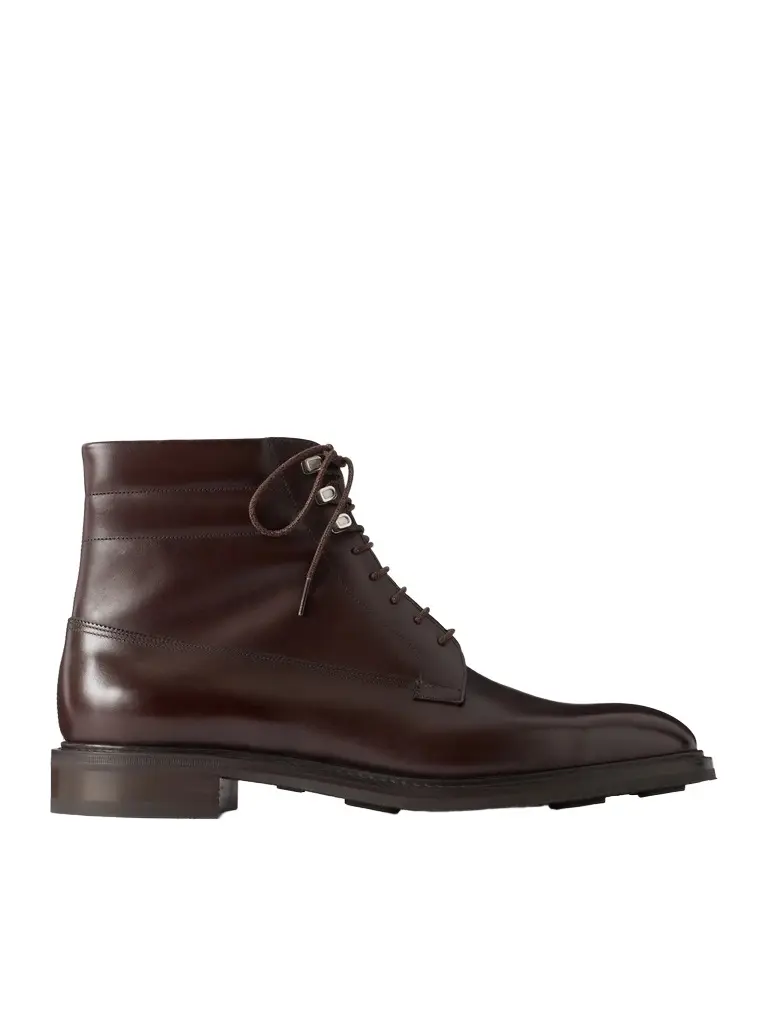 John LobbAlder Leather Lace-Up Boots - Men$2,760
 PradaMen's Brixxen Leather Lace-Up Boots$1,620
 Christian LouboutinMen's Trapman Leather Lug-Sole Lace-Up Boots$1,750
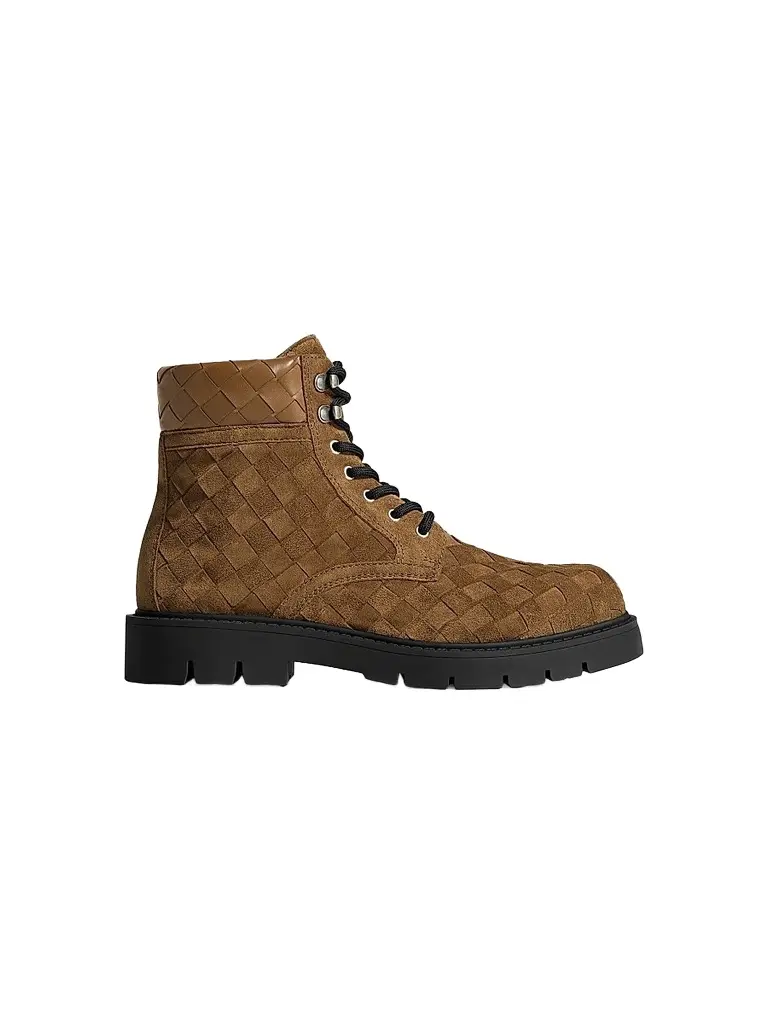 Bottega VenetaMen's Haddock Suede Intrecciato Lace-Up Boots$2,200
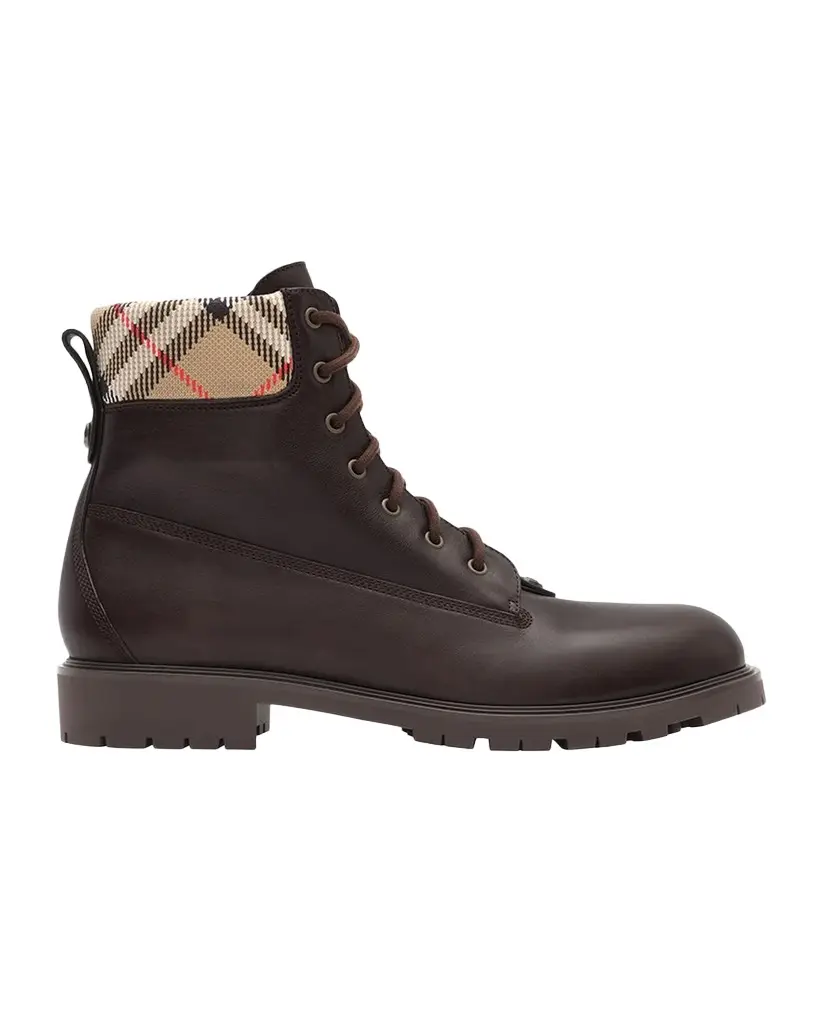 BurberryMen's Durham Leather Lace-Up Boots$1,195
 Brunello CucinelliLeather lace-up boots$1,850
Shearling-lined and snow boots
If your winters mean deep snow or weeks below freezing, add a second pair built for it. There are two kinds. Shearling-lined leather boots, from houses such as Loro Piana, Brunello Cucinelli and Balenciaga, look like town boots but feel like slippers, and most sit on chunky rubber soles. Technical snow boots, like Moncler's quilted styles, use nylon uppers, deep rubber treads and, on some styles, a waterproof membrane, and they are the pair for a ski trip or a walk through fresh snow.
Shearling fills the boot and packs down with wear, so fit a lined boot snugly with thin socks rather than sizing up for thick ones. Wear lined leather boots with corduroy, flannel and heavy knits; keep technical snow boots for the mountains and the walk to the car, not for tailoring.
The best shearling-lined and snow boots for men
 Loro PianaBeinn Walk Shearling-Lined Leather and Padded Suede Boots - Men$1,750
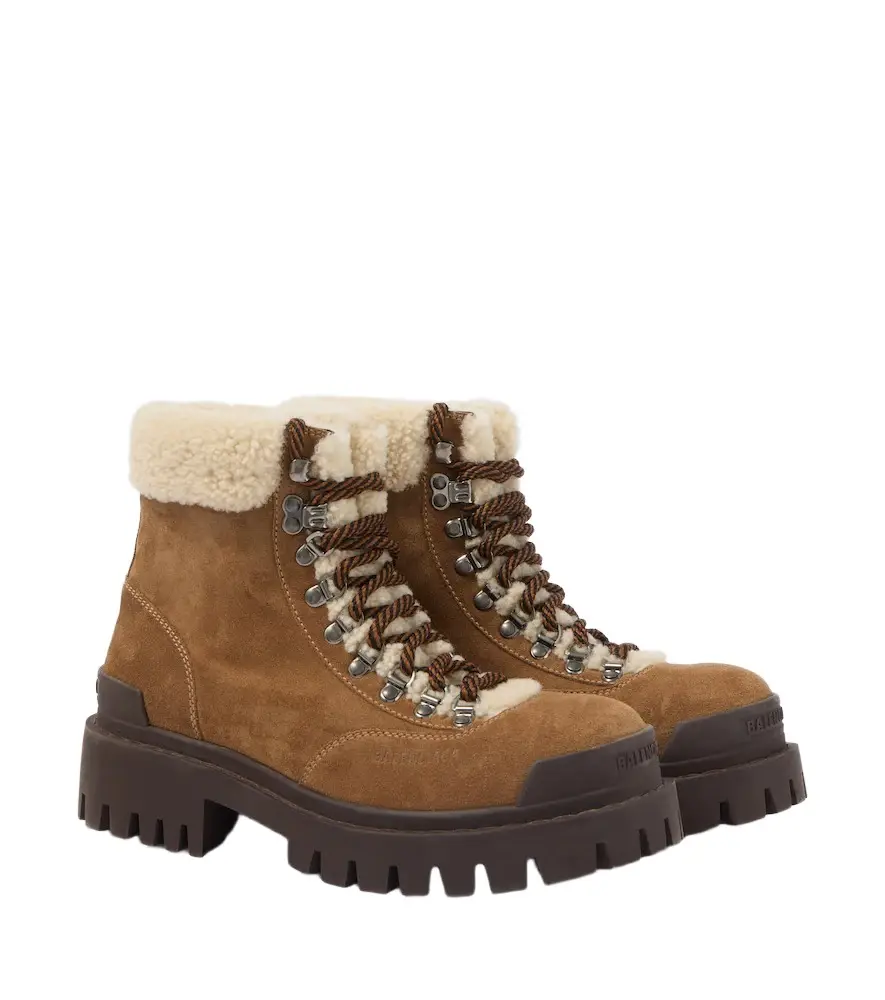 BalenciagaCombat Strike suede lace-up boots$1,490
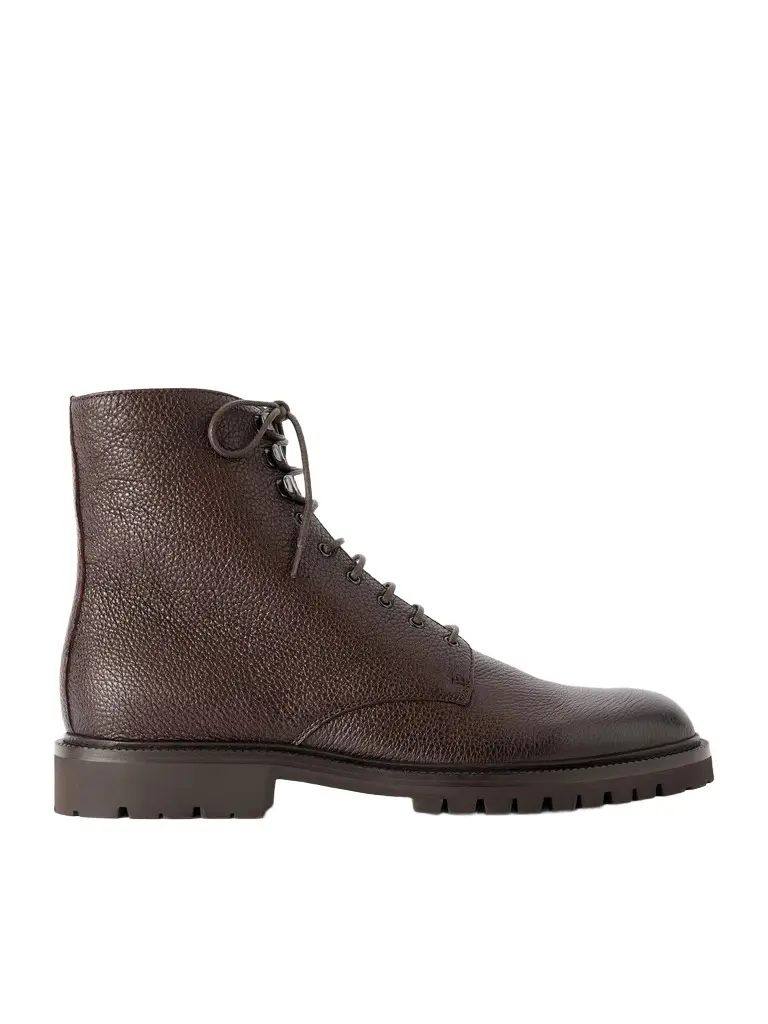 Brunello CucinelliShearling-Lined Full-Grain Leather Lace-Up Boots - Men$2,000
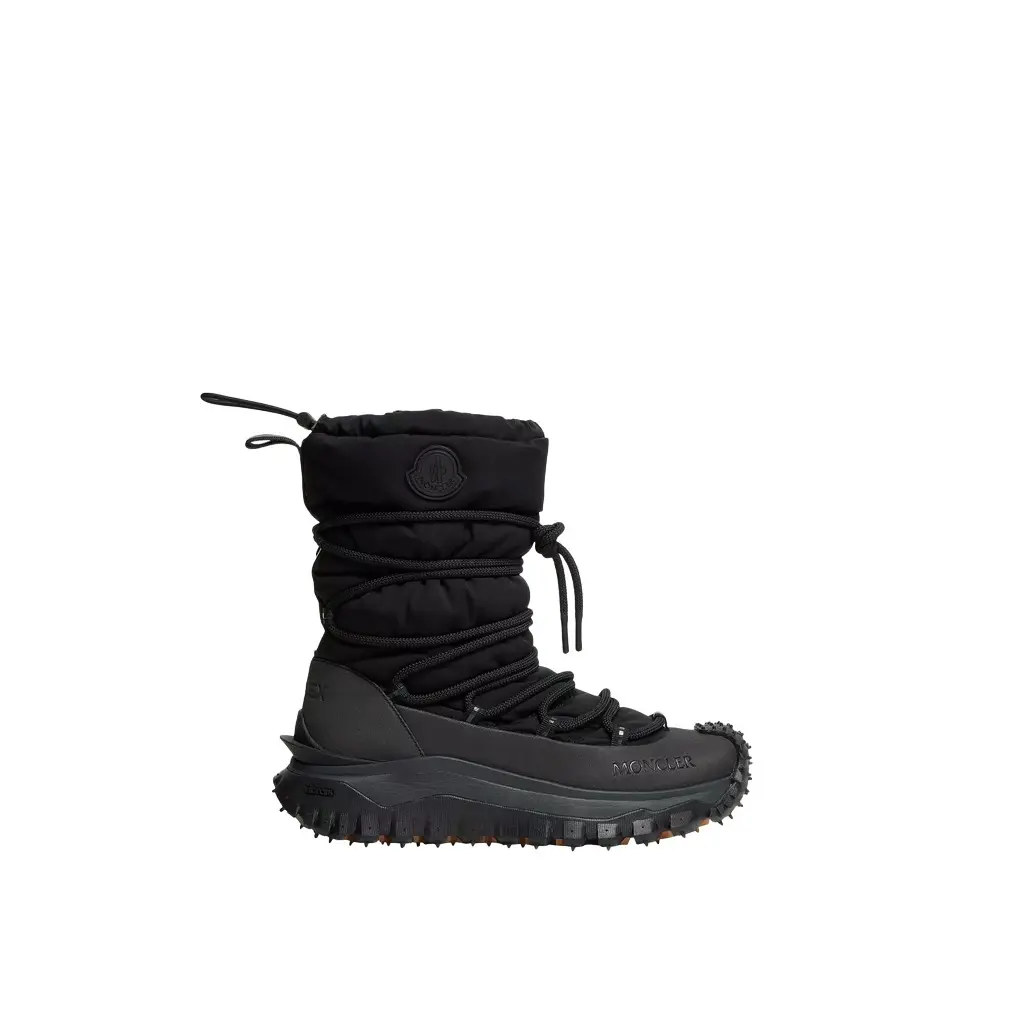 MonclerTrailgrip Gtx Lace-up Boots$1,000
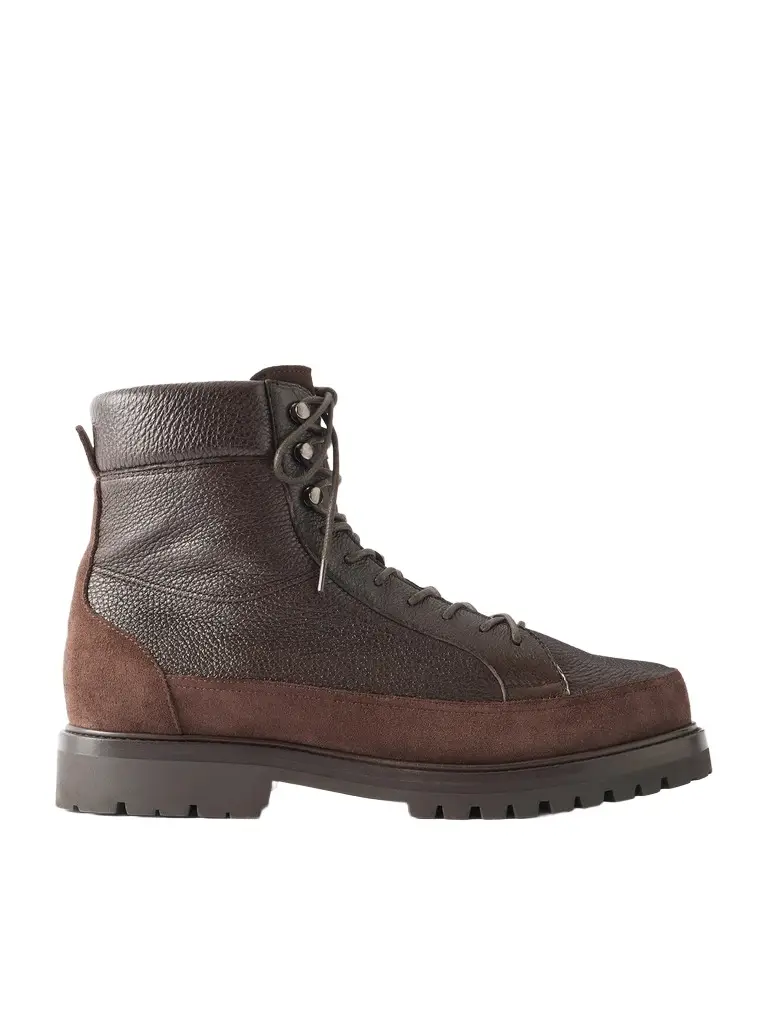 Brunello CucinelliShearling-Lined Suede-Trimmed Textured-Leather Lace-Up Boots - Men$2,150
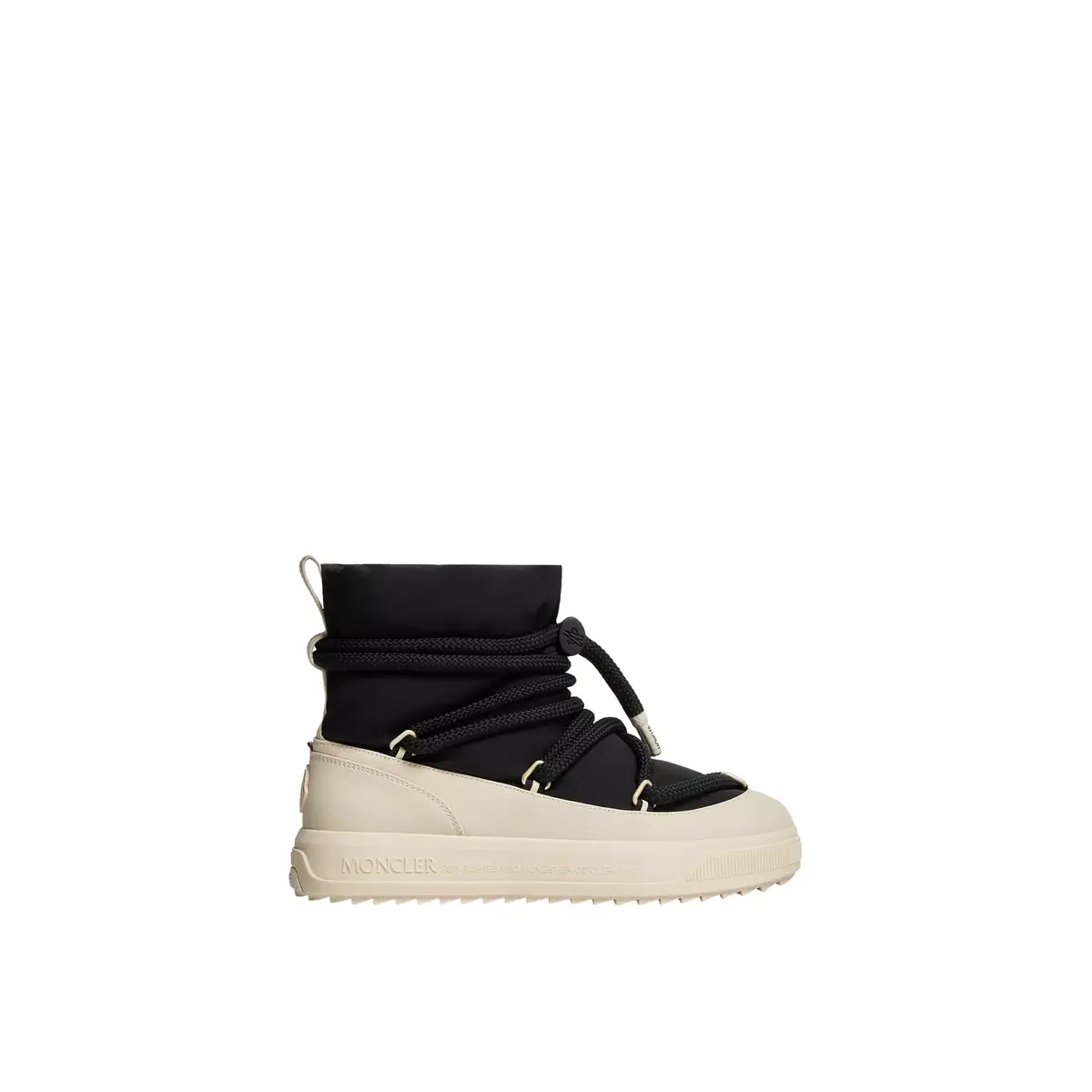 MonclerAltive Mid Snow Boots$800
Suede boots for men in winter
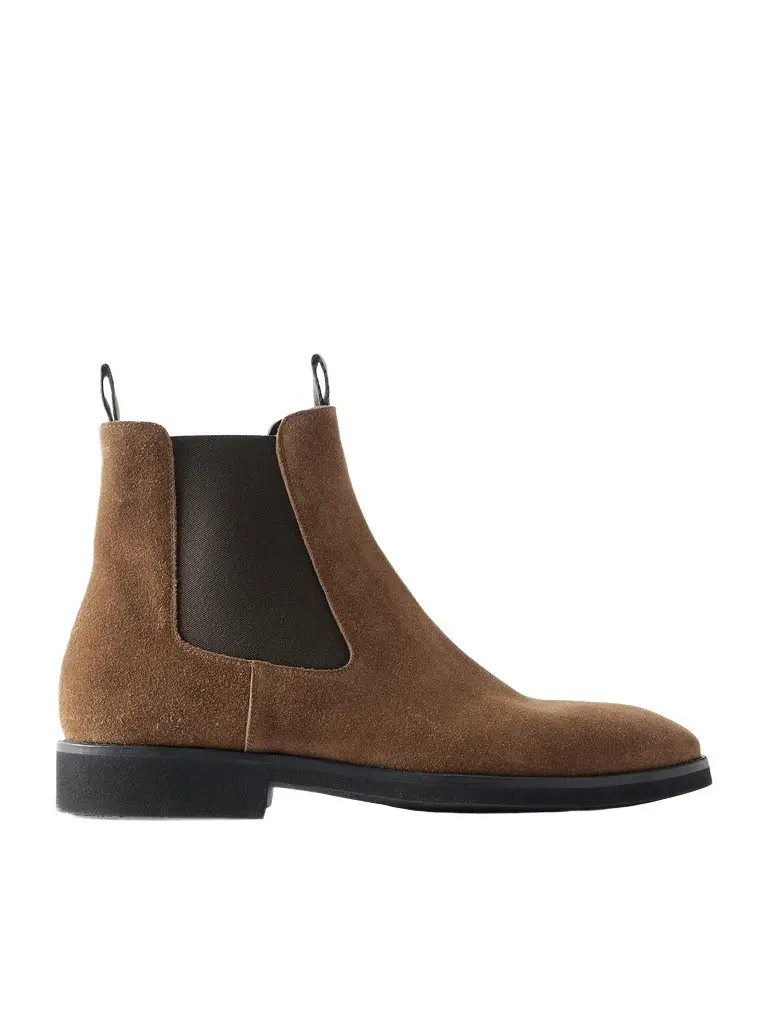
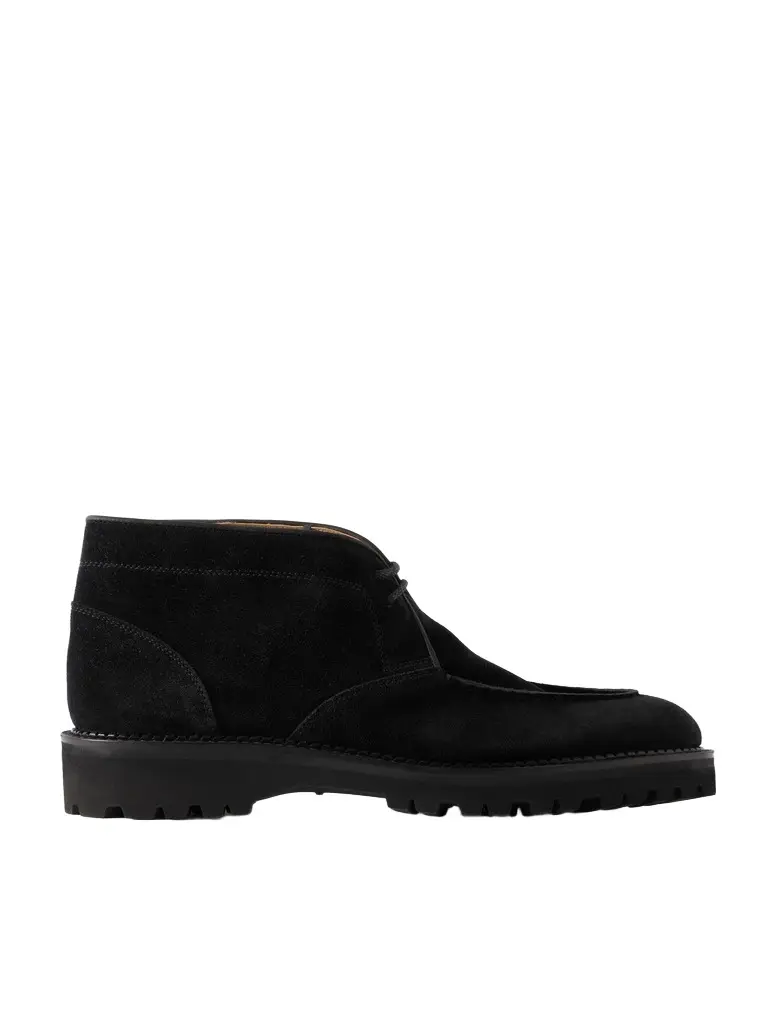
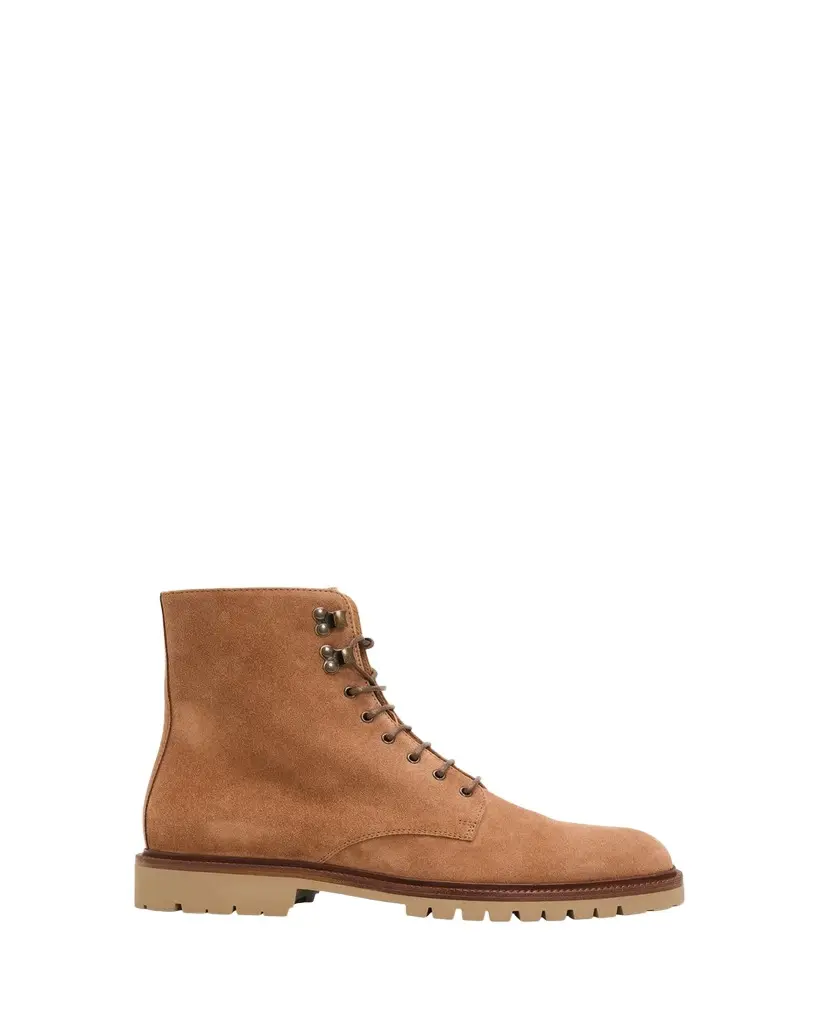
Suede looks warmer than smooth leather and it is more forgiving with scuffs, which is why so many men want suede boots in winter. It will cope if you prepare it. Spray new suede boots with a protector before the first wear and again after each clean, brush them with a rubber or crepe brush once they are dry, and choose dark shades (chocolate, tobacco, charcoal, black), which hide water marks. A rubber sole is essential. Desert boots and chukkas, with two or three eyelets and an ankle-high shaft, are the classic shapes; suede Chelsea boots are the dressier ones, and a suede hiking boot is the most practical.
- Chocolate suede chukkas, gray flannel trousers, a navy crewneck and a camel overcoat.
- Tobacco suede Chelsea boots, dark straight jeans, a cream cable knit and a brown shearling-collared jacket.
- Black suede boots, black trousers, a charcoal turtleneck and a black overcoat.
The best suede boots for men




How men's winter boots should fit
Every boot is built on a last, the foot-shaped form that decides the toe shape and how much room there is at the front. Round-toed lasts leave more space for a winter sock; slim, chiseled toes look sharper with a suit but leave less. Whatever the last, the checks in the fitting guide from English shoemaker Crockett & Jones hold:
- Boots that fit are comfortable the moment you try them on.
- A little heel slip is expected in new boots and reduces as they mold to your feet.
- You should not be able to fit your index finger between your heel and the back of the boot.
- Your toes should not reach the end.
Try winter boots on with the socks you will actually wear, and in the afternoon, when your feet are at their largest. With a lace-up you can go a half size up for thick walking socks if you need to; with a Chelsea boot you cannot, because there are no laces to tighten.
Watch the size system. Listings mix UK, European and US sizes, and British makers usually size in UK sizes. The conversion is not one-to-one: for men, a US size is numbered one higher than the UK size. Crockett & Jones's own chart, on the same fitting guide, reads like this:
| UK | US | EU |
|---|---|---|
| 7 | 8 | 41 |
| 8 | 9 | 42 |
| 9 | 10 | 43 |
| 10 | 11 | 44 |
| 11 | 12 | 45 |
European numbers vary a little from house to house, so check each maker's size guide before you order, and convert from the system the listing actually uses.
Winter boot care: slush, salt and storage
Winter boots last for years if you give them ten minutes a week. The advice from the English bootmaker Tricker's is the core of it, and we add what city salt demands.
- Before the first snow. Clean and cream smooth leather, then add a thin layer of wax polish, which shields the leather from moisture and dirt. Spray suede with a water-repellent protector.
- After slush and salt. Wipe the boots the same evening with a damp cloth, before the salt dries into a white tide mark. If a mark has already set on smooth leather, the English shoemaker John White recommends brushing off the dry crystals, working over the mark from the inside out with a cloth dampened in equal parts white vinegar and cold water, and conditioning the whole boot once it is dry. Never use vinegar or water on suede: a suede eraser and a suede cleaner are the tools there.
- Drying. Let wet boots dry naturally, never near direct heat, which can crack leather. Put wooden shoe trees in to absorb moisture and hold the shape.
- Rotation. Wear two pairs on alternate days so each dries out fully.
- Repairs. Replace worn heels early, and resole welted boots before the wear reaches the welt.
How to wear winter boots with tailoring, denim and coats
With tailoring, choose slimmer boots (a smooth Chelsea or a sleek lace-up) and trousers with little or no break, so the hem rests on the boot rather than bunching over it. With denim, a straight leg sits over the boot and a small cuff shows it off; skinny jeans tucked or stacked on a heavy boot look dated. Match the boot to the coat's weight: Chelsea boots with an overcoat or peacoat, lug-sole lace-ups with a parka, a waxed jacket or a shearling coat. Our guide to the best men's winter coats covers the coats, and our men's holiday party outfits show which boots work after dark.
For color, dark brown goes with navy, gray, olive and camel; black goes with black, charcoal and navy. If you only buy one pair, dark brown is the more flexible, and our AI stylist can build a week of outfits around the boots you already own.
How we chose
Every boot here comes from a house on Vêtir's luxury list and was in stock in a run of sizes when we checked. We favored rubber soles and linings suited to the cold, checked the construction wherever the listing states it, confirmed each boot's color and sole from its product images, and spread each group across houses and price points. Browse all men's Chelsea boots, ankle boots and cold-weather boots for more.
Frequently asked questions
Are Chelsea boots good for snow?
For city slush, yes, if they have a rubber lug sole and a waxed or treated upper. For deep snow, no: the shaft is low and the elastic sides let snow in. Wear a lace-up or a snow boot instead.
What sole is best for icy sidewalks?
Rubber with deep, well-spaced lugs. Avoid smooth leather soles, which slide on ice and packed snow. No sole makes black ice safe, so take shorter steps on it.
Can you wear suede boots in winter?
Yes, if you spray them with a protector before the first wear, choose a dark shade and a rubber sole, and let them dry naturally after a wet day before brushing the nap back up.
Should winter boots be a size bigger?
Not automatically. Try them with the socks you will wear. A half size up can work in a lace-up worn with thick socks, but not in a Chelsea boot or a shearling-lined boot, which should fit snugly.
Can you wear boots with a suit?
Yes. Choose a sleek black or dark brown Chelsea or lace-up in smooth calf with a slim sole, and wear the trousers with little or no break so the hem sits cleanly on the boot.
How do you get salt stains off leather boots?
Wipe them the same day with a damp cloth. For a mark that has already dried on smooth leather, brush off the crystals, work over it with a cloth dampened in equal parts white vinegar and cold water, let the boots dry away from heat with shoe trees in, then condition the leather. Keep vinegar and water away from suede.