The Best Loafers for Men: Penny, Horsebit, Tassel and How a Good Pair Is Made
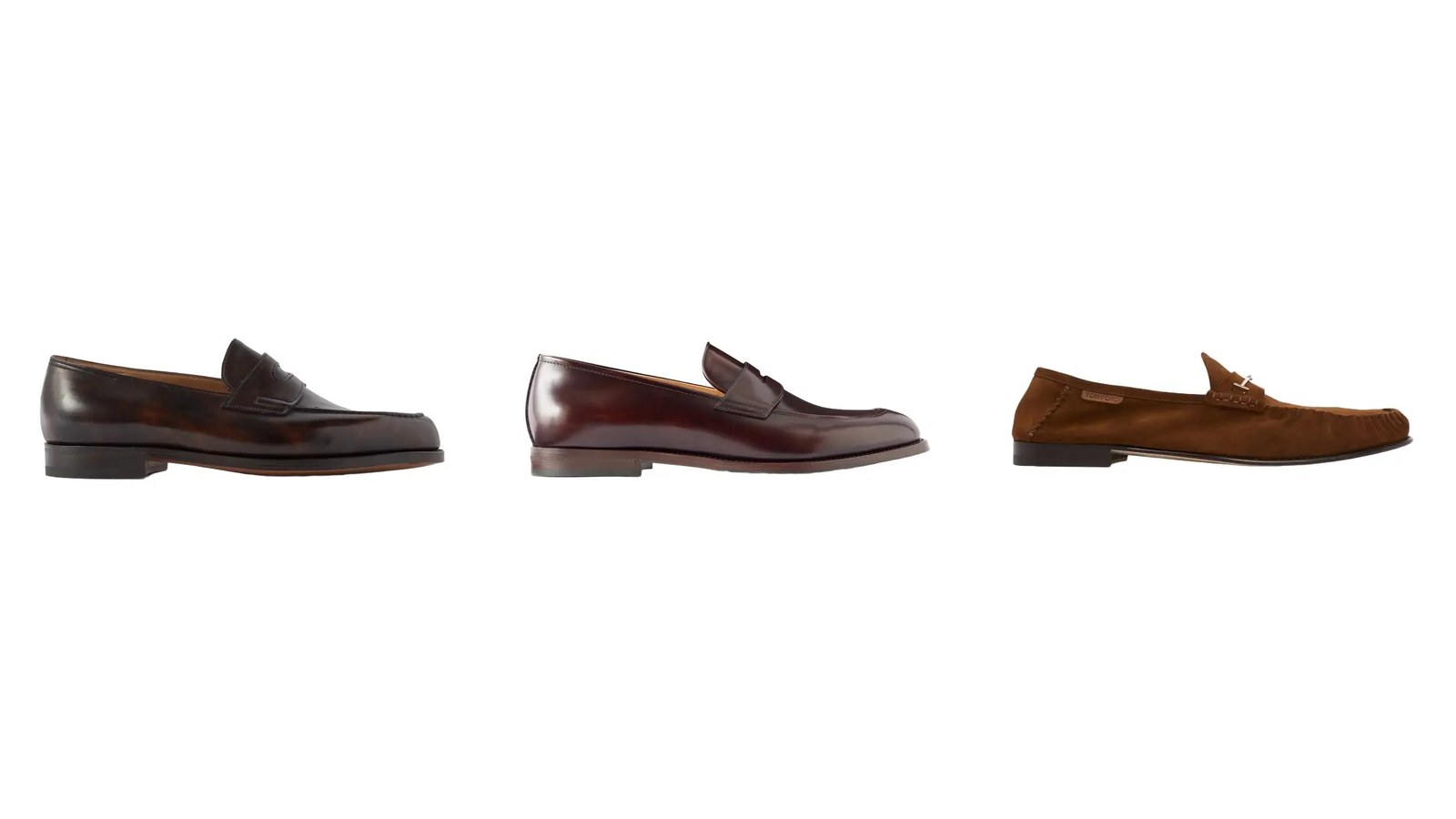
The best loafers for men start with a penny loafer in dark brown or black calf on a slim sole. It works with a navy suit, gray flannels, chinos and jeans, which makes it the pair a man can wear five days a week. From there, add suede for summer, a horsebit or bit loafer when you want the shoe to do the dressing up, a tassel loafer for blazers and flannel, drivers for the weekend and velvet slippers for evenings at home. The houses to know are John Lobb, Tod's, Saint Laurent and Brunello Cucinelli for penny loafers, Gucci and Ferragamo for hardware, and Tom Ford for evening. Below, our editors trace where each style came from, explain how men's designer loafers are built and why it matters, and cover socks, fit, break-in and the trousers to wear with them.
The best loafers for men, style by style
| Style | Origin or defining detail | How dressy | Wear it with |
|---|---|---|---|
| Penny | G.H. Bass's Weejun, 1936 | From suits to jeans | Navy suits, flannels, chinos, denim |
| Horsebit and bit | Gucci; Kering dates it to 1953 | The dressiest daytime loafer | Suits, tailoring, dark denim |
| Tassel | Alden, 1950 | Blazer-level | Navy blazers, gray flannel, tweed |
| Belgian loafer | Belgian Shoes, New York, 1955 | Relaxed | Summer tailoring, evening trousers |
| Velvet slipper | Velvet on a thin leather sole | Evening | Velvet jackets, relaxed black tie at home or a club |
| Driving shoe | A moccasin with a pebbled rubber sole | Casual | Shorts, chinos, weekends, the car |
| Suede loafer | Any style above, in suede | Smart casual | Linen, cotton, summer tailoring |
Penny loafers: the first pair to buy
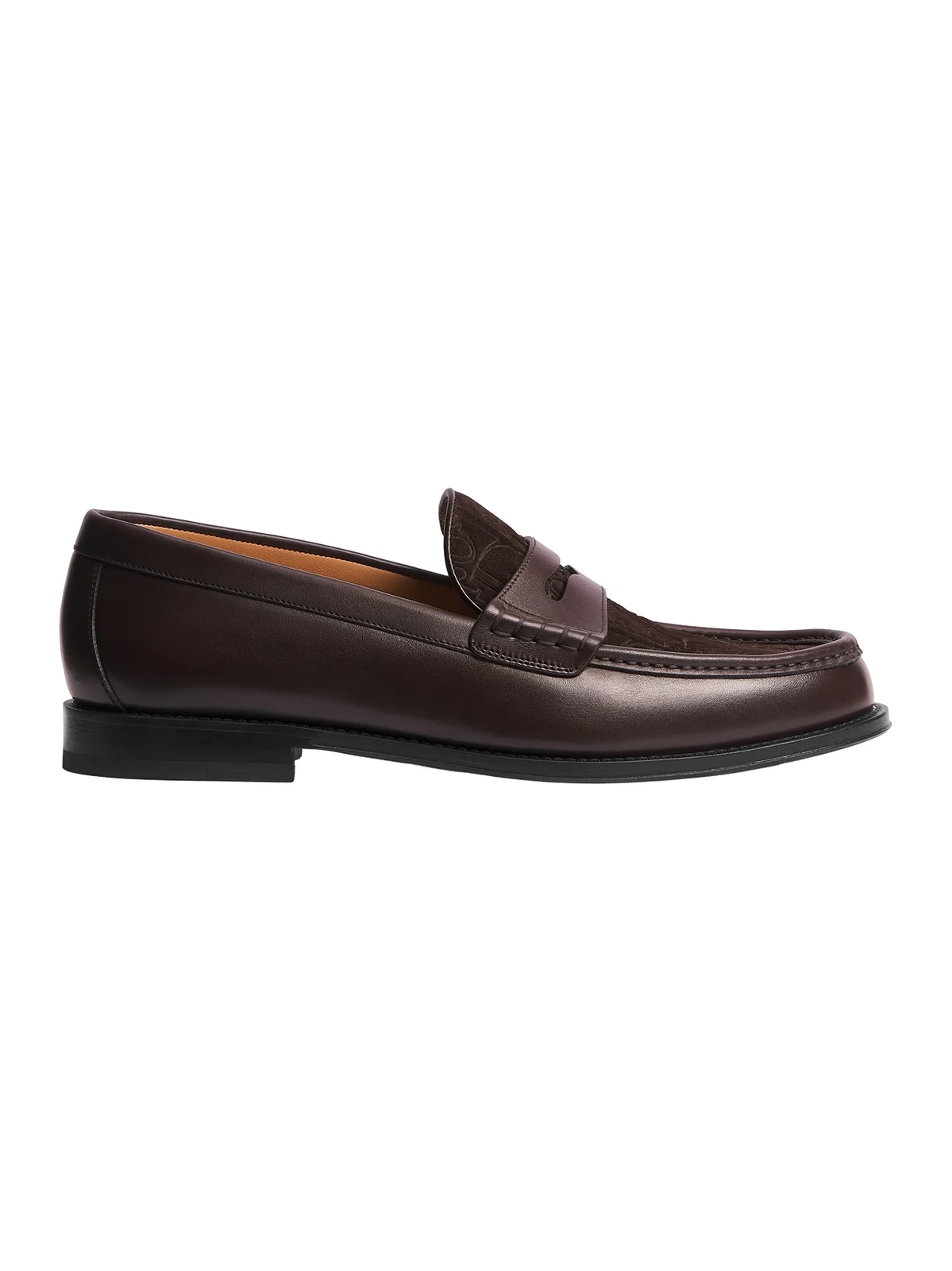
The penny loafer is an American design with Norwegian roots. G.H. Bass introduced it in 1936 as the Weejun, a loafer modeled on the moccasins Norwegian farmers wore, and the name is a playful shortening of "Norwegian," according to the company's own history. The nickname came later: on East Coast campuses in the 1950s and 1960s, students tucked coins into the diamond-shaped cutout of the leather strap across the vamp.
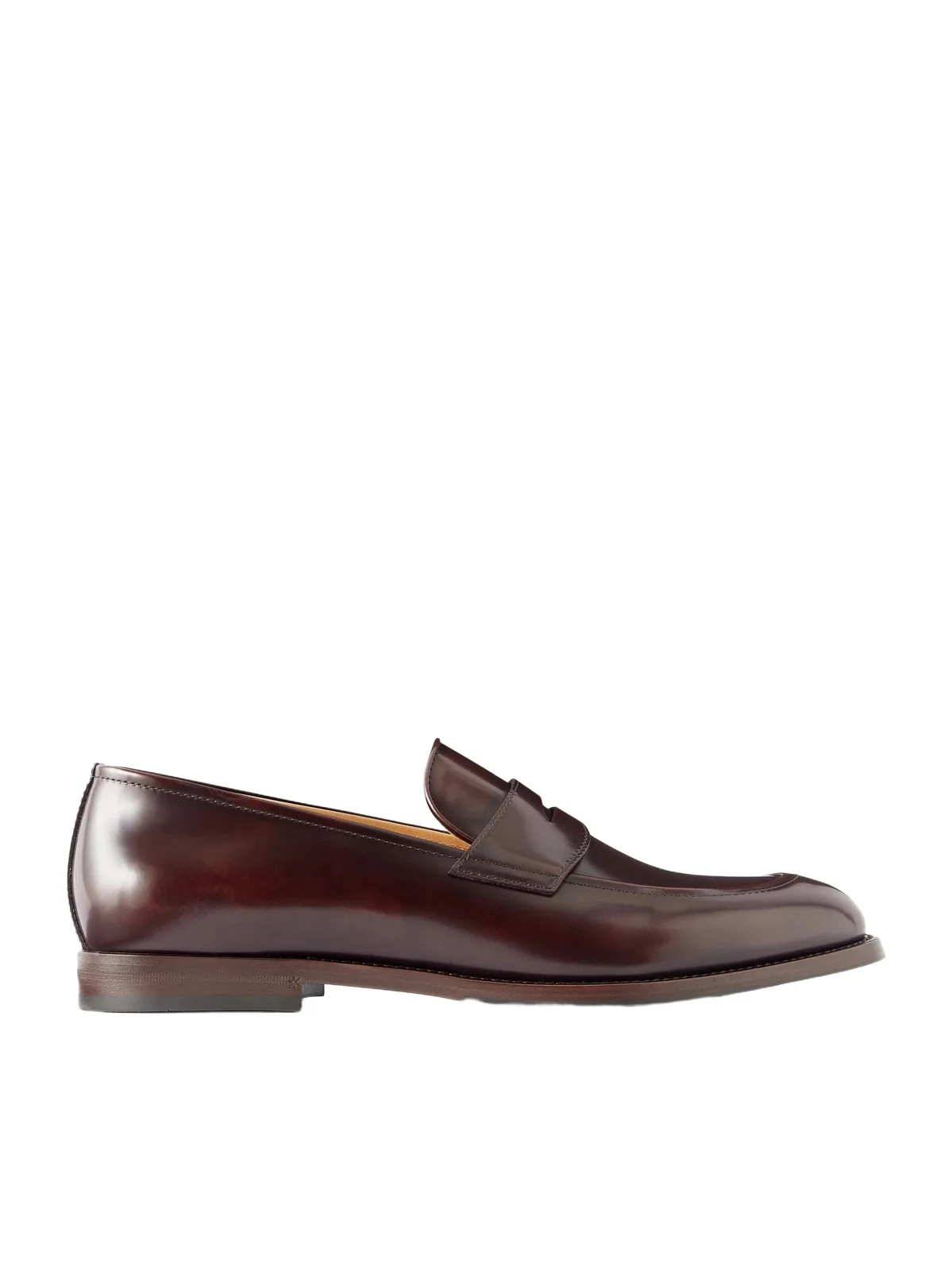
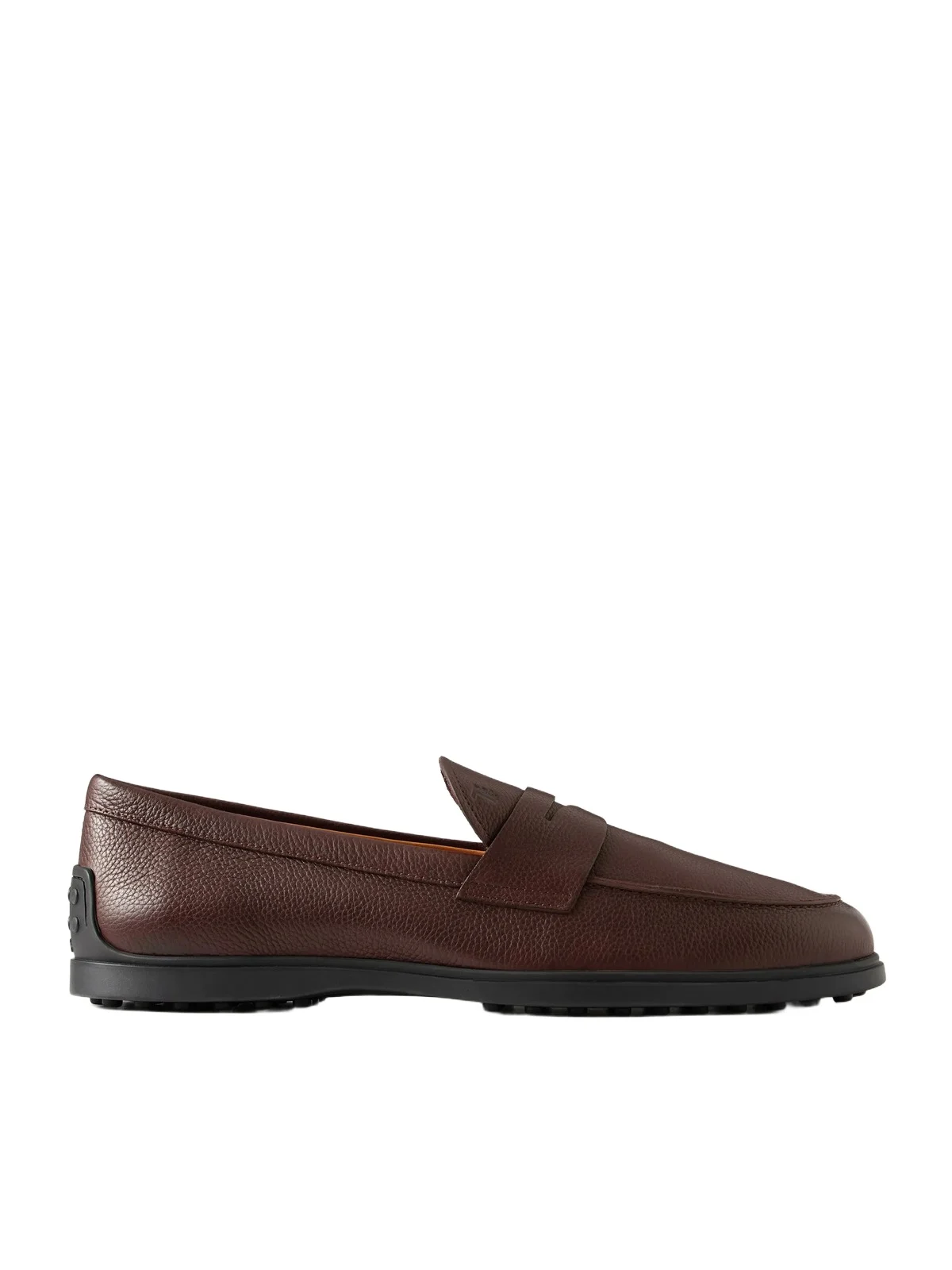
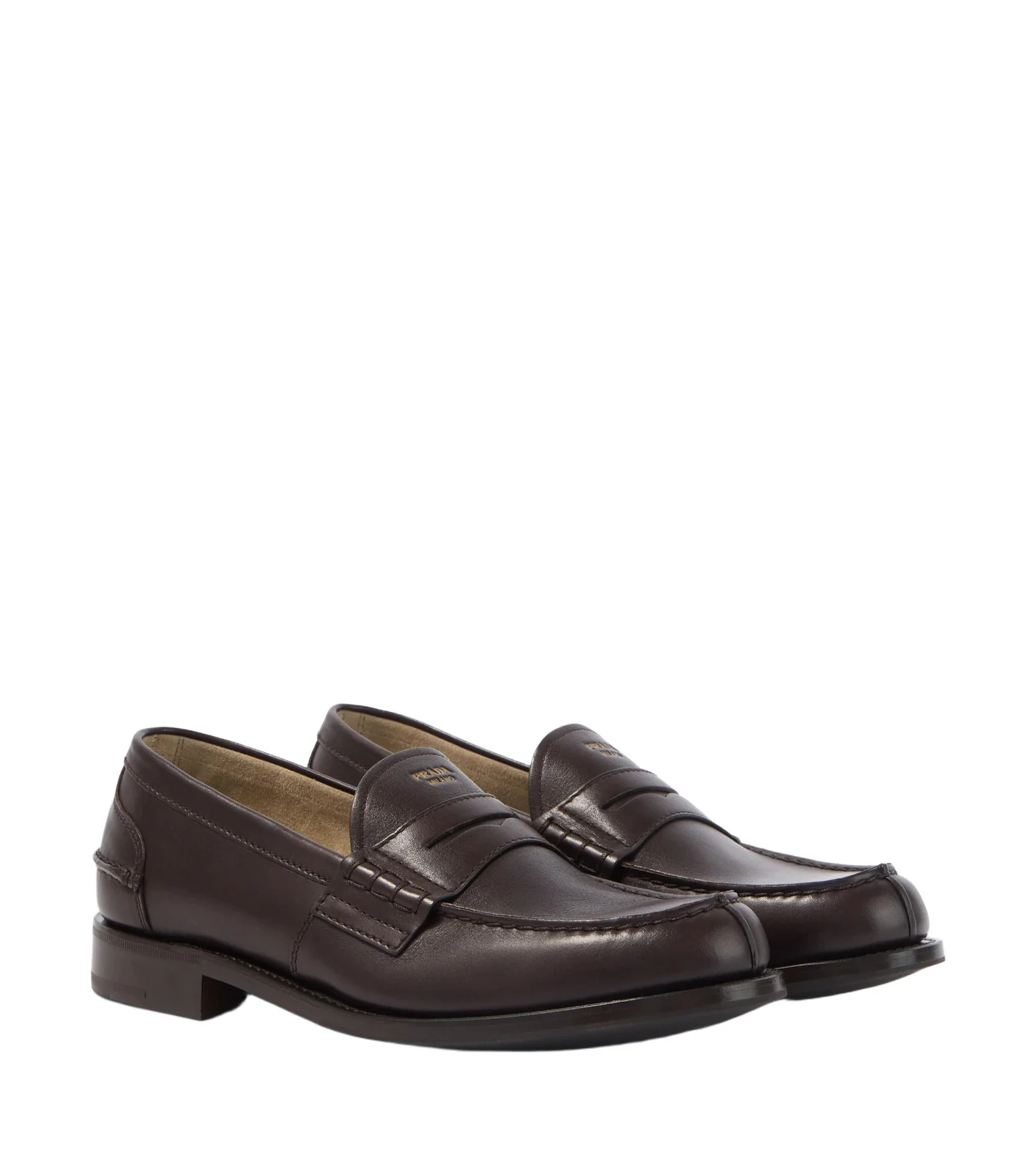
The strap is the whole design, which is why a penny loafer never competes with the rest of an outfit. Choose the leather for how you will wear it. Polished calf in black or dark brown is the office shoe and the one to wear with a suit. Pebble or scotch grain hides scuffs and suits flannel, tweed and denim. Burgundy and oxblood work as neutrals with navy and gray. For the sole, leather looks sleekest; a rubber sole, like Tod's pebbled version, grips a wet street.
- Office: black calf penny loafers, a charcoal suit, a white shirt and a navy knitted tie.
- Weekend: dark brown grained penny loafers, dark jeans with a clean hem, a navy crewneck and a waxed or suede jacket.
- Fall tailoring: burgundy penny loafers, gray flannel trousers, a blue oxford shirt and a navy blazer.
The best penny loafers for men


Horsebit loafers and other bit loafers
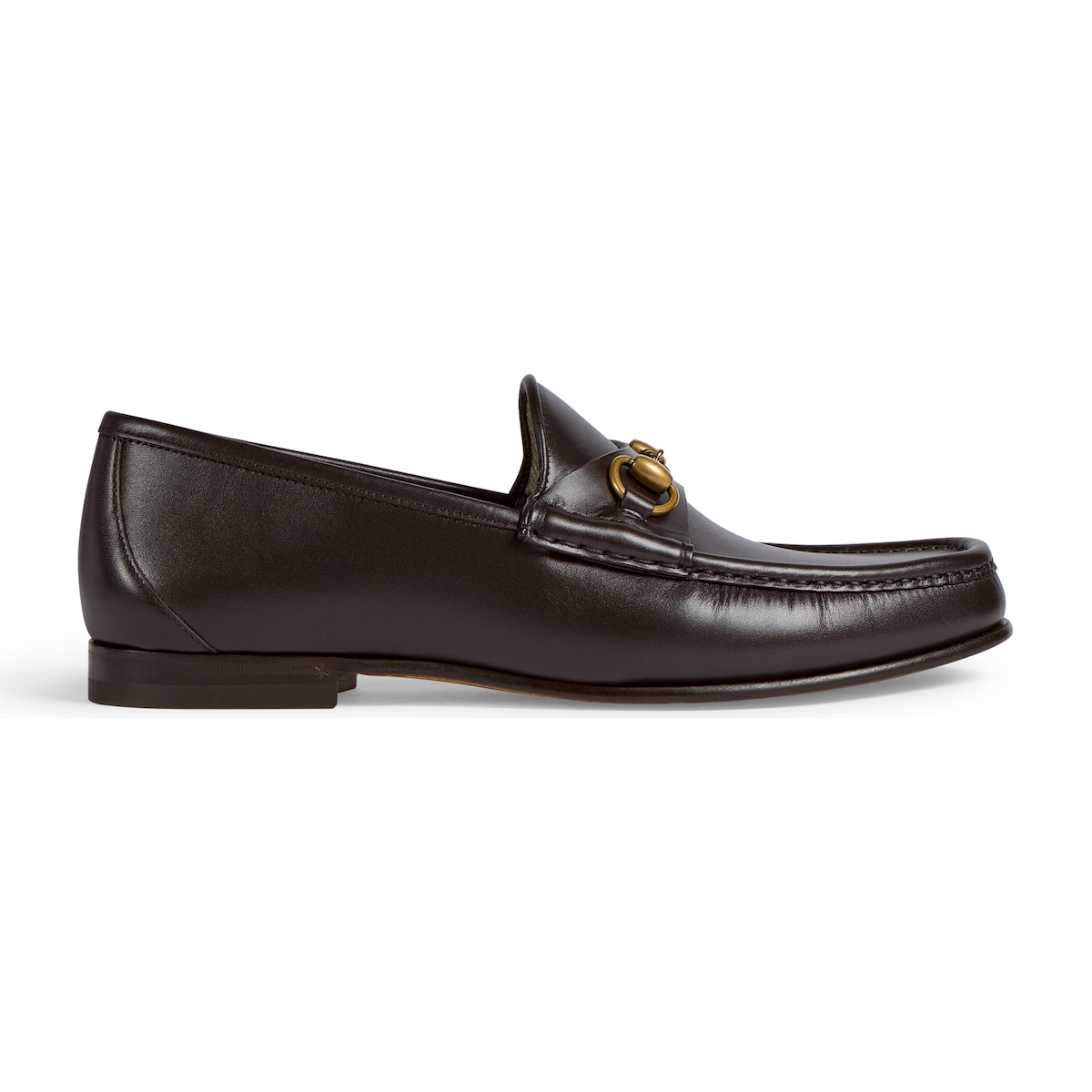
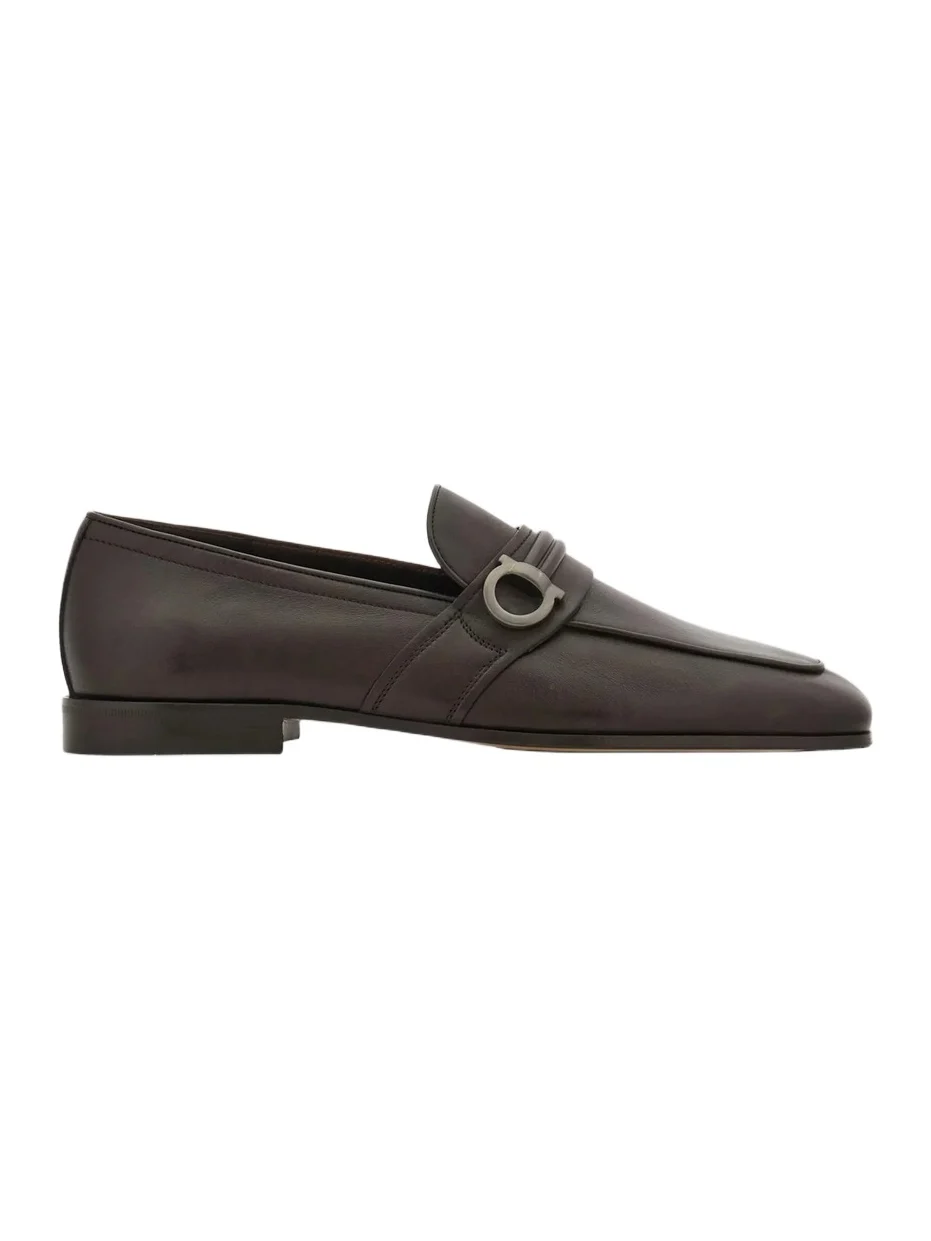
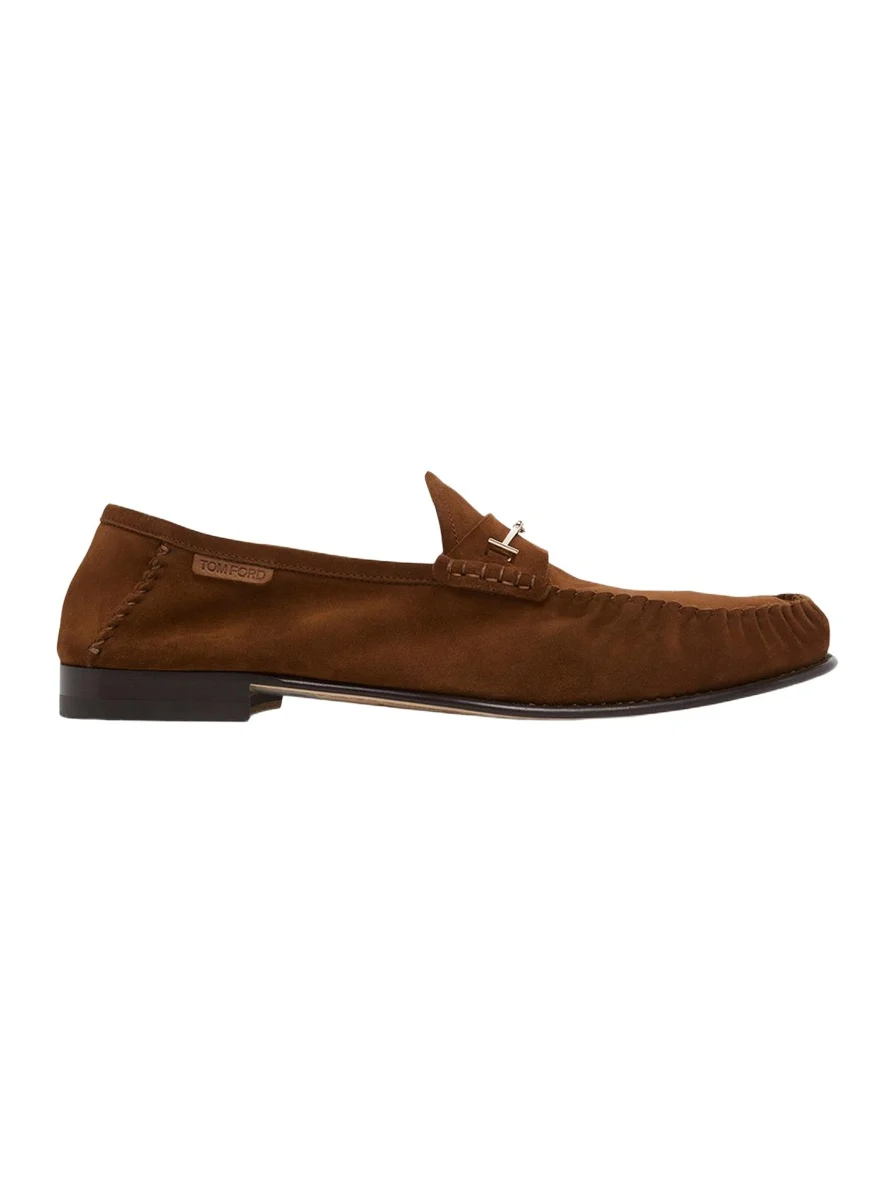
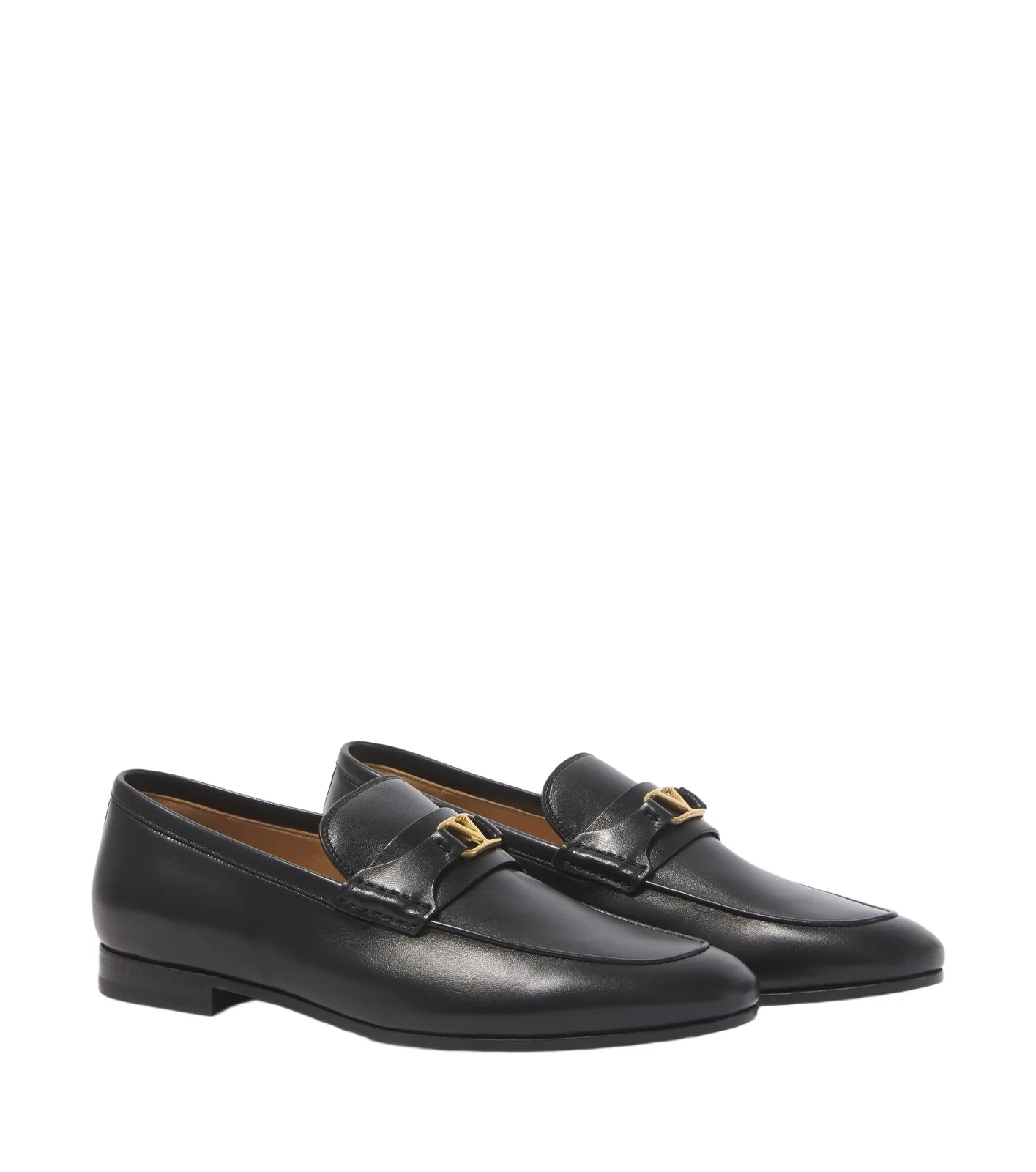
Hardware turns a loafer into a dressier shoe. Kering, which owns Gucci, dates the Horsebit loafer to 1953, the year the house also opened its first store in New York, and Gucci still sells the style as the Horsebit 1953. The snaffle-bit hardware across the vamp made a casual slip-on look polished enough for a suit, and horsebit loafers for men are still the reference for the type. Other houses have their own marks: Ferragamo uses the Gancini, a hook shaped like a horseshoe; Tom Ford a T-shaped bit; Bottega Veneta a knot; Valentino its V.
Treat the bit like jewelry. Match its metal to your watch case and belt buckle, and keep everything else plain: no patterned socks, no second piece of hardware at the ankle. On a bit loafer the hardware sits where the foot flexes, so walk a few steps before buying and make sure it doesn't press into your instep.
- Business: black horsebit loafers, a navy suit, a pale blue shirt and a dark tie.
- Smart casual: brown bit loafers, cream trousers, a navy knit polo and a tan suede jacket.
- Dinner: black bit loafers, black wool trousers and a black rollneck.
Horsebit and bit loafers

Tassel loafers: the blazer shoe
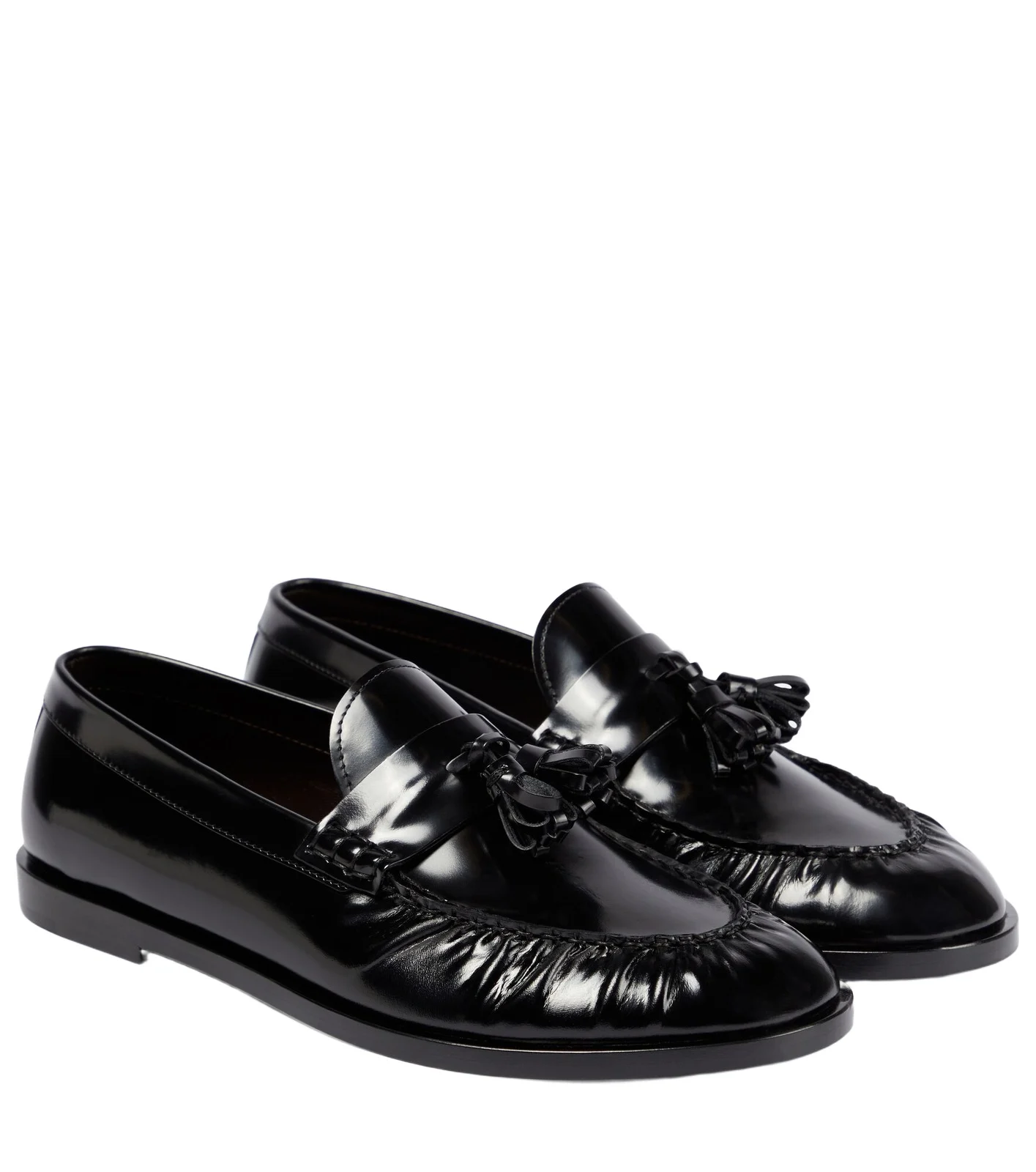
The tassel loafer began with a request. After the Second World War, the actor Paul Lukas brought home from Europe a pair of oxfords with tasseled laces and asked shoemakers in New York and Beverly Hills for something similar. Both passed the job to the Alden Shoe Company of Massachusetts, which turned the lace and tassels into decoration on a slip-on and put it into production for 1950; in 1957 Brooks Brothers asked Alden for a version of its own. The account comes from Alden: its vice president, Robert Clark, gave it to the menswear writer G. Bruce Boyer for Cigar Aficionado in 1998, and Gentleman's Gazette's history of the loafer tells it the same way. By the 1960s, American men were wearing them with suits.
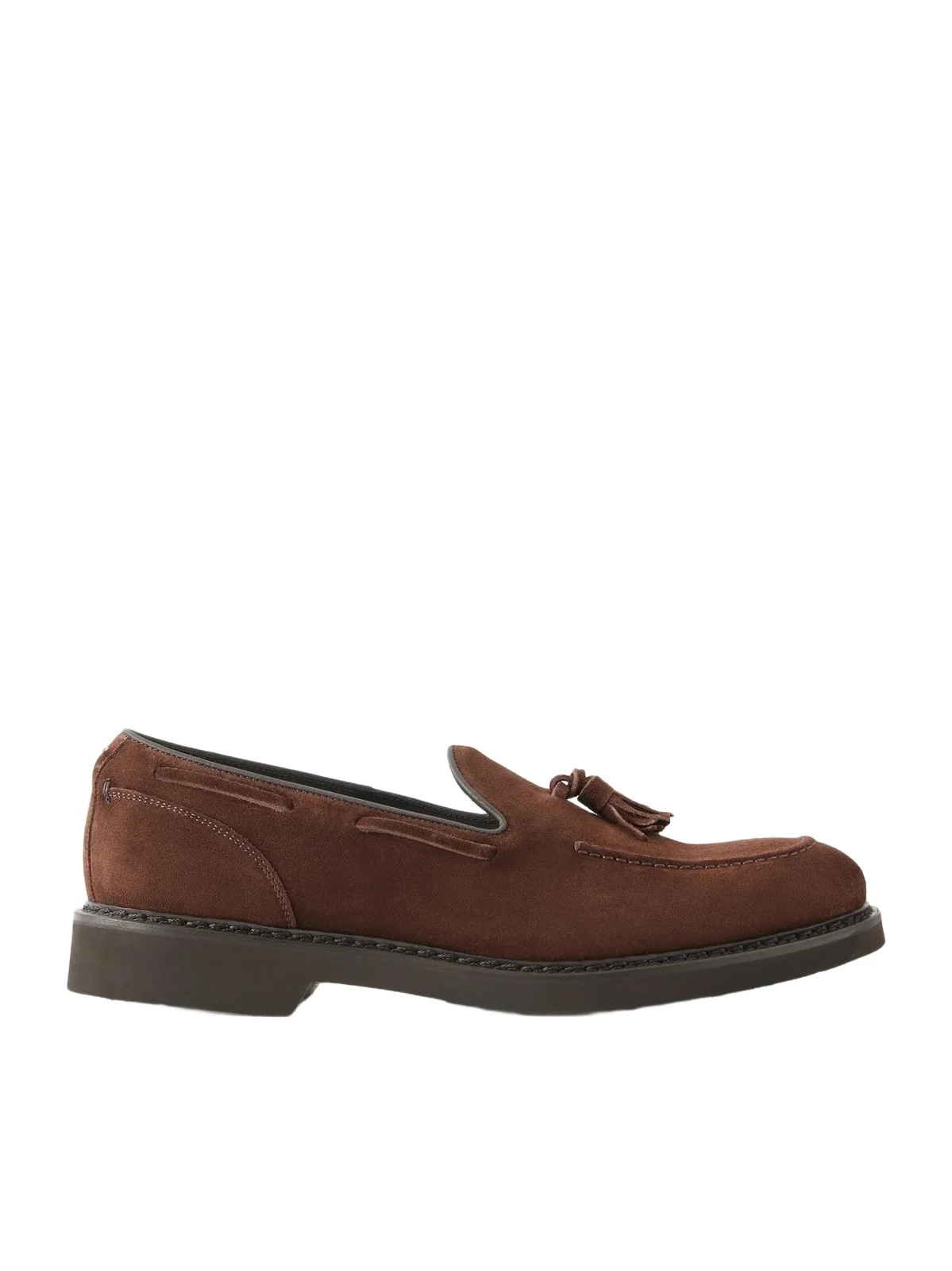
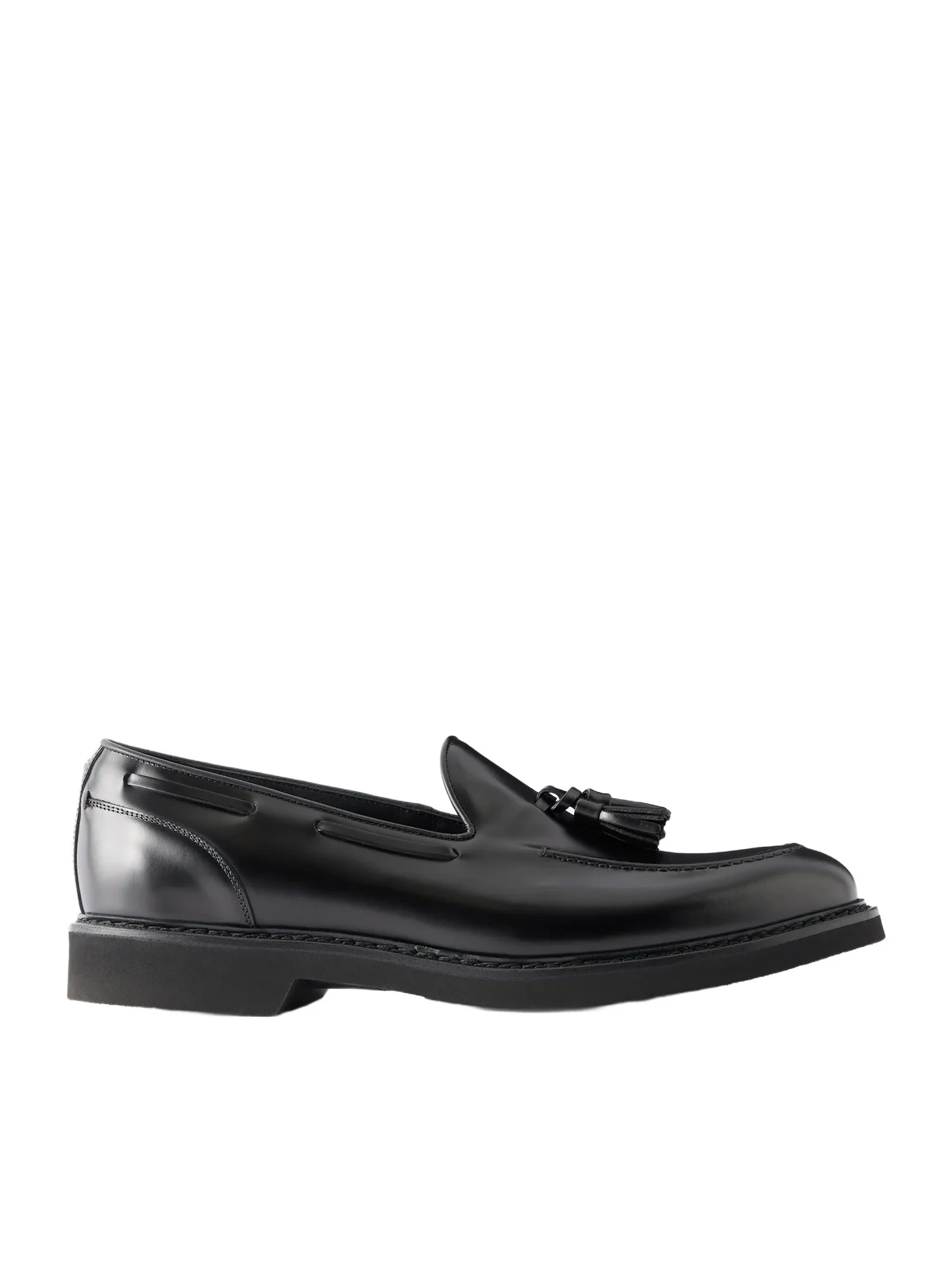
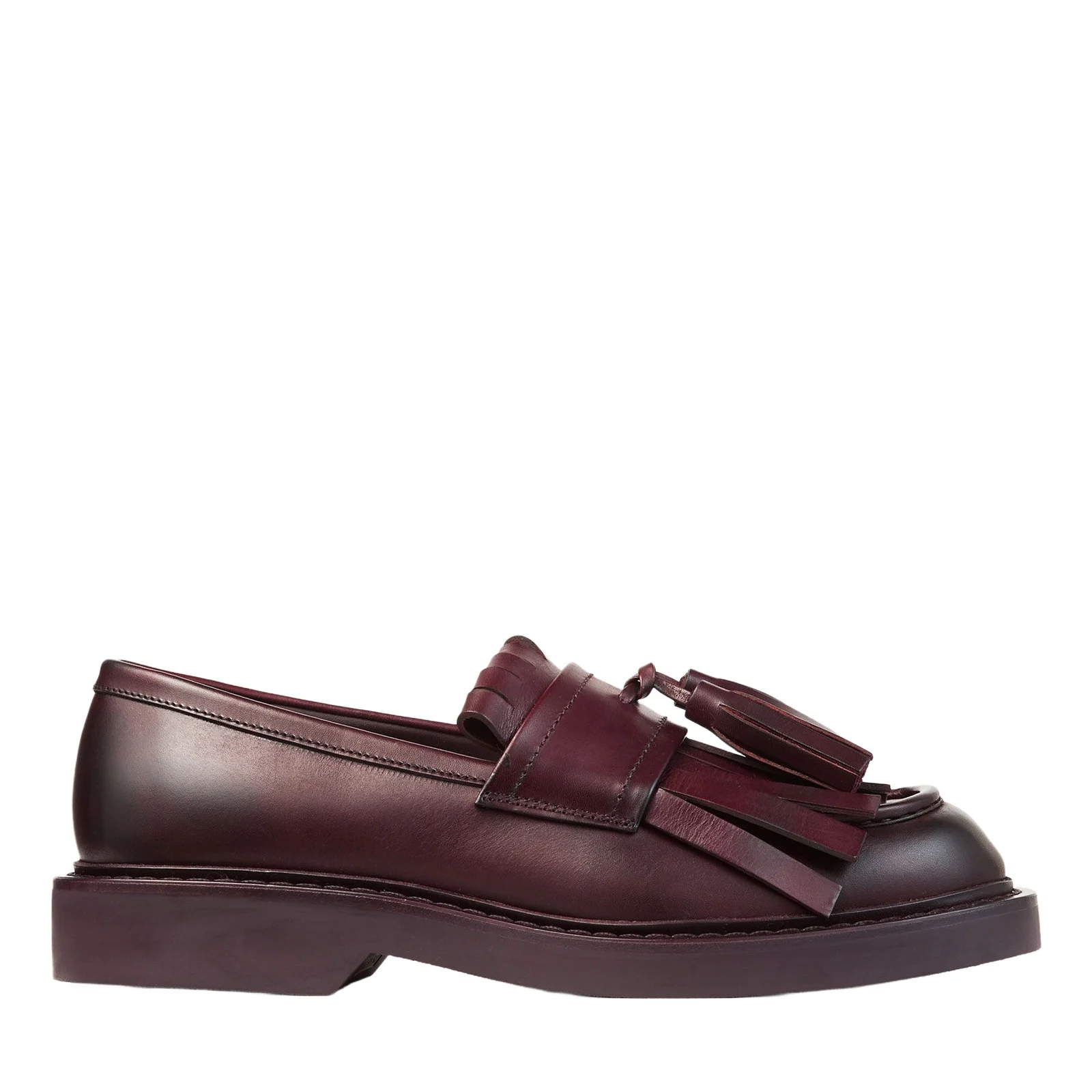
Gentleman's Gazette puts a black or oxblood tassel loafer at about the formality of a navy blazer with gray flannels, which is where it looks best. The tassels add movement, so the shoe suits textured cloth: flannel, tweed, corduroy and hopsack. Suede tassel loafers are the summer version. A kiltie, with a fringed leather flap across the vamp, is the country cousin.
- Dark brown suede tassel loafers, gray flannel trousers, a white button-down and a navy blazer.
- Black calf tassel loafers, charcoal trousers, a light blue shirt and a gray tweed jacket.
- Tan suede tassel loafers, white jeans and a navy knit polo in spring.
Tassel loafers in suede and calf


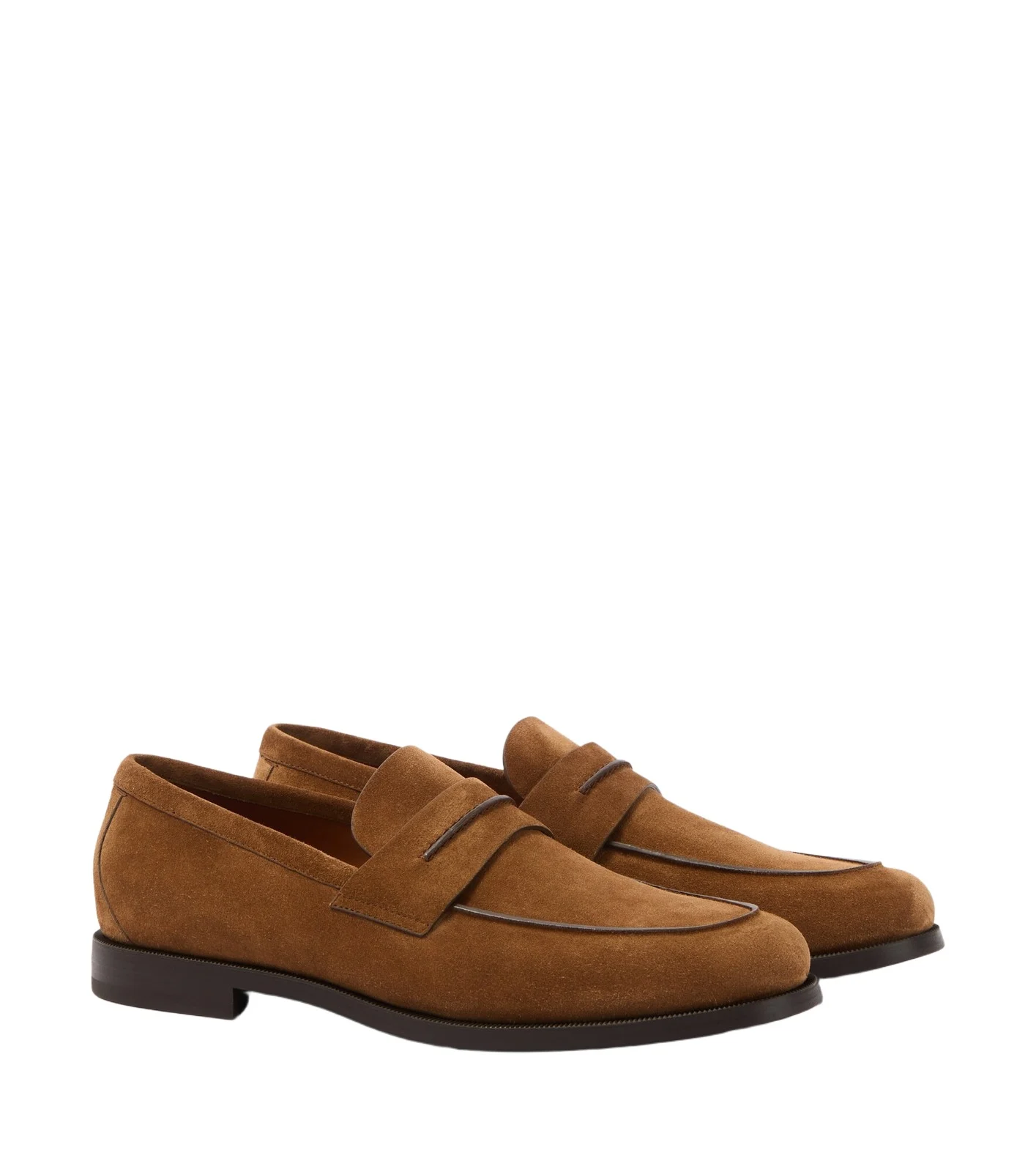
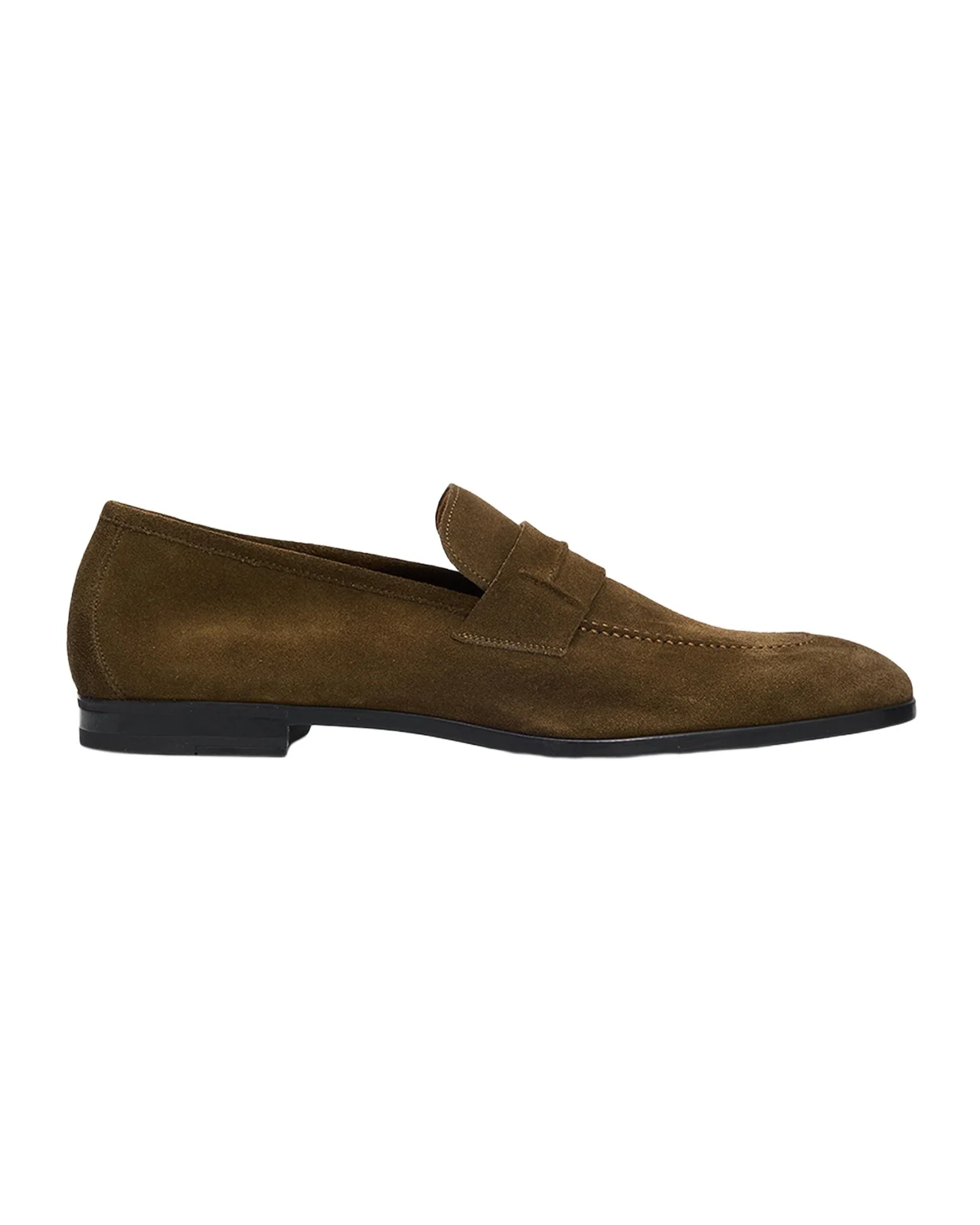
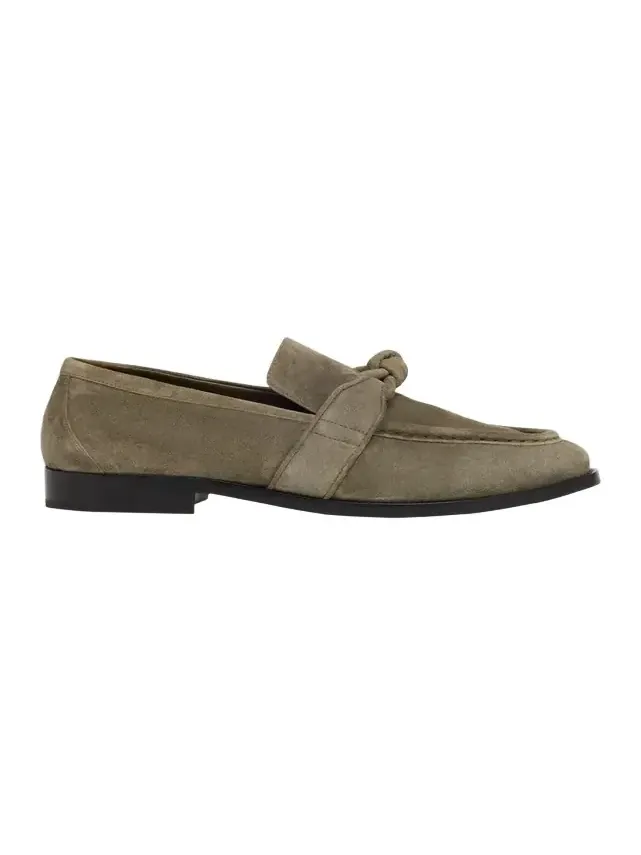
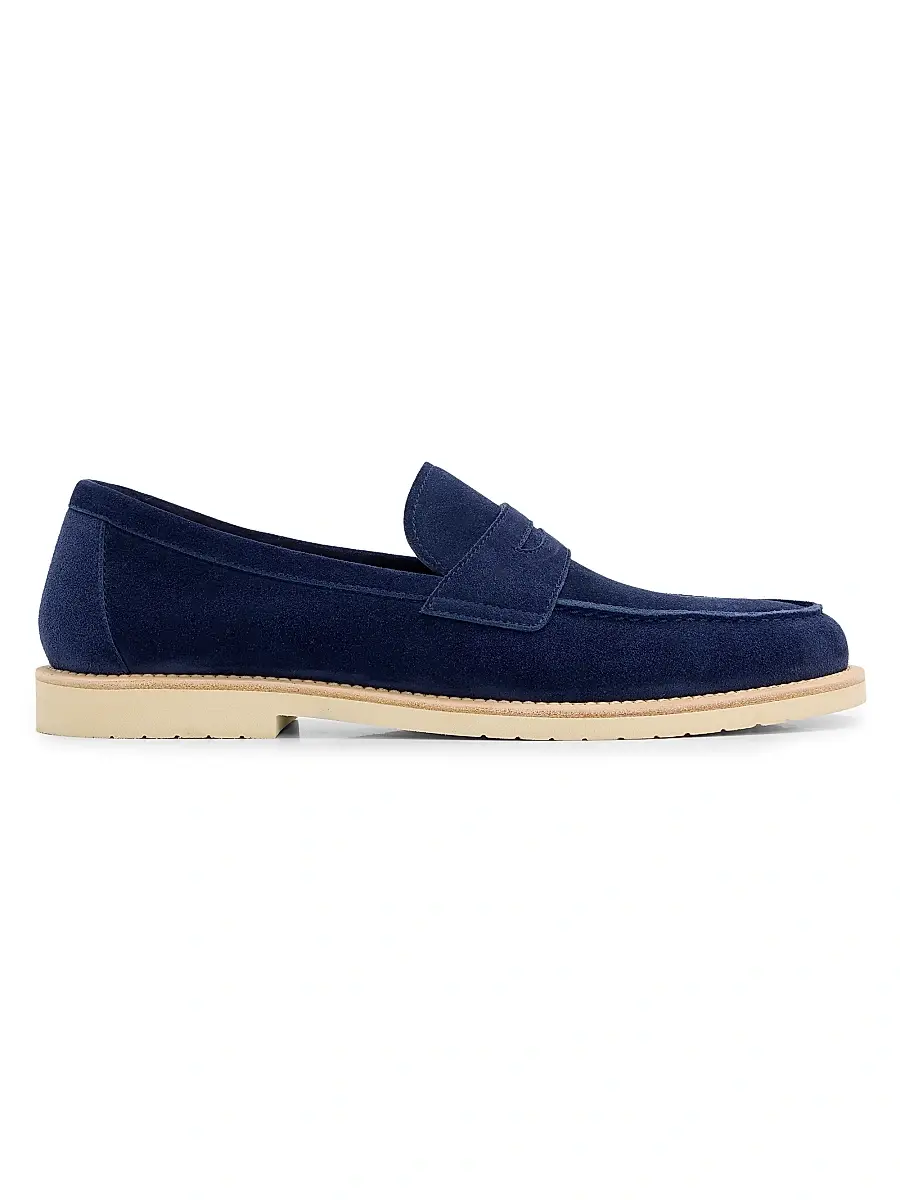
Suede loafers for summer and travel
Suede is the easiest loafer leather to live with in warm weather: it is soft from the first wear, it looks relaxed with linen and cotton, and it forgives the scuffs that ruin polished calf. For hot days, Gentleman's Gazette suggests an unlined, Blake-stitched loafer if you won't be walking far, and a Goodyear-welted, leather-lined pair for a loafer that has to work through several seasons. Tobacco, snuff and dark brown go with everything; sand, olive and navy are summer colors.
Treat suede with a protector spray before the first wear, brush it with a crepe or brass-bristle suede brush once it is dry, and keep it out of heavy rain. A water mark often lifts if you dampen the whole panel evenly and let it dry on shoe trees, so the leather dries to one tone.
- Tobacco suede loafers, stone linen trousers and a white linen camp-collar shirt. Our guide to the best linen shirts for men covers which collar to choose.
- Olive suede loafers, navy chinos, a gray T-shirt and an unstructured cotton jacket.
- Dark brown suede loafers on a flight: they slip off at security and don't mind a long day.
Suede loafers for summer


Driving shoes: the weekend loafer
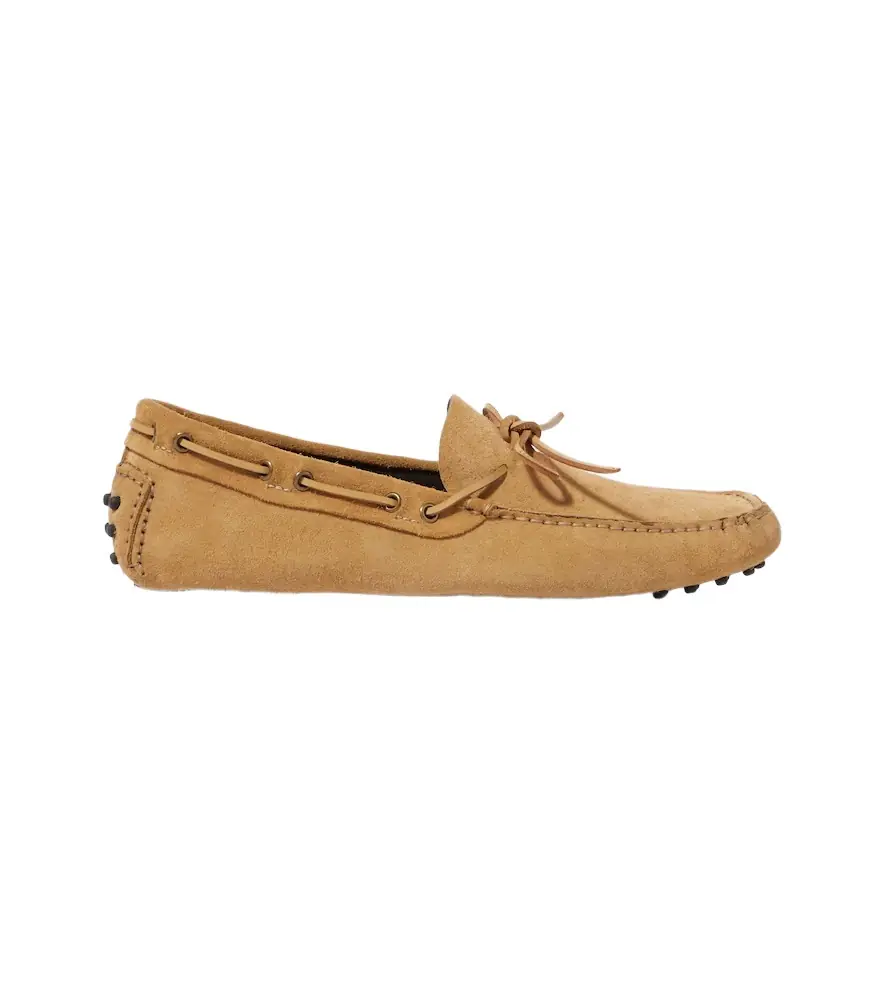
A driving shoe is a true moccasin: soft leather wraps up from under the foot and a top panel is stitched to it, with no rigid sole. Rubber pebbles run along the bottom and up the back of the heel, where the foot rocks on a pedal. The best known is Tod's Gommino, which WWD calls arguably the brand's most recognizable product, identified by the signature rubber pebbles on its outsole.
Know their limits. The thin, pebbled sole is made for car mats, decks and short walks; on a day of city pavement the pebbles wear flat and your feet feel every step. Keep drivers for weekends, holidays and anything with shorts, and wear them without visible socks.
Driving shoes in suede and leather


Belgian loafers and velvet slippers for evening
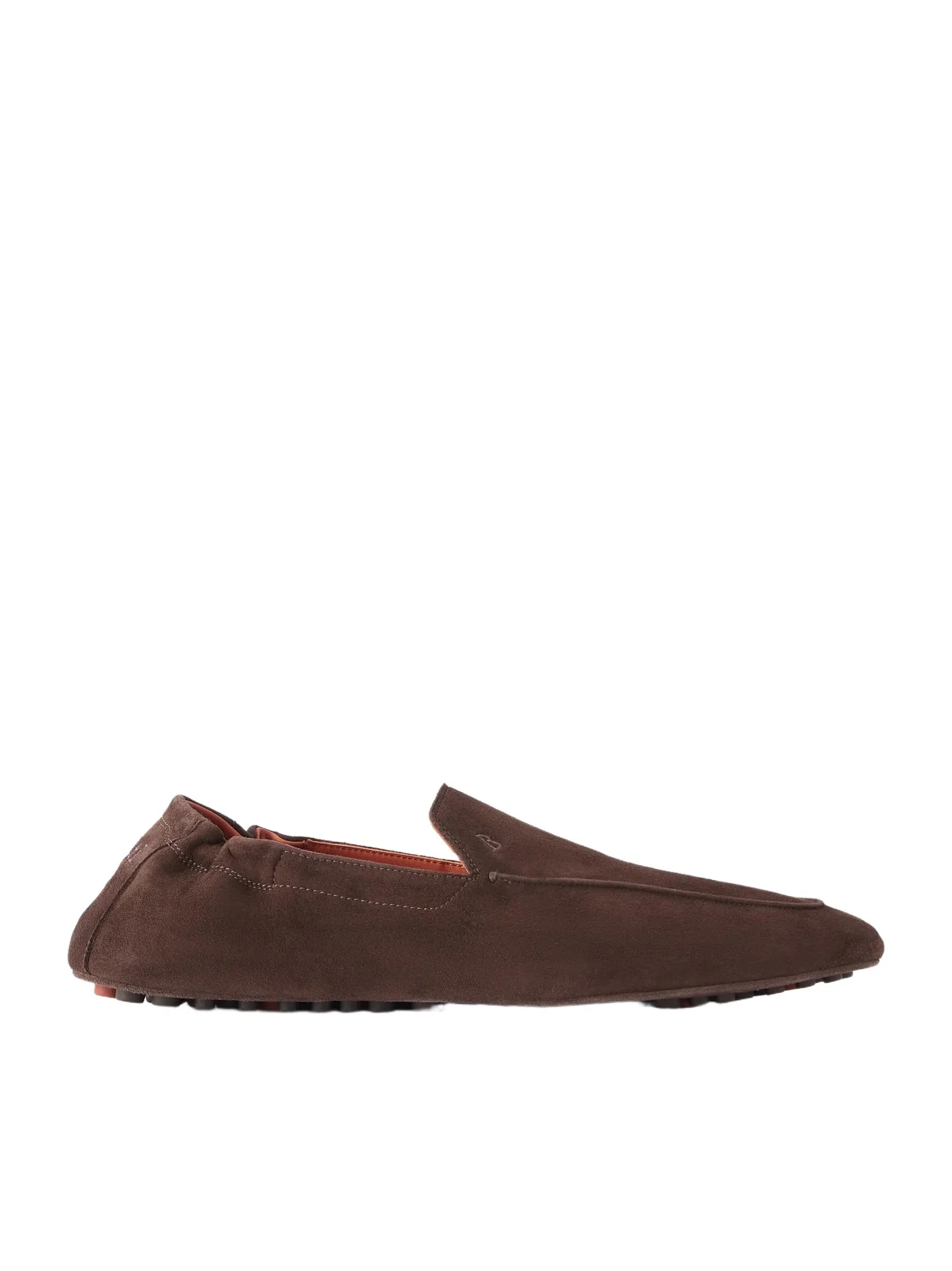
The Belgian loafer is the softest of the family. Henri Bendel, a nephew of the founder of the New York department store of the same name, found the shoes on a trip to Belgium; when his family sold the department store in 1955, he opened Belgian Shoes in Manhattan. The shoes are still made in Izegem, Belgium, sewn inside out and then turned by hand, finished with a small bow on the vamp and offered in four widths, according to the company. They are sold only at its New York store, but the shape, a low, unstructured slipper with a bow or a plain vamp, now comes from several luxury houses.
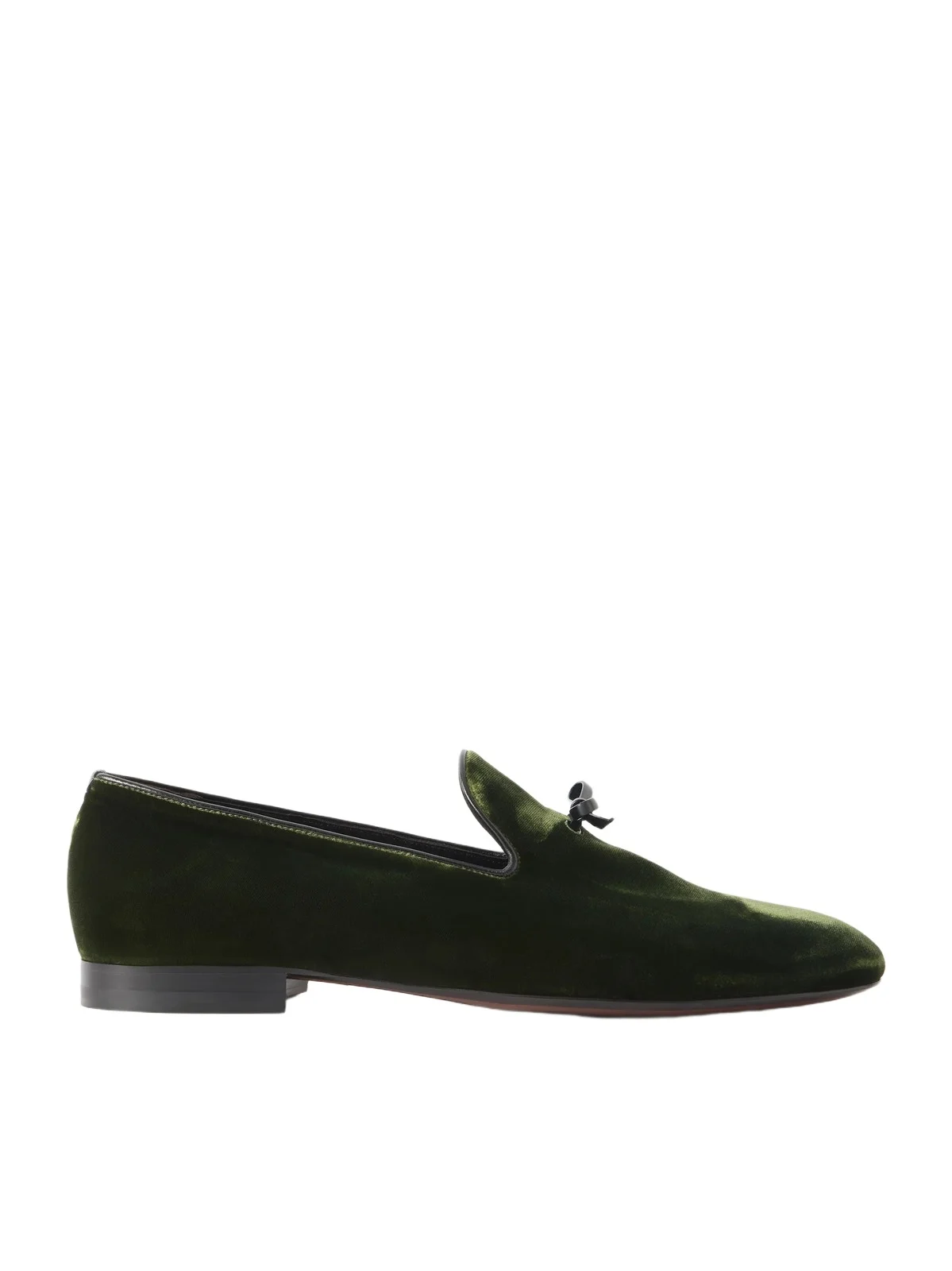
For evening, velvet is the classic material. Strict black tie still calls for patent oxfords; velvet slippers are the accepted alternative for relaxed black-tie evenings at home or at a club, and a patent loafer suits a creative party but not a formal one. Black, bottle green, navy and burgundy velvet all work with a velvet jacket or dark trousers. Keep velvet for dry, car-to-door evenings, and brush the pile the same way after every wear. Our men's holiday party guide covers the rest of black tie.
Velvet slippers and patent loafers for evening


Browse all men's slippers for more evening pairs.
How men's designer loafers are made: Goodyear welt, Blake and moccasin
Two loafers can look alike and wear completely differently, because of how the sole is attached. This is the part of a listing worth reading.
| Construction | How it's built | How it feels | Resoling |
|---|---|---|---|
| Goodyear welt | A leather strip, the welt, is stitched to the upper and insole; the sole is stitched to the welt, with cork filling the space between | Firm at first, then molds to the foot; heavier and more water-resistant | Many times |
| Blake and Blake-Rapid | The sole is stitched straight through to the insole; Blake-Rapid adds a second, stitched sole layer | Light, close to the foot, flexible from day one | Yes, by a cobbler with a Blake machine |
| Moccasin | Soft leather wraps up from beneath the foot; a top panel is sewn on, often by hand | The softest, most glove-like fit | Rarely, on driving soles |
| Turned | The shoe is sewn inside out, then turned right side out | Slipper-soft and very light | Limited |
Alden, the Massachusetts shoemaker behind the tassel loafer, explains the case for the welt on its construction page: stitching the sole to a firm strip of welting rather than to the soft upper gives a stronger attachment point that can be renewed at every resole, and a steadier platform under the foot. Because loafers began as casual shoes, most are Blake or Blake-Rapid stitched, Gentleman's Gazette notes; a Goodyear-welted loafer is a little heavier, and its cork layer makes it more comfortable on long walks.
To tell them apart, turn the shoe over and look inside. A Goodyear-welted shoe shows a row of stitches along the top of the welt, around the edge of the upper. A Blake-stitched shoe shows its stitching on the insole inside the shoe, unless a full leather sock lining covers it. Some Blake shoes add a decorative welt, so check inside before you decide. Choose Goodyear for the pair you will walk in for a decade, and Blake for a sleeker, lighter shoe you will wear hard in summer.
Socks or no socks with loafers?
Let the trousers decide. With tailoring, at the office and whenever it is cool, wear fine dress socks in cotton lisle or merino, long enough that no shin shows when you sit, and match the sock to the trouser so the leg reads as one line into the shoe. With shorts, linen trousers and summer suede, go sockless on the surface: wear no-show liners cut low enough to disappear below the top line of the loafer. Bare feet ruin loafers, because sweat stains and stiffens the lining, and they raise blisters. Two combinations never work: athletic socks, and liners that peek out at the heel. Browse men's socks and underwear for both kinds.
How loafers should fit, and how to break a pair in
A loafer has no laces, so the shoe itself has to hold your foot. When you try a pair on:
- Heel: a little lift at the heel as you walk is normal in new shoes and settles as the leather molds. If the heel lifts out of the shoe, it is too big.
- Instep: the vamp should hold you snugly across the top of the foot. Pain across the instep won't ease; mild pressure will.
- Toes: they should lie flat and clear of the end, with no pinch at the little toe.
- Width: leather gives across the width with wear but not in length, and unlined suede gives the most. Buy for length.
Check the size system on every listing. English makers such as John Lobb size in UK numbers, which usually run about one size below US numbers, so a UK 10 is roughly a US 11, though the conversion varies by maker and last. Italian houses may use Italian, European or US sizes. Ferragamo sells many of its men's loafers in more than one width, marked with letters such as D, E, EE and EEE, and retailers' width charts do not all agree on which letter is standard, so read the chart on the listing you buy from. Some houses recommend a half size down for particular styles, so read the fit note too.
To break a pair in, wear them at home for an evening or two with thin socks, then for short outings before a full day. Put cedar shoe trees in after every wear to draw out moisture and hold the shape, and give leather soles a gentle scuff on a rough surface, or ask a cobbler for a thin rubber sole guard, before you walk on wet marble.
What to wear with loafers: trousers, break and dress codes
Loafers look best with a trouser that ends cleanly. Aim for no break or a slight one, so the hem just touches the top of the shoe; a trouser that pools hides the vamp and makes any loafer look sloppy. Cuffs, or turn-ups, add weight to the hem and suit penny and tassel loafers with flannel. Heavy-soled and chunky loafers need a trouser with some width; slim loafers suit a tapered leg. With jeans, keep the hem clean and dark, and with shorts, keep the loafer soft and unstructured.
On dress codes: a black calf penny or bit loafer is correct with a dark suit for business and most semi-formal events, and a brown suede loafer suits daytime and garden weddings. Strict black tie calls for patent oxfords, velvet slippers belong to relaxed black-tie evenings at home or at a club, and an everyday loafer never goes with a tuxedo. Our guide to what men should wear to a wedding walks through each dress code, and our men's date night guide shows loafers with softer tailoring. For the full collection, see all men's loafers.
How we chose
We built one edit per style from the luxury houses on Vêtir and read each listing for four things before a pair made the cut: the leather, the lining, the sole and the size system. We looked at every product photograph ourselves, except Gucci's, which we matched against the house's own description of the leather, the hardware and the sole, and we dropped pairs whose pictures contradicted their listings, such as a tassel loafer sold as chestnut that photographs black. Each edit is spread across houses and kept to new, full-price stock with a run of sizes where one was available, and nothing in it is pre-owned. To build the outfit around a pair, ask our AI stylist.
Frequently asked questions
Are loafers business casual?
Yes. Penny, bit and tassel loafers in calf or suede are the standard business-casual shoe, with chinos, flannels or tailored trousers and a jacket or knit.
Can you wear loafers with a suit?
Yes, with most suits outside black tie. Choose black or dark brown calf in a penny, horsebit or tassel style on a slim sole, and a trouser with little or no break.
Which is dressier, a penny loafer or a horsebit loafer?
The horsebit. The metal bit makes it the dressiest daytime loafer, while a penny loafer works across a wider range, from suits to jeans.
Should new loafers feel tight?
Snug but not painful. Expect firm pressure across the instep and a little heel lift that settles within a few wears; pinching toes or a sore instep mean the wrong size or shape.
Do you wear socks with loafers?
With suits and in cool weather, yes: fine dress socks that match the trousers. In summer and with shorts, wear no-show liners so the ankle looks bare without damaging the lining.
Can loafers be resoled?
Goodyear-welted and Blake-stitched loafers can be resoled by a good cobbler, the welted kind many times. Driving shoes and turned slippers usually can't be resoled in the same way, so replace their heel tips early.
Keep reading
- The best designer loafers for women
- What men should wear to a wedding
- Men's holiday party outfits, from black tie to cocktail
- The best linen shirts for men
- Men's fall outfits