The Best Designer Loafers for Women, and How to Buy a Pair That Fits
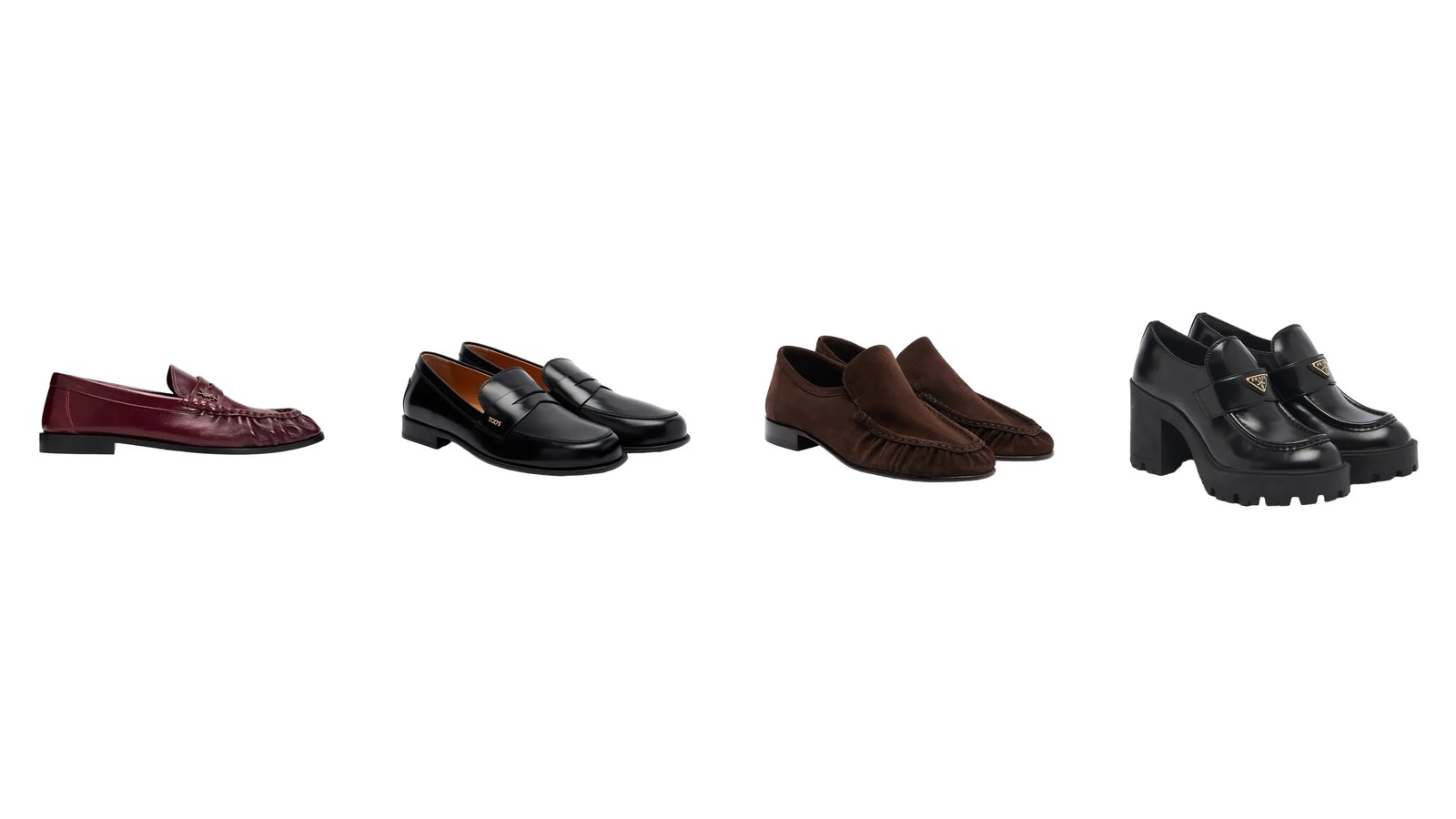
The best designer loafers for most women are a penny or horsebit loafer in dark, smooth leather on a slim sole. It works with trousers, jeans, skirts and opaque tights, and it looks right from September to May. From there, add a lug or platform sole for wet sidewalks, a soft suede pair for travel and weekends, and velvet for evenings. The houses to know: Gucci for the horsebit; Tod's and Saint Laurent for penny loafers; Ferragamo for the Gancini bit; The Row, Khaite and Toteme for quiet leather; Prada and Miu Miu for lug soles. Below: how each style of women's loafers wears, how to convert Italian and French sizes, how a new pair should fit, and how to look after leather and suede. If you are still deciding whether the shoe is for you, start with our look at whether loafers are in style.
The best designer loafers, style by style
In the twelve months to September 2026, the body-and-fit request people typed to our AI stylist most often was comfort or walkability, in words like "no heels" and "flat shoes", ahead of petite and modest fits. Walkability is the loafer's great strength: the vamp covers more of the foot than a ballet flat, so it stays on at a stride. The styles differ in how dressed-up they look and in what they can handle underfoot.
| Style | What defines it | Wear it with | Buy it if |
|---|---|---|---|
| Penny | A leather strap across the vamp with a slot cut into it | Trousers, jeans, pleated and midi skirts | You want one pair that goes with everything |
| Horsebit and bit | Metal hardware across the vamp | Tailoring, dark denim, midi skirts | You want the shoe to do the dressing up |
| Lug-sole and platform | A deep-tread rubber sole, often raised | Straight and wide trousers, skirts with tights | You walk on wet or icy sidewalks |
| Tassel | Leather tassels on a lace across the vamp | Flannel trousers, cropped jeans, kilts | You like a softer, preppier shoe |
| Soft moccasin and Venetian | A plain vamp and very little structure | Travel, weekends, relaxed tailoring | Comfort and packability come first |
| Backless | A loafer front with an open heel | Cropped trousers, slip skirts | Your day involves short distances |
Backless loafers are gaining ground: Trendalytics' 2026 footwear report, published in August, lists loafer mules among the hybrid shoes with rising search volume. They are easy at a desk, but nothing holds the heel on a slippery sidewalk, so keep them for dry days and short distances.
Penny loafers: the pair to buy first
The penny loafer is an American classic with Norwegian roots. G.H. Bass introduced its Weejun in 1936, a loafer modeled on the moccasins of Norwegian farmers and named with a shortening of "Norwegian"; the "penny loafer" nickname followed in the 1950s and 1960s, when students tucked coins into the diamond-shaped cutout in the strap, according to Bass's own history of the Weejun. It is still the most useful loafer you can own because the strap is the only detail, so it never competes with the rest of the outfit.
Buy smooth black or dark brown calf first, on a slim sole that sits neatly under a trouser hem. Make suede your second pair, and burgundy your third: it reads as a neutral with navy, gray and camel.
- Black penny loafers, straight black trousers cropped at the ankle, a gray crewneck and a camel coat.
- Burgundy penny loafers, dark indigo jeans, a cream cable knit and a navy peacoat.
- Brown suede penny loafers, a gray flannel midi skirt, a camel knit and brown opaque tights.
The best penny loafers
 Tod'sLeather penny loafers$792
 Saint LaurentLe Leather YSL Penny Loafers$1,200
 Gianvito RossiGeorgie suede penny loafers$995
 Manolo BlahnikPerrita Leather Penny Loafers$995
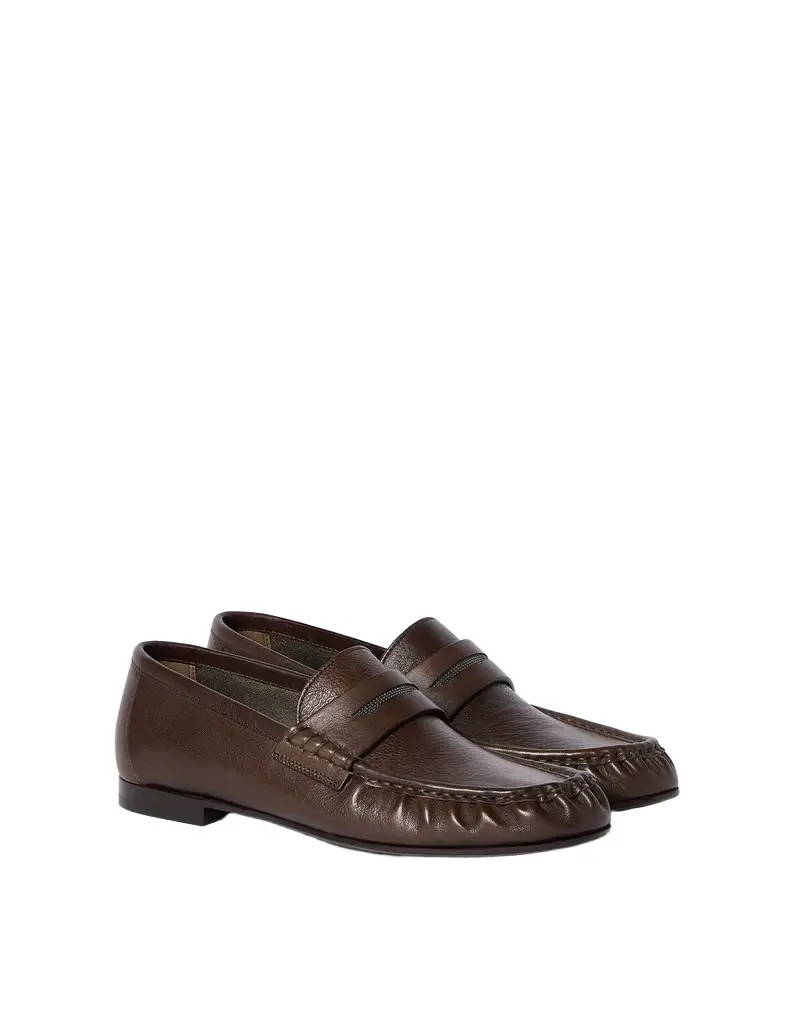 Brunello CucinelliRiding calfskin penny loafers$1,700
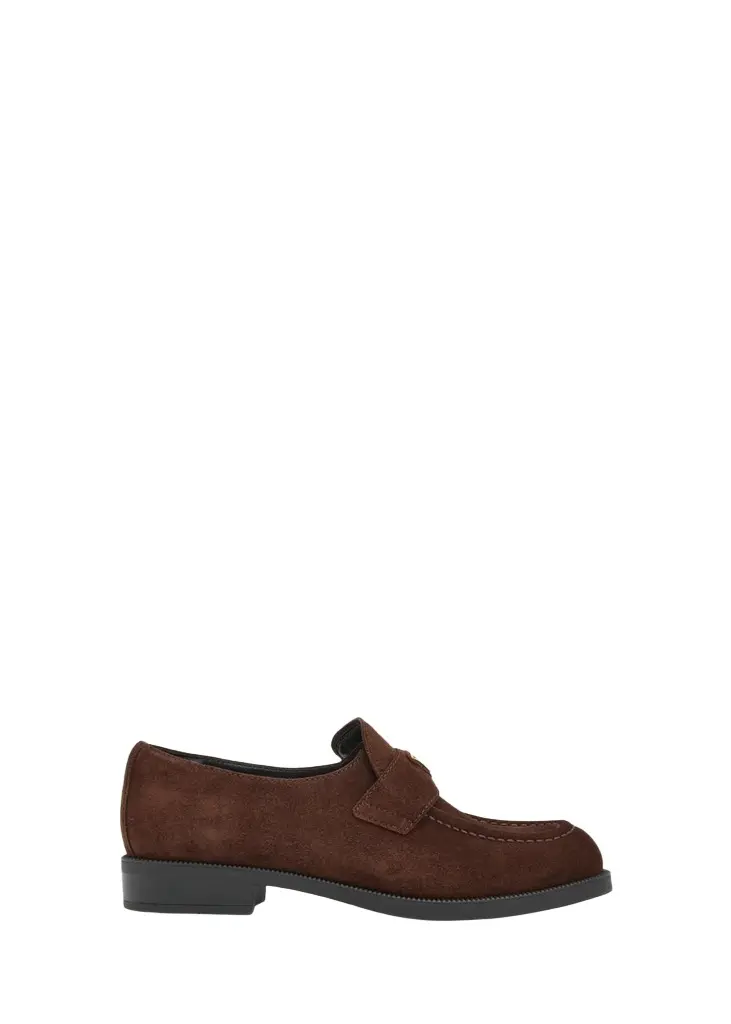 PradaTriangle Logo Suede Penny Loafers$1,270
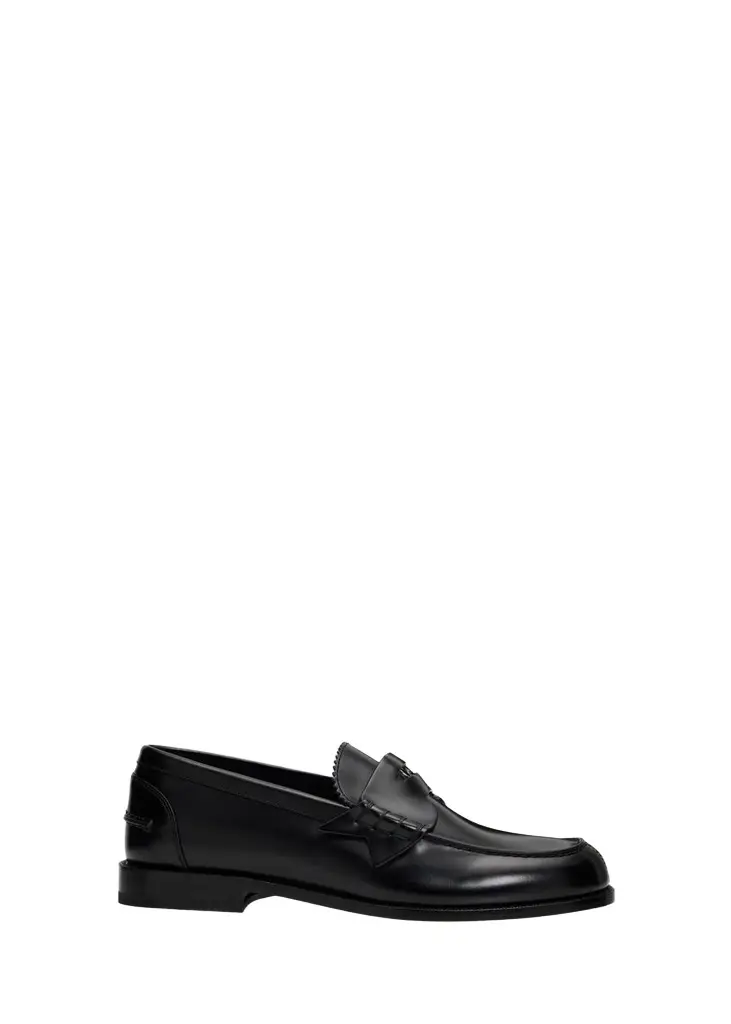 Christian LouboutinThe Plato Leather Penny Loafers$1,195
Horsebit loafers, from Gucci and beyond
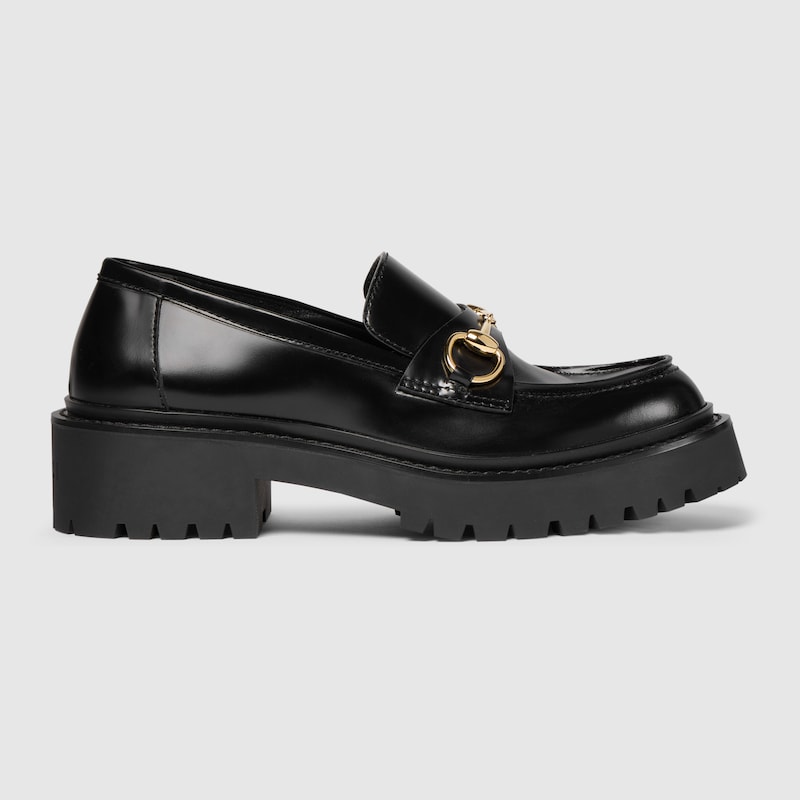
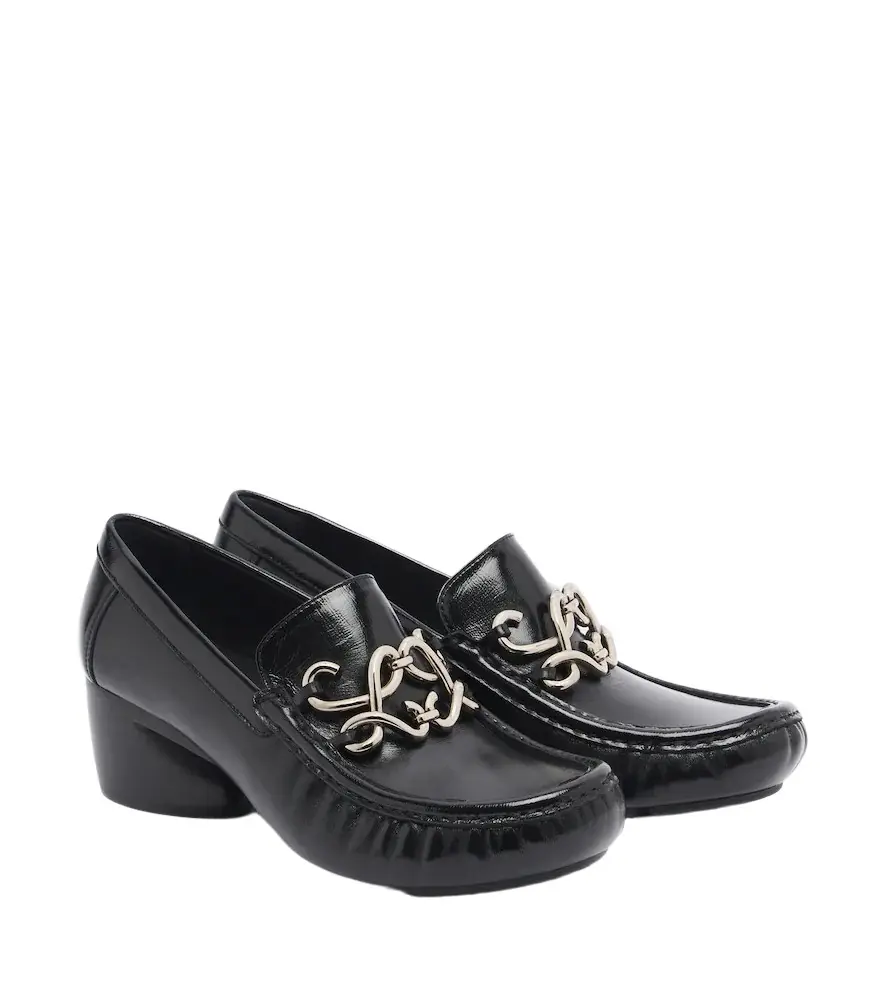
Gucci loafers are the reference point for hardware. Gucci launched its Horsebit loafer in 1953, the year it opened its first store in New York, according to its parent company, Kering. The Horsebit itself, a double loop joined by a bar, is still the house's signature, and Gucci now puts it on flat leather loafers, on suede and on rubber lug soles. Choose by sole: the flat, slim version for tailoring and the lug for winter sidewalks.
Other houses have their own signatures. Ferragamo's Gancini is a horseshoe-shaped hook, Tom Ford uses a T-shaped bar, Bottega Veneta a sculpted knot, Valentino its V and Roger Vivier its square buckle. Treat the hardware as jewelry: gold-tone with gold earrings and watch, silver-tone with silver. When you try a pair on, walk a few steps on carpet; the hardware should sit flat and not press into your instep.
- Black horsebit loafers, charcoal wide-leg trousers, a white poplin shirt and a black blazer.
- Brown horsebit loafers, dark straight jeans, a navy blazer and a striped shirt.
- Black bit loafers with a pleated midi skirt, a fine black turtleneck and sheer black tights.
The best horsebit and bit loafers
 FerragamoWomen's Soldy Gancini Leather Loafers$895
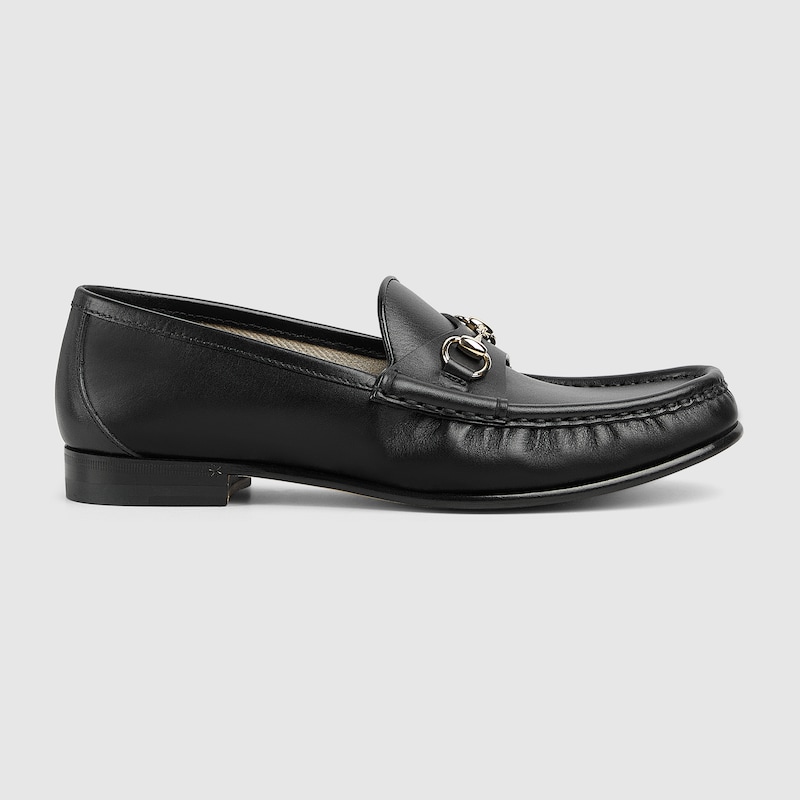 GucciHorsebit 1953 Loafer$1,090
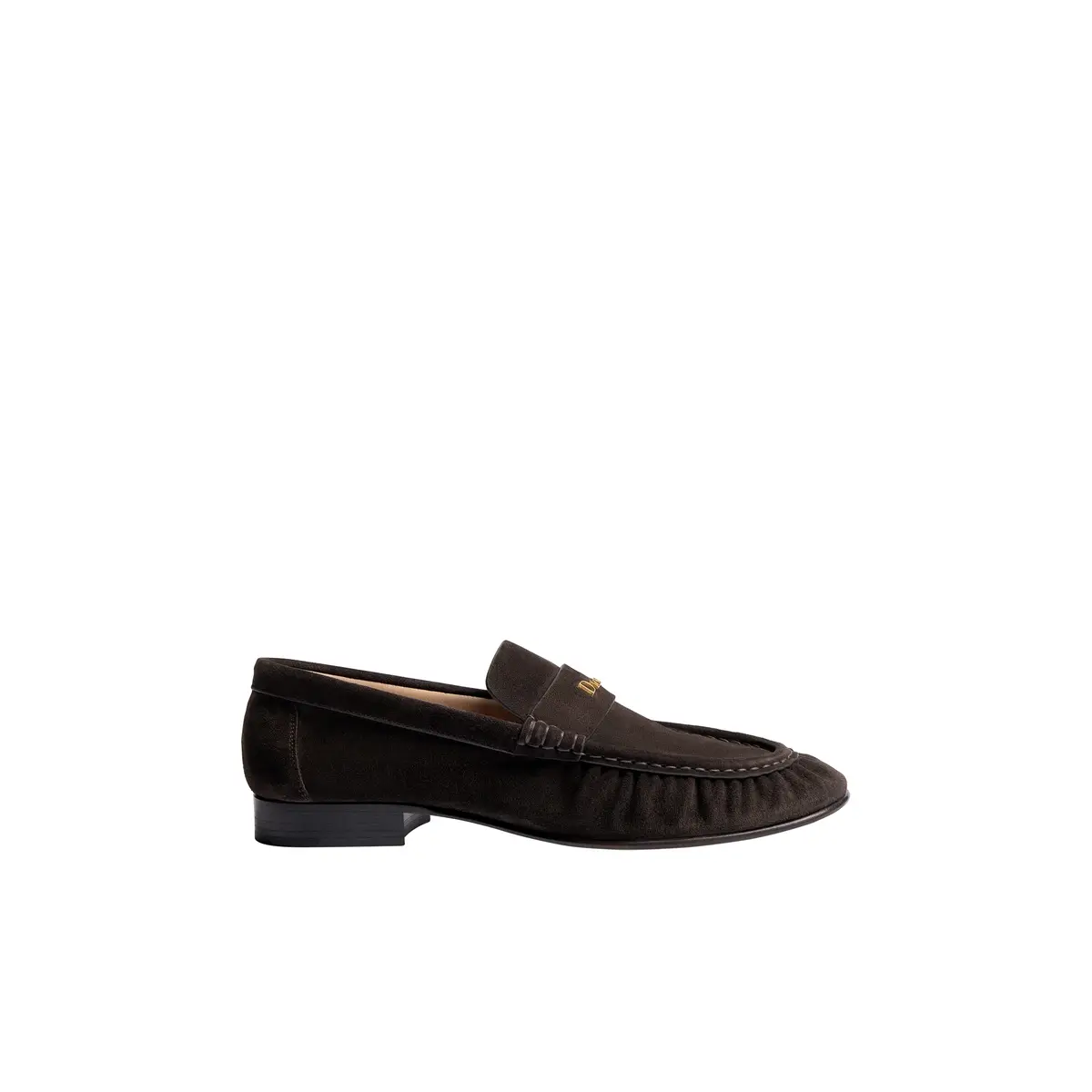 DiorDior Tailor Loafer$1,150
 Tom FordWomen's Leather Bit Loafers$1,190
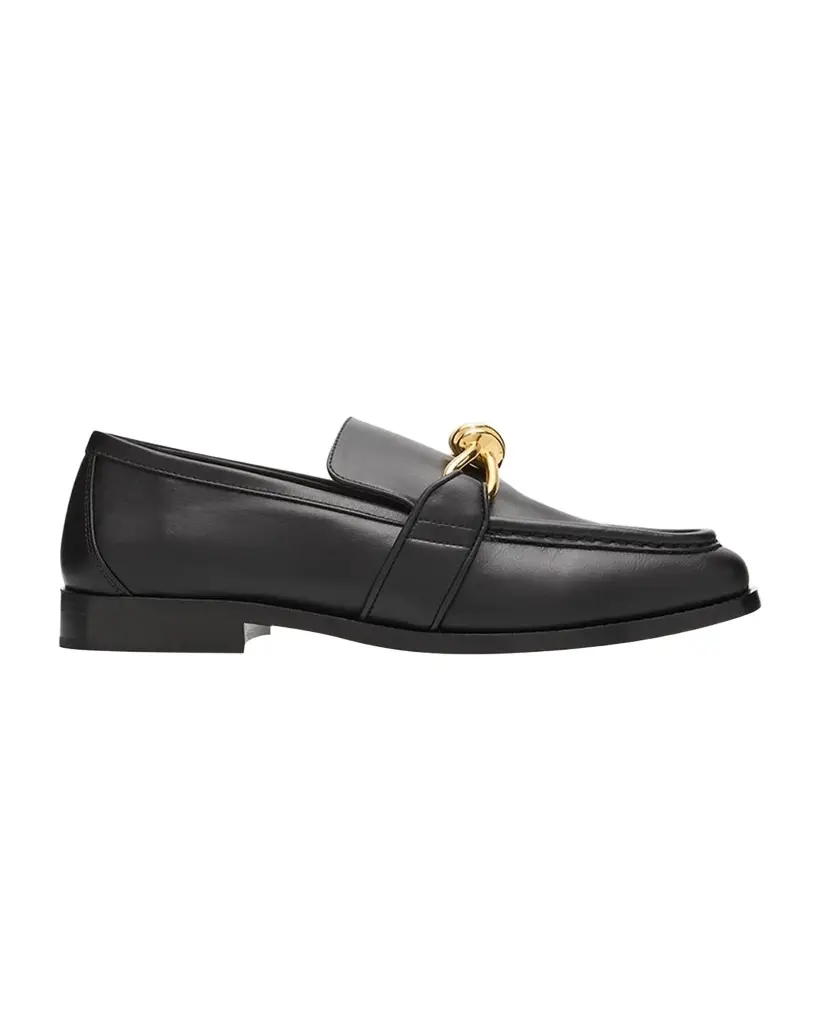 Bottega VenetaAstaire Metal-Knot Leather Loafers$1,200
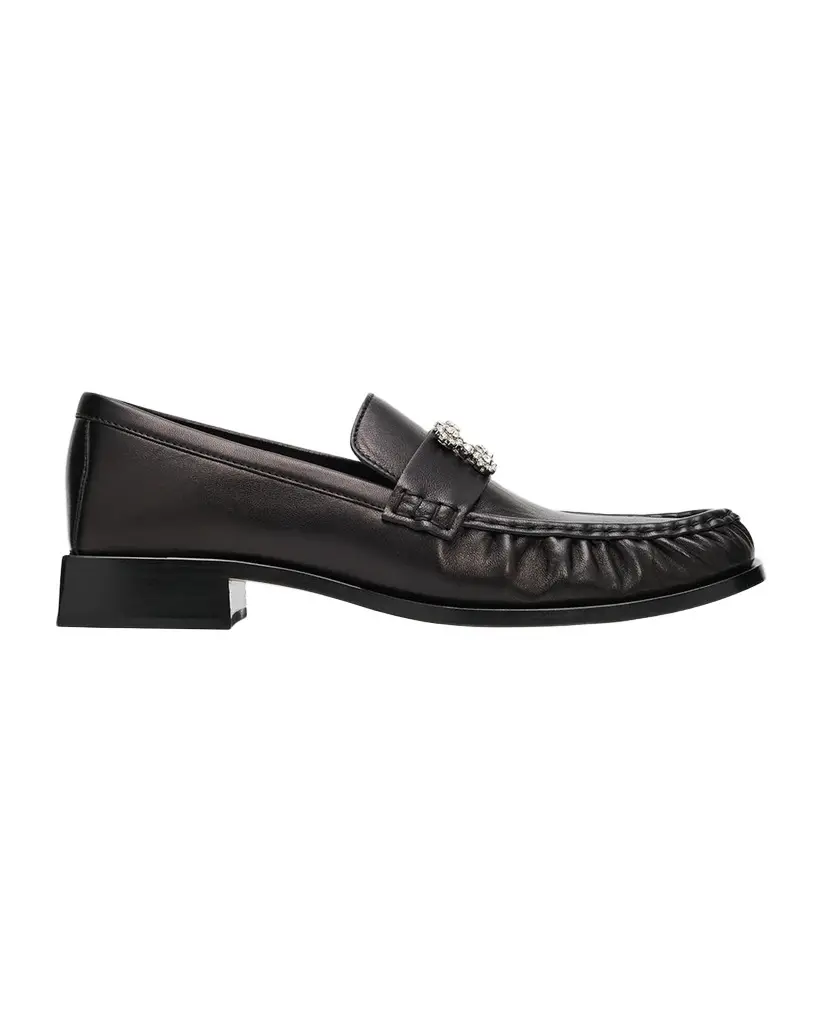 Roger VivierEmbellished Buckle 25MM Leather Loafers$1,625
 Valentino GaravaniVLogo leather penny loafers$1,070
Lug-sole loafers for winter
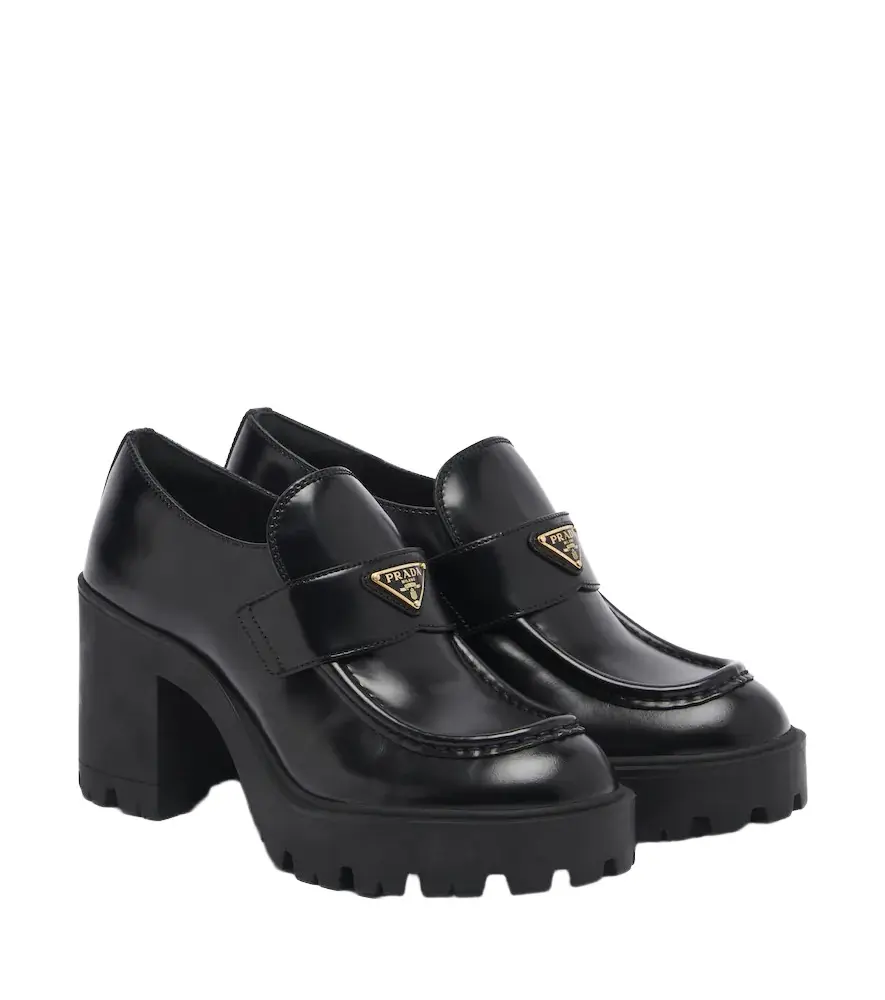
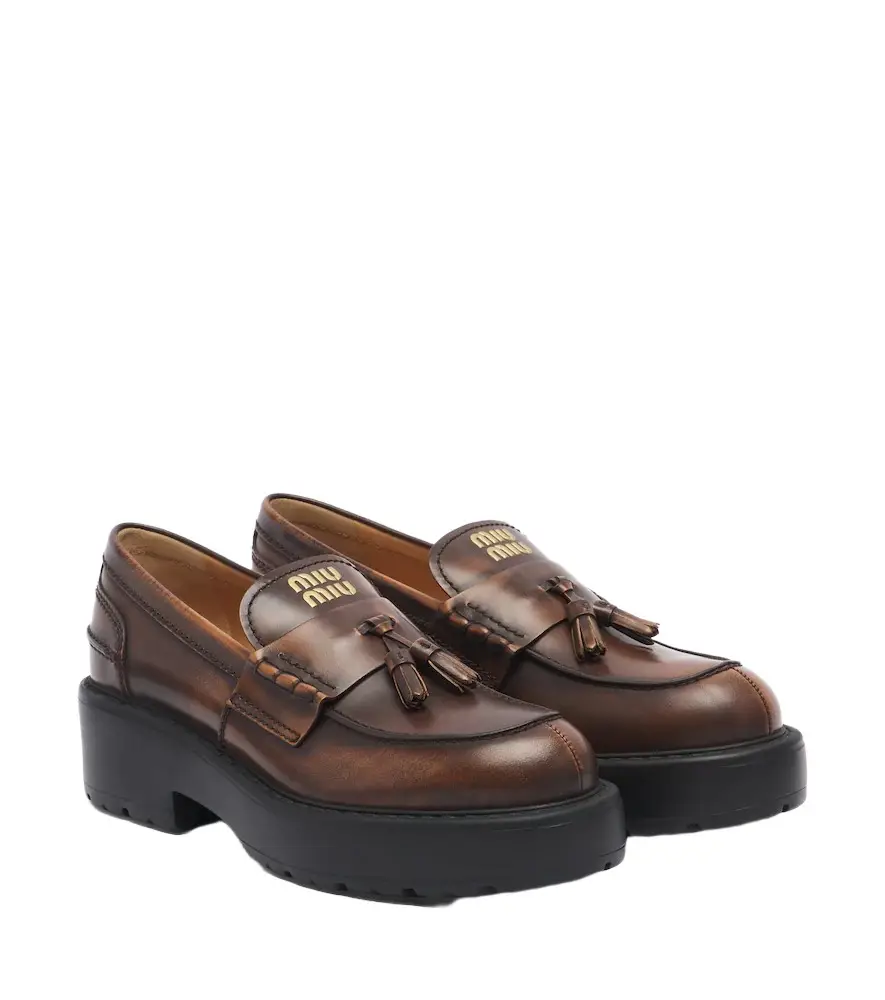
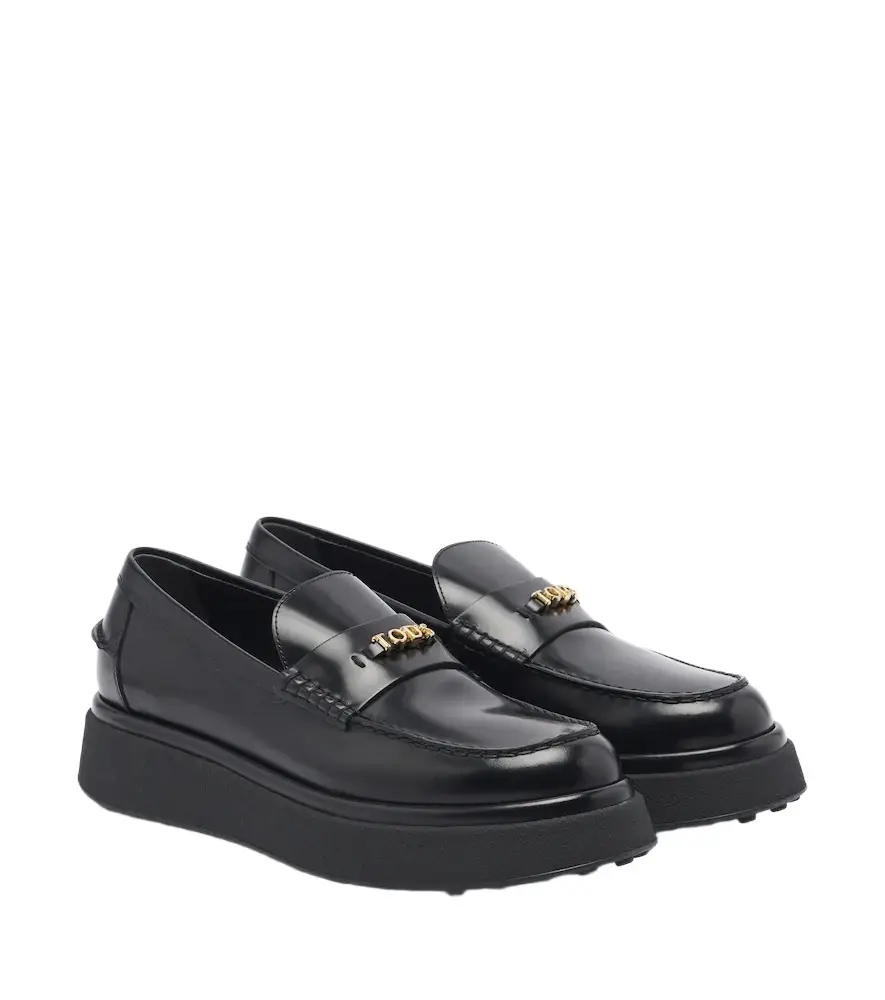
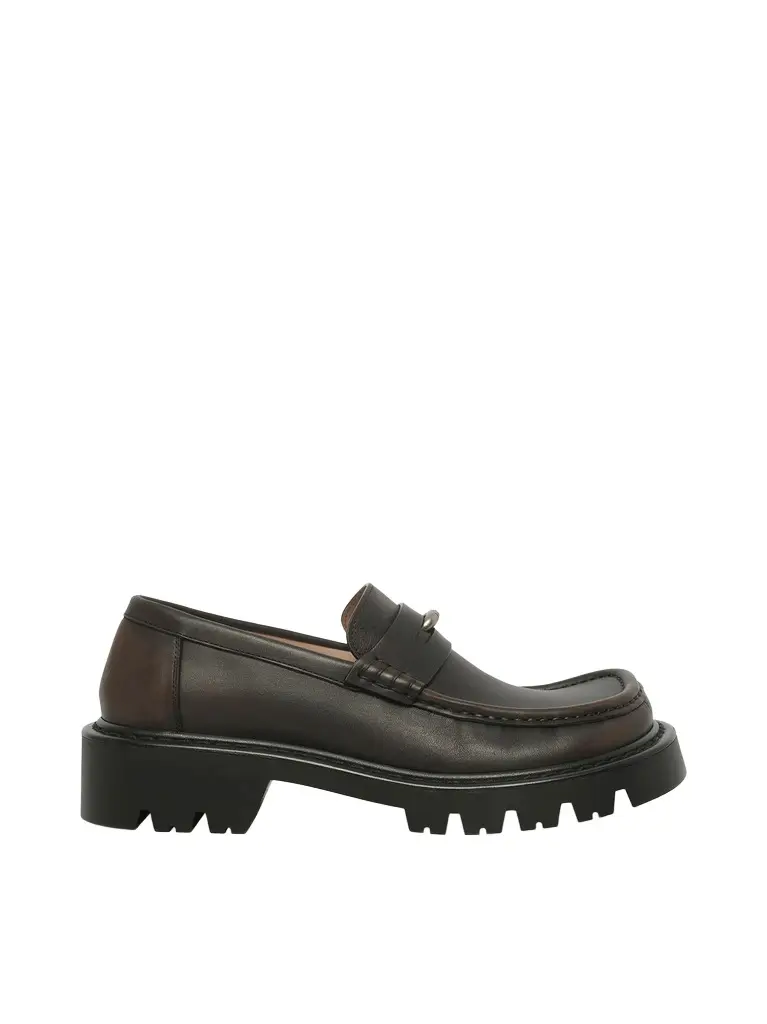
A lug sole is a deep-tread rubber sole, and it has made lug-sole loafers a winter staple: the tread grips wet leaves, rain and slush far better than leather, and the extra thickness keeps your feet off cold, wet ground. Prada and Miu Miu have made chunky loafers a house signature; Gucci, Ferragamo and Tod's now offer lug soles on classic uppers.
Two things to check. First, the heel: a lug loafer can be almost flat or sit on a tall block with a platform, and the listing will give the height. Second, proportion: a heavy sole needs trousers with some width, or a hem that stops above the ankle. With slim, full-length trousers the shoe looks bigger than it is.
- Black lug loafers, straight cream wool trousers, a black crewneck and a long black coat.
- Brown lug loafers, a dark denim midi skirt, brown opaque tights and a camel knit.
- Black platform loafers, wide-leg gray flannel trousers and a white shirt, for the office.
The best lug-sole and platform loafers

The Row loafers, and other quiet pairs
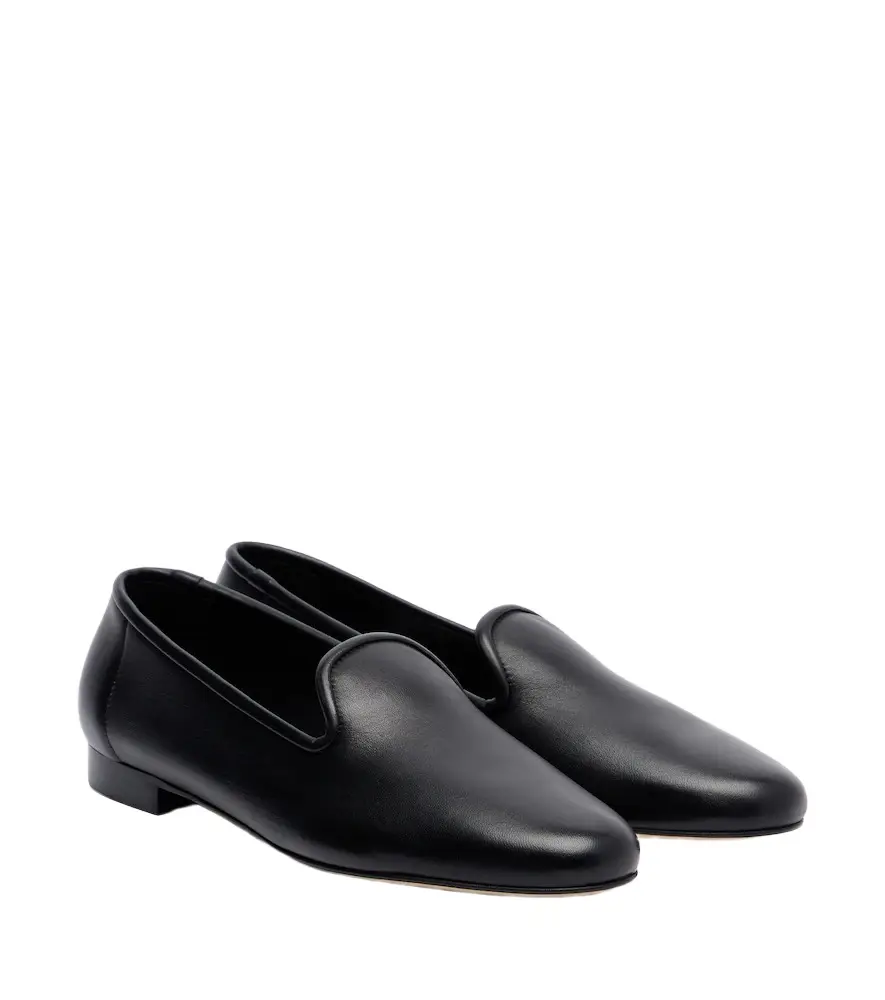
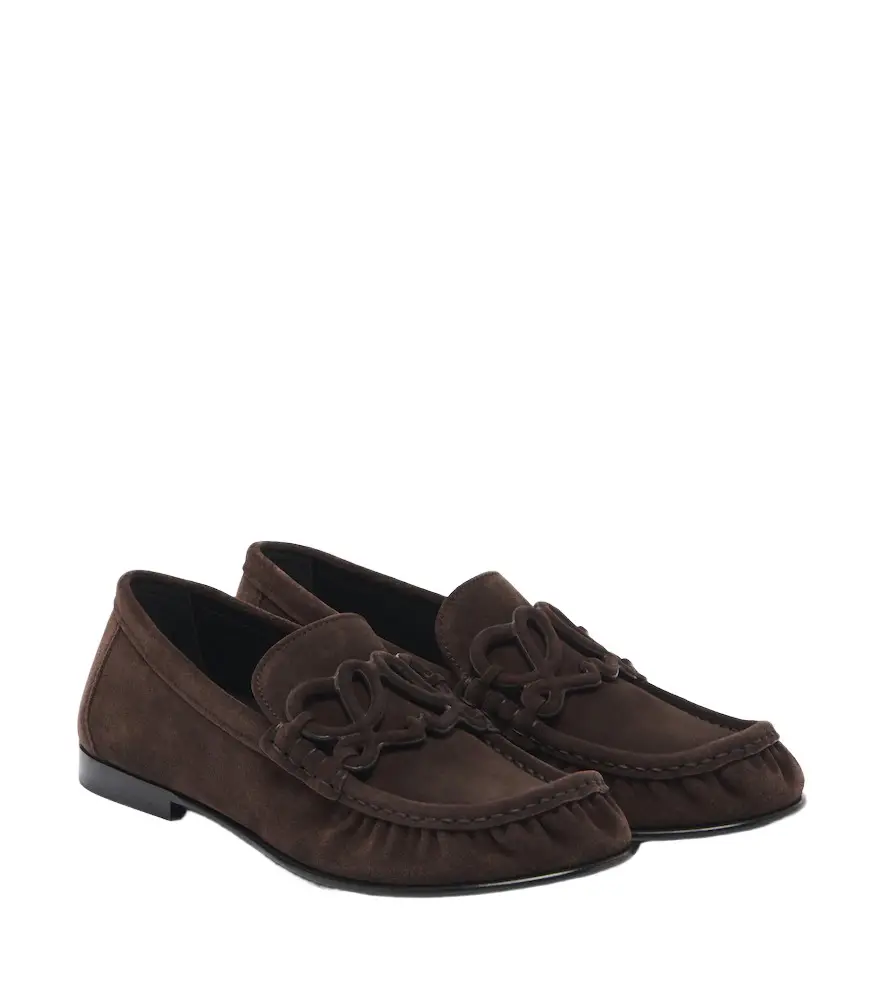
The Row loafers are the opposite of a hardware loafer: soft calfskin or suede, moccasin toes, gathered vamps, and little or no metal. They look best slightly worn in, and they suit the long, loose shapes the house is known for: wide trousers that break over the shoe, a long coat, a fine knit. Khaite, Toteme, Celine and Loewe make pared-back pairs in the same spirit, and all of them sit well with jeans.
That gathered toe is the detail of the moment. The same Trendalytics report recorded 232% year-on-year search growth for ruched loafers, and a softly gathered vamp is the quiet way into the trend. Soft, unstructured loafers stretch more than stiff ones, so buy them snug.
- Dark brown suede loafers, wide-leg ivory trousers, a camel crewneck and a long brown coat.
- Black calfskin loafers, straight light-wash jeans, a white T-shirt and a black blazer.
- Soft suede loafers for a flight: they slip off at security and pack flat.
The Row loafers and other quiet pairs


Shearling-lined loafers for cold days
A shearling-lined loafer surrounds the whole foot with sheepskin wool, so it is far warmer than an ordinary loafer without the height of a boot, and it is the most comfortable winter shoe for errands, travel and a cold office. Wear it without socks or with thin ones; the lining is the insulation. Because shearling packs down with wear, the first fit should feel snug rather than roomy. Most shearling loafers are suede outside, so protect them before the first wet day and choose a rubber sole if you walk to work.
- Brown shearling loafers, dark straight jeans, a gray cashmere hoodie and a camel coat.
- Black shearling-lined leather loafers, black wide-leg trousers and a long black knit.
The best shearling-lined loafers
 The RowLeo shearling-lined leather loafers$1,750
 Miu MiuShearling-lined leather penny loafers$1,390
 PradaShearling-lined suede loafers$1,300
 Bottega VenetaAstaire Suede Shearling-Lined Knot Loafers$1,200
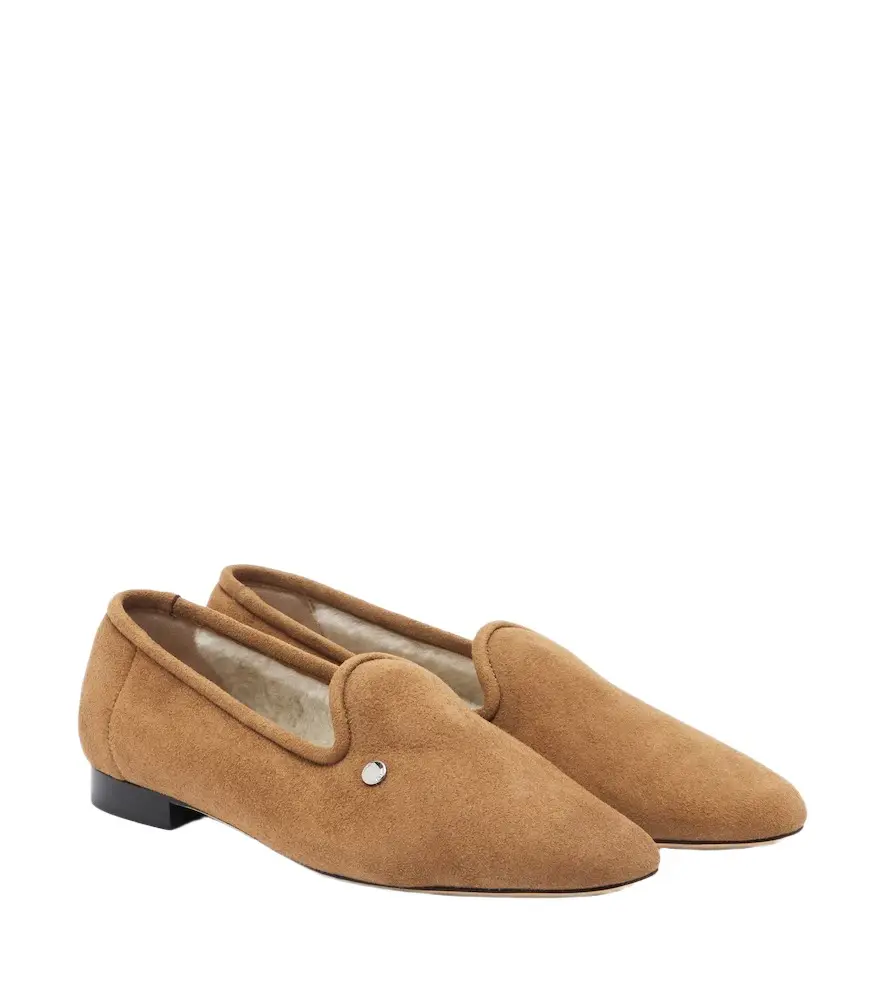 TOTEMEShearling-lined suede loafers$770
 Valentino GaravaniVlogo 25 Shearling-lined Suede Loafers$1,100
Velvet and tassel loafers for the holidays
Velvet is the evening loafer, and it is the easiest way to wear flats to a party without looking underdressed. Black is the formal choice; burgundy, purple and leopard velvet are the festive ones. Wear velvet loafers with tuxedo trousers, with a satin slip skirt and sheer tights, or with a sequined midi skirt and a cashmere knit. Velvet crushes and spots in the wet, so keep it for car-to-door evenings and brush the pile back up after wear.
The tassel loafer is softer and preppier than a penny loafer. It looks best with flannel, tweed and cropped trousers that show the tassels, and a tassel in velvet gives an evening pair a little movement.
The best velvet and tassel loafers
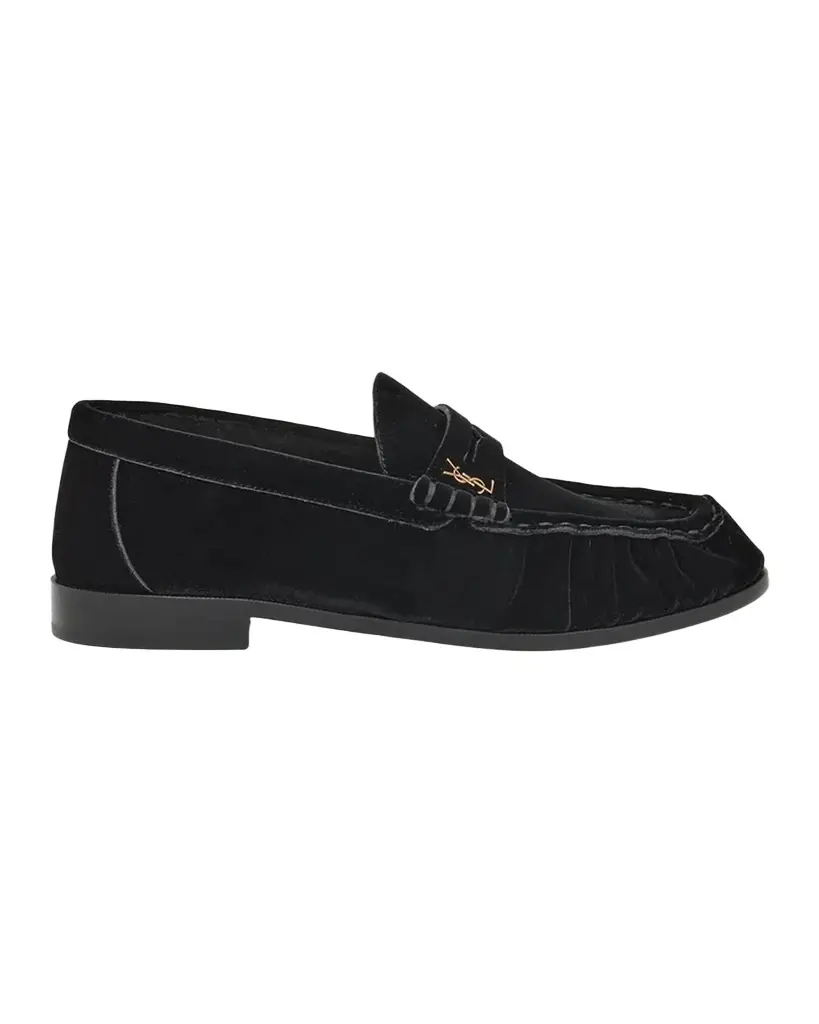


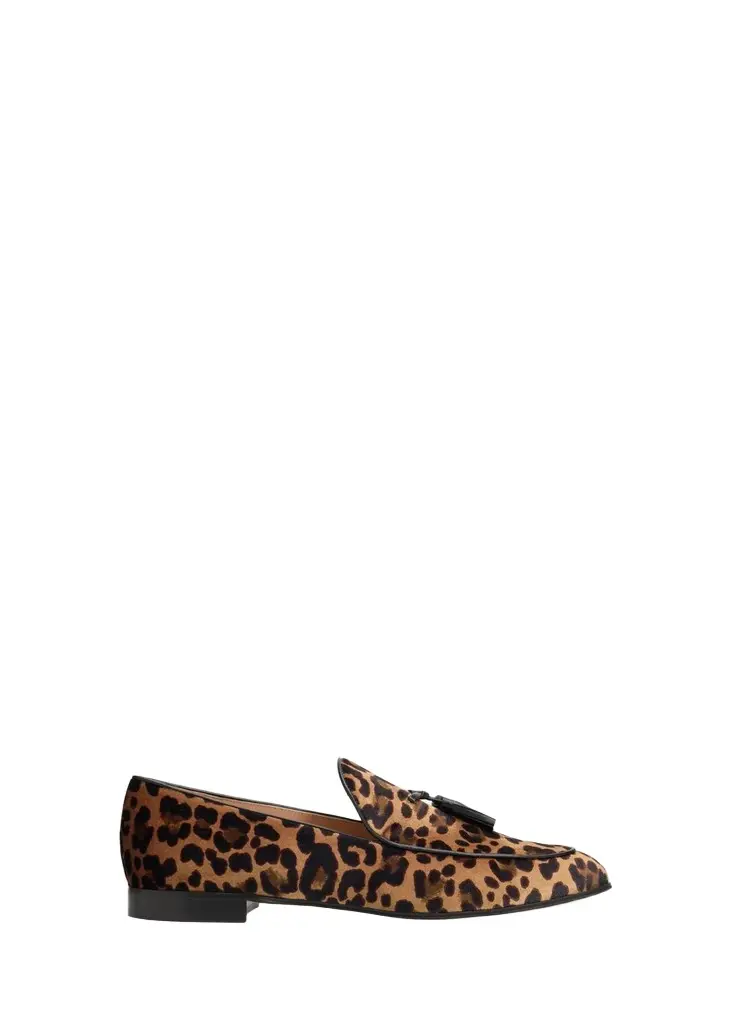


How designer loafers should fit, and how to convert EU sizes
A loafer has no laces, so the fit has to hold the foot on its own. The fitting guide from the English shoemaker Crockett & Jones sets out the essentials:
- Comfortable from the first try-on. Shoes that fit are comfortable from the moment you put them on. Snug is right; painful is not, and wearing a pair in will not fix pain.
- A little heel slip is normal. New shoes slip slightly at the heel, and it reduces as the leather molds to your foot.
- No finger behind the heel. If you can fit your index finger between your heel and the back of the shoe, it is too big.
- Toes clear of the end. Your toes should not touch the front.
The same maker's advice on fitting adds three rules of thumb that matter most in a loafer. Heel slip in a new pair can simply mean the loafer has not been broken in; what you want to avoid is a big gap at the heel. Let the strap follow your instep: a strap set low on the vamp can work for a high instep, while a strap set high holds a low instep in place. And because an unlined shoe has no lining to take up room, go down half a size.
Leather gives in width over time, not in length, so buy for length and accept a snug width. Suede and soft calf give more than polished or patent leather. Try shoes on in the afternoon, when your feet are at their largest, and with the socks or tights you will wear.
Then there are the numbers. Most designer loafers are sized in European units, and Italian and French sizes are not the same. Khaite's size guide converts an Italian 36 to a US 6 and an Italian 37 to a US 7, and lists the French equivalent of that Italian 37 as a 38. Check which system a house uses before you convert, and between half sizes, try both: a laceless shoe has nothing to take up the slack, so the smaller one often wins if your toes still have room.
Look at the sole as well. Leather soles look sleek but slip on wet sidewalks; a cobbler can add a thin rubber sole protector without changing the look.
How to care for leather and suede loafers
- Shoe trees. Put wooden shoe trees in after every wear, unvarnished cedar if you can; they absorb moisture and keep the vamp from creasing deeply.
- Rest. Rotate pairs so each gets a day to dry out.
- Drying. Let wet loafers dry at room temperature, stuffed with paper or on trees, never on a radiator; heat cracks leather.
- Suede. Treat with a suede protector before the first wear, and brush with a crepe or rubber suede brush to lift the nap after each outing.
- Leather. Clean, then feed with a cream a few times a season, and polish the toe and heel where scuffs show first.
- Soles. Replace worn heel tips before the wear reaches the heel block, and resole a leather sole before it wears through.
Once your loafers are in your Vêtir closet, our AI stylist can build outfits around them for the week ahead.
How we chose
We chose from houses on Vêtir's luxury list, confirmed that each pair was in stock in a run of sizes, and checked each listing for the color, sole and hardware it describes. We grouped them by how you will wear them (penny, hardware, lug, quiet, shearling-lined and evening) and spread each group across houses. For more flats, browse all designer loafers on Vêtir, and pair them with trousers or skirts.
Frequently asked questions
Are designer loafers comfortable for walking all day?
A well-fitted pair on a rubber or lug sole is one of the most comfortable city shoes there is. Leather-soled loafers are comfortable too, but they are slippery in the wet, so add a rubber sole protector if you walk a lot.
Should new loafers feel tight?
Snug, not tight. They should feel comfortable on the first try-on, with a little heel slip that settles as the leather molds to your foot. Pinching across the toes will not go away.
Do you size up or down in loafers?
Neither by default. Convert carefully, because Italian and French sizes differ, then choose the half size that holds your heel with your toes clear of the end. Between half sizes, the smaller one is often right in a laceless shoe, and in an unlined pair.
Can you wear loafers in winter?
Yes. Choose a lug or rubber sole for wet and icy sidewalks, a shearling-lined pair for cold days, and wear them with wool socks or opaque tights.
What do you wear with loafers and a skirt?
A midi skirt with opaque or sheer tights is the easiest combination. Match the tights to the loafers (black with black, brown with brown) to lengthen the leg.
How much do designer loafers cost?
From the houses in this guide, most leather loafers cost roughly $700 to $1,500 at full price; lug soles, shearling linings and exotic finishes push the price higher.