How to Wear a Slip Dress in Winter: The Layering Formulas That Work
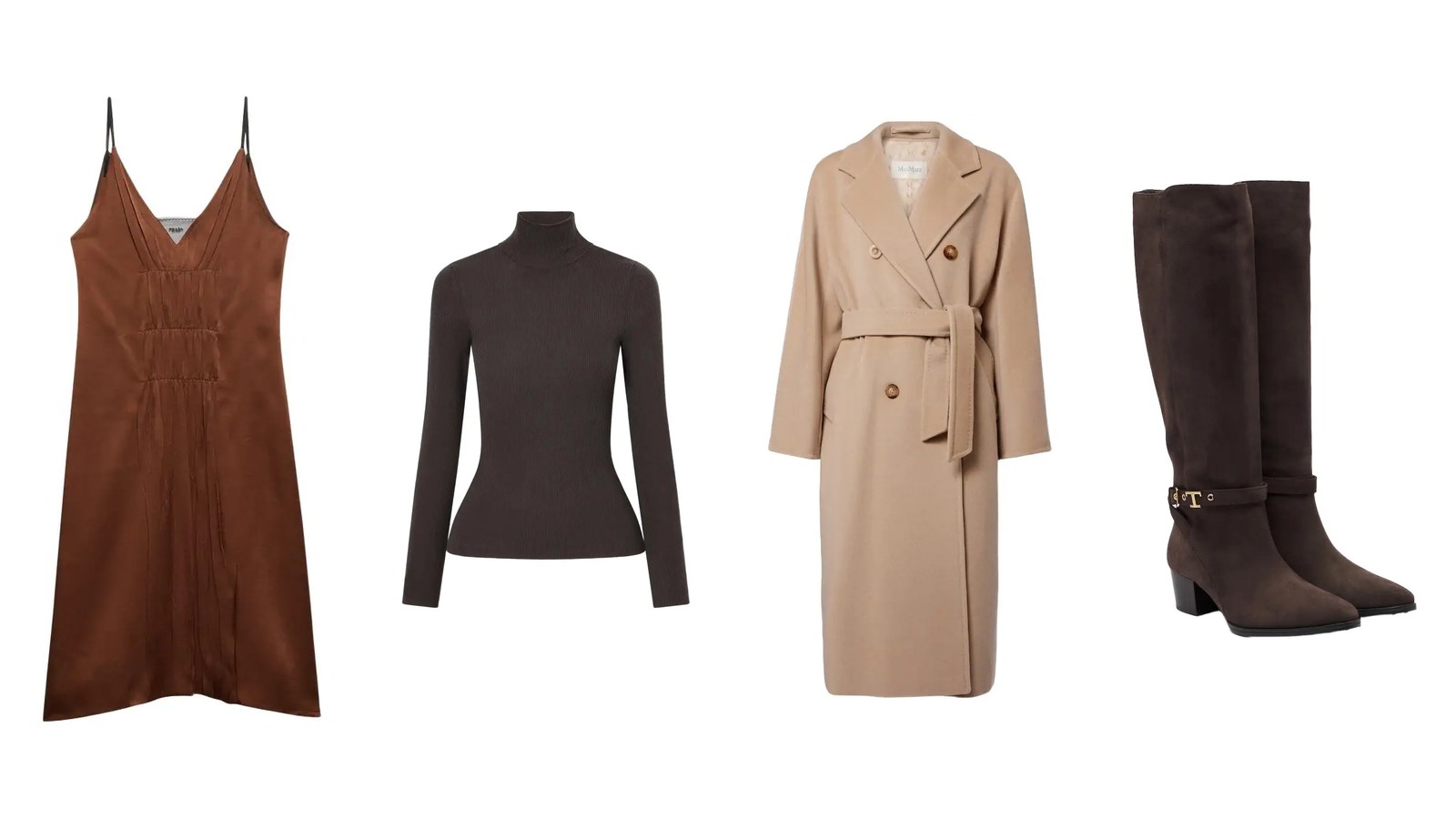
To wear a slip dress in winter, start with a heavier one: satin-back crepe, a dense silk satin or a cashmere knit, cut midi or longer. Put a fine-gauge turtleneck under it or a cropped sweater over it, choose semi-opaque to opaque tights (about 30 to 60 denier), and wear knee-high boots tall enough that the hem always overlaps the shaft. Finish with a coat that is longer than the dress, or a jacket that stops well above it. Those five decisions do most of the work. The rest is proportion and color.
Below, our styling editors take each step in turn: which slip fabrics survive layering, the knit-under and knit-over formulas, the tights and boots that keep the line unbroken, the coat-length rule, outfits by occasion, and how to look after silk through a dry, static-prone winter. Every piece in the edits below is from a top luxury house and was in stock in US sizes when we chose it.
How to wear a slip dress in winter: start with the fabric
After denim, silk and satin were the fabrics people named most often in requests to our AI stylist over the past year, and in winter the fabric decides whether a slip works at all. A summer slip is often light charmeuse, and it fails in December for two reasons. It clings to whatever is underneath, so every seam of a sweater shows through, and it has too little weight to hang cleanly over tights and boots. For winter, look for one of these instead.
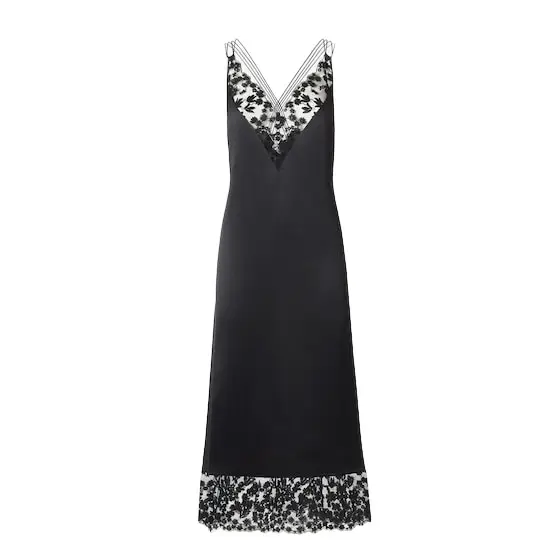
- Satin-back crepe. A double-faced cloth, glossy satin on one side and matte crepe on the other. It is heavier and more opaque than charmeuse, so a fine knit underneath does not show, and it skims the body instead of clinging to it. Tom Ford cuts its strappy maxi slip from satin-back crepe on the bias, and Prada's midi slip uses a satin crepe in acetate and viscose.
- Heavier silk satin. Silk is weighed in momme: the higher the number, the denser and more opaque the cloth. Few houses publish the figure on a product page, so judge by eye. A slip that falls straight and holds its line on the hanger will hang over tights; one that collapses into ripples will cling to them.
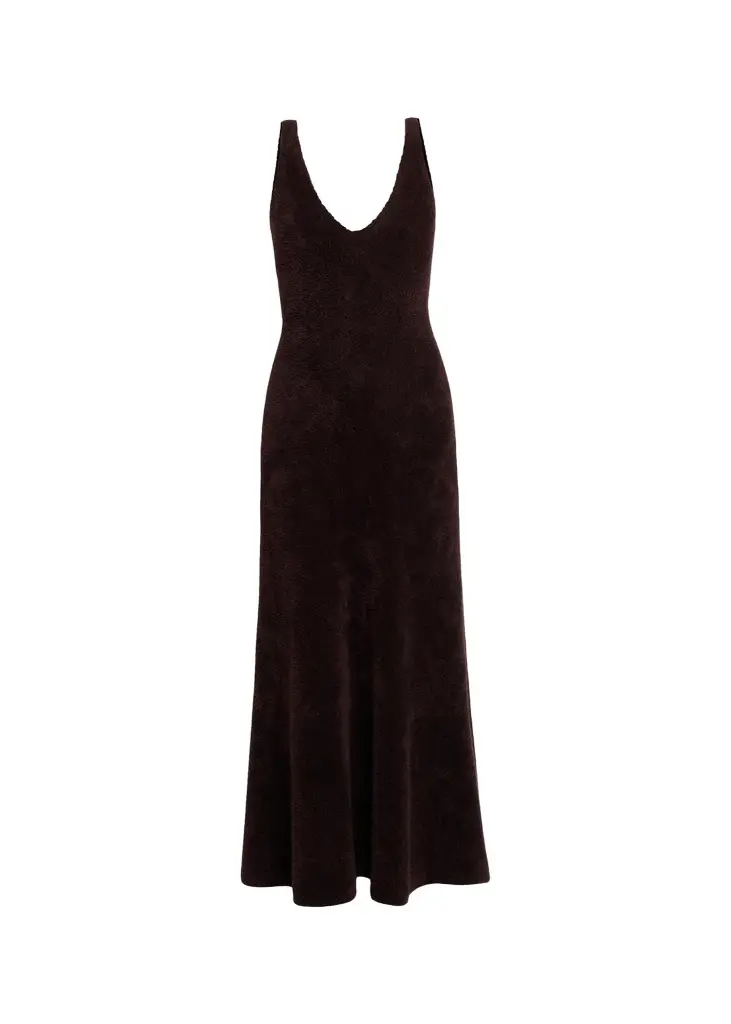
- Knit slips. The only slips that are properly warm. Gabriela Hearst makes hers in a cashmere-silk plush knit and The Row in pure cashmere. They wear like a sweater and read like a slip, so they need fewer layers.
- Velvet. The richest-looking winter option, and firmly evening. Velvet is one of the ten leading trends in Tagwalk's fall/winter 2026 womenswear ranking, alongside high necks and slits: a fair description of a velvet slip with a side slit, worn over a turtleneck. Our velvet dress guide covers silk velvet versus cotton velvet.
Mind the bias cut. Many slips are cut on the bias, diagonally across the grain of the fabric. The V&A credits Madeleine Vionnet's couture house with championing the technique in the early 1920s to produce a draped silhouette that clings naturally to the body. That cling is the point in July and the problem in January: a bias slip stretches over everything underneath it. If you plan to layer a knit beneath, buy the size that sits easily over the hips rather than the one that hugs them, or choose a straight-cut slip. Plan alterations with care too. A tailor will usually let a bias-cut dress hang before marking the hem, because the bias drops.
Length and color. Midi to ankle length is the easiest in cold weather: the hem covers the top of a knee boot and there is less leg to keep warm. A mini slip needs opaque tights and a knee boot to look deliberate in December. For color, deep shades such as chocolate, oxblood, bottle green and black look seasonal against wool and cashmere. Pale satin works in winter when everything around it is also pale: ivory knits, a cream coat and bone or taupe boots.
Slip dresses with enough weight for winter


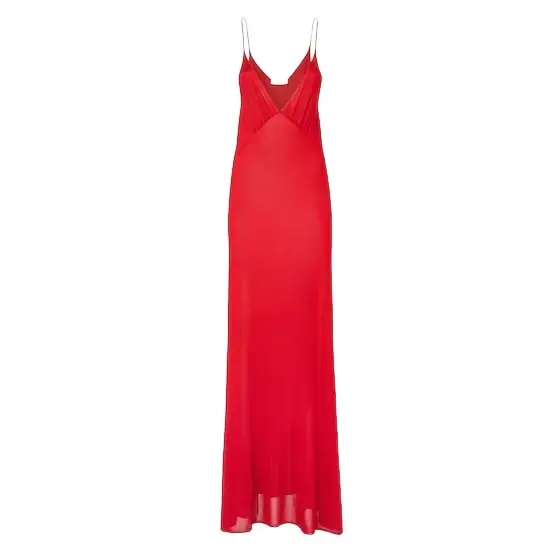

If you run cold: knit slip dresses
For commutes on foot, drafty offices and anyone who feels the cold, skip the fabric debate and buy a knit slip. A cashmere or cashmere-silk slip layers under a coat with nothing more than tights, and it takes a cardigan as easily as a sweater would. Look for a knit dense enough that it does not bag at the seat after a long dinner; a fine rib or a plush knit keeps its shape better than a loose, open one.
Knit slip dresses for real cold


Layering a slip dress with knitwear: under, over or both
Knitwear decides whether a slip reads as office, weekend or evening. Three rules keep it clean: whatever goes under must be thin, whatever goes over must be short or open, and the contrast between satin and knit should look chosen. These four formulas cover most winter days.
Formula 1: the fine turtleneck underneath
A fitted cashmere or cashmere-silk turtleneck under a strappy slip is the most polished winter version and the easiest to wear to work. Keep the knit fine and fitted; a chunky rib will show through the fabric. The slip's neckline should be a V or a scoop deep enough to frame the knit, and the straps sit on top of it. Black under black is the sleekest; an ivory knit under a chocolate or oxblood slip is softer; a chocolate rib under a chocolate slip reads as one long, tonal line. If you want no line at all under bias-cut satin, a long-sleeve bodysuit does the same job with no hem to ridge at the hip.
Formula 2: the cropped sweater over it
A sweater that ends at your natural waist turns the slip into a skirt, and the satin below the hem reads as a bias skirt. A slim crewneck in black or a boxy one in a warm neutral both work. If your sweater is longer, add a narrow belt over it at the waist so the slip still falls from there. What does not work is a hip-length sweater hanging loose over a clinging slip: it cuts the body across the hip, the widest point.
Formula 3: the cardigan, buttoned or open
Buttoned to the top over a slip, a slim cardigan looks like a twinset and is our choice for lunches and offices. Worn open and long, a cardigan adds a vertical line that suits a column slip; a belted longline cardigan gives the waist back. Keep the cardigan either clearly shorter than the slip or long enough to end near the knee.
Formula 4: both, for real cold
A thin turtleneck under the slip and a cardigan or cropped crewneck over it. Match the turtleneck to the slip and let the outer knit contrast, so the layers read as one idea. This is the formula for a long day that runs from office to dinner. If your slip is already in your Vêtir closet, ask our AI stylist to build the full look around it from the knitwear you own.
Knits to layer under and over a slip dress
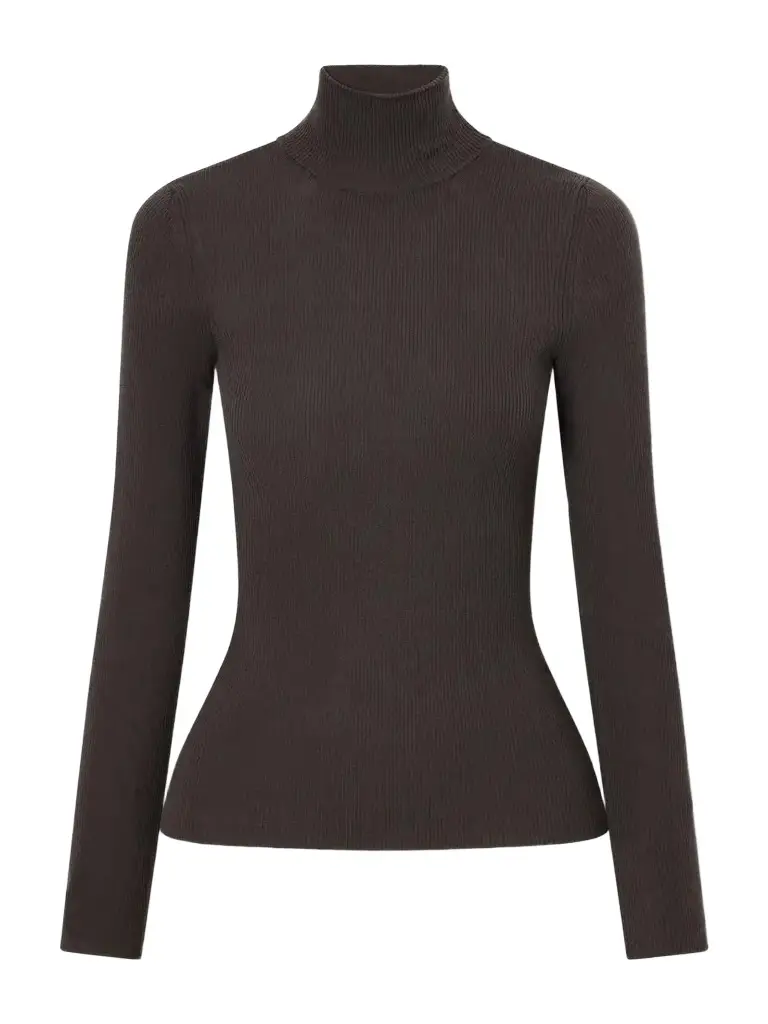 Max MaraCavallo Ribbed Wool Turtleneck$695
 Gabriela HearstCosta Knit Turtleneck in Black Cashmere Silk$790
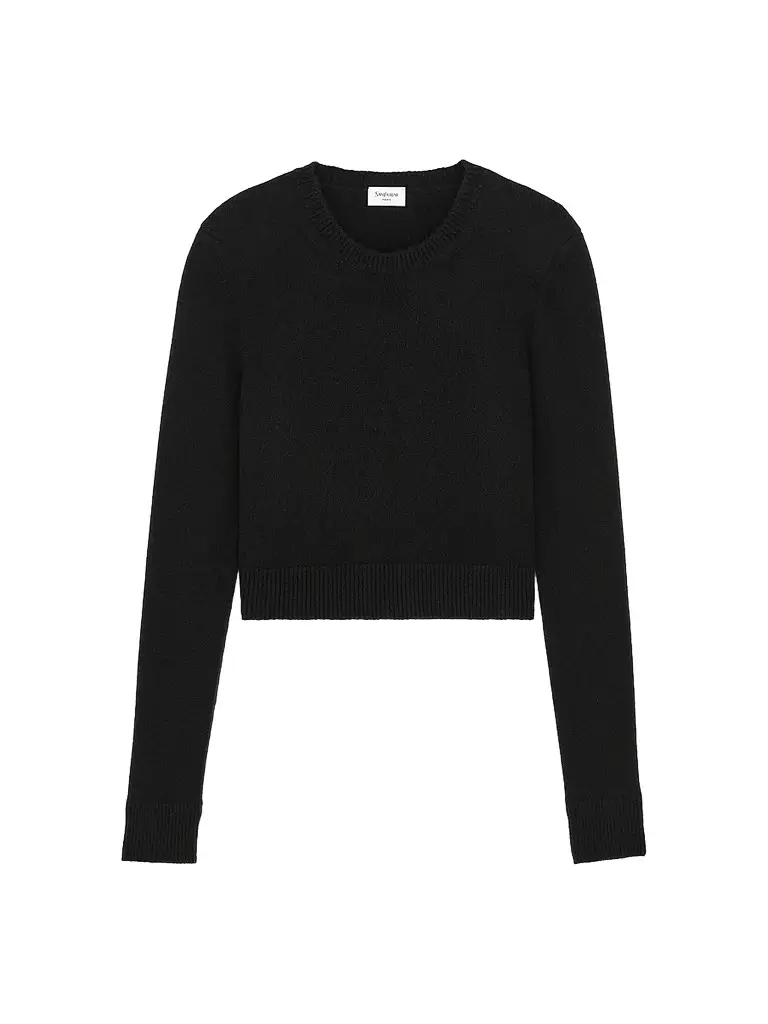 Saint LaurentWomen's Crewneck Sweater in Cashmere - Noir$1,700
 Loro PianaClassic cashmere sweater$2,290
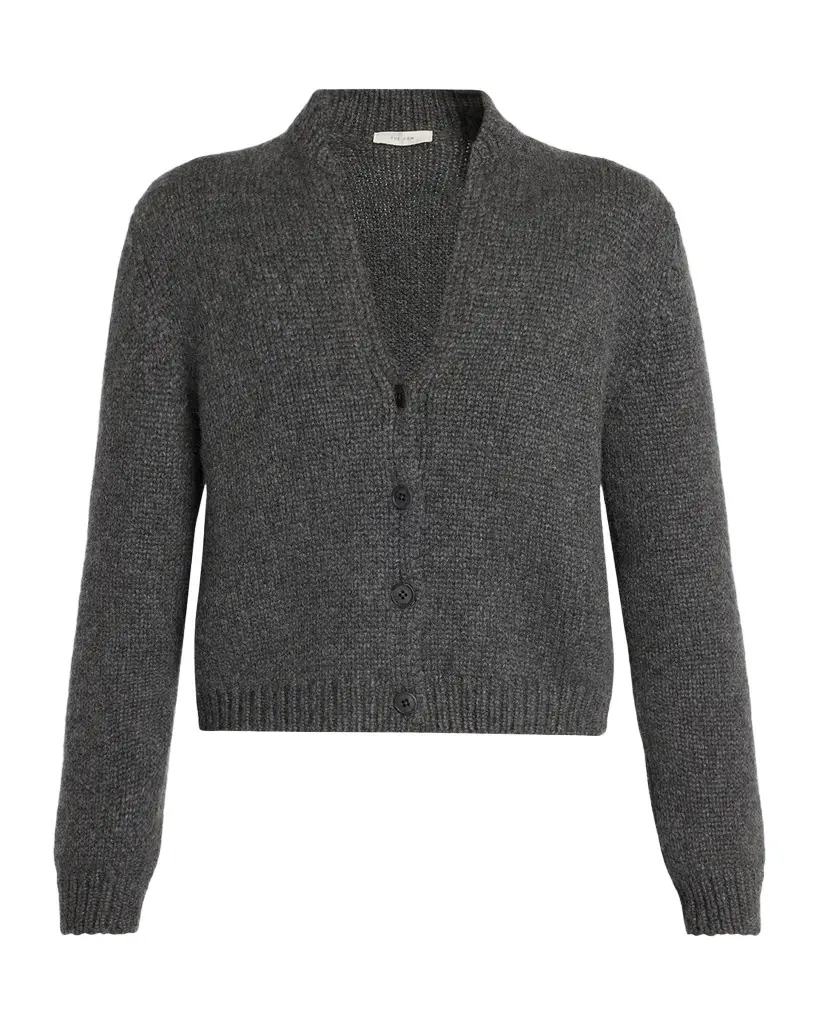 The RowPoynta Cashmere V-Neck Cardigan$2,500
 Valentino GaravaniCable-Knit Longline Cashmere Cardigan$3,700
For fiber quality, ply and gauge, see our guide to the best cashmere sweaters, or browse all turtleneck tops.
Coats and tailoring: the length rule
The classic winter slip mistake is a coat that ends a few inches above the dress. A band of satin flapping below a coat hem looks accidental, and it is also the part that gets cold and wet. There are two ways to avoid it.
- Longer than the dress. A midi slip needs a coat that falls below the knee, ideally to mid-calf, and a maxi slip needs a coat close to ankle length. Double-breasted coats keep a straight column; wrap coats tie at the waist and sit closer over a fluid slip.
- Clearly shorter. A blazer, a leather jacket or a cropped shearling that stops at the hip makes the slip the main event. An oversized, men's-cut blazer is the best office option: the shoulders should extend slightly past yours so it hangs instead of pulling across a slippery fabric.
Tonal dressing is the easiest way to make the whole thing look expensive: a camel coat, a chocolate slip and brown suede boots, or charcoal over black. When a product page gives the coat's length, compare it with your slip before you buy. Our picks below, from Max Mara, The Row, Chloé and others, all fall below the knee.
Long coats that cover a midi slip
 Max Mara101801 Icon wool and cashmere coat$2,905
 The RowHariet Double-Breasted Wool-Cashmere Long Coat$5,200
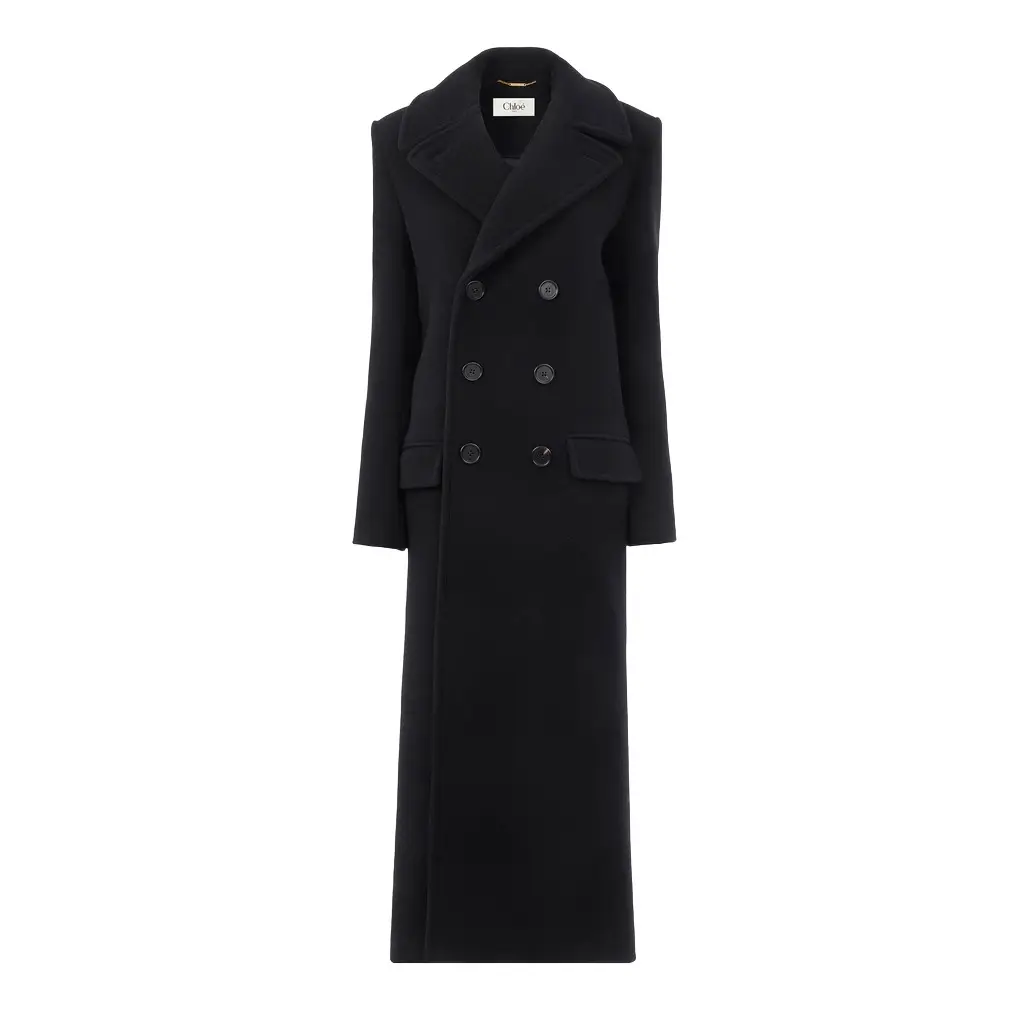 ChloéLong double-breasted coat in double-face wool$3,890
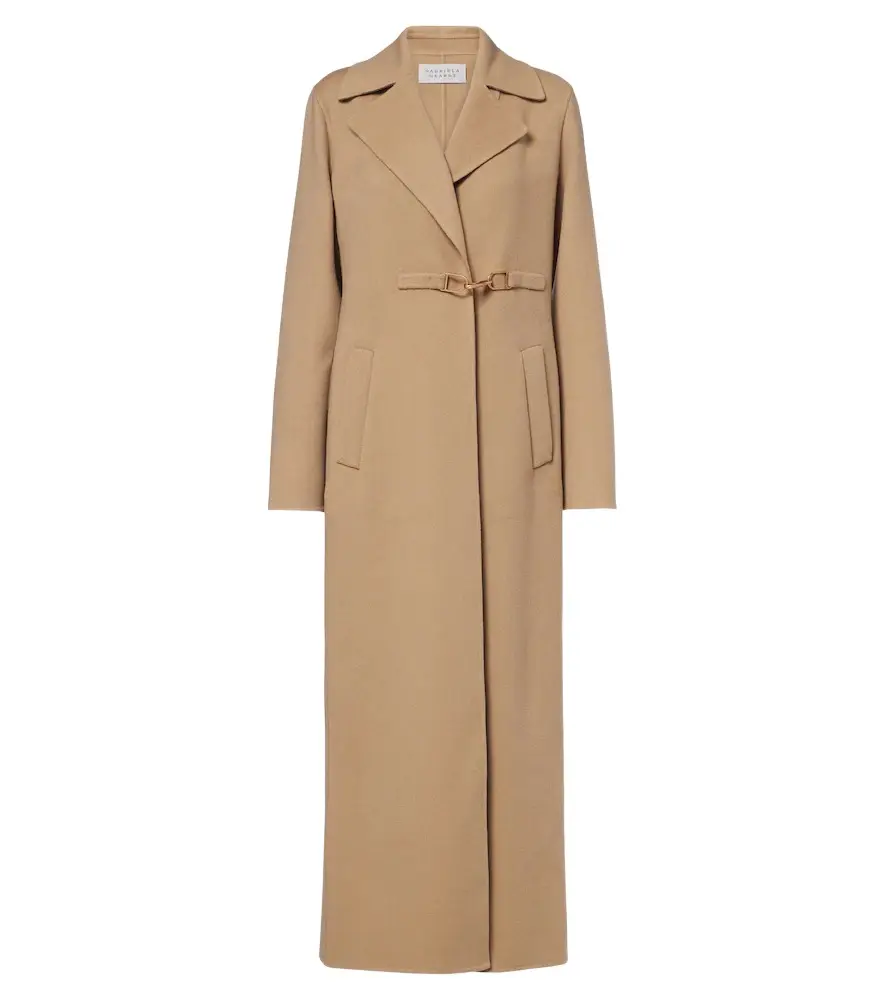 Gabriela HearstDee cashmere coat$4,950
 Victoria BeckhamDouble-breasted Wool-blend Long Coat$2,250
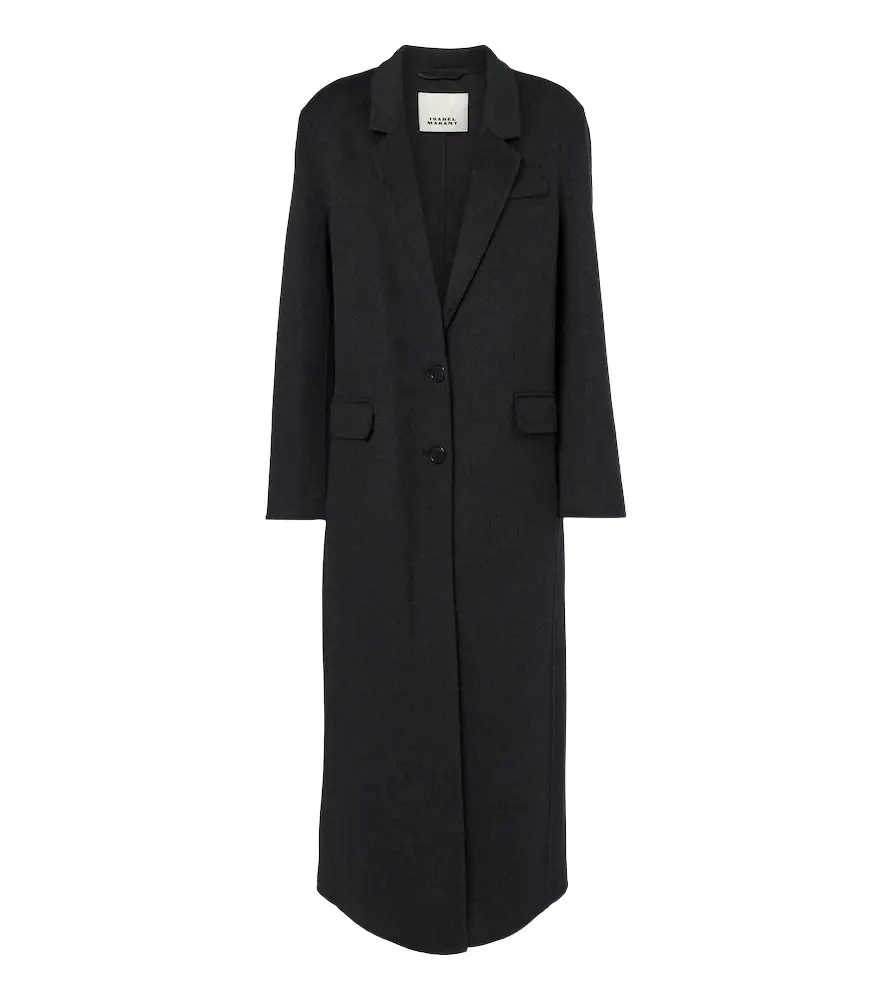 Isabel MarantClesa wool and cashmere coat$1,990
Tights, boots and shoes for a slip dress in winter
Hosiery is where a winter slip looks considered or improvised. Denier is the weight in grams of 9,000 meters of yarn, as the Swiss hosiery maker Fogal explains in its guide to denier: the higher the number, the more opaque and warmer the tight. Fogal puts sheer at 15 to 20 denier, semi-opaque at 30 to 40 and opaque from 50.
| Denier | How it reads | Wear it with |
|---|---|---|
| 15 to 20 (sheer) | A veil of color; skin shows through | Evening slips, satin pumps, slim heeled boots |
| 30 to 40 (semi-opaque) | Color with a hint of leg | Office and dinner, midi slips, loafers or knee boots |
| 50 and up (opaque) | Solid color, warmest | Real cold, mini slips, flat knee boots, ballet flats |
Match tights to boots, black with black or chocolate with brown, for one long line from hem to floor. Avoid shiny tights under satin: two sheens compete. And if your slip climbs and clings as you walk, that is static, which builds when satin rubs against synthetic tights in dry, heated air. A cotton- or wool-blend tight, a light anti-static spray on the inside of the skirt, or a thin silk half-slip underneath fixes it.
Boots: close the gap
With a midi slip, the hem should overlap the top of the boot by at least an inch as you walk, including through any side slit. A strip of leg between hem and boot breaks the line and is where you feel the wind. Before buying, compare the shaft height on the product page with the length of your slip. Flat riding boots suit bias midis in the daytime; a slim knee boot with a block heel moves the same slip to dinner; a pointed suede boot softens a black slip. Save ankle boots for ankle-length slips that hide the boot top entirely, and read our guide to the best knee-high boots for calf fit and shaft width.
Shoes without boots
Loafers or ballet flats with opaque tights and a midi slip is the relaxed daytime version; add a crewneck over the top and it is a weekend outfit. For evening, sheer black tights and a satin or suede pump. Keep heels to a height you can stand in for three hours, because a slip dress makes every wobble visible.
Boots that sit right under a slip dress
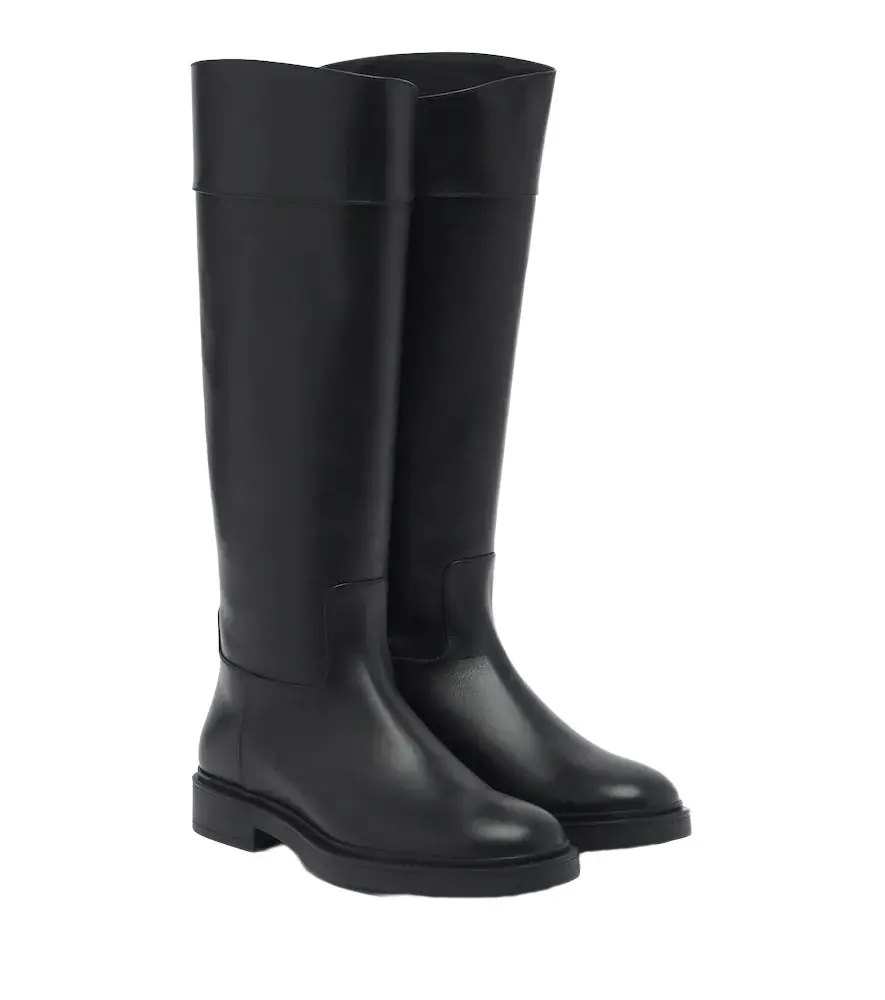


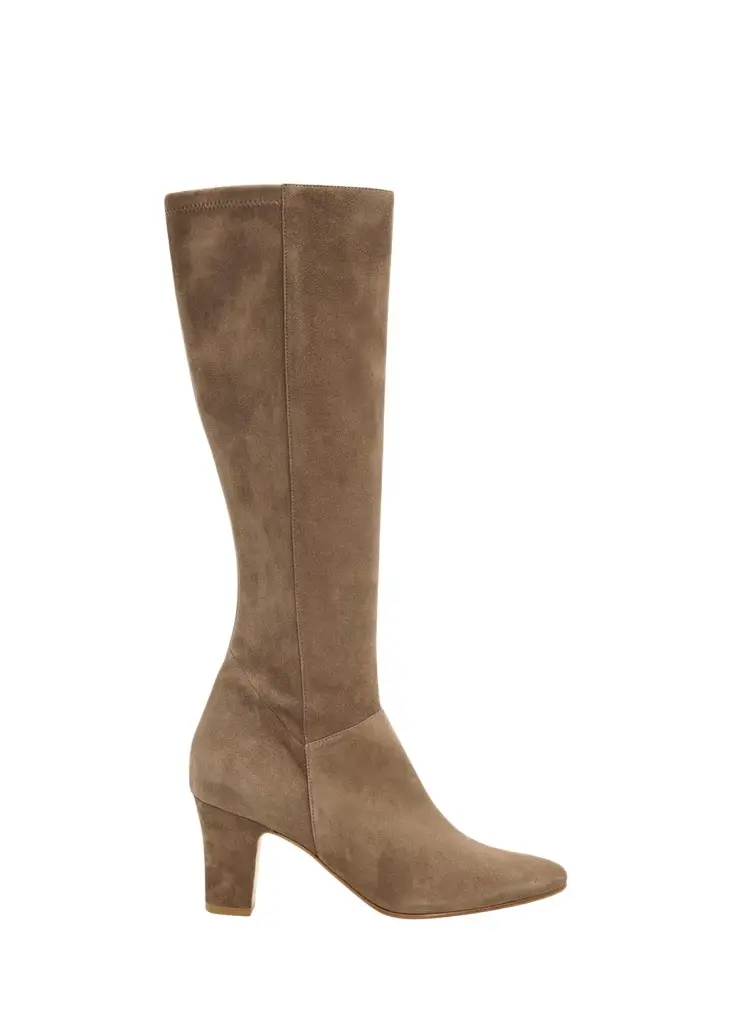
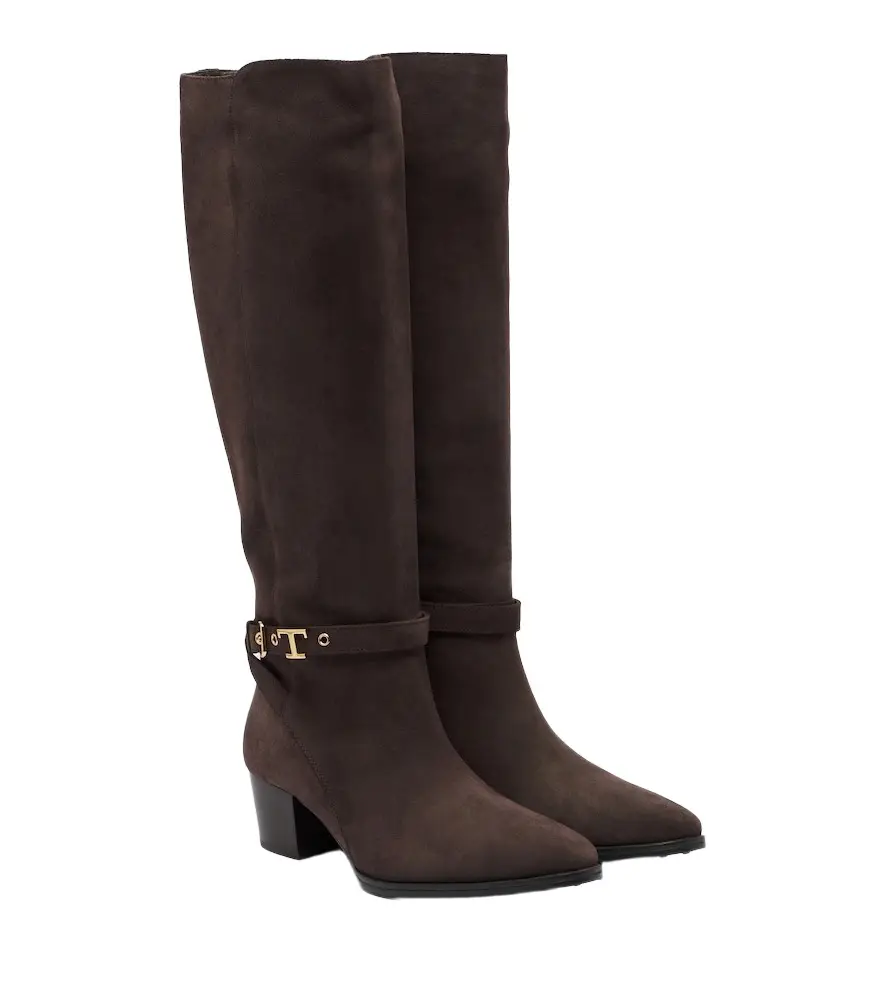
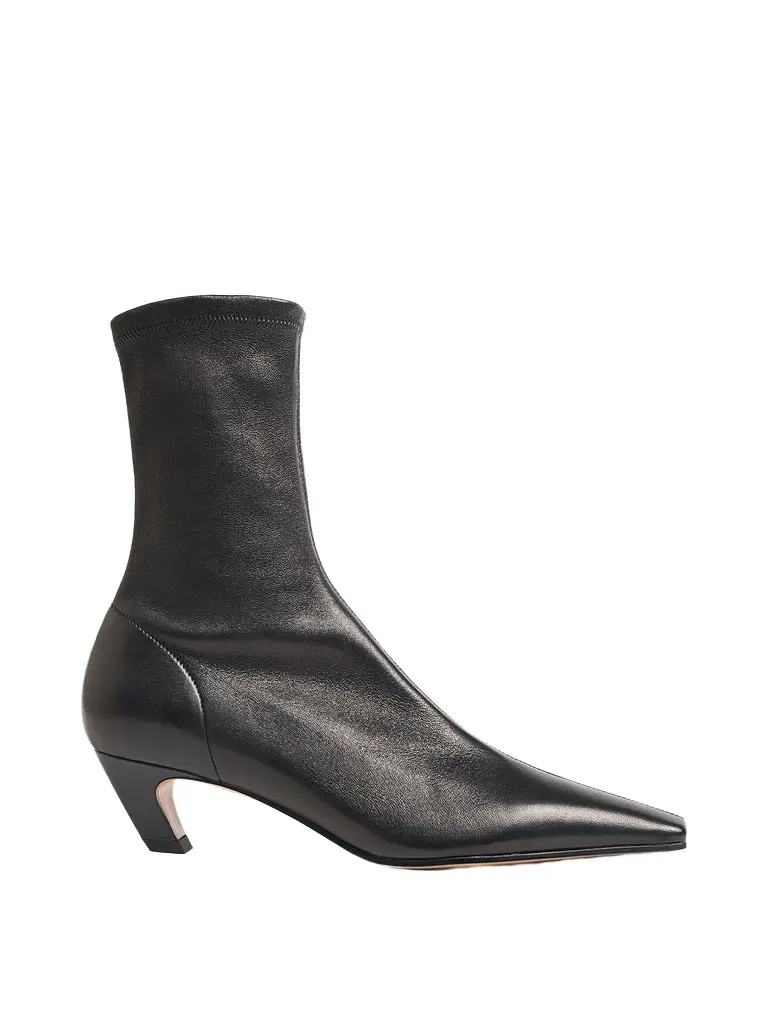
Browse the full edit of knee-high boots for more heel heights and shaft widths.
Slip dress outfits for winter, by occasion
| Occasion | Slip | Layers | Legs and shoes | Coat |
|---|---|---|---|---|
| Office | Satin-back crepe midi in a dark shade | Fine turtleneck under, buttoned cardigan or oversized blazer over | 40 denier tights, flat knee boots or loafers | Double-breasted, below the knee |
| Weekend | Knit or silk midi | Cropped crewneck over | Opaque tights, ballet flats or riding boots | Cropped shearling or long wool |
| Dinner or date | Silk satin midi or maxi | Fine cashmere cardigan, worn open | Sheer black tights, heeled knee boots | Long wrap coat |
| Holiday party | Velvet, beaded or sequined slip | None, or a tailored jacket | Sheer tights, satin pumps | Long coat over everything |
| Theater or ballet | Satin-back crepe maxi | Fine turtleneck under for the matinee | Sheer or 30 denier tights, slim boots | Ankle-length coat |
At a winter wedding, a satin or crepe slip in a deep color is right for cocktail attire, with a jacket or wrap for the ceremony. The Emily Post Institute lists a dressy cocktail dress as acceptable even for black tie and black tie optional, but a slip should look like evening wear, not lingerie: choose a lined, opaque one with a finished neckline. Avoid white and ivory, and see our winter wedding guest guide for dress codes.
For holiday parties, the slip does the work and everything else stays quiet: sheer black tights, a satin pump and a small evening bag carried by hand, since a crossbody strap will rub a line into satin. Our guide to holiday party outfits covers the rest of the look.
Evening slip dresses for the holiday season


How to care for a silk slip dress through winter
- Read the care label literally. Under the FTC's Care Labeling Rule, a garment label needs to give only one safe cleaning method, so "Dryclean" means dry cleaning is safe, not that washing is forbidden. "Dryclean Only" is a warning: the maker must have evidence that washing will damage the garment. Details are in the FTC's guide to the rule. Believe a "Dryclean Only" label on a lined silk slip: shell and lining can shrink at different rates in water.
- Know your fibers. Many satin crepes are acetate and viscose. Acetate is heat-sensitive, so steam from the inside or use a cool iron through a cloth; viscose is weaker when wet, so never wring it.
- Keep perfume and deodorant off the silk. Let both dry before you dress. The alcohol in perfume and the aluminum salts in antiperspirant can both mark satin, and underarm marks rarely come out completely.
- Watch for friction. Chunky knits pill against satin, and ring prongs, bag chains and crossbody straps snag it. Carry a clutch or a top-handle bag with a slip.
- Store bias-cut and knit slips folded. Hung for months, a bias cut or a heavy knit can grow longer. Drape them over the bar of a padded hanger or lay them flat with tissue, and steam out creases on a low setting from the inside.
How we chose
We started with fabric: satin-back crepe, heavier silk satin and cashmere knits that can take a layer, with composition checked on each product page. Every piece is from a top luxury house, among them The Row, Prada, Tom Ford, Toteme, Bottega Veneta, Loro Piana and Max Mara. Slips are knee length or longer; knits are fine enough to layer; coats fall below the knee; boots come in a spread of US sizes. We mixed price points within each edit, and everything was full price and in stock when we chose it. When a piece sells out, the edit refills with pieces that meet the same brief. Browse every slip dress we carry for more options.
Frequently asked questions
Can you wear a slip dress in winter?
Yes. Choose a heavier fabric such as satin-back crepe, dense silk satin, velvet or a cashmere knit, in a midi or maxi length, and layer it: a fine turtleneck under or a cropped sweater over, opaque or semi-opaque tights, knee-high boots and a coat longer than the dress.
What do you wear under a slip dress in winter?
A fitted cashmere or cashmere-silk turtleneck, or a long-sleeve bodysuit if you want no hem line at the hip, plus tights between 30 and 60 denier. A thin silk half-slip underneath stops static and makes a light slip less transparent.
What tights go with a slip dress?
Sheer black tights of 15 to 20 denier for evening, 30 to 40 denier for the office, and 50 denier and up for real cold or a mini slip. Match the color to your boots, and avoid glossy tights under satin.
What shoes should I wear with a slip dress in winter?
Knee-high boots are the most practical, as long as the hem overlaps the boot shaft when you walk. Loafers and ballet flats work with opaque tights in the daytime; satin pumps with sheer tights for evening. Wear ankle boots only under an ankle-length slip.
Can I wear a slip dress to a winter wedding?
Yes, for a cocktail or black-tie-optional evening wedding, if the slip is opaque, lined and in a fabric with some weight. Add a jacket or wrap for the ceremony, and avoid white, ivory and anything that reads as lingerie.
How do I stop a slip dress from clinging to my tights?
The cling is static from satin rubbing against synthetic tights in dry air. Switch to cotton- or wool-blend tights, add a thin half-slip, or mist a little anti-static spray on the inside of the skirt before you dress.