The Best Spring Jackets for Women, and What to Wear at Every Temperature
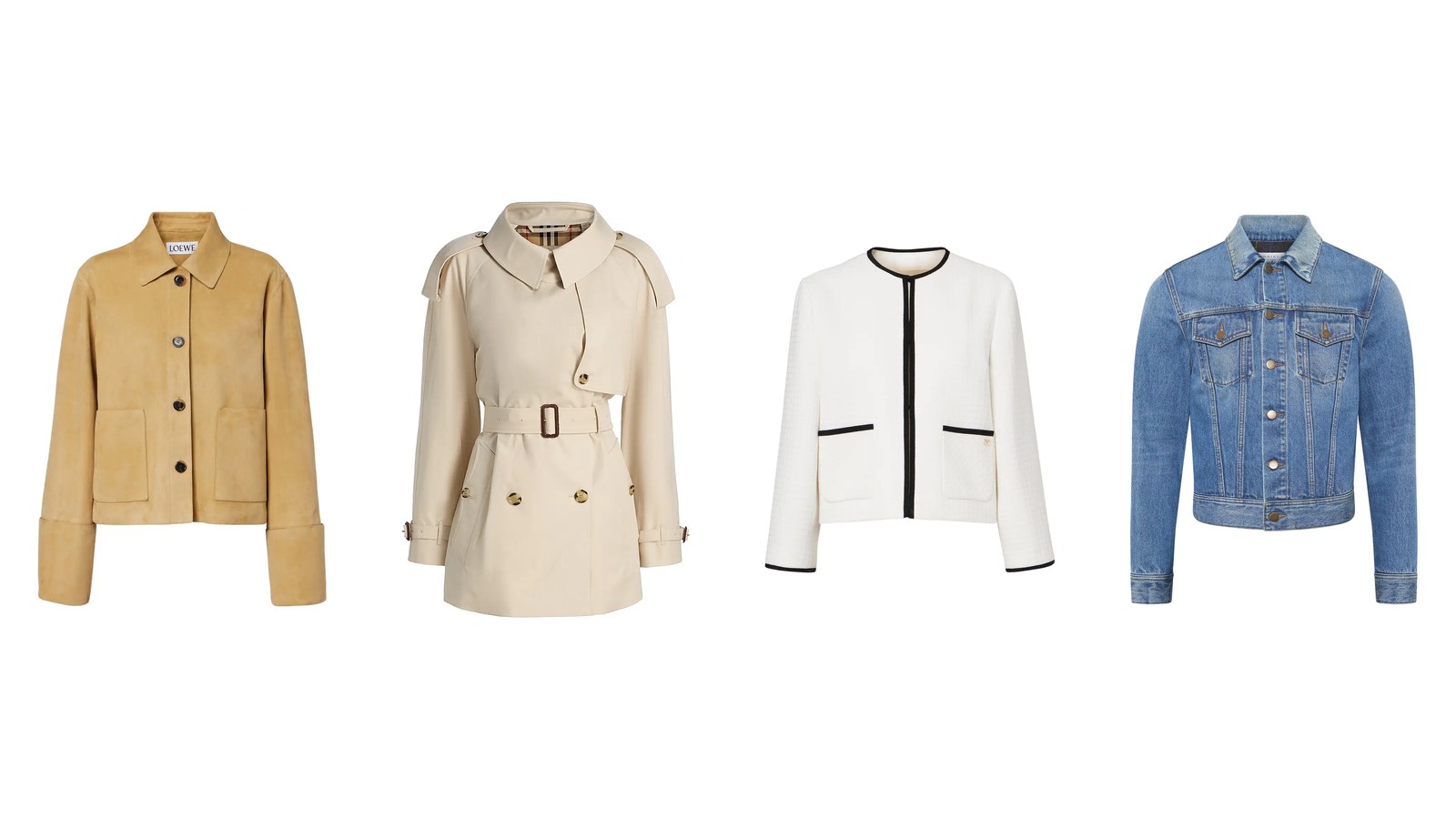
The best spring jackets for women are the ones that handle a wide swing in temperature. In New York's Central Park, the normal daily high climbs from 45°F on March 1 to 75°F by the end of May, according to National Weather Service normals, so no single jacket covers the season. Buy by weather rather than by trend: a lightweight trench for rain, a suede or leather jacket for cool, dry days, and one light jacket, such as a cropped tweed, a denim jacket or a cotton field jacket, for warm afternoons. If you buy only one, make it the trench. Below: what to wear at each temperature, what to buy first, and the best suede, cropped, field, denim and light jackets from the top houses.
What spring jacket to wear at each temperature
Spring's real problem is the gap between morning and afternoon. According to the National Weather Service's 1991–2020 normals for Central Park, April's average low is about 46°F, while its average high is about 62°F. The jacket you leave home in at 8 a.m. is often too warm by 3 p.m., so choose one that looks right worn open, with a knit underneath that you can take off. The table is our editors' working guide, not a rule or a standard: move a band up or down for wind, sun, humidity and how warm you run.
| Temperature (our guide) | The jacket we reach for | Wear under it |
|---|---|---|
| 45–55°F | A lined trench, a leather or suede jacket, a wool-blend field jacket | A fine sweater or a turtleneck |
| 55–65°F | A cotton gabardine trench, a suede jacket, a tweed jacket | A shirt or a light knit |
| 65–75°F | A denim jacket, a cropped cotton or linen jacket, a light blouson | A T-shirt, a camisole or a dress |
| Rain at any temperature | A water-repellent trench | Leave suede at home |
Which spring jacket to buy first
- A trench, if your spring is wet. It is the only jacket here built for rain, and it works from the first cool week of March to the last showery day of May.
- A suede or leather jacket, if your spring is mostly dry. It covers the cool mornings, and it works with jeans and dresses alike. Our guide to the best leather jackets explains how to judge one.
- A light jacket, once you own the first two: denim, cotton or a field jacket for the warm days.
- A cropped tweed or bouclé jacket for dressier days. It takes the place of a blazer at the office, at lunch and at weddings.
Shop early. In 2026, requests to our AI stylist that mentioned spring were a trickle until March, then rose and peaked in April. We would have the jacket in hand before that, in February or early March, so it is ready for the first mild week.
The lightweight trench: the spring jacket for rain
A spring trench should be lighter than the one you wear in October. Look for tropical gabardine, which Burberry describes as its lightest signature fabric, shower-resistant and breathable, or for cotton poplin and cotton and linen, and choose an unlined or partly lined coat so it layers over a shirt without trapping heat. A short trench that ends between hip and mid-thigh is the easiest in spring, over wide trousers or a dress; a long one is the better umbrella. Cotton and linen crease, which is part of the look; if you need a sharp line all day, choose gabardine.
Our guide to how to wear a trench coat covers the right length for your frame and the outfits, and you will find every style in our trench coat shop.
Lightweight trench coats for spring
 BurberryWomen's Fitzrovia Tropical Gabardine Trench Coat$2,695
 BurberryWomen's Cropped Tropical Gabardine Mayfair Trench Jacket$2,050
 TOTEMECrisp Cotton Belted Summer Trench Coat$1,390
 Isabel MarantViolette cotton and linen trench coat$1,690
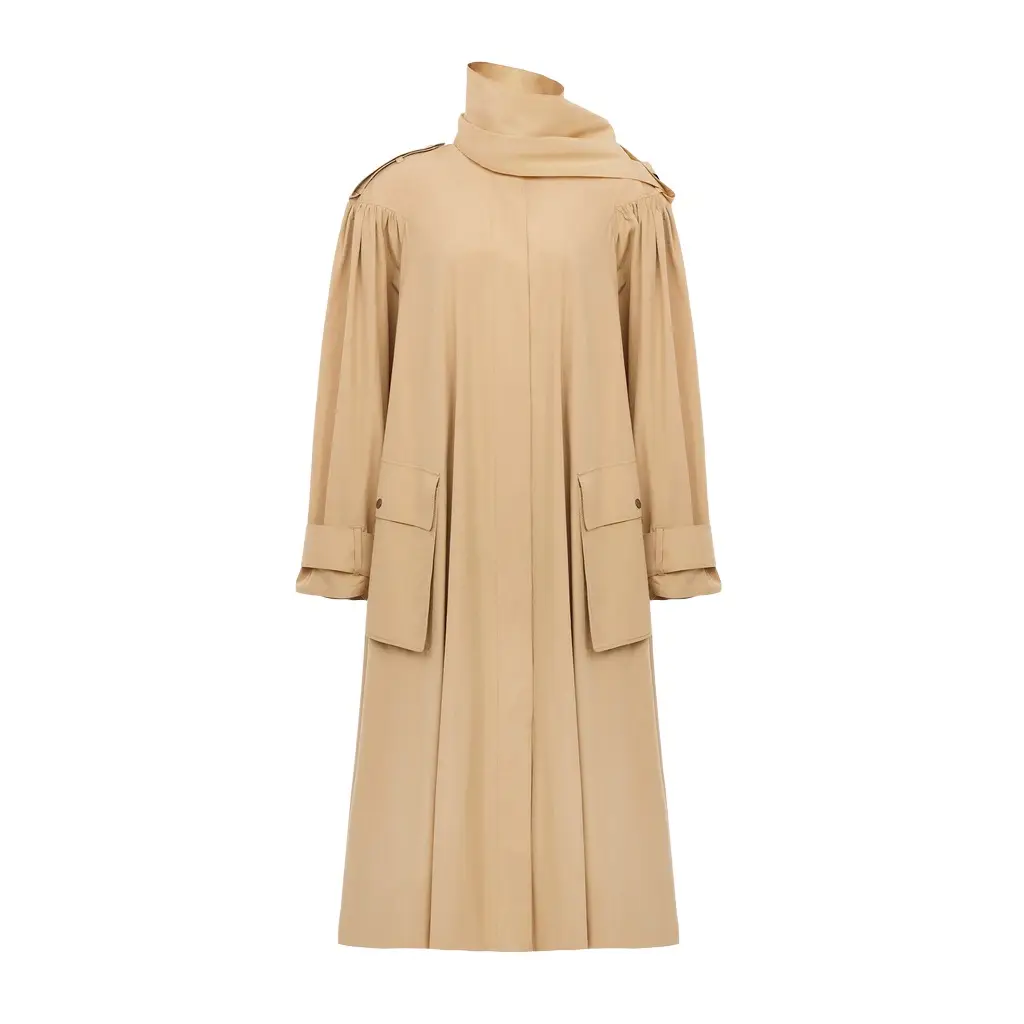 ChloéHigh-neck scarf trench coat in cotton poplin$5,150
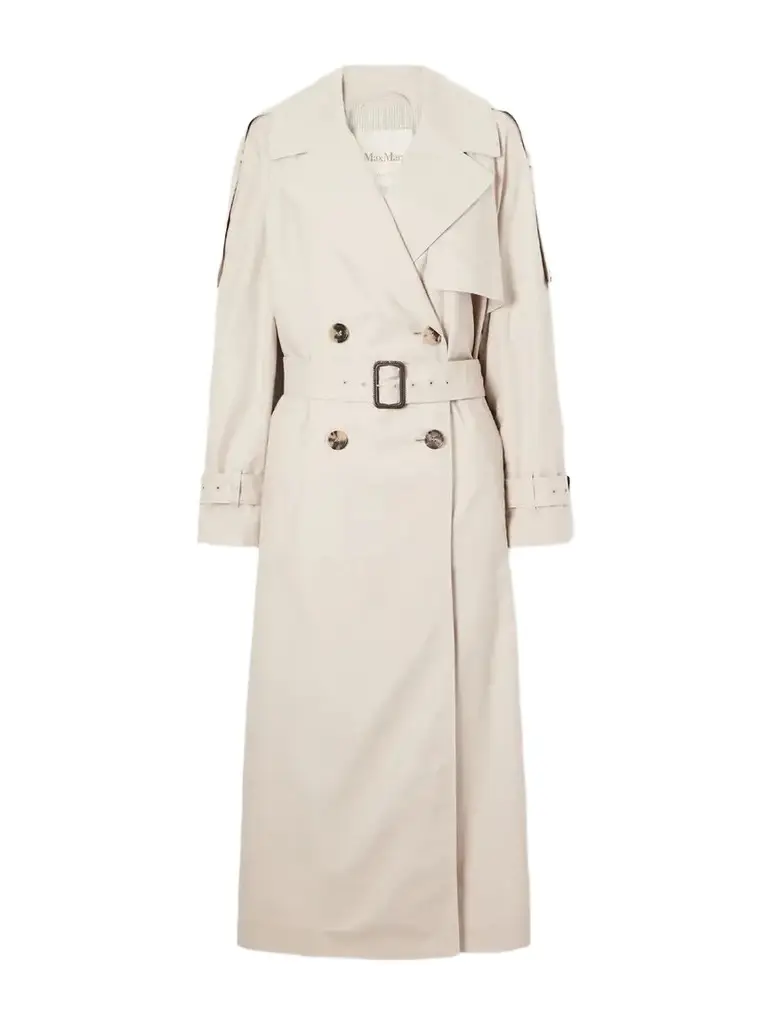 Max MaraCoro Cotton-blend Twill Trench-coat$2,150
Suede jackets for spring
A suede jacket is the spring jacket with the most warmth in its color. Suede is leather finished to a velvety nap, usually on the flesh side, which makes it soft and matte, and it looks especially good in tobacco, camel and olive against spring's white jeans, ecru knits and blue denim. If you bought into last fall's suede, noted in our report on coat trends for fall and winter, it carries straight into spring.
The shape decides how it wears. A suede shirt jacket, the kind Loewe cuts with patch pockets, is the easiest, over a T-shirt or a slip dress. A belted suede jacket, as Saint Laurent cuts it, adds a waist. A suede bomber or biker reads sportier, and a tailored suede blazer, the kind Gabriela Hearst makes, is the dressiest. Suede's one weakness is water: it marks in rain, and Leather UK advises that suede and nubuck need a specialist cleaner when something goes wrong. Brush it with a soft suede brush after wear, let it dry naturally if it gets damp, and check the forecast before you wear the pale colors, which show every mark.
- Tobacco suede jacket, white jeans, a striped T-shirt, loafers.
- Camel suede over a cream slip dress with flat sandals once it is warm enough.
- Olive suede, a gray sweatshirt, straight jeans and white sneakers for the weekend.
- Pale blue suede blazer, a white shirt and ecru trousers on a dry day.
The best suede jackets


Cropped jackets: tweed, bouclé, cotton and linen
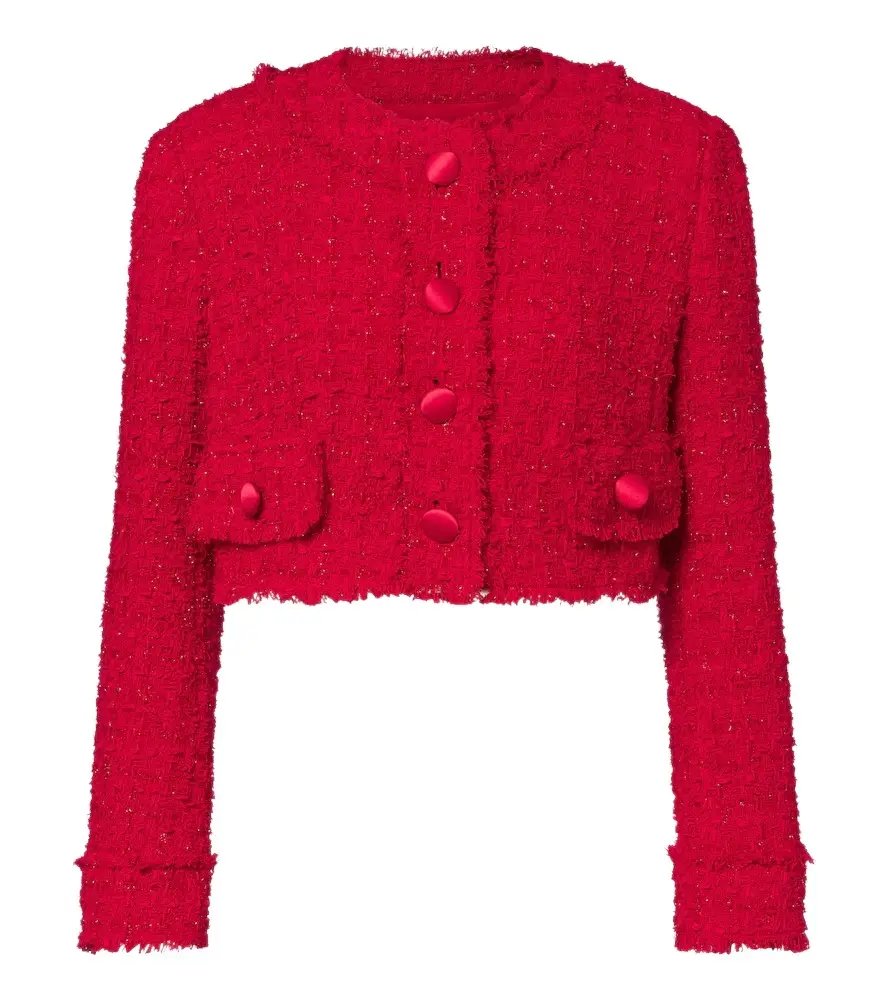
A cropped jacket is the spring jacket to wear with dresses and high-waisted trousers, because it ends where your waist does and leaves the line of the skirt or trouser uninterrupted. Cropped usually means at or just above the natural waist. A short, boxy tweed jacket can drop to the top of the hip and still look deliberate over a straight skirt or trousers; what looks wrong is a hem that stops an inch or two below the waist, neither cropped nor long, because it cuts you in half. Wear a cropped jacket with high-rise trousers, full or straight midi skirts and dresses with a defined waist, and avoid low-rise jeans, which leave a gap of shirt.
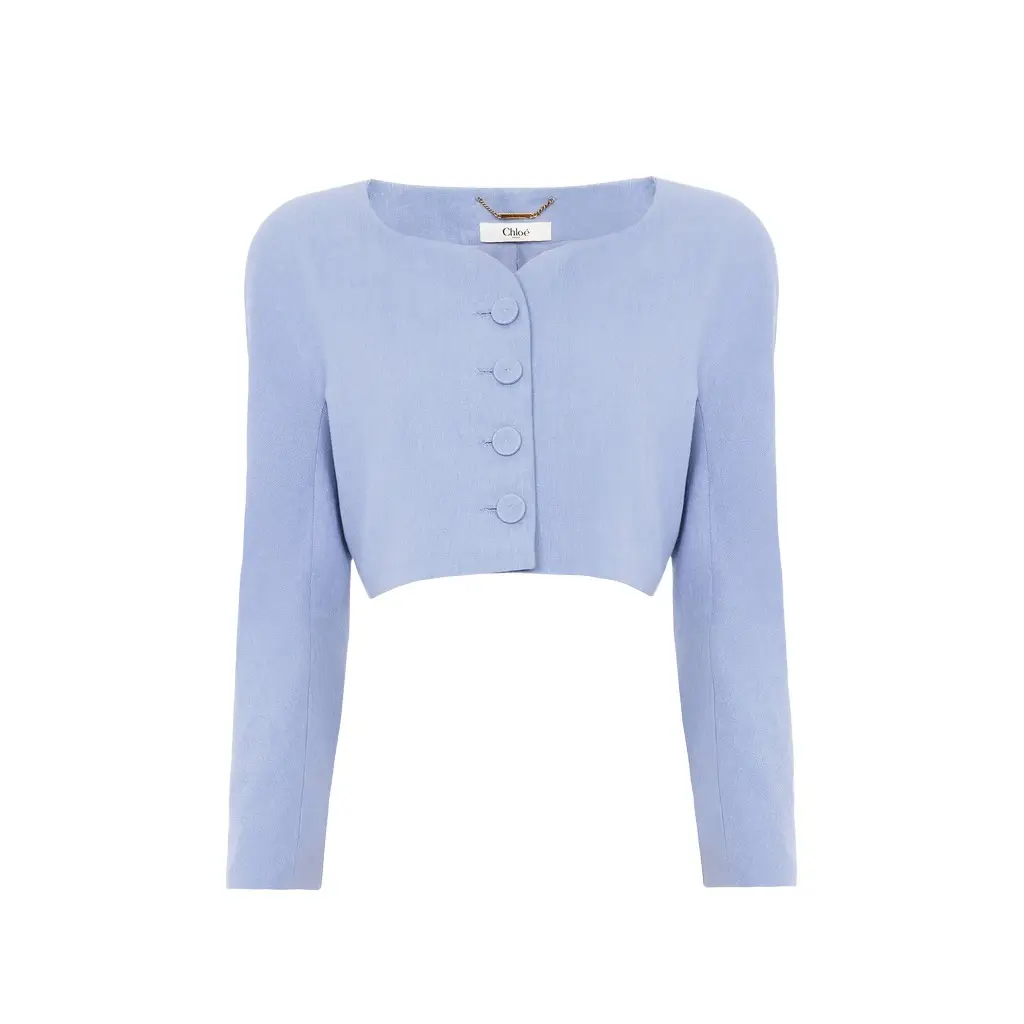
For spring, look at the cloth as well as the shape. Tweed and bouclé, the nubbly fabric woven from looped yarn, are the dressiest cropped jackets, and in cotton or a cotton blend they are lighter than the wool versions sold in fall. Houses such as Valentino Garavani and Celine make the classic collarless shape; Chloé cuts cropped jackets in linen, which is the lightest option for May.
- Ivory cropped tweed, a white shirt, straight dark jeans and ballet flats.
- Cropped jacket over a floral midi dress for lunch or a spring wedding; our guide to spring wedding guest dresses covers the layer for a cool evening reception.
- Black bouclé over a black knit dress with slingbacks for the office.
Cropped jackets in tweed, cotton and linen



Field, safari and utility jackets
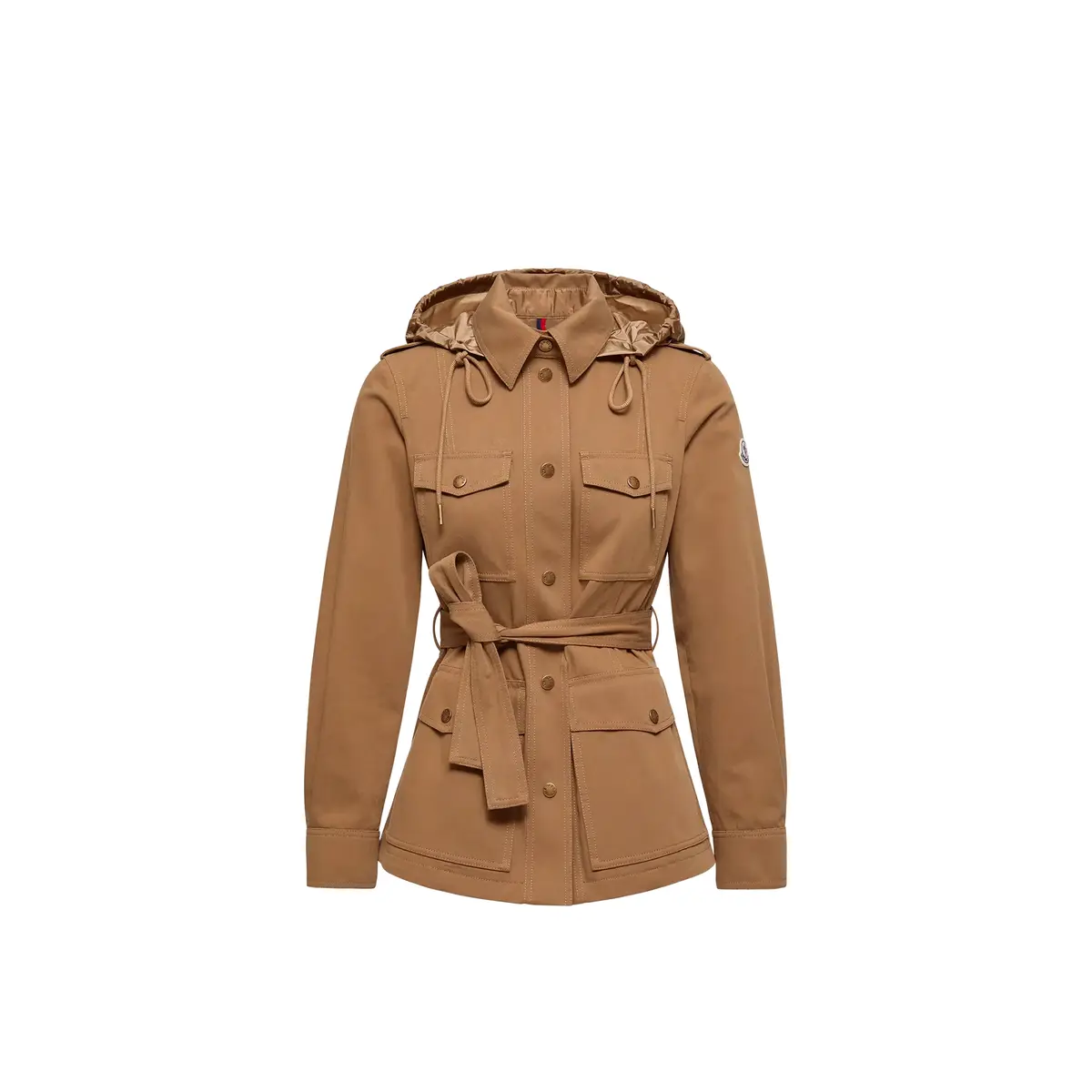
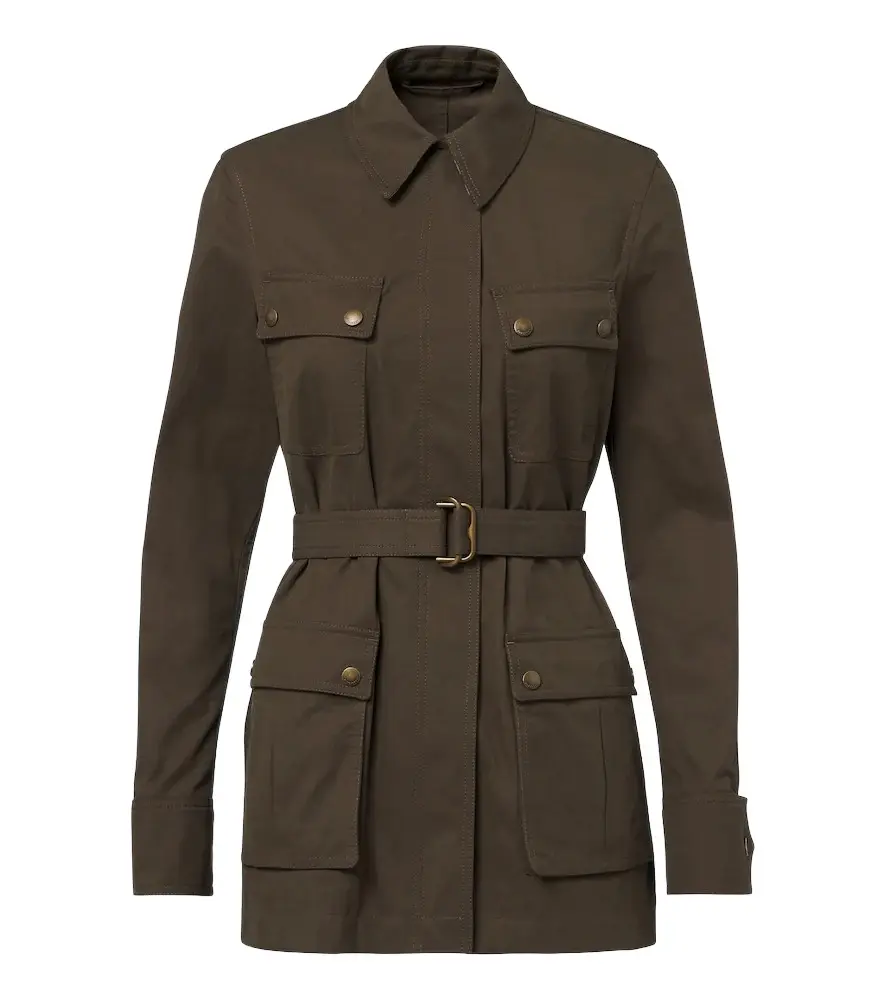
The safari jacket became a fashion classic through Yves Saint Laurent. He first showed one on his runway in 1967, and a design made for a Vogue Paris photo essay the following year made it famous; the Musée Yves Saint Laurent Paris notes it was made of cotton gabardine, a comfortable piece for hot summers, and that a ready-to-wear version was on sale in the house's Rive Gauche boutique by 1969. The shape still works for the same reasons: four pockets, a belt or drawstring to give the waist shape, and a cotton that breathes.
Field and utility jackets are its relatives: straighter, more practical and easy to throw over anything. Barn jackets add a corduroy collar. Choose cotton gabardine, twill or a cotton and linen blend for spring, in khaki, olive, sand or brown, and look for a drawstring or belt if you want shape. Houses such as Dior and The Row make polished versions. See more in our utility jacket shop.
- Safari jacket, belted, over white linen trousers with flat sandals.
- Field jacket, gray T-shirt, straight jeans and loafers for travel days.
- Barn jacket over a navy knit dress with knee boots on a cool morning.
Field, safari and utility jackets



Denim jackets
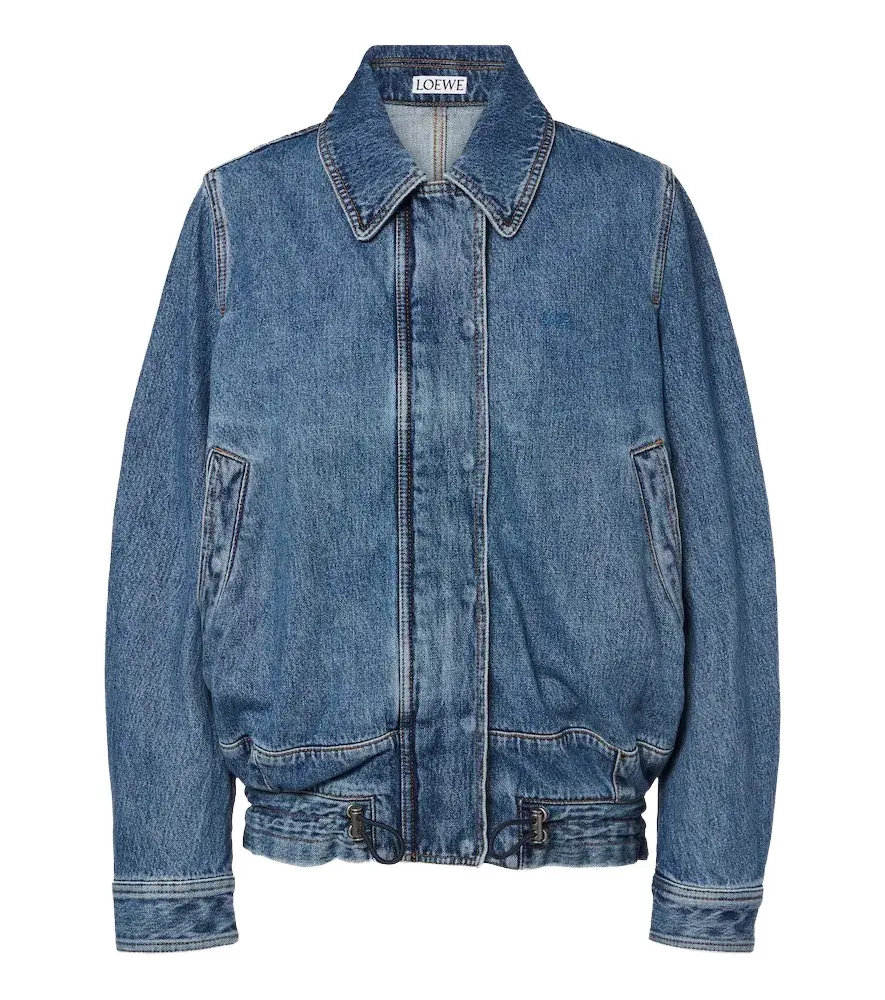
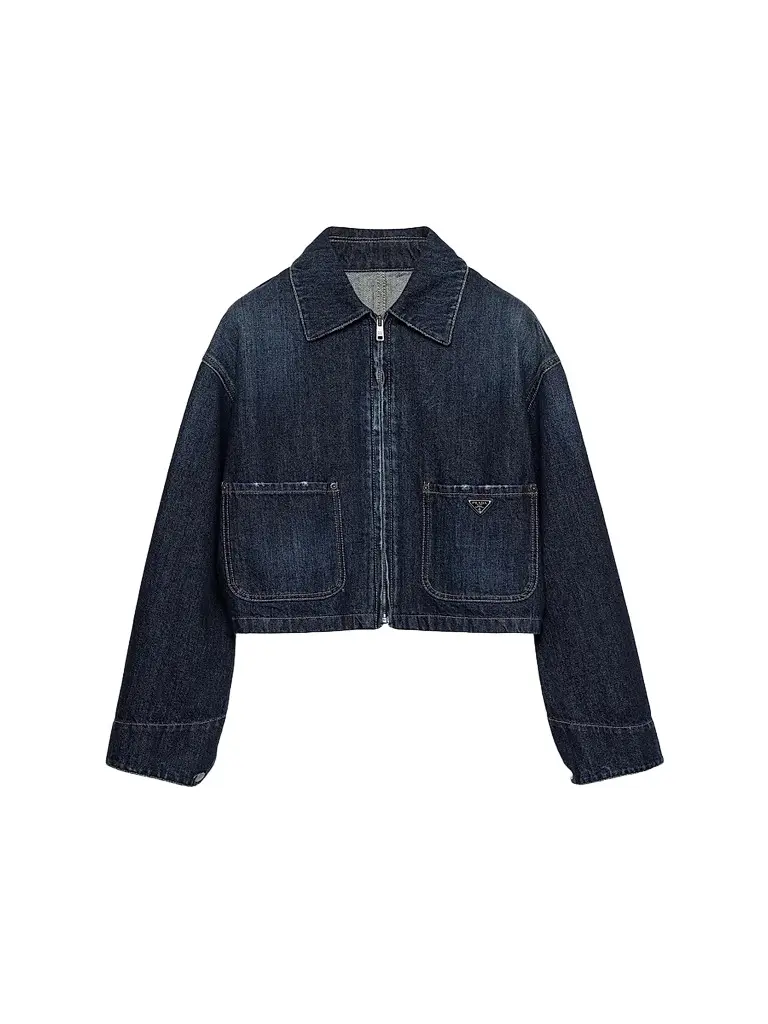
A denim jacket is the most forgiving spring jacket: it goes over almost anything, and it softens with wear. The trucker is the classic, fitted and ending at the high hip with chest pockets and a button front; a denim blouson gathers at the hem; a cropped denim jacket suits dresses. Rigid, dark denim looks sharpest over tailoring and dresses, while a washed, mid-blue jacket is the weekend version. Wear it open over a slip dress or a white shirt and trousers. If you wear denim on denim, make the washes clearly different or exactly the same. Our guide to designer jeans brands covers the jeans, and every style is in our denim jacket shop.
- Dark trucker, white poplin shirt, black straight trousers and loafers for the office.
- Cropped denim over a floral midi dress with ballet flats.
- Washed blouson, striped T-shirt and ecru jeans, a clearly different shade from the jacket.
The best denim jackets



Light jackets for warm days: cotton and nylon
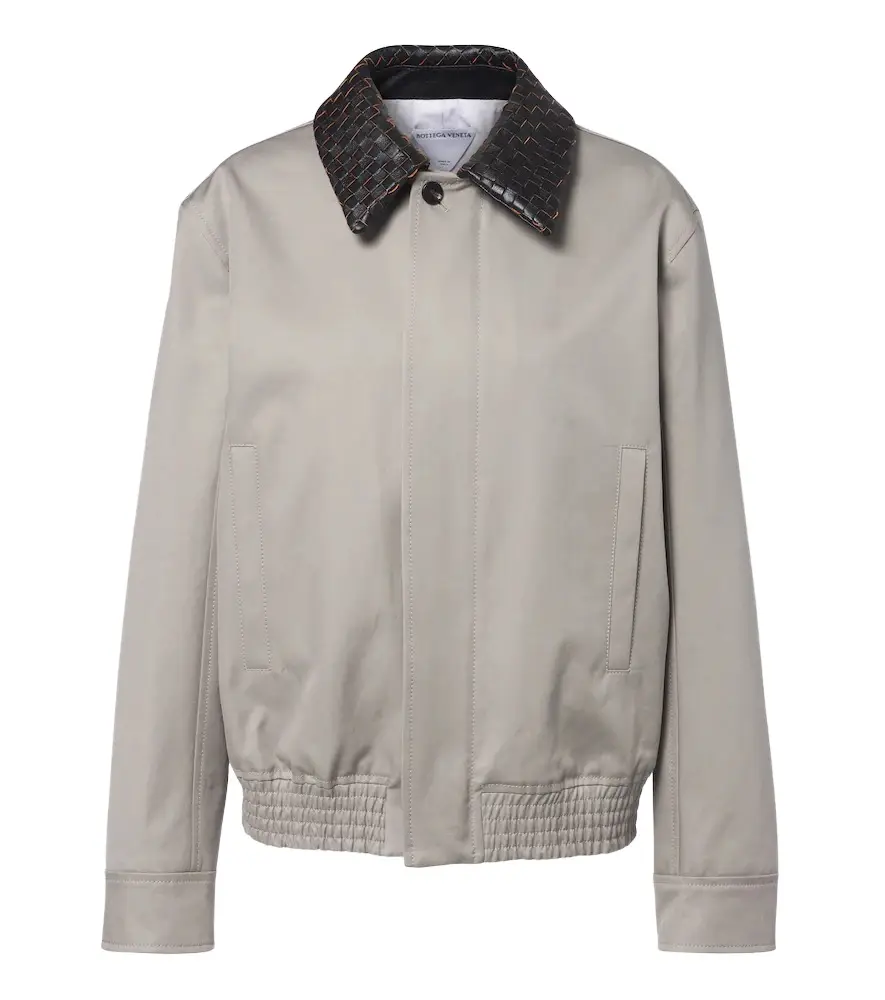
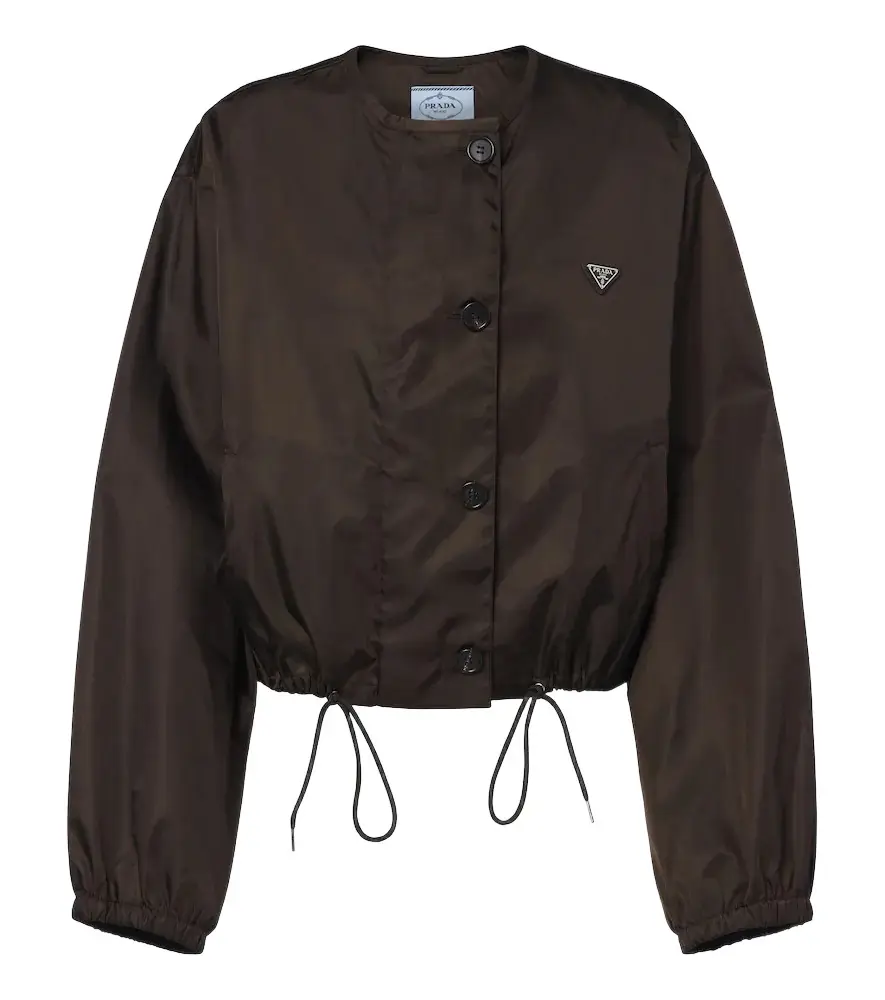
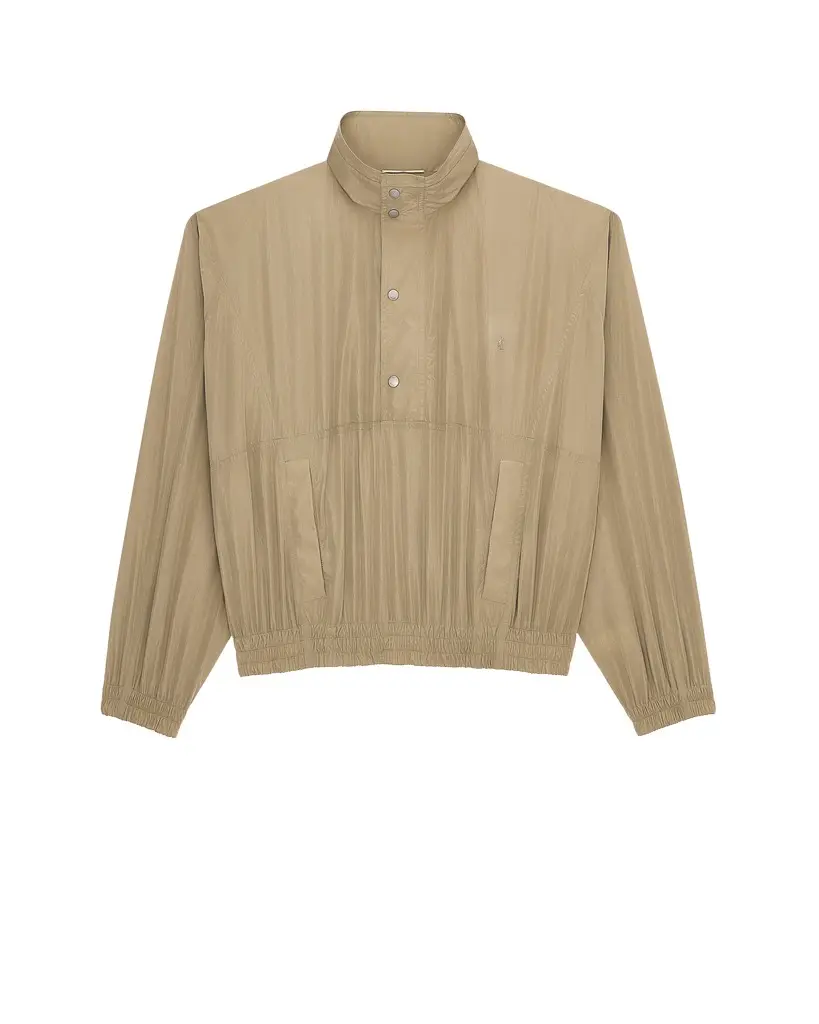
By May, a light jacket is often all you need: unlined cotton blousons and bombers, and technical nylon jackets and windbreakers that weigh almost nothing and pack into a tote for travel. Bottega Veneta and Loewe make cotton blousons with a relaxed, dropped shoulder; Prada's nylon jackets are the practical choice for a showery day. Keep the colors quiet (stone, khaki, brown, gray) if you want the jacket to go with everything, and treat a colored one as the brightest thing you wear. For more light layers, browse our jacket shop.
- Stone cotton blouson, white T-shirt, navy trousers, white sneakers.
- Brown nylon jacket over a striped shirt dress for a showery day.
- Taupe windbreaker, black trousers and loafers for travel.
Not sure which jacket your spring needs? Ask our AI stylist to plan outfits around the weather where you live.
Light cotton and nylon jackets


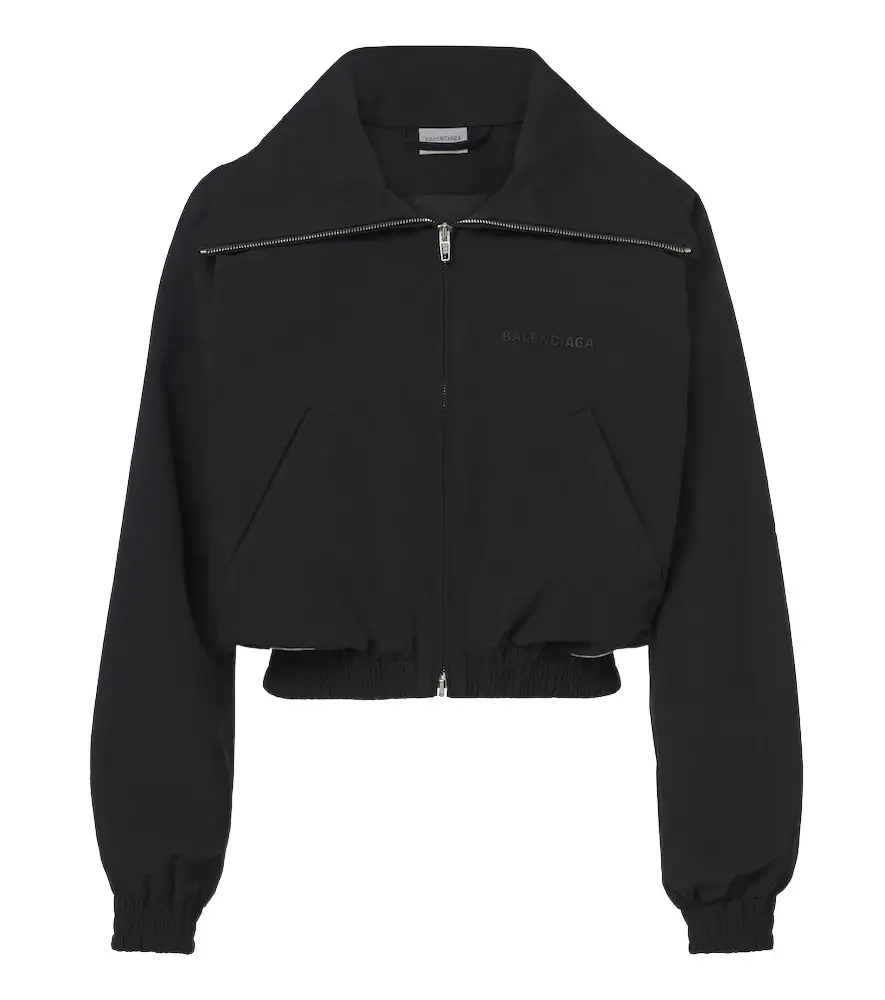
What to check before you buy a spring jacket
- The lining. An unlined or half-lined jacket breathes on a warm afternoon; a full lining adds warmth for March and helps the jacket slide over a sweater.
- Room for a layer. Try it over the thickest knit you will wear in spring. The sleeves should reach your wrist bone with your arms relaxed and still look right pushed up.
- The weather it can take. A water-repellent finish on a trench or a nylon jacket is what makes it a rain jacket; suede and linen are for dry days.
- The care label. Denim, cotton and nylon are the easiest to live with, and some cotton jackets can be washed at home; suede needs a specialist cleaner when something goes wrong.
- The length against your wardrobe. Cropped jackets suit dresses and high-rise trousers, hip-length jackets suit jeans, and a knee-length trench covers most skirts.
- The color. Stone, khaki, navy and tobacco go with the most. A colored jacket needs neutral clothes under it to look deliberate.
How we chose
Every jacket here comes from a house on our luxury list, was live on Vêtir when we checked it, and was compared against its product photographs for color, fabric and length. We favored transitional weights (cotton gabardine, suede, cotton tweed, denim, linen and technical nylon) and styles in several sizes, and spread our picks across price points. Because spring deliveries arrive over several weeks, each edit refills itself with similar new pieces as picks sell out. There are no pre-owned pieces here, and when a jacket leaves your rotation you can sell it through Vêtir's pre-owned resale.
Frequently asked questions
What is the best spring jacket for women?
A lightweight trench in water-repellent cotton gabardine. It handles rain, works over tailoring and dresses, and covers the season from March to May. Add a suede or leather jacket for dry days.
What jacket should I wear at 60 degrees?
At 60°F we would wear a suede or leather jacket, a cotton trench or a tweed jacket over a shirt or a light knit. If the day will warm up, choose a jacket that looks right worn open.
Can you wear a suede jacket in the rain?
Not if you can avoid it: suede marks when it gets wet. If it does get damp, let it dry naturally away from heat, then brush it, and take any stain to a specialist cleaner.
What jacket goes with a dress in spring?
A cropped jacket that ends at your waist, a denim jacket worn open or a trench that is longer than the dress. Avoid a jacket that stops an inch or two below the waist, which cuts the dress in half.
Is a leather jacket a spring jacket?
Yes, on cool, dry days. Lambskin is light enough for spring over a T-shirt or a slip dress; save heavier leather and shearling-lined styles for winter.
When should you buy a spring jacket?
In February or early March, so the jacket is ready before the first mild week.