How to Wear a Cape Coat: Proportions, Layers and What to Carry
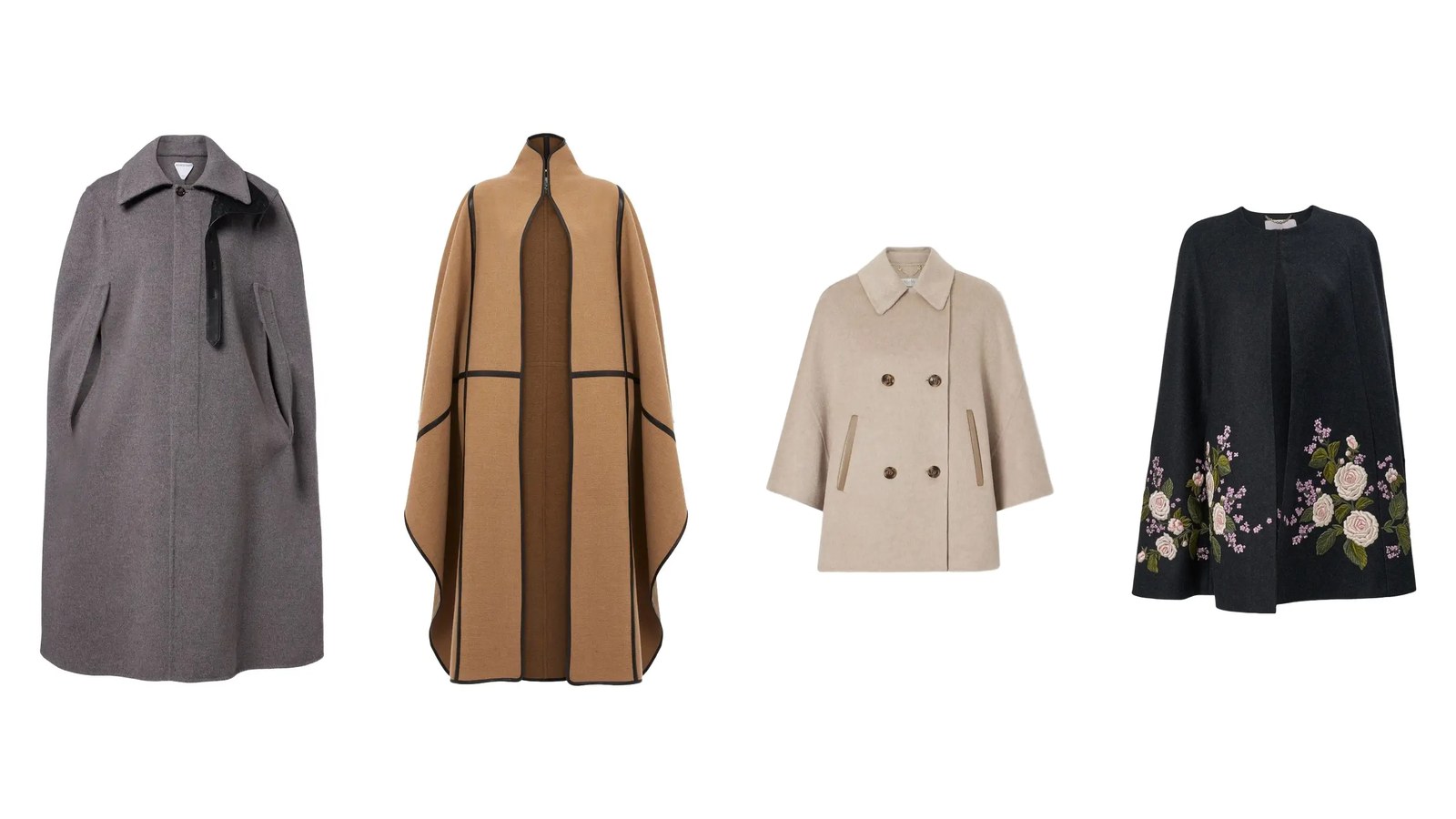
How to wear a cape, in short: keep everything underneath narrow and close to the body, so the volume stays at your shoulders. That means a fine knit, slim or straight trousers or a column skirt, and a slim boot. Set the cape's length against your hemline, carry a top-handle bag or a clutch instead of a shoulder bag, and add long gloves, because most capes leave the forearms bare. A cape also goes over a blazer without crushing it, which makes it one of the easiest coats to wear over tailoring.
Below: how a cape differs from a coat, a capelet and a poncho; five proportion rules; what to wear under one; outfit formulas for work, weekends and evenings; how to choose a cape's length, shoulder and fit; and the bags, gloves and shoes to wear with it.
Cape vs coat: capes, capelets, cape coats and ponchos
Capes were one of the main outerwear stories of fall/winter 2026. Coveteur's outerwear report named shrouds, capes and wraps a focal trend of the season, with versions at Givenchy, Khaite, Altuzarra, Fforme and Balenciaga, and the Swiss magazine FACES grouped capes, cocoon coats and sculptural draping into a single trend it calls "wrap-up", leading with a Chloé look and showing Akris, CFCL and Carven alongside. Our coat trends report covers the runway story. The word "cape" spans several garments, though, and they wear differently.
| Garment | How it is built | Your arms | Warmth | Best for |
|---|---|---|---|---|
| Cape | Sleeveless; fastens at the neck or down the front and falls from the shoulders | Through arm slits, or from under the hem | Warm at the core, cool at the forearms | Over tailoring and dresses; city days |
| Capelet | A short cape that ends around the elbow or above | Free | More decorative than warm | Evenings; over knitwear |
| Cape coat or cape-sleeve coat | A coat with a cape built in, as an overlay or as wide cape sleeves | In sleeves, sometimes three-quarter length | Close to a coat | Everyday winter wear |
| Poncho | A blanket shape with an opening for the head, often knitted and open at the sides | Free at the sides | Usually lighter | Travel, weekends, layering |
| Caped tailoring | A blazer or shirt with a cape panel over the shoulders | In ordinary sleeves | That of the garment | Offices that welcome a statement |
Cape or coat: which to buy
Choose a cape if you wear tailoring or full sleeves under your outerwear, carry a small bag, and mostly walk short distances between doors. Choose a coat, or a cape coat with sleeves, if you commute on foot in hard cold, carry a heavy tote, drive every day or need both hands free: a long cape bunches under a seat belt and rides up when you reach. A poncho is the relaxed cousin of both; our guide to how to wear a poncho covers it in depth.
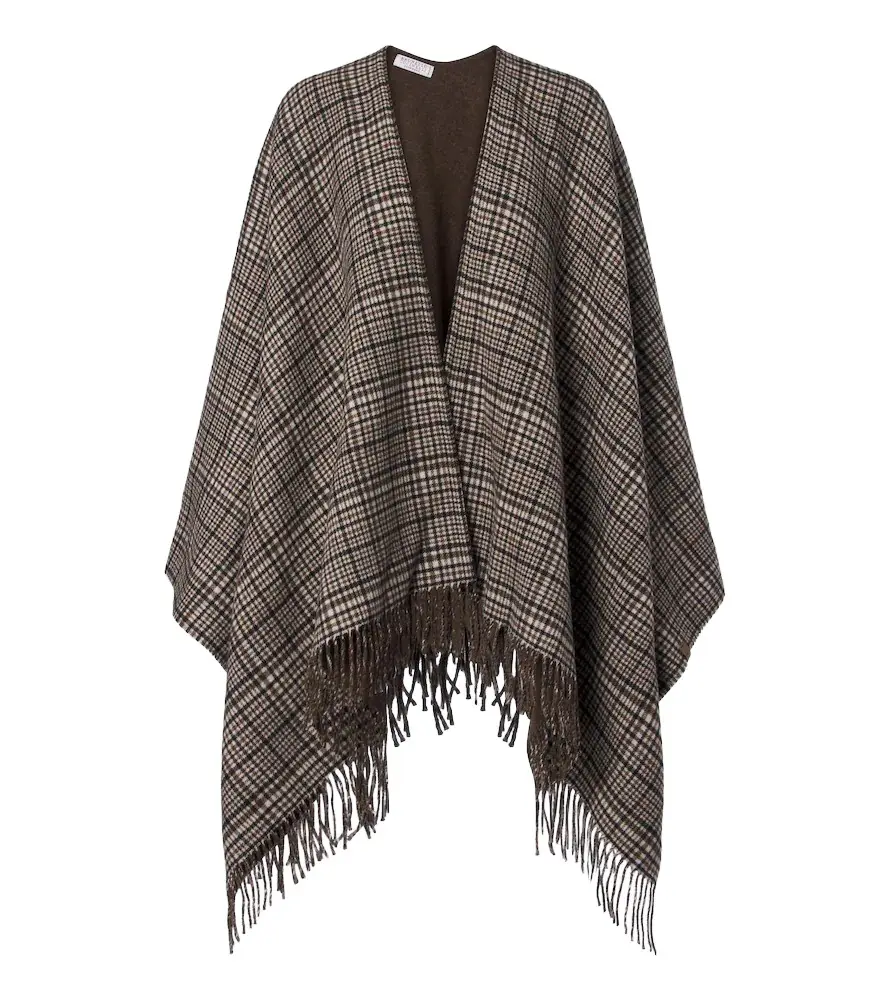
If a cape is right for you, buy it in firm cloth, which holds the shape and keeps the hem from flapping in the wind. Bottega Veneta cuts capes in dense wool and cashmere with vertical arm slits, Chloé makes long, enveloping cape coats, and Carolina Herrera includes embroidered versions for evening. See every style in our cape shop.
Long capes and cape coats
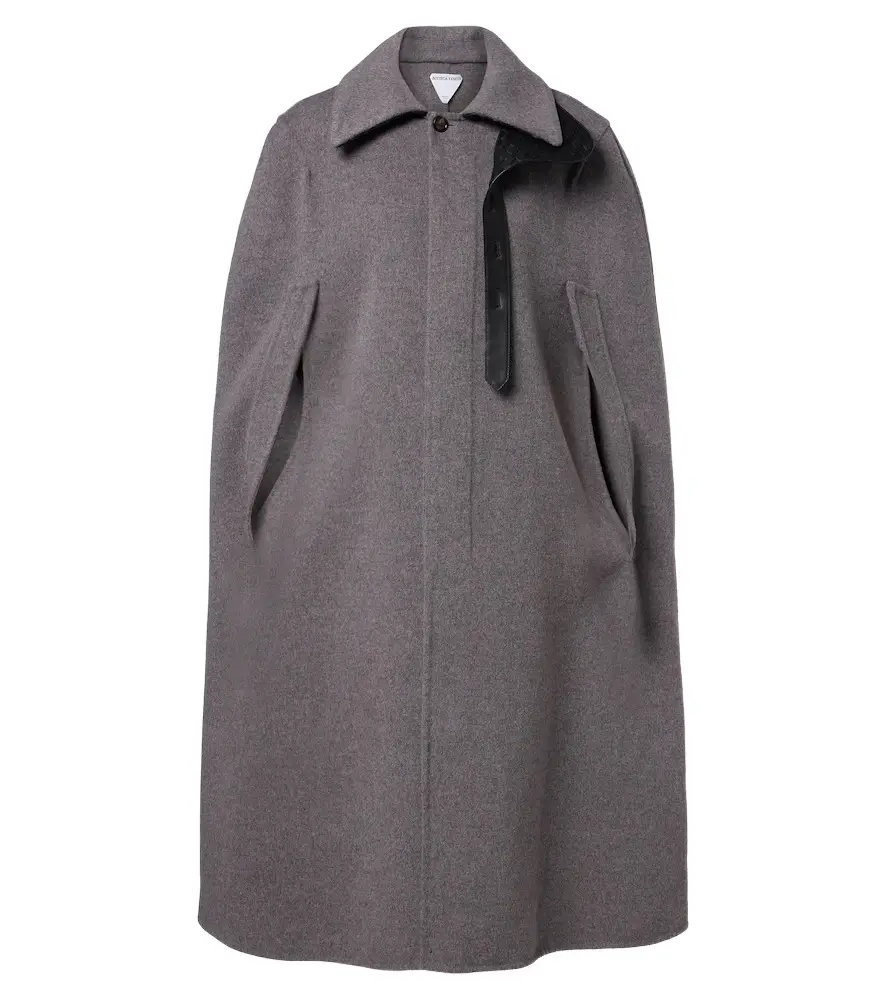

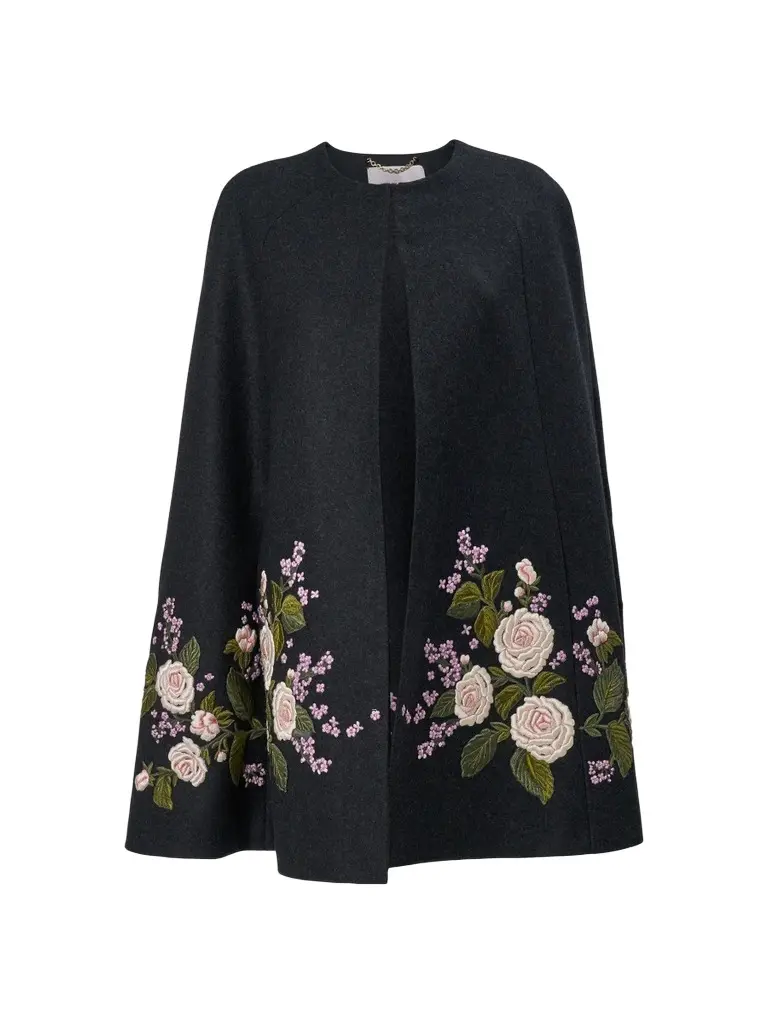

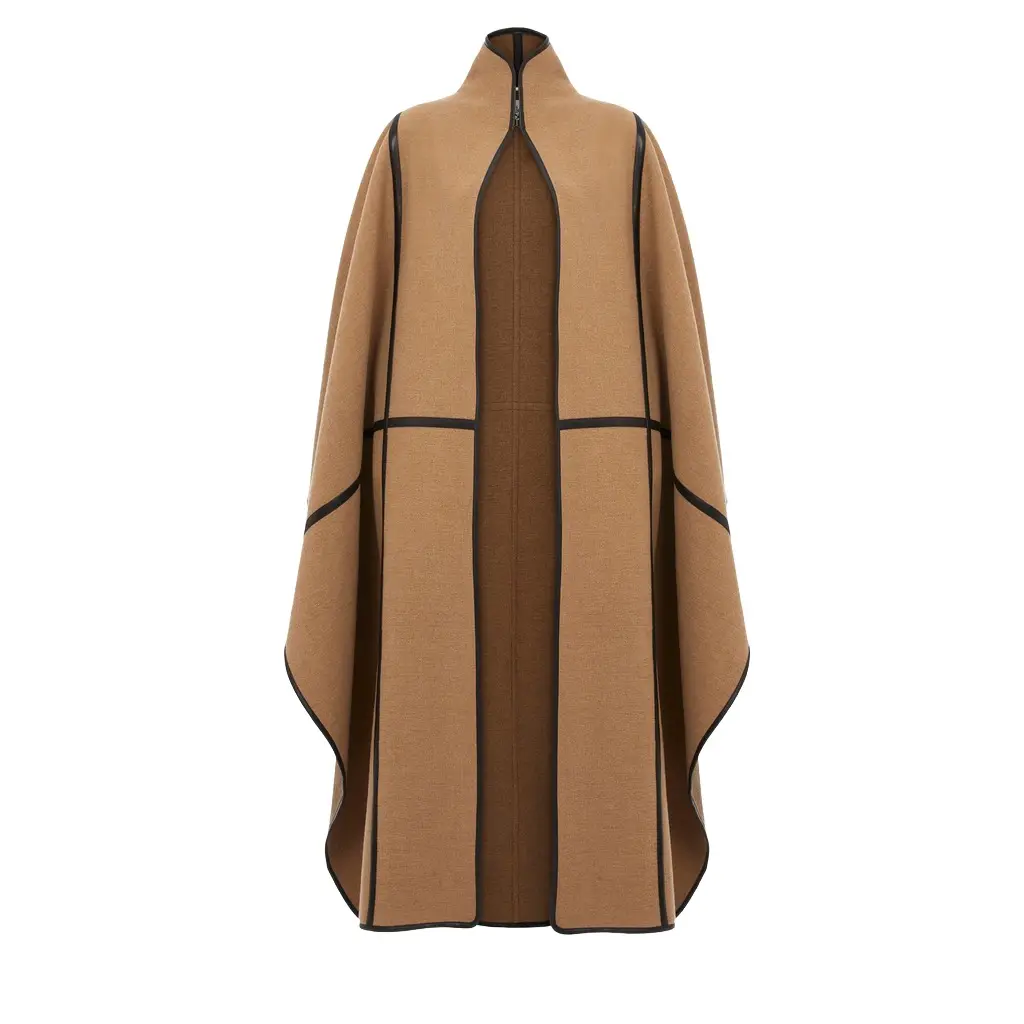

How to wear a cape coat: five proportion rules
- Keep it narrow underneath. A cape puts all its volume at the top, so the pieces below should follow the body: slim or straight trousers, straight jeans, a pencil or column midi skirt and a slim boot. Wide trousers work only with a shorter cape and a single color from shoulder to hem, so the outfit reads as one block rather than two competing shapes.
- Set the hem order. The cape's hem and your skirt's hem should never land within a few inches of each other. Either the cape covers the skirt completely, or it stops well above it: a hip-length cape over a midi skirt, or a below-the-knee cape over a knee-length dress. With a skirt, knee boots close the gap between hem and boot.
- Clear the neckline. Many capes button to the throat or have a stand collar. Under those, wear a crewneck or a fine turtleneck, skip collared shirts whose points fight the collar, and wear long hair up or tucked in. An open-front cape needs a scarf in winter.
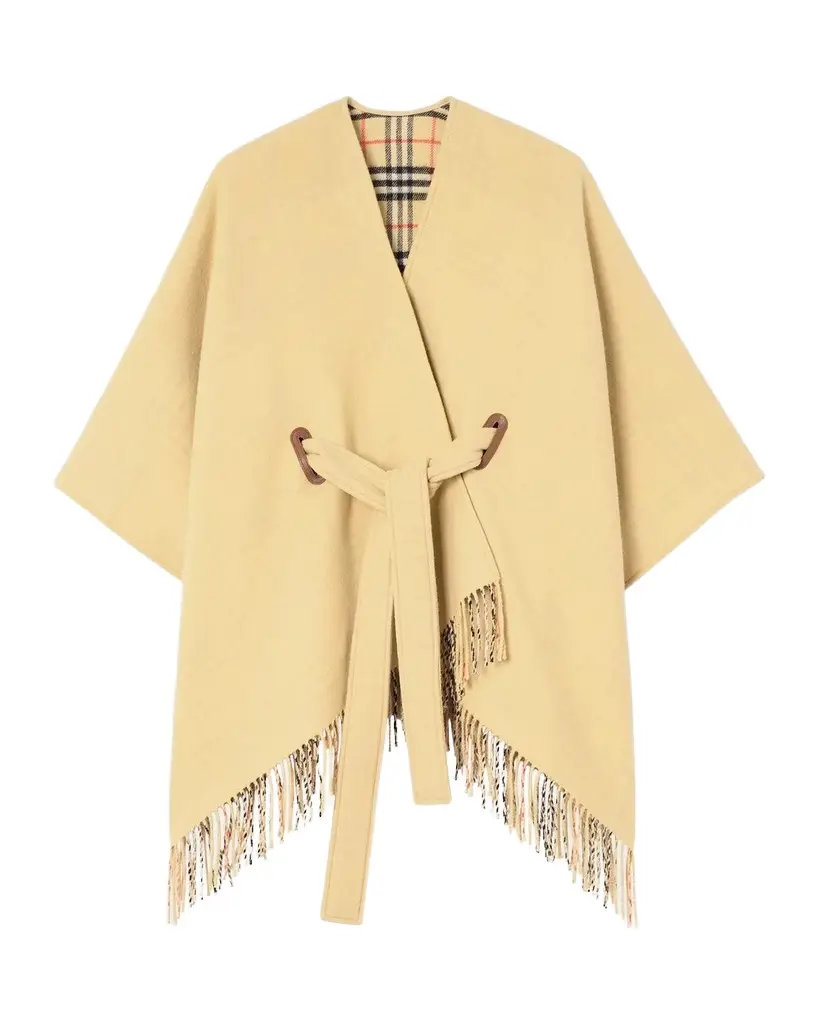
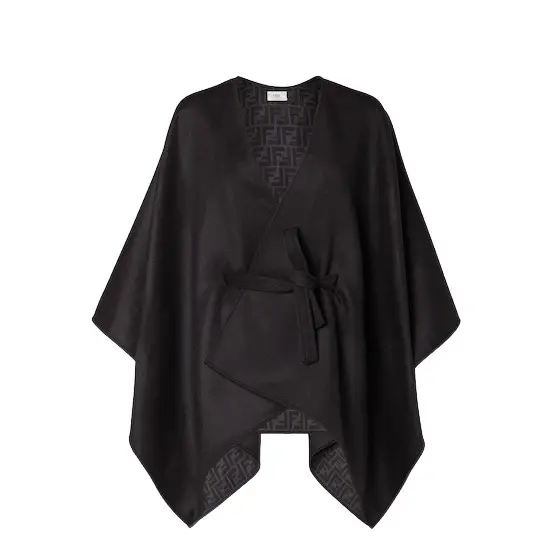
- Decide on the belt. A belt at the natural waist makes a long cape read as a coat from the front, gives it a waist and keeps the wind out. Reporting from the Paris shows, Style Arcade noted belts clamping down scarves, cloaks and capes at Issey Miyake, Carven and Dries Van Noten. Use a wide leather belt over the cloth, or the cape's own belt, and put your arms through the slits first. A hip-length cape is usually better unbelted.
- Plan for your arms. Check where the arm slits fall. At hip height they let you hold a bag and reach a phone pocket; higher up they restrict you more. Your forearms will be exposed, so wear knit sleeves that reach the wrist and long gloves that overlap them.
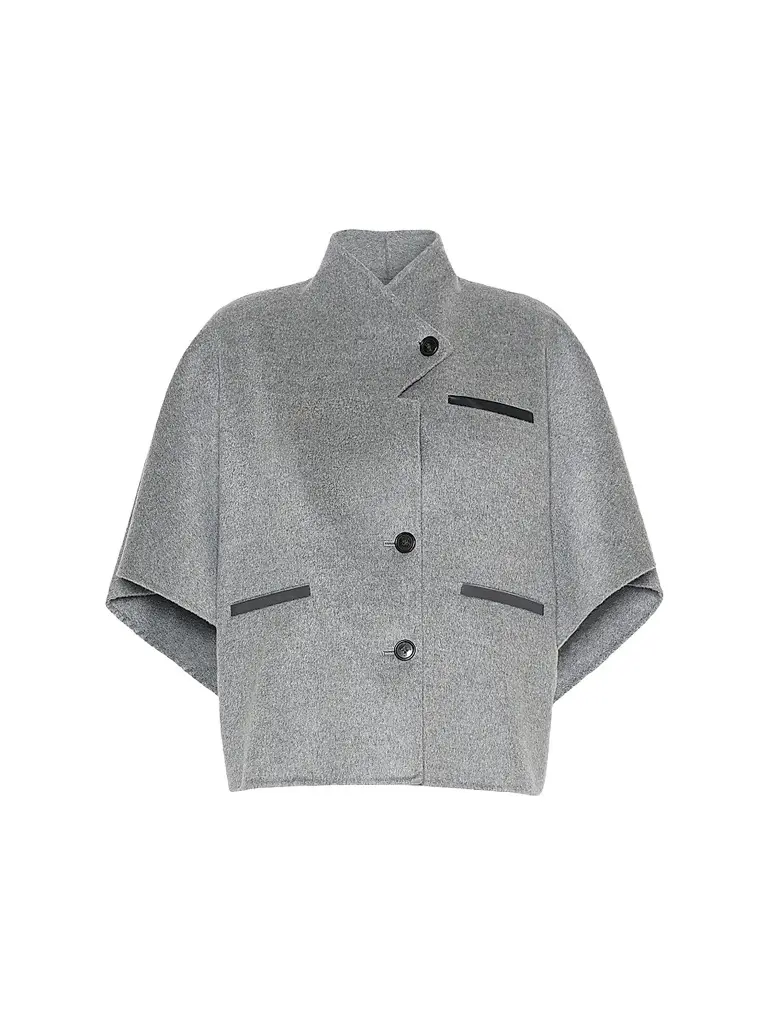
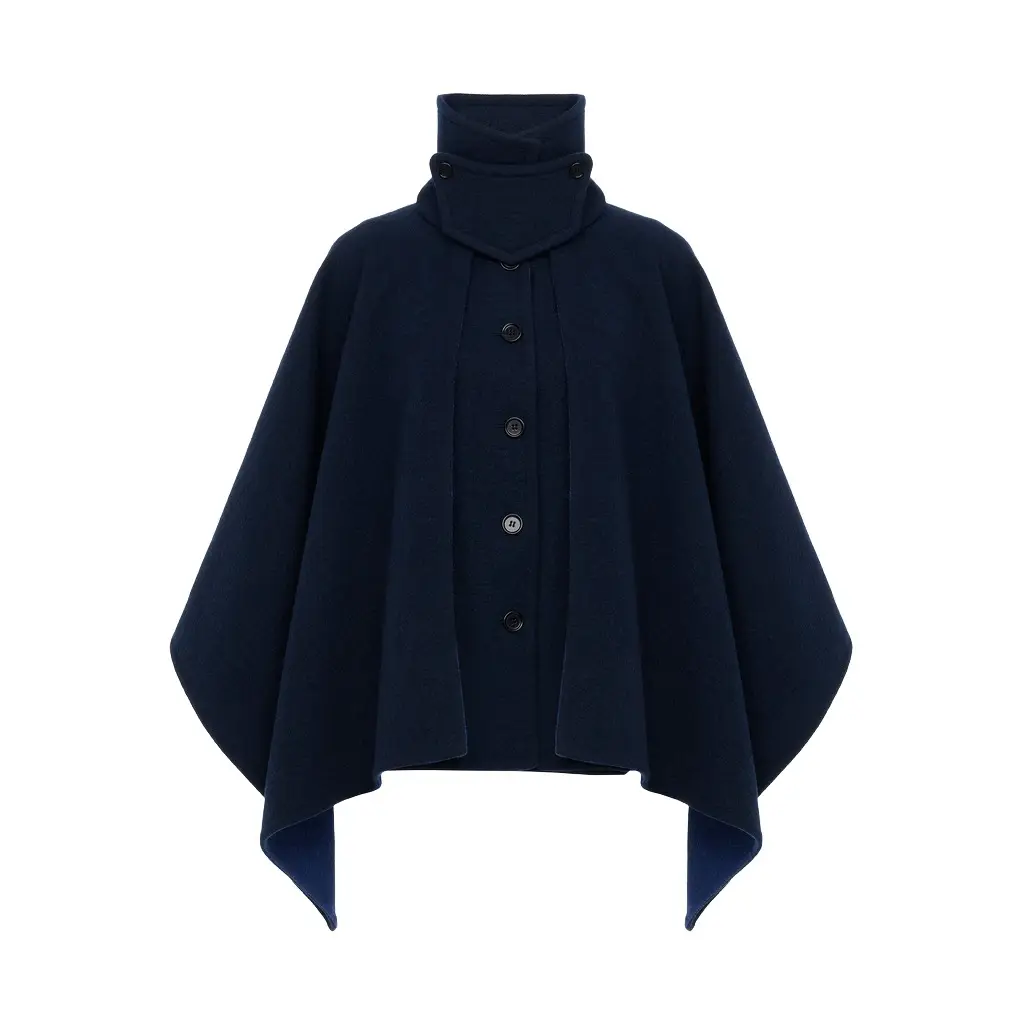
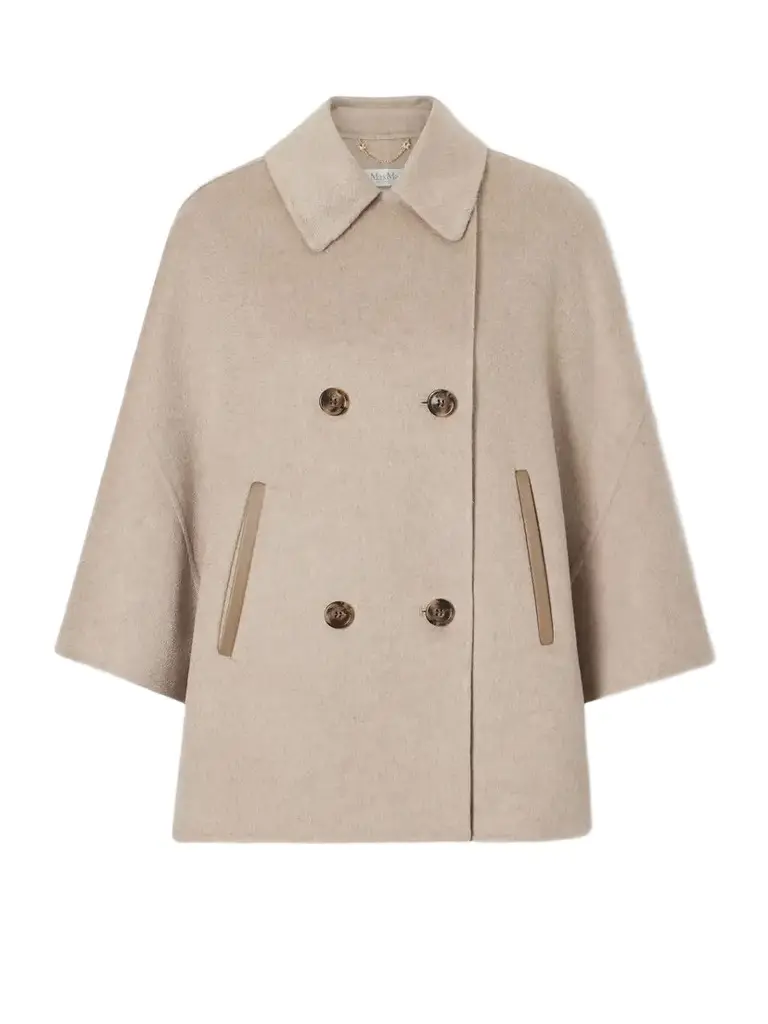
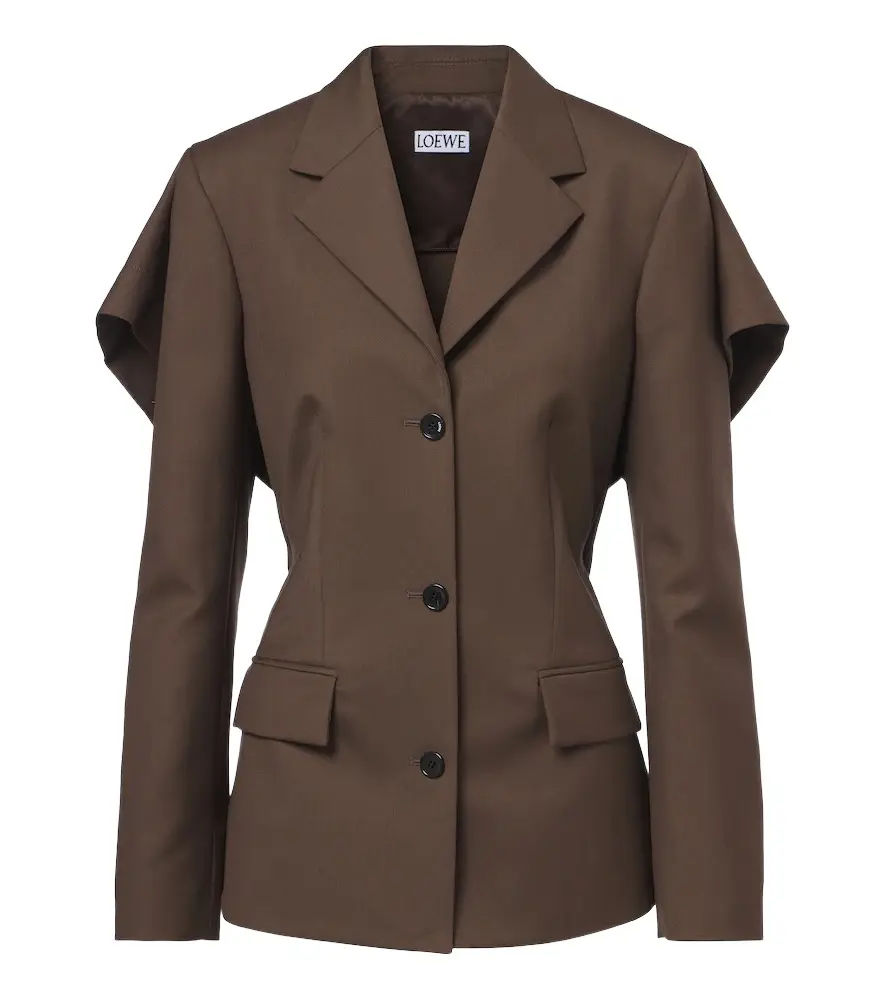
A short cape follows the same rules with less fabric to manage. It clears a midi skirt, suits wide trousers when the colors match, and is the easier length for driving and stairs. Max Mara makes soft cashmere capes that drape rather than stand away from the body, and caped tailoring, such as a blazer with a cape over the shoulders, brings the shape indoors.
Short capes, cape coats and caped tailoring


What to wear under a cape
The cape covers your body, so what goes underneath is mostly about your neck, your arms and your hem.
- Fine knits. A cashmere or merino crewneck or turtleneck is the default. Choose one with full-length sleeves, since the sleeves are the part of the knit that shows and the part that keeps you warm.
- Tailoring. A cape is one of the easiest coats to wear over a blazer or a suit: there are no sleeves to crush the jacket's shoulders or bunch at the elbow. Choose a cape long enough to cover the jacket's hem.
- Dresses. A long-sleeved knit midi dress under a knee-length cape, or a slip dress with a knit layer under a short cape for evening.
- What does not work. Hooded sweatshirts, whose hood bunches under the collar; puffed or balloon sleeves under a short cape, which bulge out of the arm openings; and a long cardigan that hangs below a short cape's hem.
Mind the temperature. A cape keeps your core warm but lets air in at the arm openings and the hem, so on the coldest days add a scarf, gloves that overlap your sleeves and a knit with some weight. Our guide to the best cashmere coats explains why dense cloth matters as much as fiber.
Cape coat outfits: eight ways to wear one
For work
- Navy cape over a navy suit, ivory turtleneck and black pumps. The cape sits over the jacket without creasing it; carry a structured top-handle bag. Our guide to winter work outfits has the rest of the office wardrobe.
- Gray cape, gray flannel trousers, black turtleneck, black loafers. A tonal outfit keeps the cape from looking like a costume in a conservative office.
- Caped blazer, straight trousers and a fine knit. The cape becomes a detail rather than the outerwear, for offices that welcome a statement.
For weekends
- Camel cape, cream turtleneck, dark straight jeans, brown knee boots. The boots and jeans make a narrow base under the width.
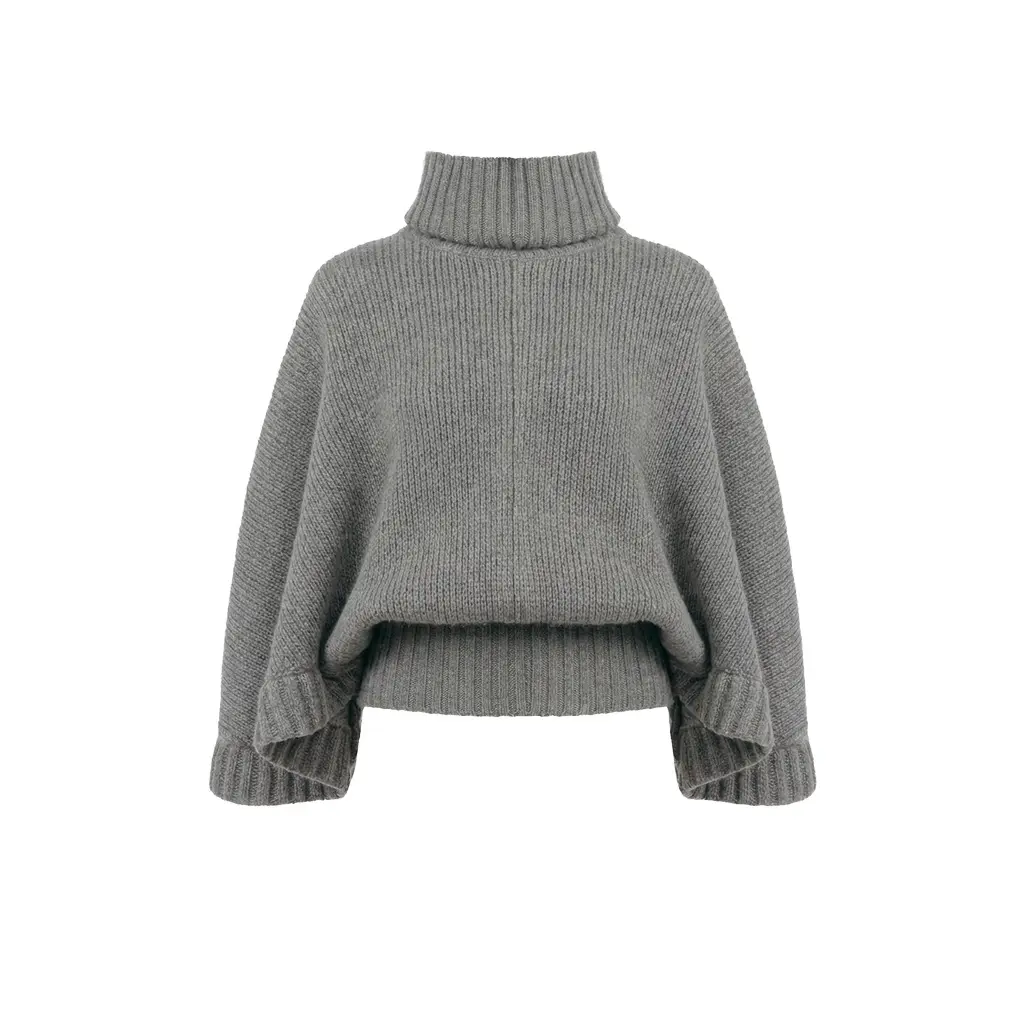
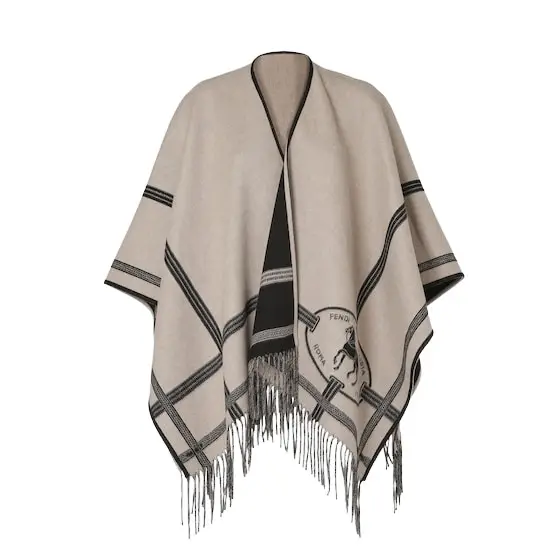
- Knit cape or poncho over a fitted sweater and slim trousers. The easiest version for travel days.
Ponchos and knit capes

For evenings
- Short cape over a slip dress, with sheer black tights and pointed pumps. The cape covers bare arms between the car and the door.
- Long cape over a column gown, with elbow-length gloves and a clutch. A cape does not crush a delicate sleeve or bodice the way a coat does.
For snow
- Belted long wool cape, lug-sole knee boots, long leather gloves and a cashmere beanie. The belt and the gloves close the two gaps a cape leaves open.
How to choose a cape: length, shoulders, waist and fit
Anyone can wear a cape. What changes the effect is its length, its shoulder and its fastening, plus how well it fits and how much you need to move in it.
- Length. A cape is one large, unbroken shape, so the share of your height it covers sets the effect. A hip-to-knee length leaves more leg in view below the hem and is easier to walk in; one color from cape to shoe carries the line from shoulder to floor. An ankle-length cape covers almost everything in a single shape, reads dramatic and needs a slim boot beneath so the base does not disappear.
- Shoulders. A cape hangs from your shoulder points, so it repeats their width. A structured cape in firm wool with a stand collar adds width and definition at the shoulder; a soft cape in drapey cashmere or a knit follows the body more closely. For less emphasis at the shoulder, choose soft drape, an open front or a V opening; for more, choose firm cloth and a defined shoulder line.
- Waist. A cape falls straight from the widest point of the upper body. If you want to show your waist, choose a style you can belt or an open front over a fitted layer. If you like the straight fall, leave it unbelted; that clean column is the point of the shape.
- Fit. Many capes come in one size or in two combined sizes, so check two points rather than the size label. The shoulder line should sit on your own shoulder, not slide down your arm, and the arm slits should fall around your hip bone, where your hands rest. Slits that land well below that mean the cape is too long for you.
- Movement. If you carry a heavy bag, drive or cycle, a cape coat with sleeves or a short cape will frustrate you less than a long, sleeveless one.
Bags, gloves and shoes for a cape
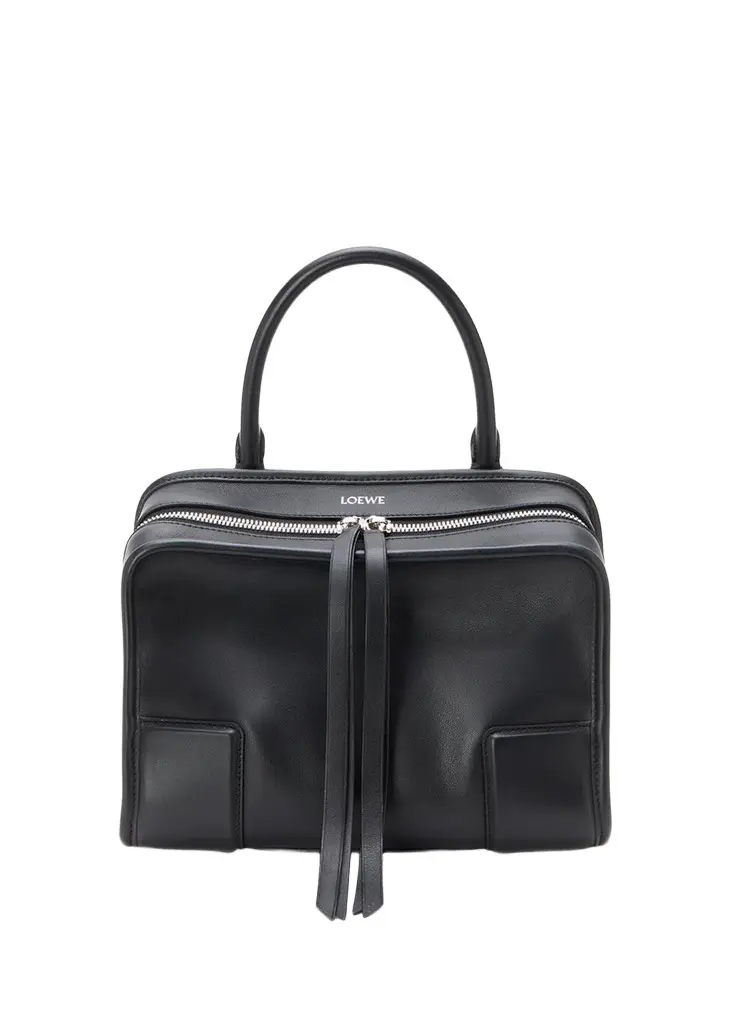
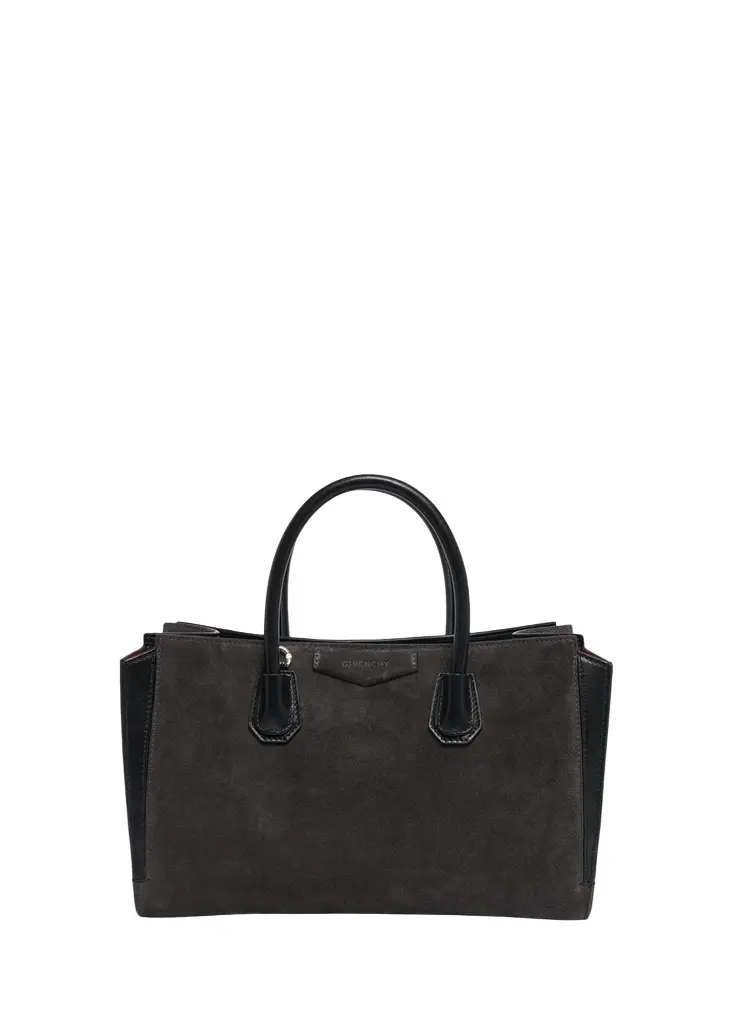
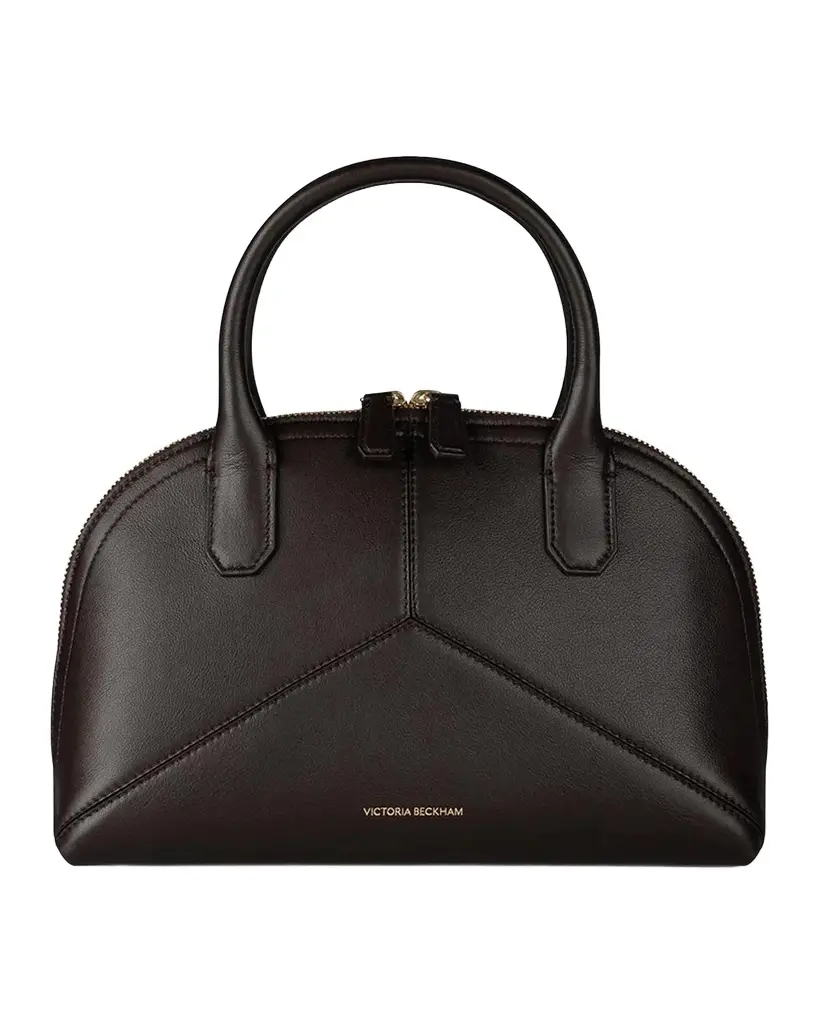
Bags. Carry a top-handle bag in the hand or the crook of the arm, or a clutch in the evening. A shoulder bag slides off a cape's sloping shoulder and flattens the drape on one side, and a large tote drags the hem. If you need to be hands-free and your cape has arm slits, wear a small crossbody bag underneath, short and close to the body, and reach it through the slit. A small or medium bag in a contrasting color becomes the focal point against a plain cape. Browse all top-handle bags.
Top-handle bags to carry with a cape
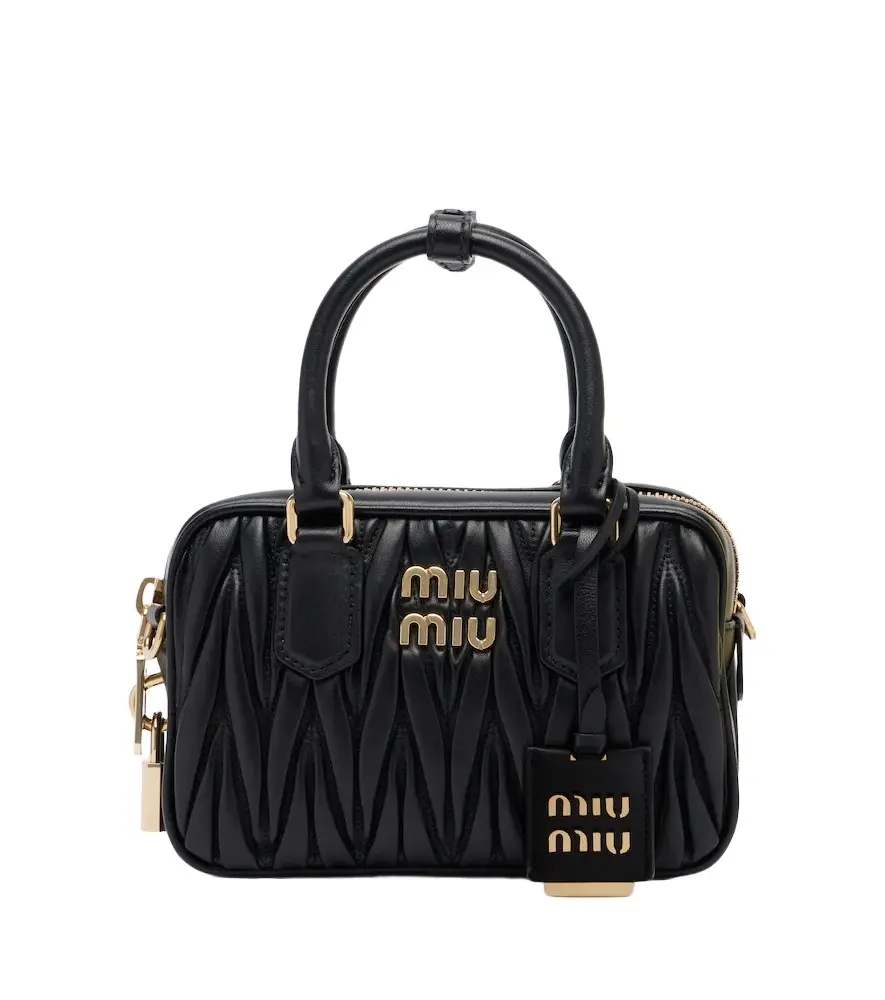
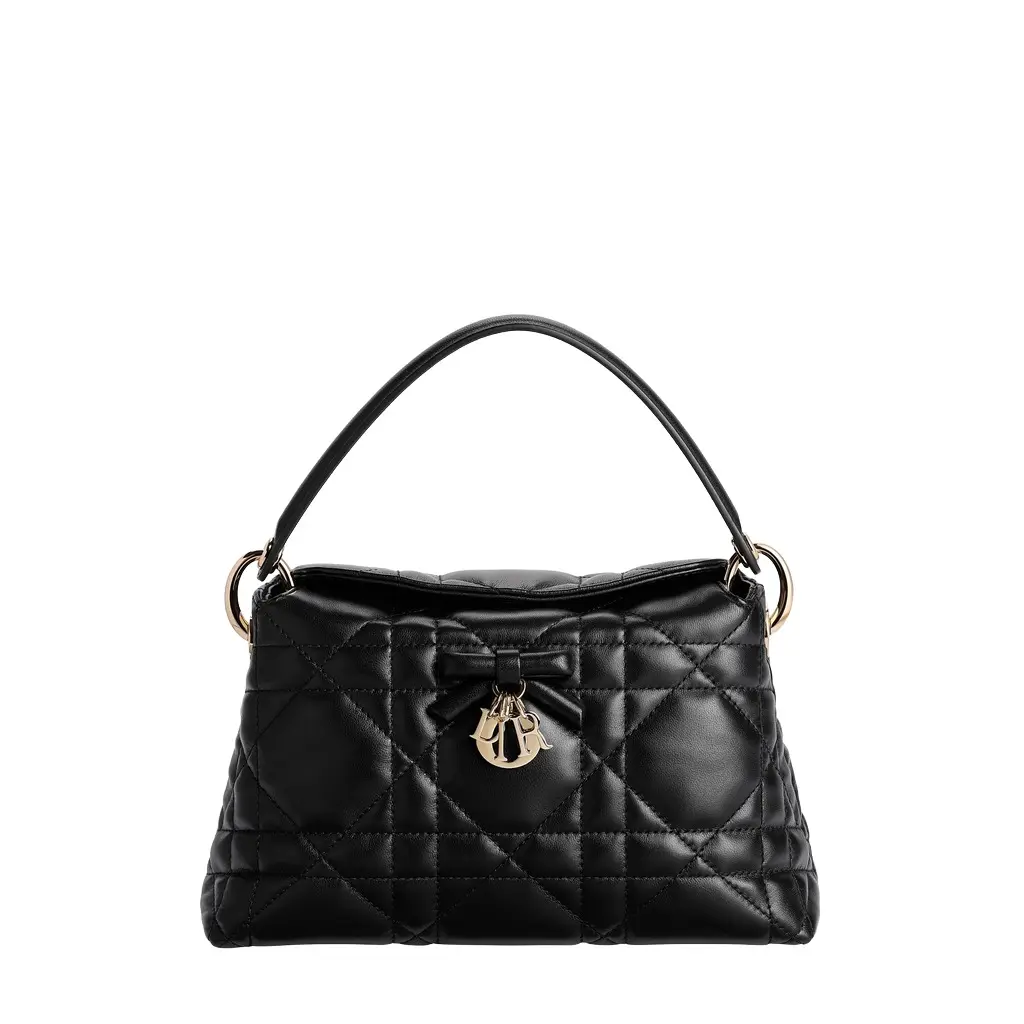
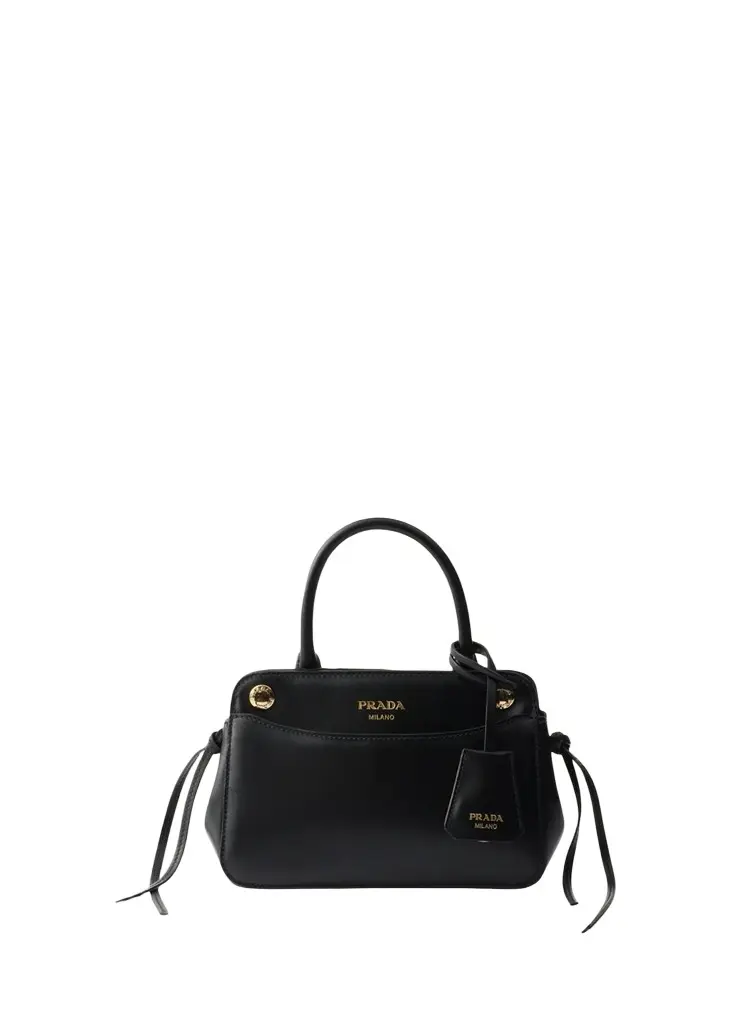
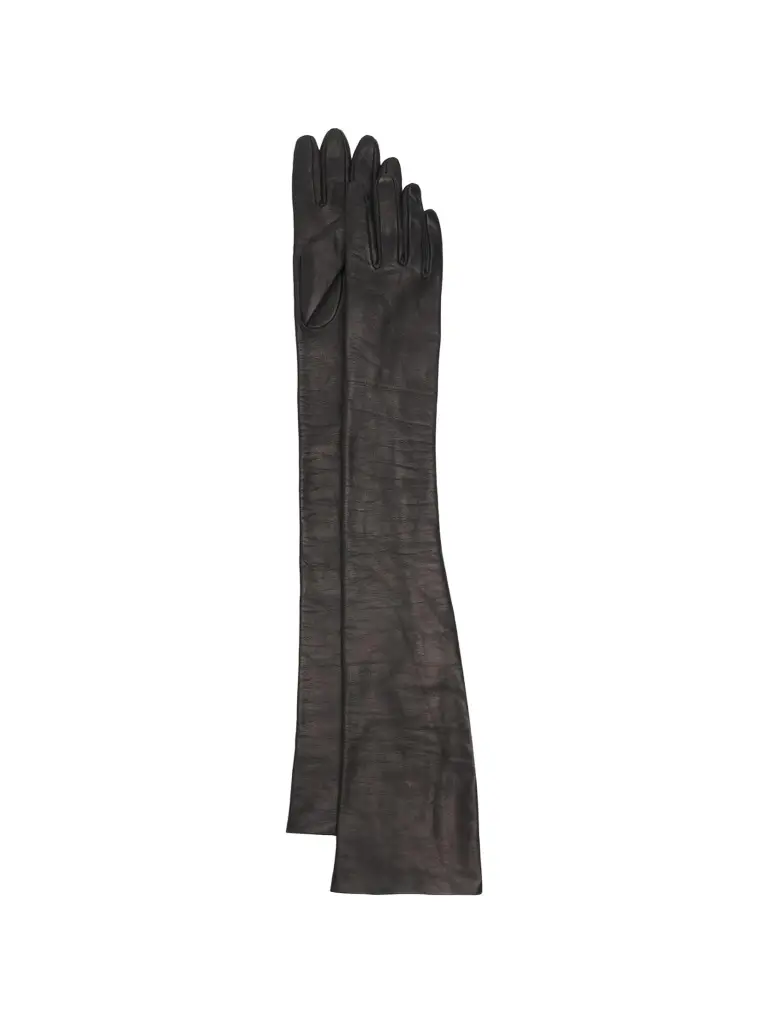
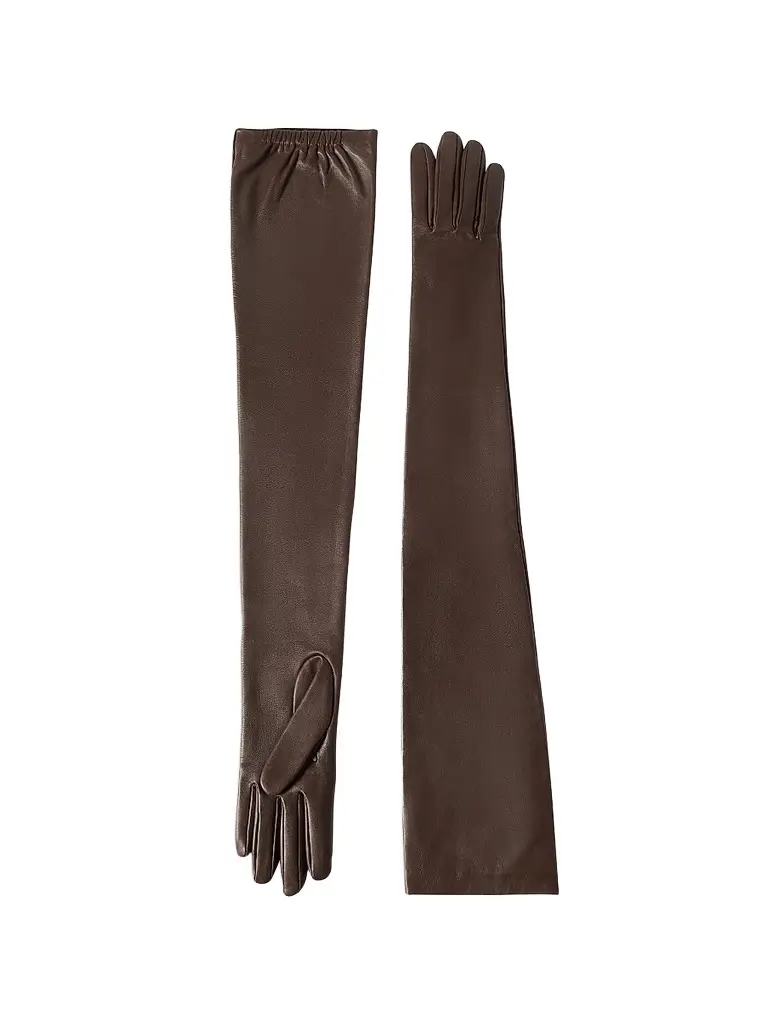
Gloves. The forearms are a cape's cold spot, so gloves do more work here than with any coat. Choose elbow length or longer with a sleeveless or three-quarter-sleeved cape, so the glove overlaps your sleeve even when you lift your arm; our guide to the best designer gloves explains lengths and fit. Match the gloves to your boots or your bag, and see all gloves.
Long gloves for bare forearms


Shoes. Knee boots close the gap between a skirt and a cape and keep the base narrow; see our guide to the best knee-high boots and our knee-high boot shop. Pointed pumps suit a column skirt or a gown; loafers suit trousers; lug-sole boots handle a long wool cape in snow. Avoid chunky sneakers with a long, formal cape, since the cape's elegance and the shoe's bulk pull in opposite directions.
Want a cape look built around what you already own? Ask our AI stylist to style any cape on this page with pieces from your closet.
How we chose
Every piece here comes from a house on our luxury list, was live on Vêtir when we published, and was checked by our editors against its photographs for silhouette, length and color, so that each module shows the shape its section describes: long capes and cape coats, short capes and caped tailoring, knit capes and ponchos. We favored dense wool and cashmere for capes, because thin cloth flaps in the wind and collapses at the hem, and we spread picks across houses and prices. Capes are often sold in one size or in two combined sizes, so some pieces have limited runs; where two versions of a cape were equivalent, we chose the one in more sizes, and each module refills with similar pieces when something sells out. There are no pre-owned pieces in this edit.
Frequently asked questions
What do you wear under a cape?
A fine knit with full-length sleeves, such as a cashmere turtleneck or crewneck, over slim trousers, straight jeans or a column skirt. A cape also goes over a blazer or a suit without crushing it, and over a knit midi dress with knee boots.
Can you wear a cape to work?
Yes. In a navy, charcoal, black or camel wool it reads as outerwear, not costume, and it sits over tailoring without creasing the jacket's sleeves. Pair it with a structured top-handle bag and keep the rest of the outfit tonal.
What is the difference between a cape and a poncho?
A cape fastens at the neck or down the front and hangs from the shoulders, often with arm slits. A poncho is a blanket-like shape with an opening for the head, usually open at the sides and often knitted, so it is more casual and usually less warm.
Can you wear a crossbody bag with a cape?
Only underneath it. Wear a small crossbody short and close to the body under a cape with arm slits and reach it through the slit. Over the top, the strap flattens the drape; a top-handle bag or a clutch is the better match.
Are capes warm enough for winter?
A long cape in dense wool or cashmere keeps your core warm, but air gets in at the arm openings and the hem. Add elbow-length gloves, a scarf and a knit with full sleeves, or choose a belted cape or a cape coat with sleeves if you walk far in hard cold.
What length of cape is most practical?
Hip to knee length. A hip-length cape clears a midi skirt; a knee-length one covers a jacket and a knee-length dress. Both work over trousers and are easy to walk, sit and climb stairs in. Longer capes are warmer but need a narrow base and more care on stairs and in cars.