Fall Wardrobe Essentials: 10 Pieces to Own, and When the Weather Calls for Each One
The fall wardrobe essentials are ten pieces: a trench coat, a wool coat, a leather or suede jacket, a blazer, a fine-gauge crewneck, a turtleneck, straight jeans, wool trousers, a midi skirt or knit dress, and a pair of loafers with one pair of ankle boots. Bought in the right weights, they cover everything from a 70-degree afternoon at the start of October to a 38-degree morning at the end of November, because each one is a layer you add or take off rather than an outfit you replace. Below: the dates when New York's normal temperatures cross the lines that change what you wear, what to look for in each piece, cloth weights, outfits, and what to buy first if you are starting from nothing.
Fall wardrobe essentials, by the weather
The National Weather Service's 1991 to 2020 daily normals for Central Park (daily highs and daily lows) put the normal high below 70°F from October 3 and below 60°F from October 31. The normal low slips under 50°F on October 22 and under 40°F on November 25, and by November 29 even the afternoon high is under 50°F. Inside a single day the gap is just as wide: on October 15, a normal day runs from 52°F at dawn to 65°F in mid-afternoon.
These are 30-year averages for one New York weather station, not a forecast, and any given week can run well above or below them. A warmer city goes through the same steps later and a colder one sooner, so follow the sequence rather than the dates.
| Stretch | Central Park normals (high / low) | Outer layer | Underneath | Shoes |
|---|---|---|---|---|
| October 1 to 14 | 70°F / 57°F, easing to 65°F / 52°F | A trench, or a blazer on its own | Fine crewnecks, straight jeans, light wool trousers | Loafers |
| October 15 to 31 | 65°F / 52°F, easing to 59°F / 46°F | A leather or suede jacket; the trench for rain | Turtlenecks by the last week; skirts with opaque tights | Ankle boots |
| November 1 to 15 | 59°F / 46°F, easing to 54°F / 42°F | The wool coat, over a blazer on office days | Flannel trousers, heavier knits, knit dresses | Ankle boots; loafers on dry days |
| November 16 to 30 | 54°F / 42°F, easing to 49°F / 38°F | The wool coat, buttoned, with a scarf | A turtleneck under almost everything | Rubber-soled ankle boots |
Requests to our AI stylist follow the same calendar. Last year, asks about knitwear, boots and coats rose in October, and this September, asks that mention fall have started rising again.
Choose a palette first: warm or cool
Our stylists make every top work with every bottom by building a fall wardrobe on one of two palettes. The warm palette is camel, chocolate, gray, cream and ivory, with burgundy, olive or rust as the accent. The cool palette is black, gray, white and navy. Gray moves between the two, and so do the honey, stone and taupe of most trenches. The split follows a house preference: in one outfit, Vêtir's stylists never put brown or camel with navy or blue denim, or black with brown.
The outer layers: a trench coat and a wool coat
1. The trench coat
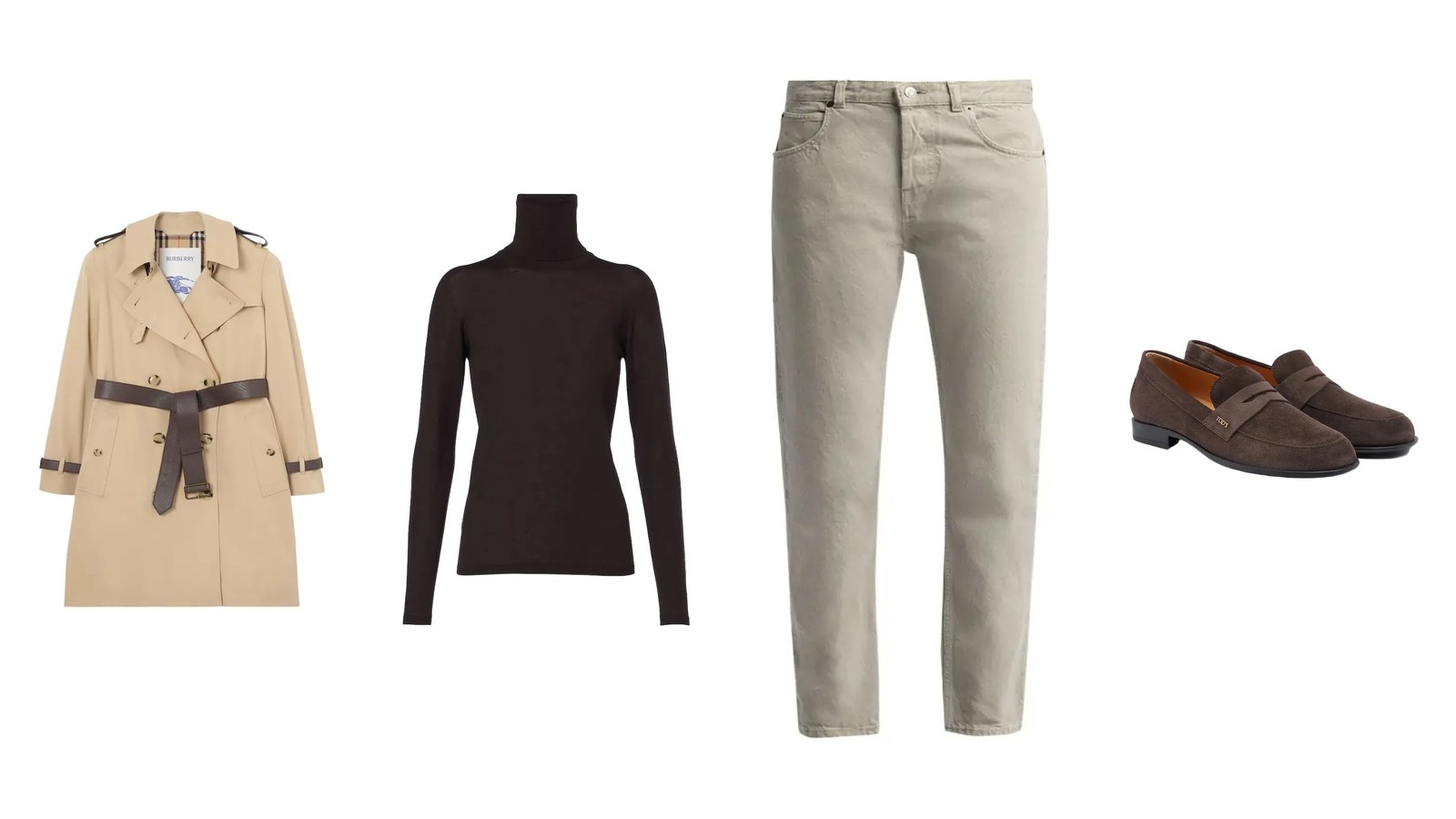
Until the coat takes over in November, the trench does more work than anything else here: it cuts wind and sheds light rain while weighing almost nothing, which is why tightly woven cotton gabardine is the classic cloth. Buy it with your knits in mind. Over the heaviest sweater you own, the sleeves should still reach the base of your thumb, the front should close without strain, and the belt should be long enough to knot behind you when you wear it open. Knee length, or just below, covers a blazer. Burberry's double-breasted Kensington, in honey cotton with dark brown leather trims, is the one we would buy for the warm palette. For the cool one, choose a trench with self-fabric trims, like Victoria Beckham's long, belted Philippa in a muted taupe. Our guide to the best trench coats goes deeper on cut and cloth.
2. The wool coat
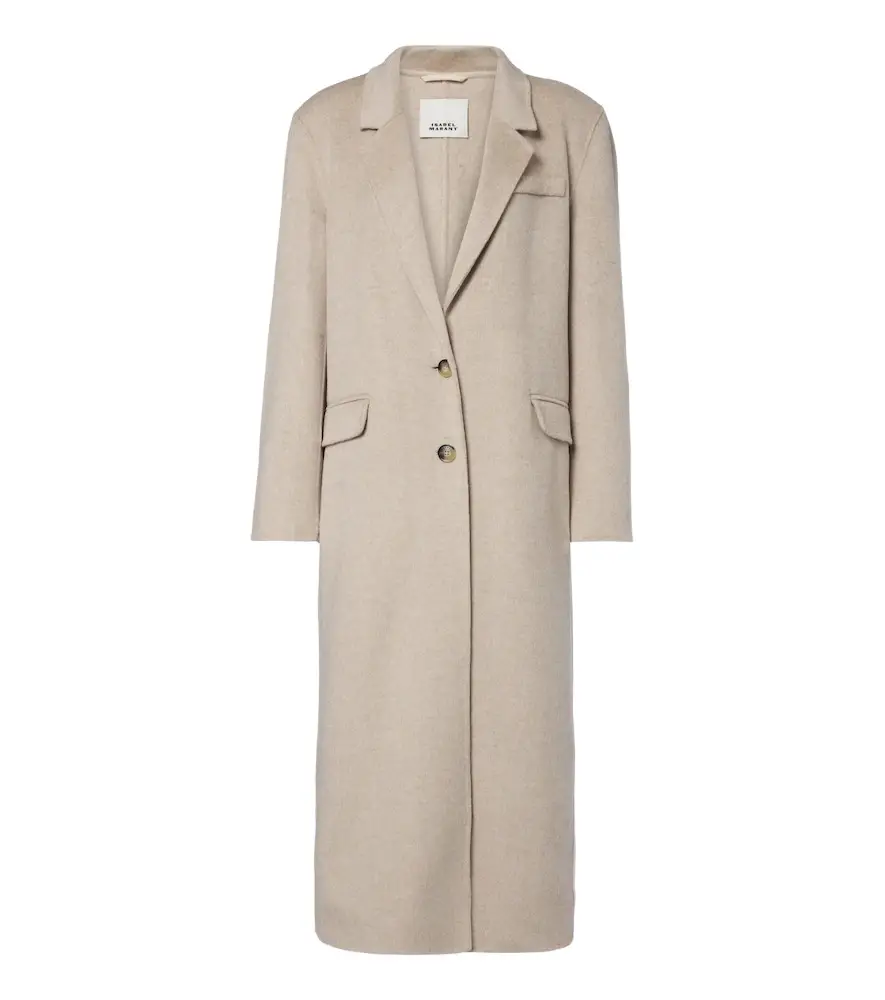
The coat is the November essential. In New York it earns its place in the first week of the month, when normal lows reach the mid-40s. Choose a dense wool, a wool and cashmere, or a double cloth, with enough room in the shoulders and armholes to go over a blazer, and long enough to cover your longest skirt; knee length or just below is the easiest. Camel suits the warm palette and charcoal suits both. Navy belongs with the cool one. Victoria Beckham's double-breasted charcoal coat is long and straight enough to cover tailoring, and Isabel Marant's single-breasted Clesa is wool with a tenth cashmere. Max Mara's belted camel wrap closes over a thin knit or a thick one, but it is an unlined double cloth, so it slides best over smooth knits. For the house that built its name on the camel coat, see our guide to Max Mara coats, which compares its four icons.
Two trenches and three wool coats for fall



The October layer: a leather or suede jacket, and a blazer
3. The leather or suede jacket
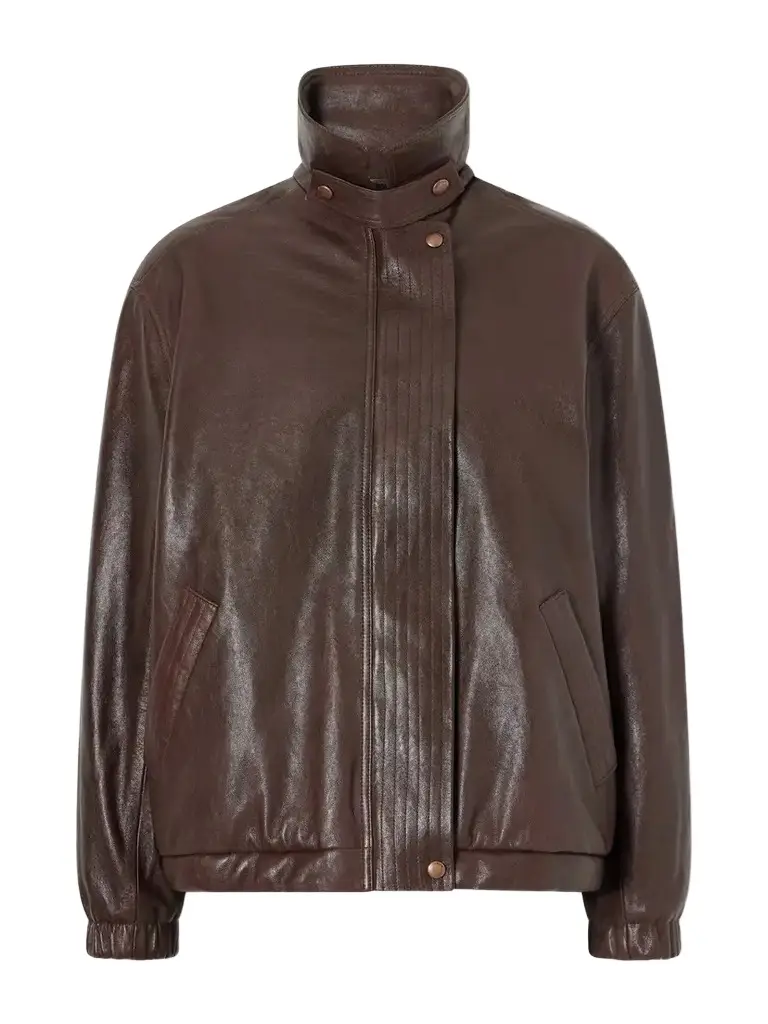
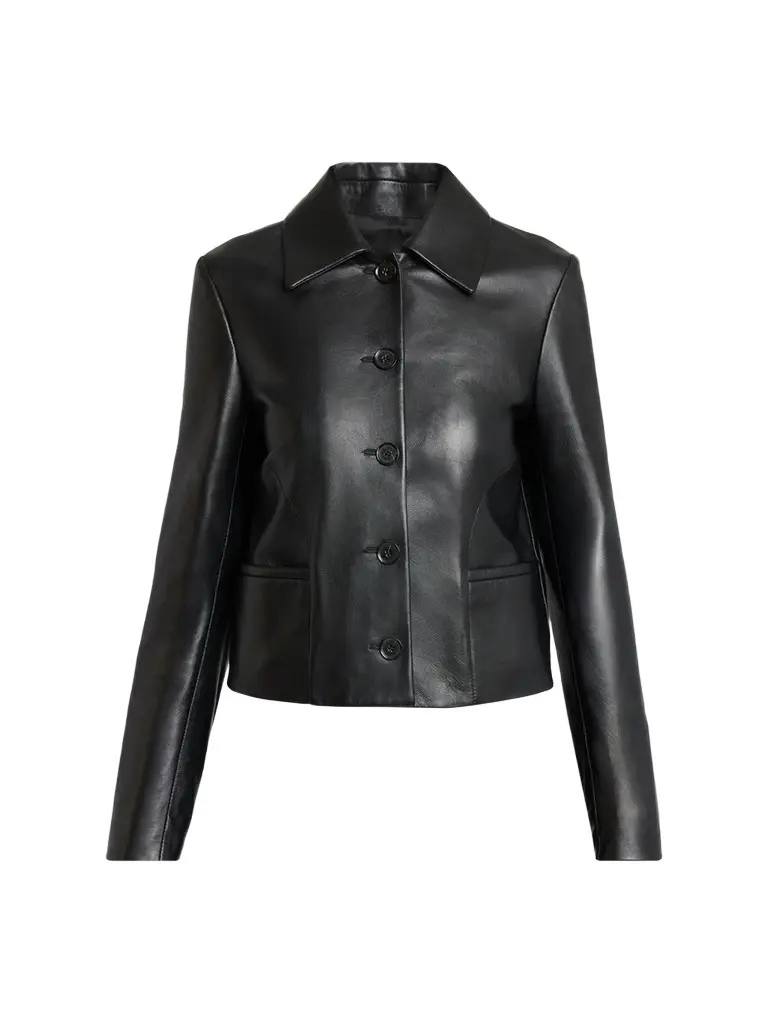
In the second half of October, normal mornings sit around 50°F and afternoons in the low 60s, and a coat would be too much by lunch. A leather or suede jacket blocks wind the way a knit cannot, and it dresses an outfit down where a blazer dresses it up. Choose the shape by what you wear under it. A shirt-collared jacket that stops at the hip, like Proenza Schouler's Irine in brown lambskin suede, goes over dresses and trousers alike. For the cool palette, the house's Kenza is the same idea in black leather. A blouson with a gathered hem, like Magda Butrym's glossy espresso leather one, belongs with high-rise trousers and midi skirts, because its hem should meet the waistband rather than stop an inch above it. Suede is the dry-day jacket and softens as it ages; smooth leather copes better with a damp morning.
4. The blazer
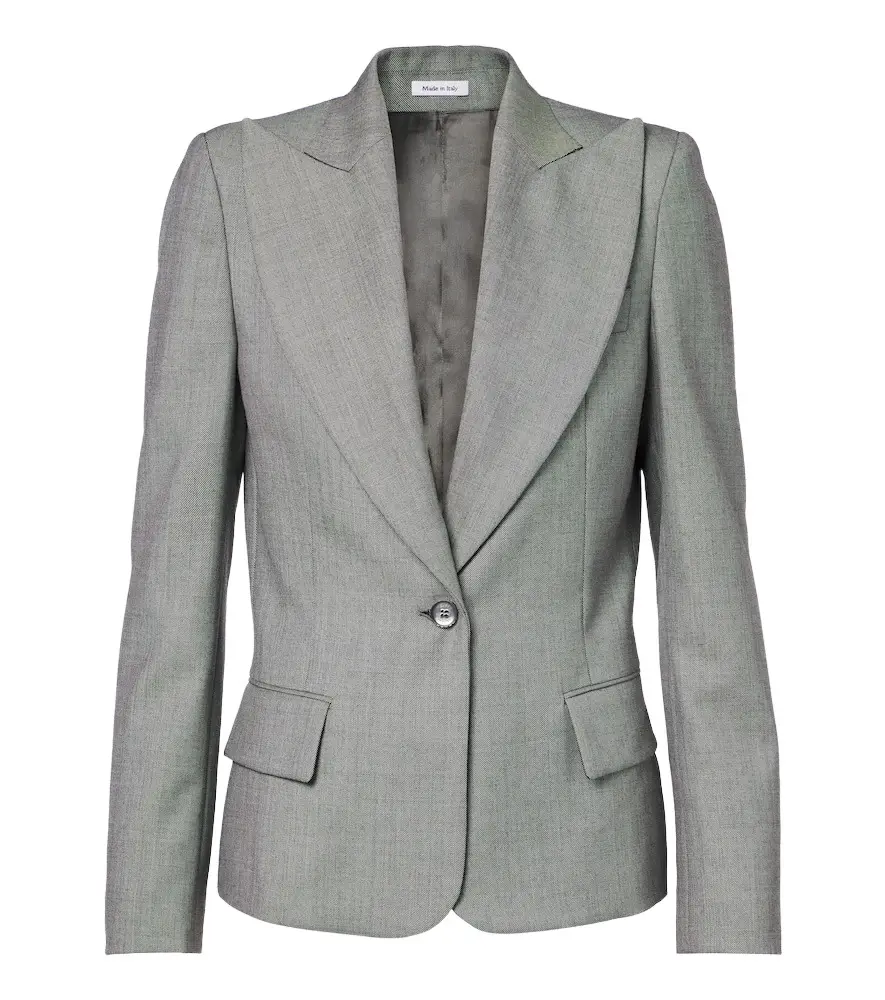
A wool blazer is the layer you keep on indoors, once offices, restaurants and trains are heated and the street is not. Look for a shoulder seam that sits at the edge of your own shoulder, sleeves that let a shirt cuff show, and enough room across the back for a fine knit. Let the length follow the bottom half: a blazer that covers the seat balances jeans and straight trousers, while a shorter one, like Magda Butrym's nailhead wool jacket with its nipped waist, sits better over a midi skirt or a high-rise wide leg. Gray or charcoal wool works with both palettes, and a blazer that fits under your wool coat carries on into November. Alexander McQueen's gray peak-lapel blazer is 100 percent wool; Gabriela Hearst's black double-breasted Angela is the cool-palette choice, buttoned over a black or navy turtleneck.
Leather and suede jackets, and three wool blazers



The knits: a fine-gauge crewneck and a turtleneck
5. The fine-gauge crewneck
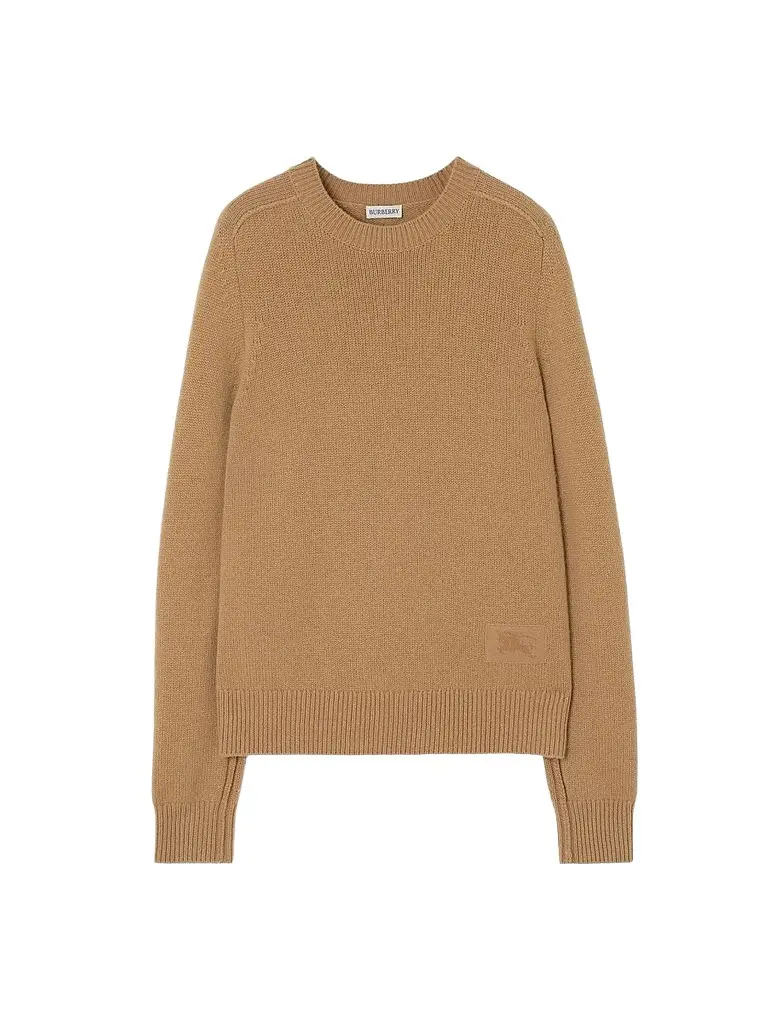
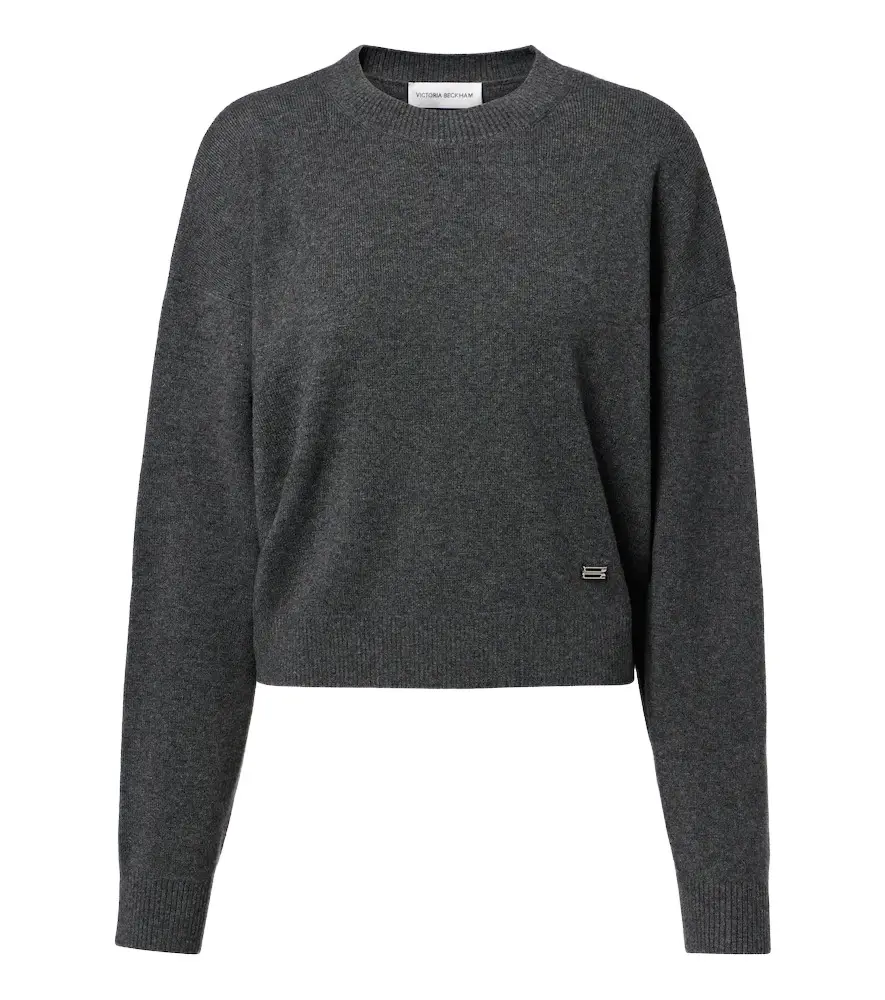
This is the base layer that makes every other piece work: thin enough to sit under a blazer or a trench without bulk, and finished enough to be the outfit at 3 p.m., once the outer layer is off. Watch the length. A hip-length crewneck, like Brunello Cucinelli's fitted cashmere one, tucks into trousers or lies flat under a jacket, while a cropped one, like Victoria Beckham's boxy wool and cashmere crew, meets a high waist without being tucked at all. Buy two neutrals from your palette before any color. For the warm one, that means gray and camel; Burberry's Constance, 98 percent cashmere, is the camel. For the cool one, charcoal and navy do the same job. Our guide to the best cashmere sweaters explains how to judge fiber, ply and knit before you buy.
6. The turtleneck
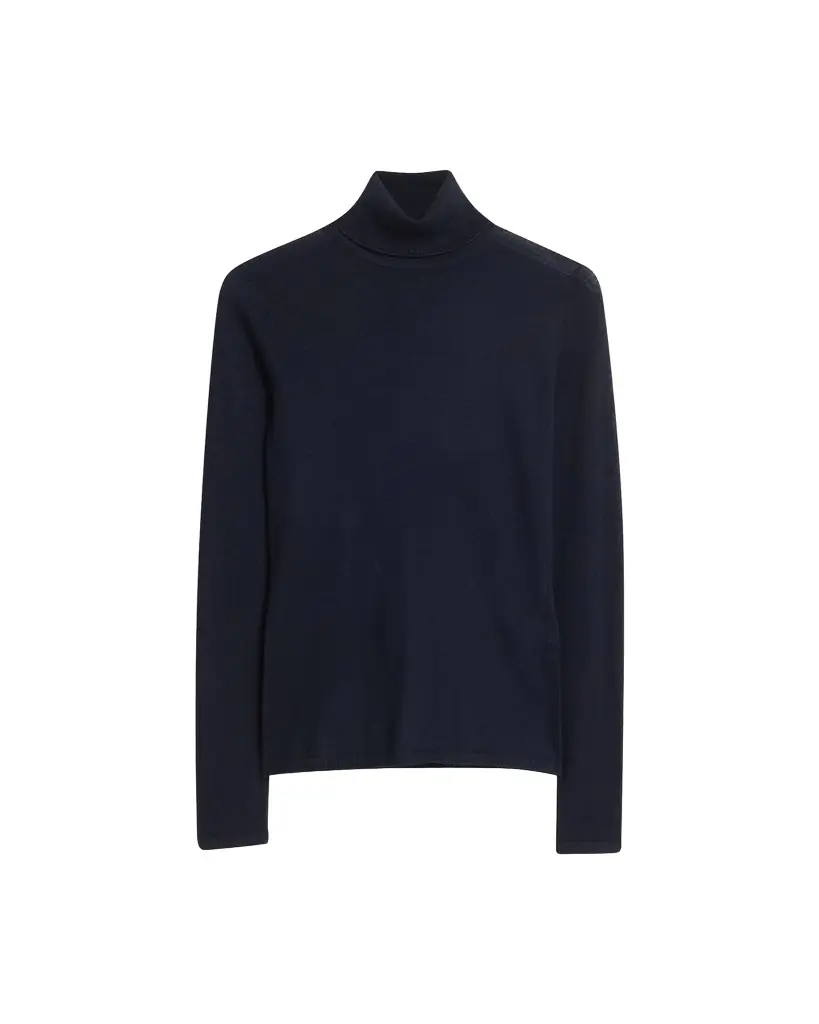
The turtleneck takes over from the scarf in the last week of October, as the normal low drops through the upper 40s. A fine one goes under a blazer and a coat; a heavier rib is the top layer indoors in November. In the warm palette, chocolate is the most useful, because it sits under a camel coat and a gray blazer alike. In the cool one, black and navy do the same job under charcoal. Gabriela Hearst's Costa is cashmere and silk, and Max Mara's chocolate turtleneck is pure virgin wool that can be washed by hand. A mock neck gives the same line with less fabric at the throat.
Fine crewnecks and turtlenecks



The bottoms: straight jeans and wool trousers
7. Straight jeans
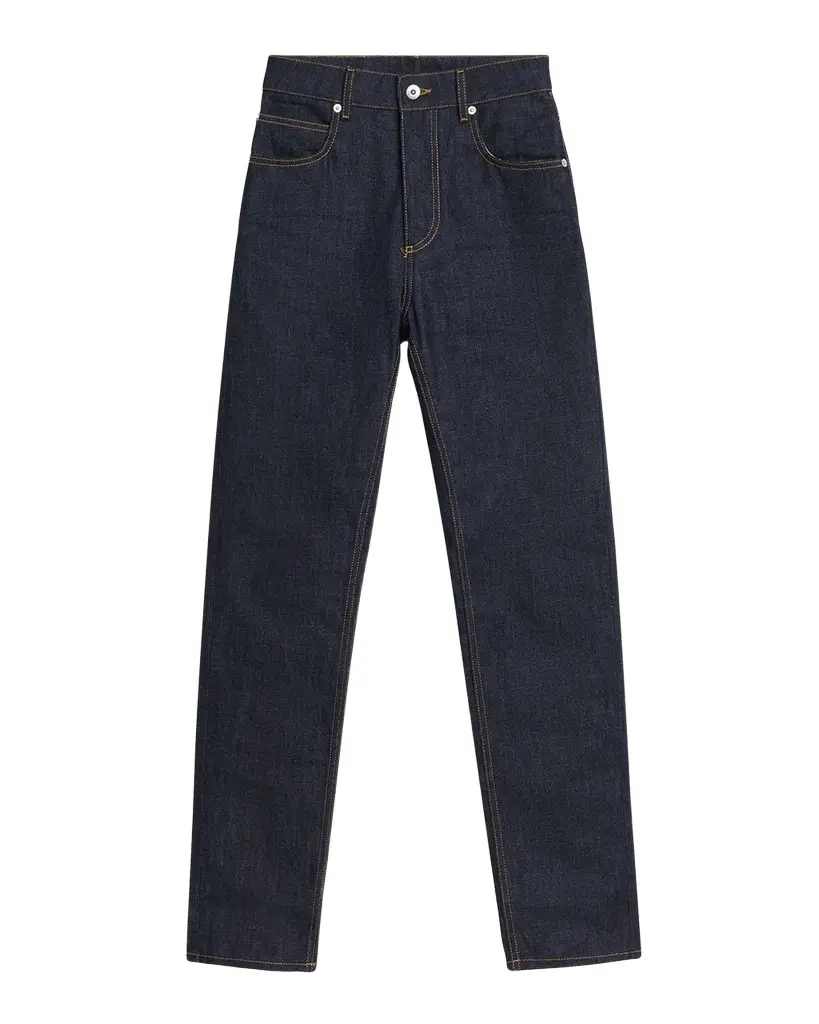
Straight jeans look polished under a blazer and relaxed under a leather jacket, and the leg falls cleanly over an ankle boot. For fall, buy midweight denim, 12 to 16 ounces per square yard, which Candiani, the Italian denim mill, describes as the most common weight and the most versatile, one that holds more heat than lighter cloth (Candiani on denim weights). Choose the color by palette: Bottega Veneta's high-rise pair in a deep indigo rinse is for the cool one, and The Row's Riaco, a straight leg in light gray, is the warm palette's jean. Hem them for the shoe you wear most: long enough to break over an ankle boot, or a clean inch above the ankle bone for loafers.
8. Wool trousers
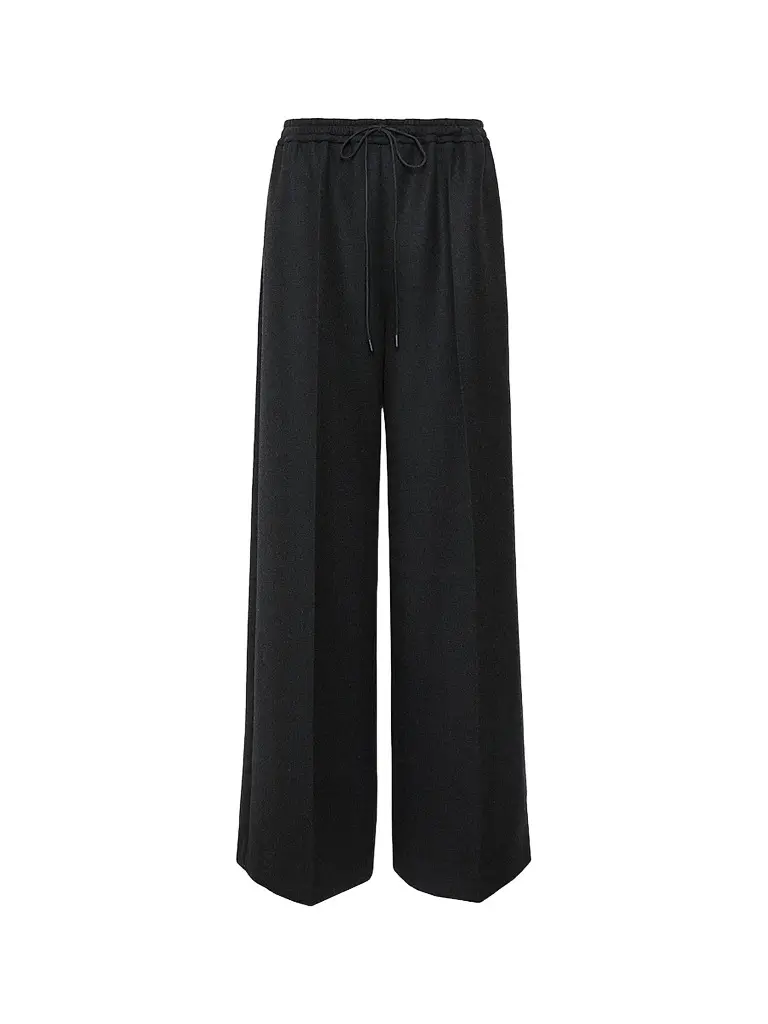
Wool trousers do what jeans cannot: they go to the office, to dinner and under a long coat. A smooth worsted carries October; flannel, a heavier wool brushed to a soft surface, is the November trouser. Jil Sander's slim flannel pair is 100 percent wool, Max Mara's wide-leg flannel has a drawstring waist that sits comfortably under a knit, and Valentino Garavani's high-rise straight leg blends wool with silk. Straight and wide legs work best with boots, because the hem covers the shaft. Gray is the most useful color, because it belongs to both palettes.
Indigo and gray straight jeans, and gray wool trousers


The skirt or dress: a midi you can wear with boots
9. A wool or leather midi skirt, or a knit dress
A hem that falls below the knee is the fall length: it covers the top of an ankle boot's shaft and takes opaque tights from late October. A wool or leather skirt is the more flexible choice if you already own knits. Magda Butrym's gray wool-blend column has a back slit, so you can walk in it, and Gabriela Hearst's houndstooth Wesley is pleated and falls below the knee. A knit dress is the faster choice, a complete outfit that needs only a jacket or coat: look for merino, cashmere and silk, or a wool and cashmere blend that skims rather than clings, so a blazer or leather jacket sits smoothly over it. Proenza Schouler's Rosario, in rust merino with a button front, is the warm palette's accent.
Wool and leather midi skirts, and three knit dresses
 Magda ButrymWool and cashmere-blend midi skirt$1,635
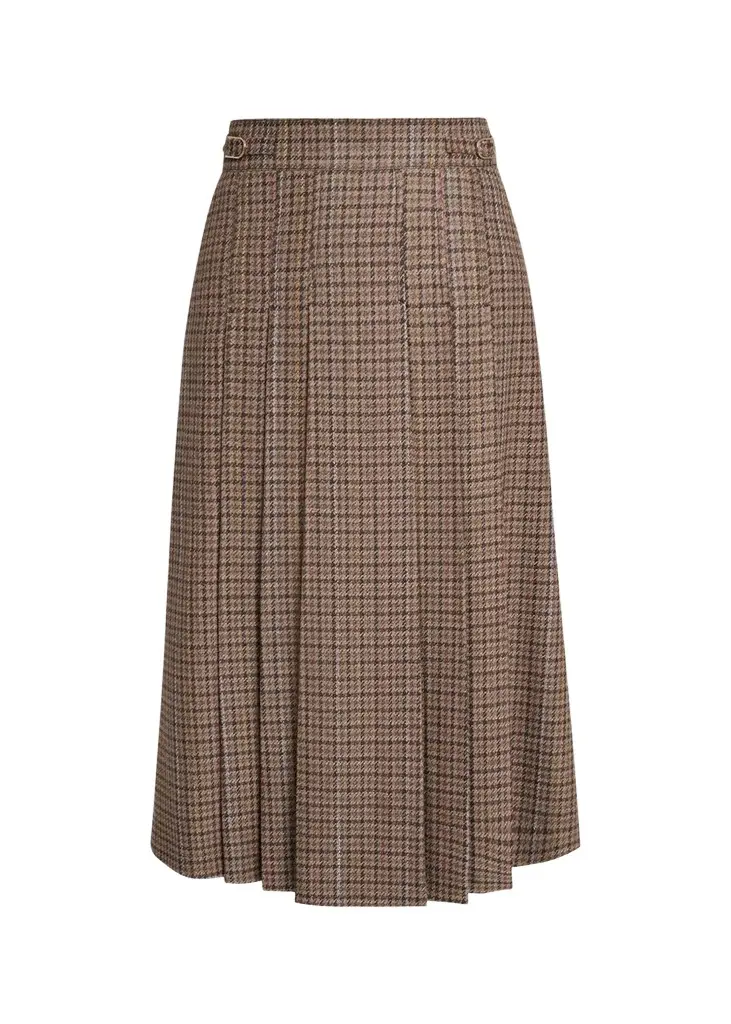 Gabriela HearstWesley Houndstooth Pleated Midi Skirt$1,590
 Max MaraAntino Belted Leather Midi Skirt$3,150
 Max MaraWool and cashmere-blend sweater dress$1,840
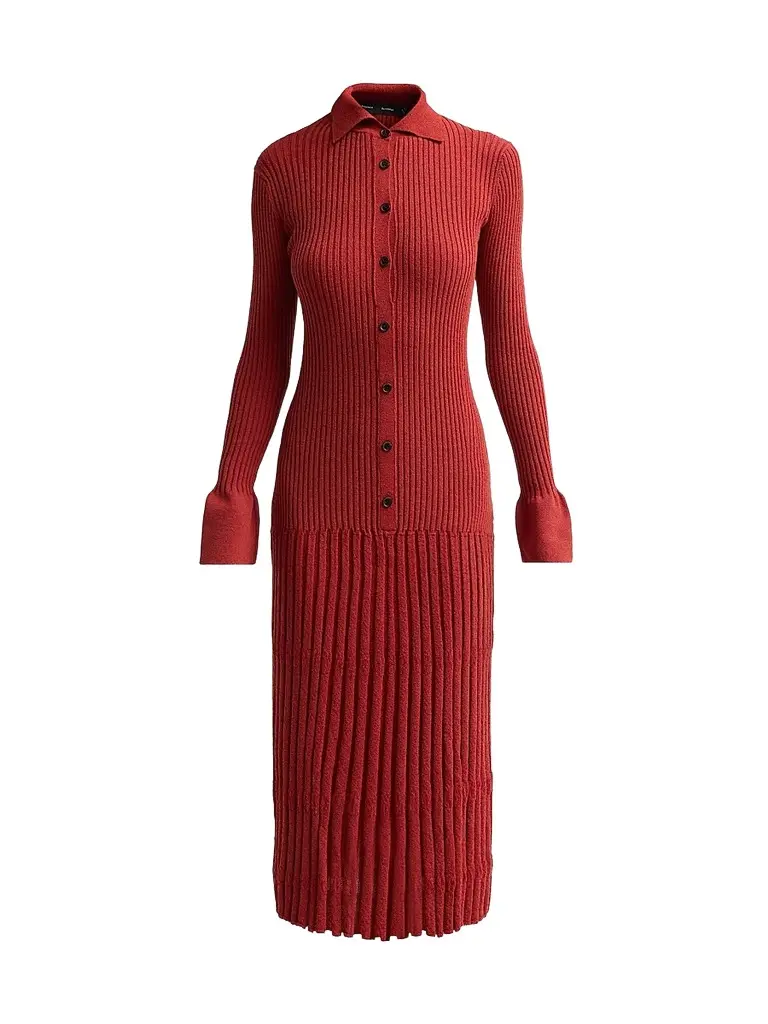 Proenza SchoulerWomen's Rosario Textured Merino Wool Midi Dress$1,290
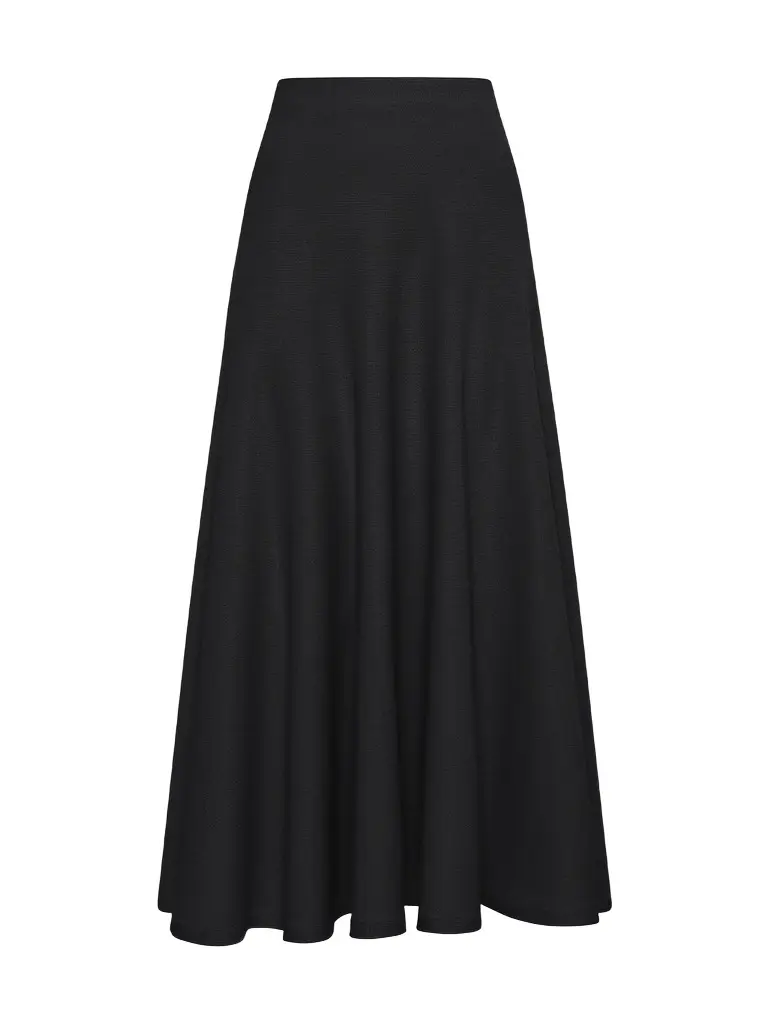 Gabriela HearstCairan Wool Knit Midi Skirt$2,850
The shoes: loafers and one pair of ankle boots
10. Loafers, plus ankle boots with a rubber sole
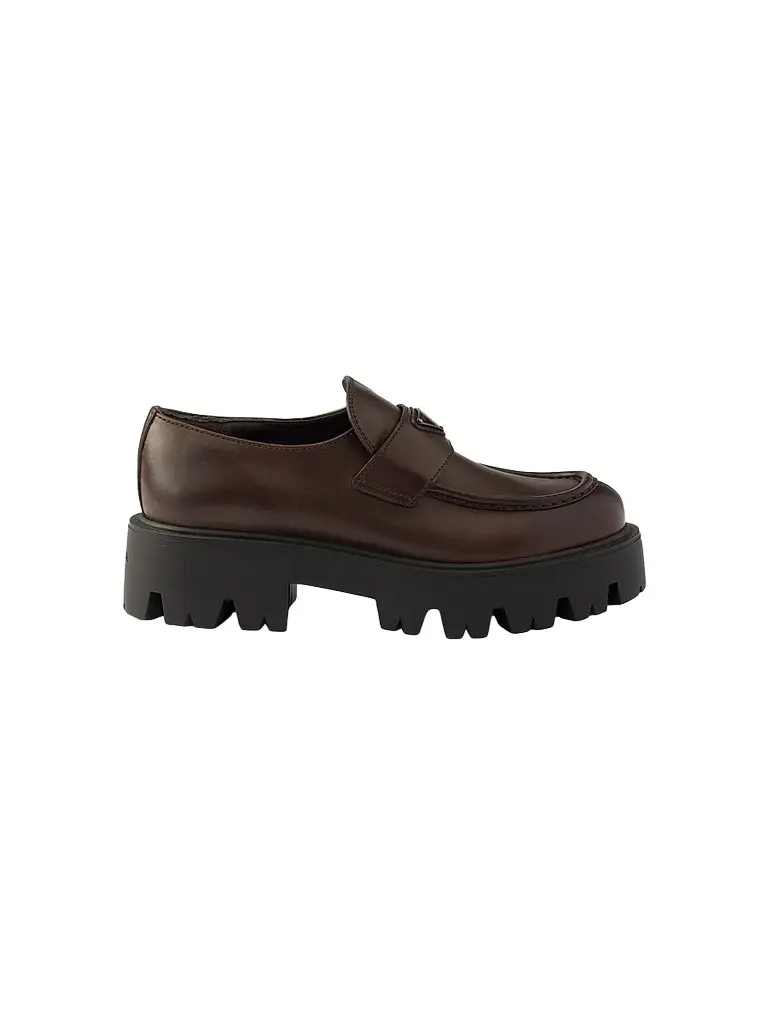
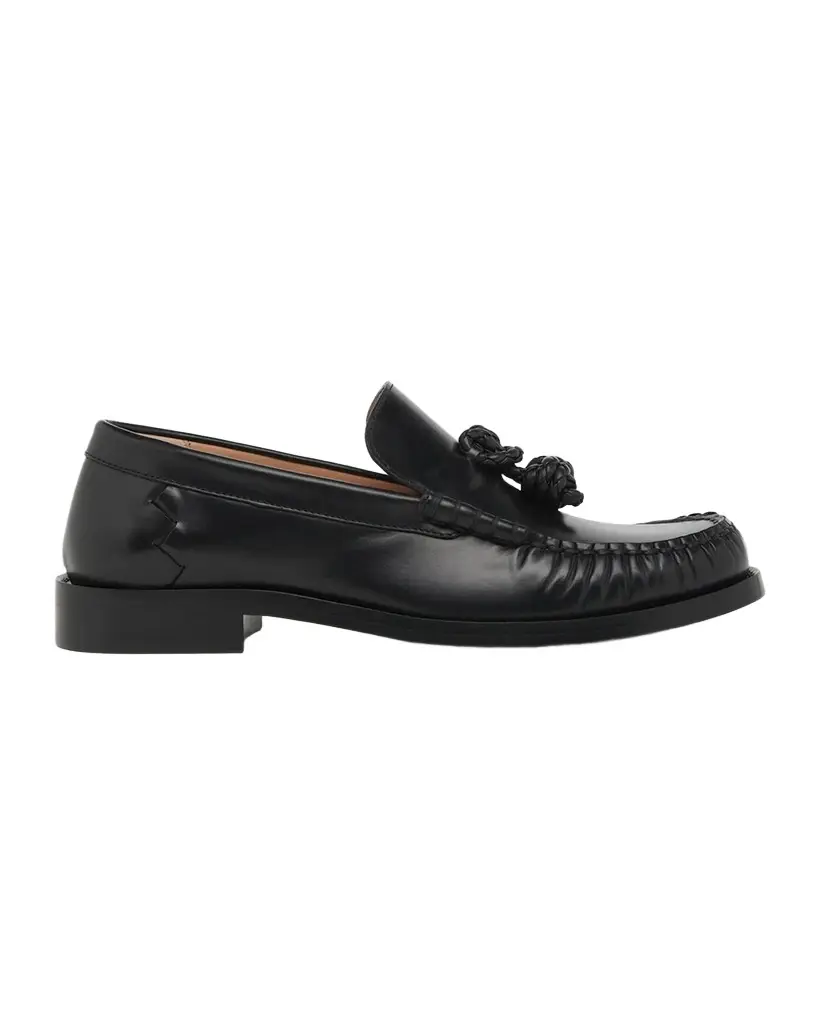
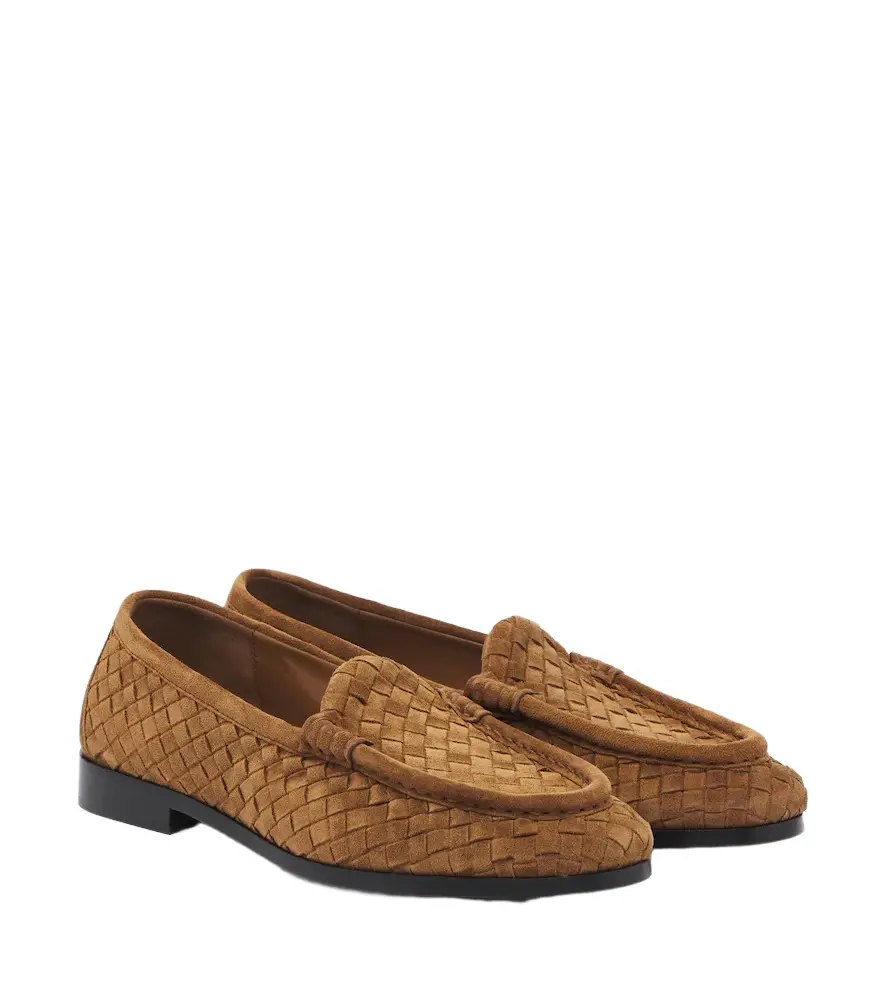
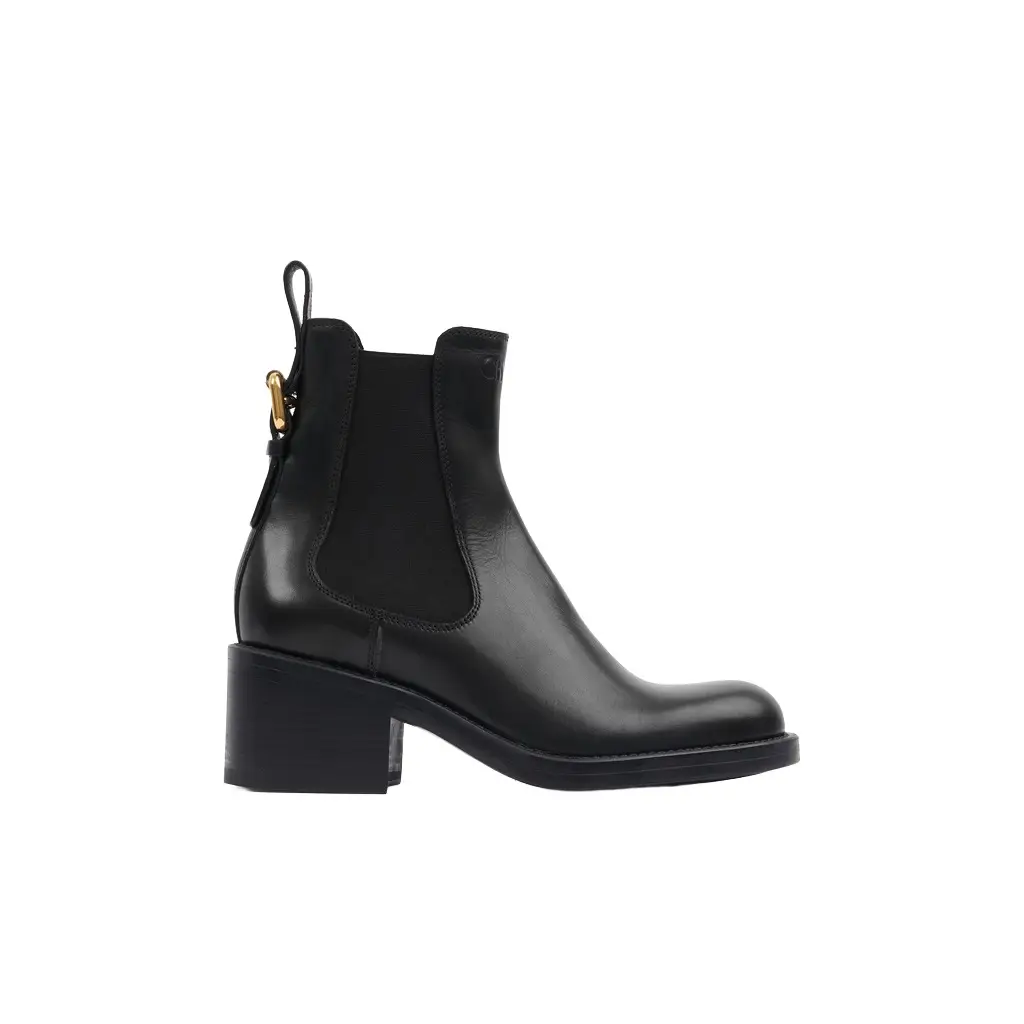
Two pairs cover a fall. Loafers carry the dry, mild days of October with trousers, jeans and skirts; ankle boots take over when the tights come out and whenever the day looks wet. The sole decides which pair goes out in the rain. Tod's suede penny loafer sits on rubber, and so does its suede Chelsea boot, on the pebbled sole the house is known for. Prada's brown leather loafer rides on a 50-millimeter rubber lug sole, and Bottega Veneta's woven suede Silenzio has a leather sole, which makes it a dry-day shoe. Brown suede, the most seasonal choice for either pair, belongs to the warm palette. For the cool one, choose black leather, like Bottega Veneta's knotted Ugo loafer or Chloé's rubber-soled Dakota Chelsea boot, which also wipes clean after a wet walk. For every kind of ankle boot, where a hem should fall over each, and how to keep suede going in the wet, see our guide to the best boots for fall.
Four loafers and two rubber-soled Chelsea boots


Fabric weights for fall: what the numbers mean
Few women's labels print a cloth weight, but the mills that publish theirs give you a scale for judging warmth. Fox Brothers, the Somerset cloth mill, measures its cloths in grams per linear meter. It puts its three-season Fox City cloth at 290 to 320 grams and its 1772 Flannel, which it lists for cold-weather tailoring, at 400 to 430. For trousers in particular, the mill says mid to heavier cloths help them hold their line and drape cleanly through repeated wear. It also warns that weight is only a starting point: an open weave can make a heavier cloth wear cooler than expected, and a lighter cloth can feel warmer when it is worn close and structured (Fox Brothers on cloth weight).
| Fabric | How it is measured | October | November |
|---|---|---|---|
| Trouser and blazer wool | Grams per linear meter | A worsted or three-season cloth, about 230 to 320 grams at Fox Brothers | Flannel, from about 400 grams |
| Denim | Ounces per square yard | Midweight, 12 to 16 ounces | The same midweight; Candiani calls heavyweight denim, over 16 ounces, rare today |
| Knitwear | Gauge, the needles per inch on the knitting machine: the higher the number, the finer the knit | Fine gauge, thin enough to slide into a jacket sleeve | A lower gauge, worn as the top layer indoors |
Where no weight is given, use your hands and the calendar. Flannel has a brushed, slightly fuzzy surface you can feel with a fingertip; a worsted is smooth and hangs more crisply. We move trousers from worsted to flannel when the normal high drops below 60°F, which in New York is Halloween, and knits from fine to heavier gauge once the normal low goes under 40°F in the last week of November.
How the ten pieces combine: outfits for a thirteen-degree day
Three rules make fall layering work. Put the warmth in the layer that comes off, so the coat or jacket does the heavy lifting and the pieces underneath stay light. Make the base layer presentable on its own, because by mid-afternoon it is what everyone sees. And never stack two thick layers: a chunky knit needs a roomy coat over it, not a close-cut tailored one. Proportion follows the same logic: a hip-length jacket over a midi skirt, a long coat over straight or wide trousers, a cropped knit with a high waist. Each outfit below keeps to one palette.
- Early October, a 65-degree Saturday (warm): the brown suede shirt jacket over the camel crewneck, light gray straight jeans and brown suede loafers.
- Mid-October, 52°F at dawn and 65°F by mid-afternoon (warm): the espresso leather blouson over the gray crewneck, gray wool trousers and tan suede Chelsea boots, with the jacket off by lunch.
- A wet day in either month (cool): the taupe trench over the gray knit dress, with black rubber-soled Chelsea boots.
- Late October, when afternoons stop at 60°F (warm): the honey trench over the chocolate turtleneck, light gray jeans and brown suede loafers, the outfit in our lead image.
- A late-October evening (cool): the black double-breasted blazer over the navy turtleneck, dark indigo jeans and black leather loafers.
- Early November, at the office (warm): the charcoal coat over the gray blazer and the chocolate turtleneck, gray flannel trousers and brown leather loafers. Inside, the coat comes off and the blazer stays on.
- Late November, below 40°F in the morning (warm): the camel wrap coat over the chocolate knit dress, opaque chocolate tights and tan suede Chelsea boots.
Already own some of these? Once your wardrobe is in your Vêtir closet, sign in and ask our AI stylist to style an outfit from your closet around them.
Fall capsule pieces: what to buy first
If you own none of these, buy in the order the weather asks for them. While highs are still near 70°F: the trench, two fine crewnecks, straight jeans and loafers, which see you through the first three weeks of October. Before October 22, when the normal low slips under 50°F: the leather or suede jacket or the blazer, a turtleneck, wool trousers and ankle boots with a rubber sole. Before the first week of November: the wool coat. We would put the most money into the two coats and the ankle boots, which take the most weather, and less into the knits, where a fine merino does most of what cashmere does under a jacket. Buy everything inside one palette, using two or three of its neutrals and one accent, such as gray, camel and chocolate with burgundy, and every top will work with every bottom.
That makes this list narrower than a capsule wardrobe, which is a small, complete set of clothes planned so that everything goes with everything. These are the luxury fall basics most capsules lean on. Our capsule wardrobe guide covers the planning, from mapping how you actually spend your week to auditing what you already own, and for office dressing in particular, our fall work wardrobe adds suiting separates, shirts and a work bag.
How we chose
We built this edit around the four stretches in the table rather than around trends, and kept only pieces that earn their place in at least two of them, as the trench, the blazer and the ankle boots all do. We read the composition on each listing and favored wool, cashmere, cotton gabardine, leather and suede; for coats, blazers and trousers we set the line at a quarter synthetic or viscose, which left out a scarf coat that is only 61 percent wool. We compared every photograph with its listing and dropped what did not match: a pleated "midi" skirt that photographs as a mini, a gray-melange sweater that is black, a coat listed in a plain dark color that is a leopard print, and a "trench" that is a beltless snap-front mac. Where the same piece came in several listings, we took the one with the widest size run. Every outfit and the lead image keep to one of our stylists' two palettes. Every product comes from a house on our luxury list and was in stock on Vêtir when we chose it; none is pre-owned.
Frequently asked questions
What are the essential pieces for a fall wardrobe?
A trench, a wool coat, a leather or suede jacket, a blazer, a fine crewneck, a turtleneck, straight jeans, wool trousers, a midi skirt or knit dress, and loafers plus ankle boots.
What should I wear in 60-degree weather?
One light outer layer over a fine knit: a trench or a leather jacket over a cashmere crewneck, with jeans or wool trousers and loafers or ankle boots. At 60°F you want a layer you can take off, not a coat. In New York, the normal afternoon high is around 60°F in the last days of October.
When should you switch to a wool coat?
When morning lows settle in the mid-40s. On the 30-year normals for Central Park, that happens in the first week of November, and by mid-month the normal afternoon high is down to 54°F.
What colors work best for fall?
Our stylists work in two palettes. The warm one is camel, chocolate, gray, cream and ivory, with burgundy, olive or rust as the accent. The cool one is black, gray, white and navy. Stay inside one and every top works with every bottom.
How many pieces do you need for a fall capsule wardrobe?
The ten here, plus the shirts, T-shirts and accessories you already own, make a working fall capsule. The right number depends on how you live; our capsule wardrobe guide plans one around your week and your color palette.
Are loafers or ankle boots better for fall?
Both, at different points. Loafers suit the dry, mild days of early October; ankle boots are better once it rains or the tights come out. If you buy only one pair, make it an ankle boot with a rubber sole.
Keep reading
- The best boots for fall, and how to wear each height
- Max Mara coats compared, from the 101801 to the Teddy Bear
- The best cashmere sweaters, and how to tell good cashmere
- A fall work wardrobe, from suiting separates to the work bag
- The Edit: trending pre-fall key essentials
Shop more: trench coats, coats, sweaters, jeans and loafers.