Luxury Investment Pieces: What Holds Its Value, and What Pays You Back in Wear
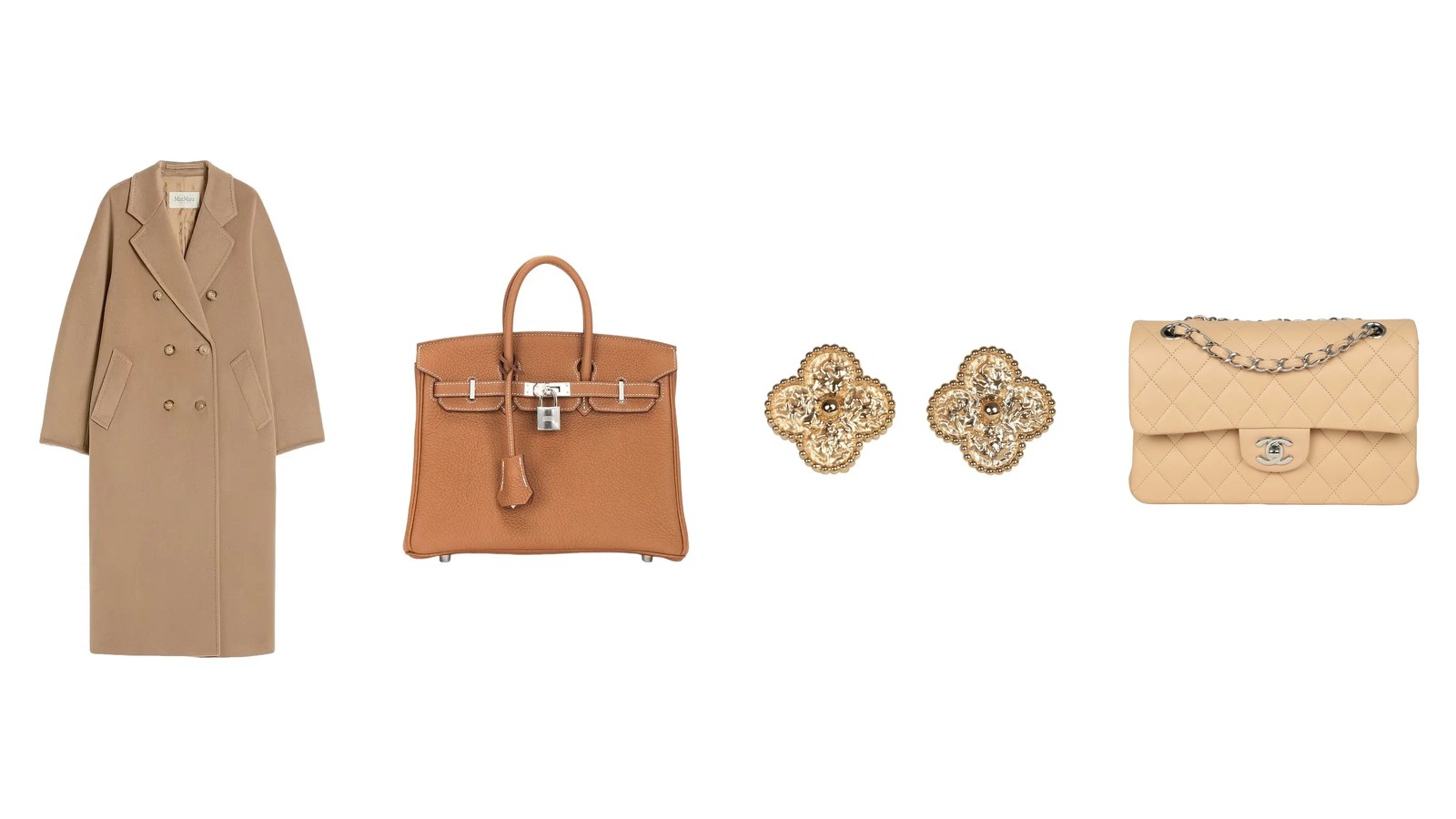
The short answer: the luxury investment pieces with real resale evidence behind them make a short list, and almost every entry is a bag, a watch or a piece of jewelry. The Hermès Birkin and Kelly head it: Sotheby’s calls them “the most traded and most sought-after handbags in the world.” Chanel’s classic flap comes next, then bags that come back into fashion, such as Fendi’s Baguette, and a few watches and jewels with strong resale demand, such as Cartier’s Tank and Van Cleef & Arpels’ Vintage Alhambra. Even for these, past resale prices do not promise future ones. For the rest of a wardrobe, the fairer test is cost per wear, which rewards whatever you reach for most.
Below, for anyone weighing a major purchase this fall: what this year’s resale data shows, the sizes, colors and conditions that resell, cost per wear done honestly, the coats worth ten winters, the watches and jewelry that keep their shape, and when pre-owned beats new.
Luxury investment pieces: two promises and three tests
“Investment piece” covers two different promises. The first is financial: something you could sell later for close to what you paid, or more. Few designer pieces keep that one. The second is practical: something that repays its price by being worn for years, the standard a coat, tailoring, shoes and knitwear should meet. Three tests decide whether a piece keeps either promise, and the rare pieces that keep both deserve the most thought.
- Construction you can repair. Look for leather goods stitched by hand, tailoring built on a sewn canvas that molds to the wearer instead of glued interfacing, and shoes with stitched leather soles a cobbler can replace. A bag that can be restitched and a shoe that can be resoled can reach their tenth year; a glued or laminated piece is finished when its surface is.
- Materials that age well. Full-grain leather that takes on a patina, dense wool and cashmere, silk and solid 18-karat gold wear in rather than out. Coated canvas holds up without improving, and bonded or laminated surfaces tend to peel. Resale shoppers watch this too: leather, silk, cashmere, wool and suede were the five most-searched materials in The RealReal’s 2026 resale report, WWD reports.
- A design the house keeps making. Continuity keeps a piece recognizable, easy to price and slow to date. Louis Cartier conceived the Tank in 1917, and the house has built on the same rectangle ever since, adding the Tank Américaine in 1989 and the Tank Française in 1996, according to Sotheby’s guide to the Tank. Chanel’s classic flap arrived in 1983, and Sotheby’s reports that one bought in the 1980s now sells, in excellent condition, for several times its original price, although inflation accounts for part of that rise.
What designer items hold value: the 2026 resale evidence
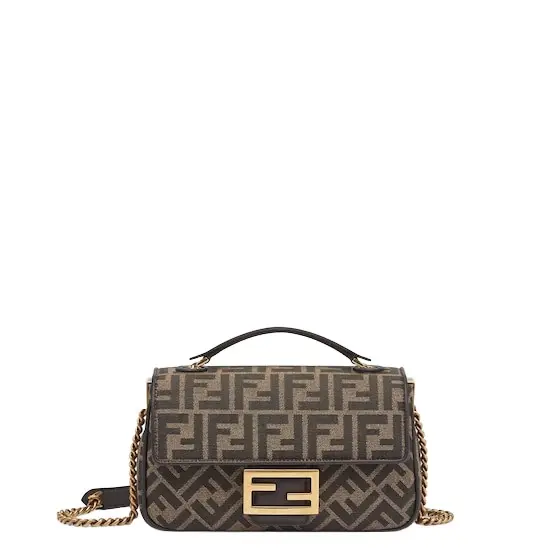
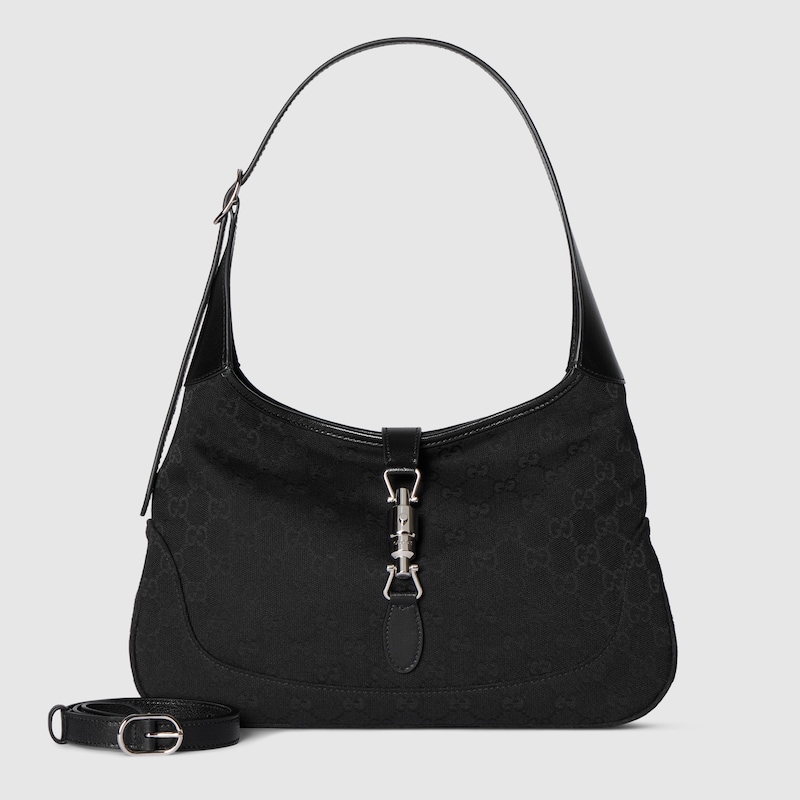
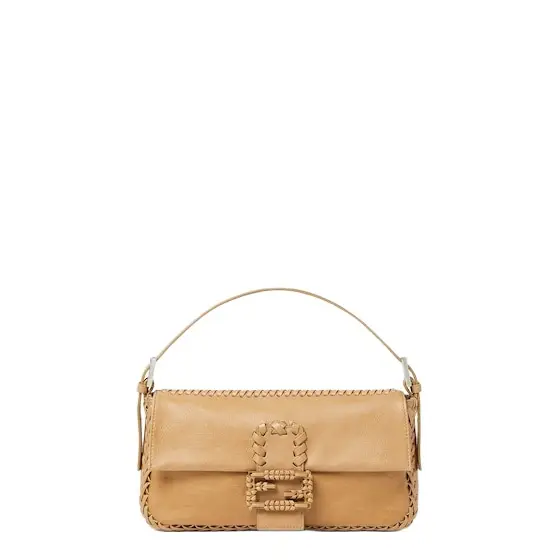
The newest price evidence comes from The RealReal’s 2026 resale report, published in August. Its most striking example is Fendi’s Baguette: the bag’s average sale price on the platform rose from $294 in 2016 to $3,012 in 2026. The Saint Laurent Mombasa, the Gucci Jackie and the Louis Vuitton Monogram Speedy rose too. Not every famous bag did: the Gucci Marmont’s average sale price fell from $1,600 to $853, and the Celine Luggage also lost ground. WWD, which reported the figures, points out what the report leaves out: it gives no transaction counts, makes no adjustment for inflation and does not say whether condition, size or edition were controlled for. The numbers are The RealReal’s average selling prices, not guaranteed returns.
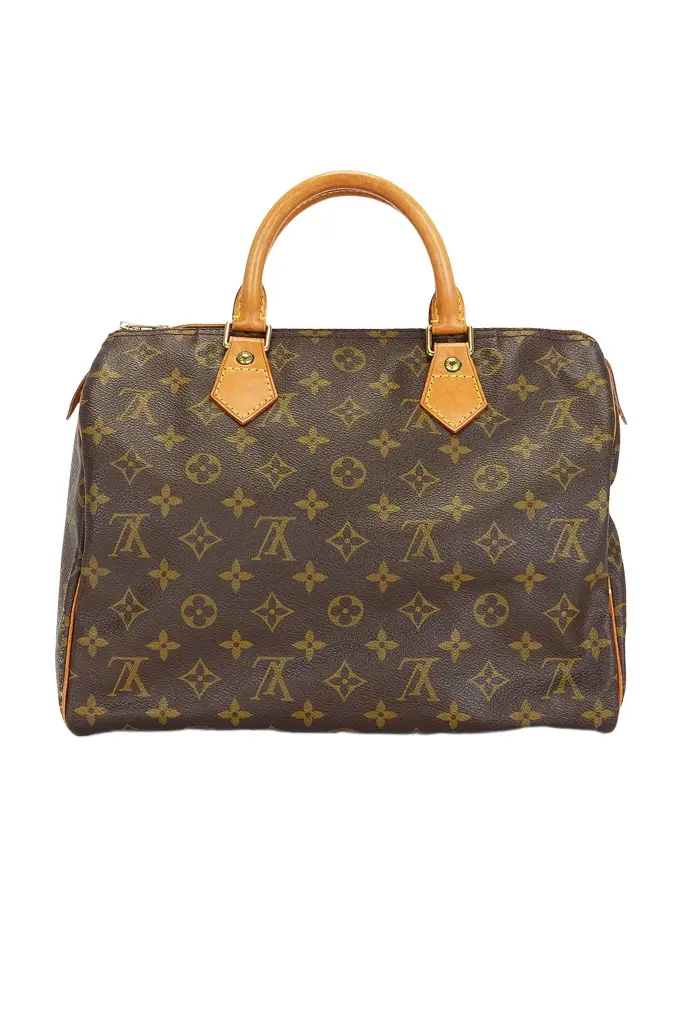
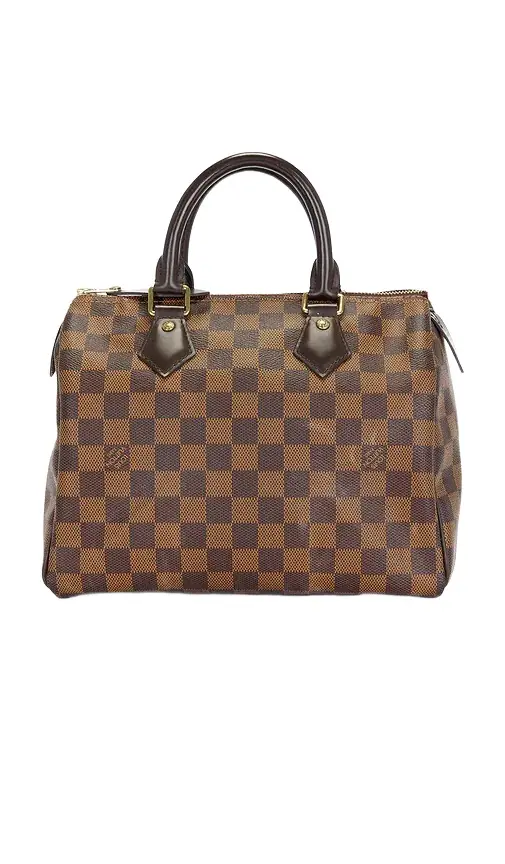
Demand is a separate measure. Fashionphile’s 2025 resale report, which compared January to May 2025 with the same months of 2024, ranked the Louis Vuitton Speedy and Chanel’s double flap as its two most-shopped bags, followed by the Gucci Marmont, the Hermès Evelyne and Saint Laurent’s Loulou. The Marmont, in other words, still draws resale shoppers even though its average price has fallen. A bag can be easy to sell without holding its value.
| Signal | What it tells you | Where to read it |
|---|---|---|
| Average resale price over the years | Whether a design has gained or lost value, before condition and inflation are counted | The RealReal’s annual resale report |
| Most-shopped rankings | How much attention a design gets from resale shoppers, a rough guide to how quickly it would sell | Fashionphile’s annual resale report |
| Auction results and specialist guides | What the best examples fetch, and which details move the price | Sotheby’s handbag and watch guides |
| Whether the house still makes it | Whether future buyers will know the design and can compare a used one with the current retail price | The house’s current collection |
The lesson for a buyer: favor designs with a long record in the house’s line, in the sizes, leathers and colors most buyers want, and treat resale value as a cushion under the price rather than a return on it. Past resale prices, however strong, do not promise future ones.
Hermès and Chanel: the bags that trade most
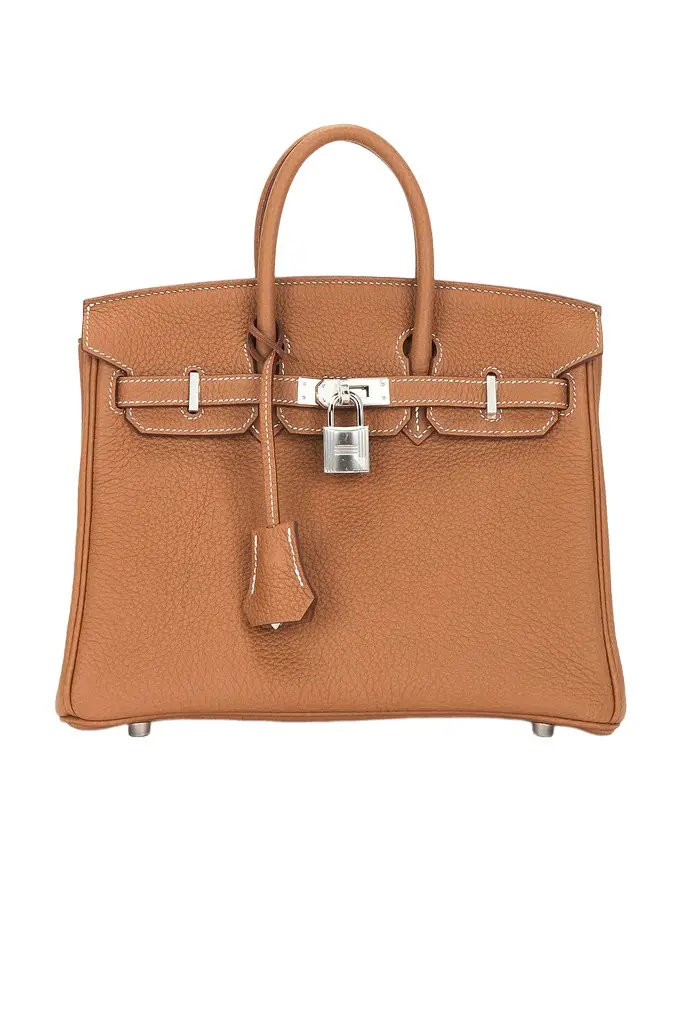
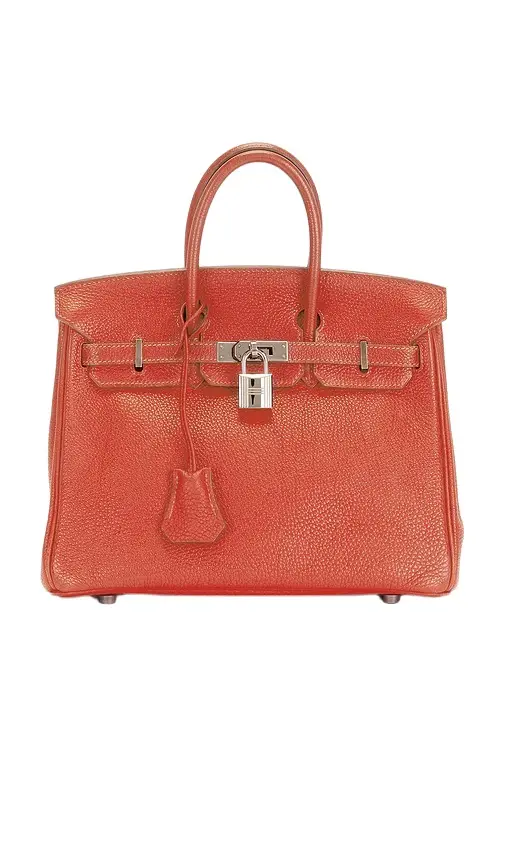
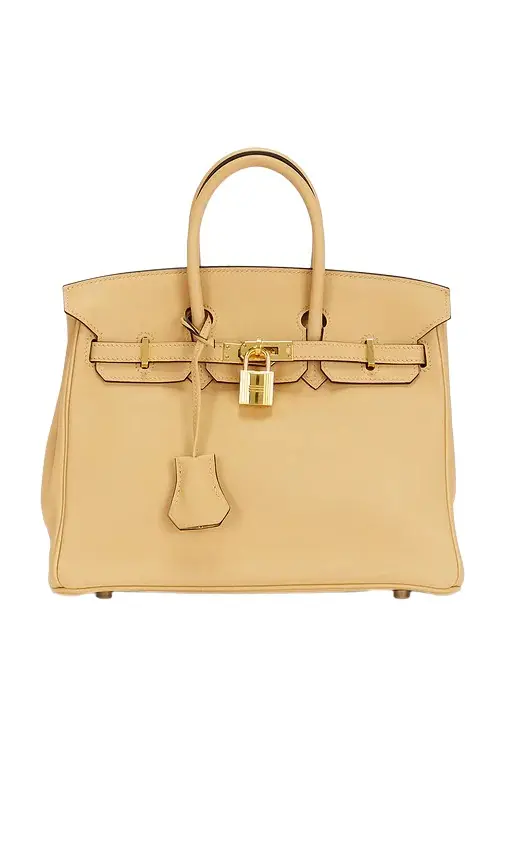
Hermès and Chanel lead bag resale: their designs barely change, and at Hermès demand far outruns supply. Sotheby’s puts the Birkin’s value down to that balance of limited supply and global demand, and its guides to what drives a Birkin’s price and to valuing a Birkin or Kelly list the details that move a price. The list doubles as a buying brief for any bag you might sell one day:
- Condition. Store-fresh bags fetch the most, and visible wear, such as scratched hardware or marked corners, can cut the price by 30 percent or more.
- Size. Small sizes lead: the Birkin 25 and the Mini Kelly 20 outperform the larger ones.
- Leather. Togo and Epsom are the best performers among calf leathers, and exotic skins such as crocodile fetch far more.
- Color. Neutrals and pastels lead, with black, Gold (the house’s warm tan), Nata and Rose Sakura topping auction results, while bright colors typically sell for less.
- Age and packaging. Bags with recent date stamps are worth more, and the original box, dust bag and receipt add to the price.
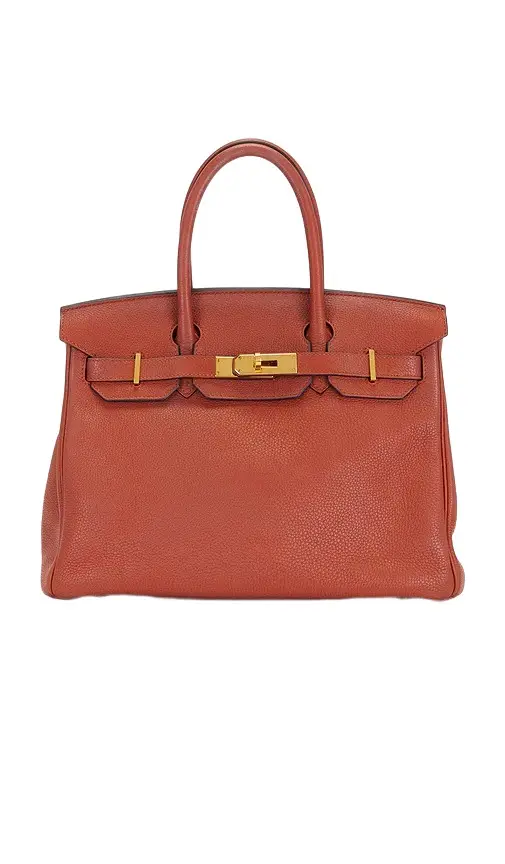
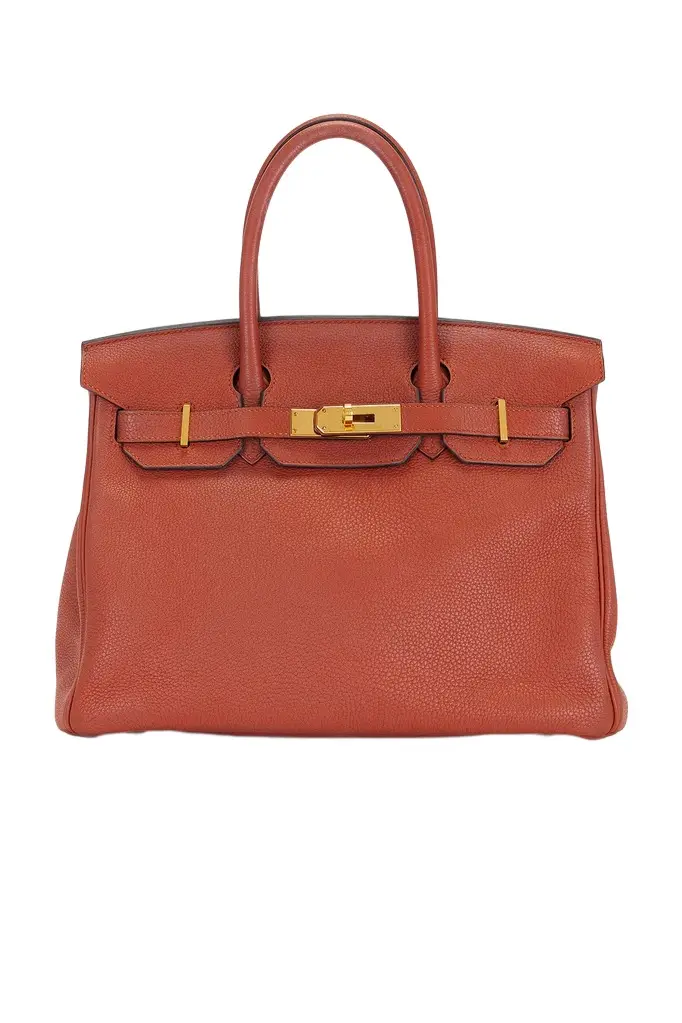
For Chanel, the same logic points to black or beige, and to caviar, the house’s grained calfskin, which hides the scratches that show on lambskin. Older flaps carry one detail collectors look for: until late 2008, Chanel’s gold hardware was plated in 24-karat gold, according to Sotheby’s guide to vintage Chanel. Our guides to buying Hermès, from the Birkin to the Evelyne, and to Chanel’s flap bags and how to check one, go further into sizes, leathers, stamps and serial numbers. Everything in this edit comes from resale dealers, not from Hermès or Chanel: some pieces are pre-owned, some are unworn, and each listing states its condition and what comes with it.
Pre-owned Hermès and Chanel, in the sizes and colors buyers want

Bags that came back, and whether to buy them new
The rising bags in The RealReal’s comparison share a history: as WWD notes, each has drifted in and out of fashion over the years. Nobody can time a comeback, and nothing guarantees one, but the pattern suggests how to buy. Favor a design the house still makes or has revived, because a current version keeps the name in front of buyers. Choose the original shape in a classic material over a seasonal variation. And skip the novelty versions, which date first.
Several designs from that data are in stores this fall. Fendi still makes the Baguette, which it introduced in 1997; Gucci sells the Jackie as the Jackie 1961; and Saint Laurent has reissued the Mombasa. Chloé has brought back the Paddington, and Balenciaga the City bag, now called Le City. Bought new, you get today’s leather, full packaging and a receipt. Bought pre-owned, you get the original era, often at a lower price, and the only route to an early version. Our guide to the best designer bags to invest in looks at individual models, and our handbag shop carries every current style.
New: the Baguette, the Mombasa and other bags that came back


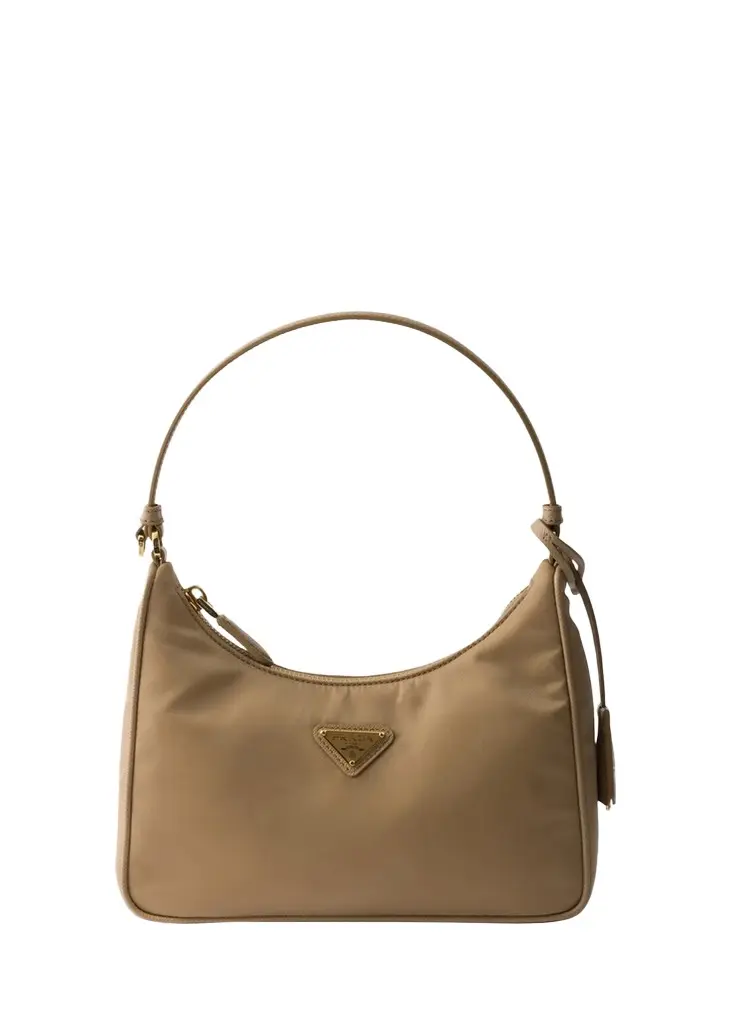
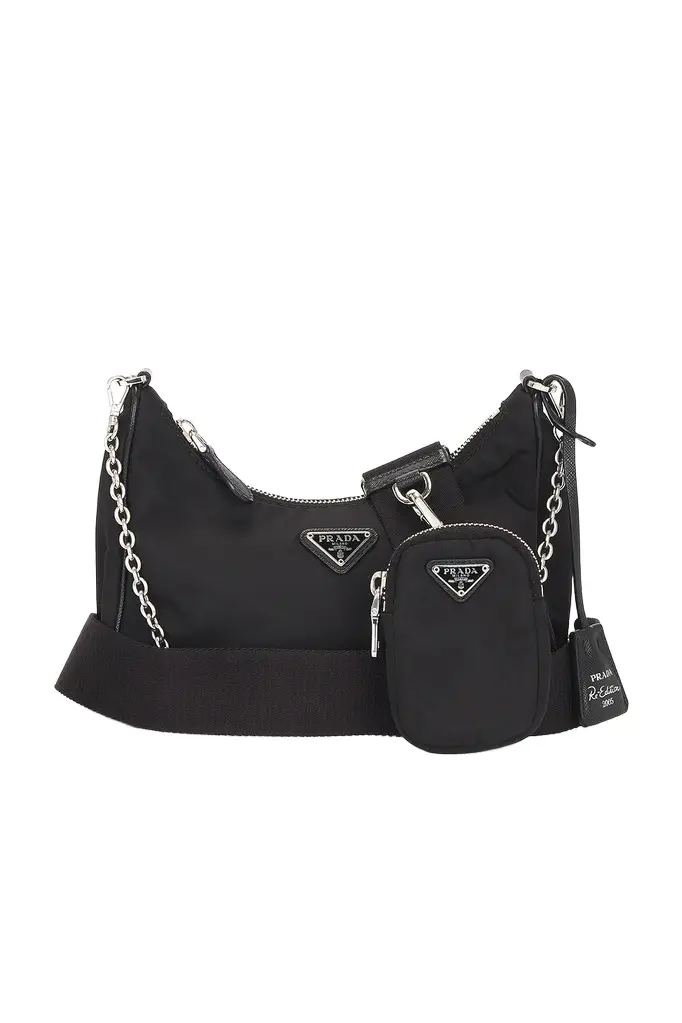
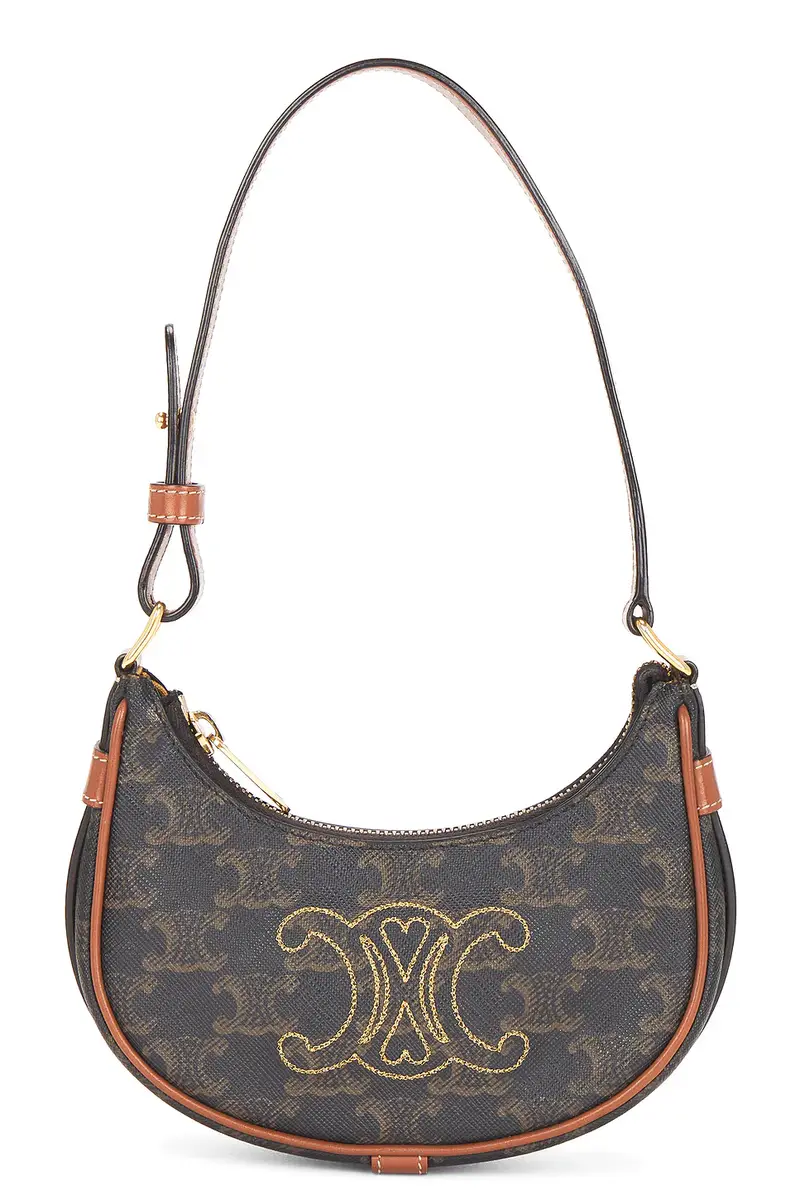
On the resale market, the most-shopped designs are the easiest to buy well, because there are many listings to compare, and among the easiest to sell again. These pre-owned pieces are designs from Fashionphile’s top ten; read each listing’s condition notes, and what comes with the bag, before you choose.
Pre-owned: the Speedy, the Evelyne and more of resale’s most-shopped bags

Cost per wear: the honest math
For most of a wardrobe, resale is a small part of the story, and the better test is what each wear costs you. Add the price and what you will spend on care, subtract what you can realistically sell the piece for, and divide by the number of times you will wear it.
Cost per wear = (price + care − resale value) ÷ number of wears
Here is a hypothetical in round numbers. A $4,000 coat worn three days a week through the twenty coldest weeks of the year gets 60 wears a winter, or 600 over ten winters: about $6.70 a wear. A $600 coat that looks tired after two winters has to be bought five times in the same decade, $3,000 in all, or $5 a wear. On paper, the cheaper coat wins. The better coat pulls level only if it earns more wears, for instance by being the one you reach for four days a week instead of three (800 wears over ten winters, $5 a wear), or by lasting past its tenth winter.
Resale changes the result less than people hope. Take a second hypothetical: a $3,000 bag carried four days a week for 50 weeks makes 200 outings a year and 1,000 over five years, or $3 an outing. A $6,000 evening bag carried ten times a year makes 50 outings in five years, at $120 each, and even if it resells for half its price, each outing has still cost $60.
Four rules follow. Count the wears you can name, such as workdays, the commute and dinners out, not the ones you hope for. Spend most on what you wear most: a coat, a work bag, everyday shoes and office tailoring; our guide to fall wardrobe essentials lists the pieces that carry a season. For clothing and shoes, set resale at zero. And count care honestly: resoling, leather reconditioning and cashmere cleaning cost money, and they are what make ten years possible.
The coat: the investment you wear most
A winter coat is among the most-worn things you own, which makes it the easiest investment to justify. Look for three things. The first is the cloth: wool and cashmere, or pure cashmere, woven densely enough that a fold crushed in your hand springs back. A double-face coat, two layers of cloth woven together with the edges usually finished by hand, needs no lining at all. The second is a cut the house has kept for years: Max Mara has made its double-breasted 101801 since Anne-Marie Beretta designed it in 1981, and our guide to Max Mara’s coats explains how it differs from the Manuela, the Teddy Bear and the Ludmilla. The third is a color you will wear over most of what you own, because that is what sets the wear count.
On color, Vêtir’s stylists wear a camel coat over gray, cream, ivory, chocolate, olive or burgundy, and reach for a different coat over black or blue jeans. If your wardrobe runs to black and denim, a navy, charcoal or black coat will earn more wears. Charcoal is the most adaptable of the four: it sits as easily over black as over camel knitwear. Our coat shop has every length.
Coats worth wearing for a decade
 Max MaraWomen's 101801 Icon Madame Wool Cashmere Double-Breasted Coat$4,490
 The RowHariet wool and cashmere coat$5,200
 Max MaraMadame Belted Wool/Cashmere Coat$4,490
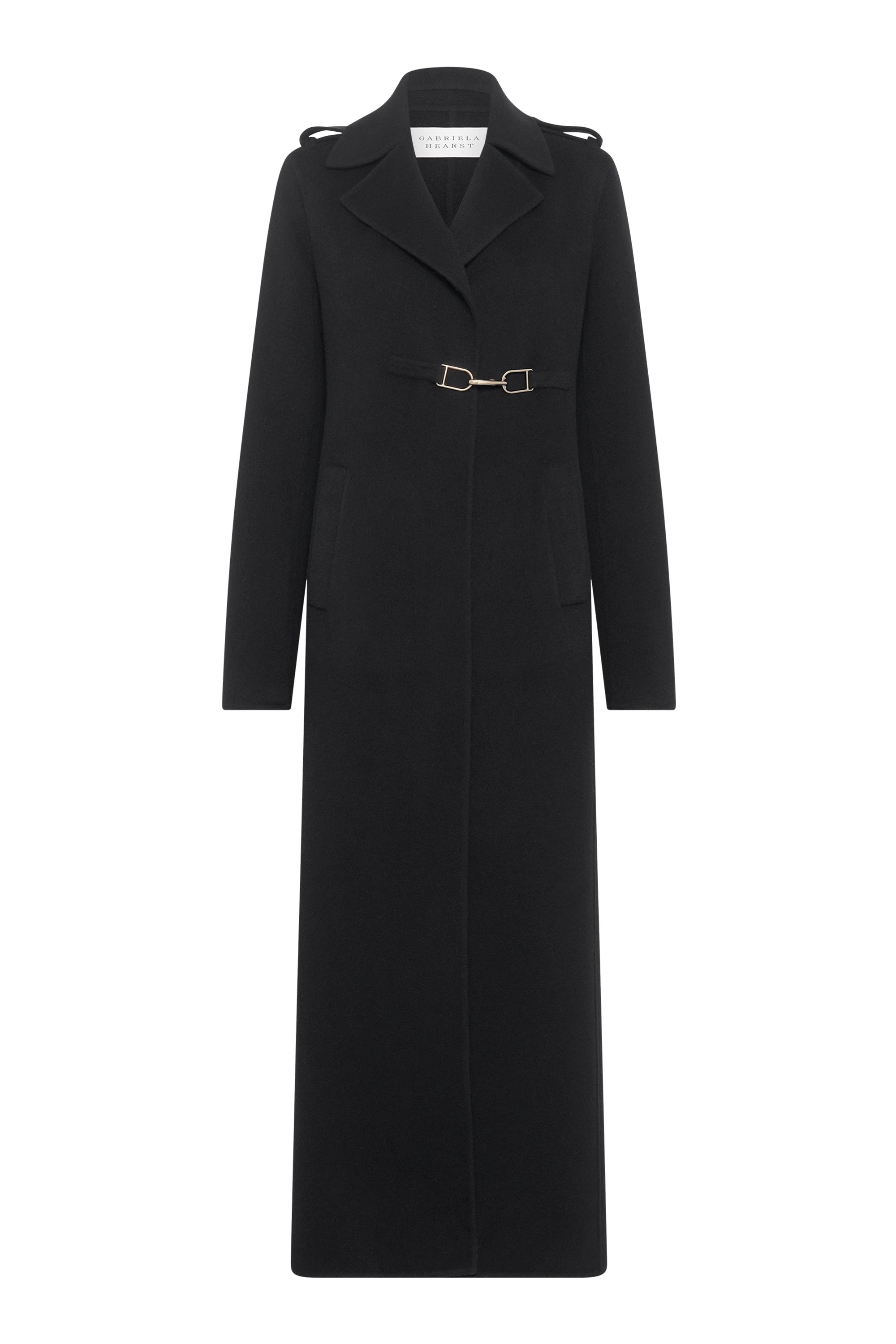 Gabriela HearstDee Coat in Black Double-face Recycled Cashmere$4,950
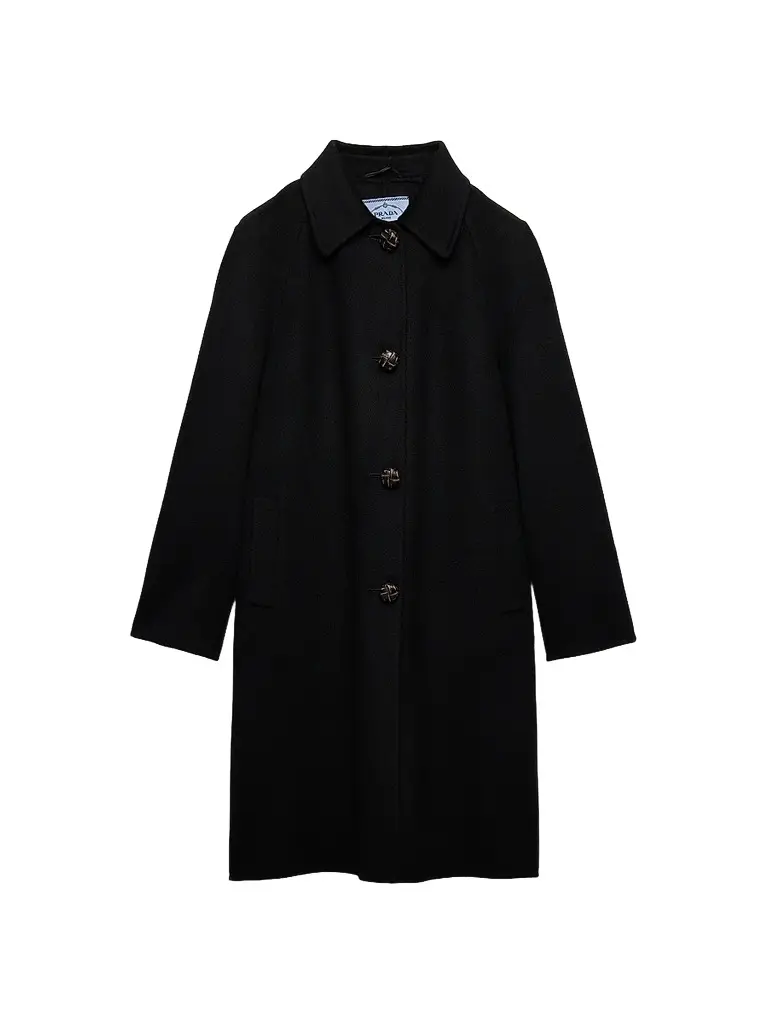 PradaWomen's Single-Breasted Double Cashmere and Wool Coat - Black$7,000
Watches and jewelry: the designs that keep their shape
Watches and fine jewelry can pass all three tests at once: precious materials, work that can be serviced for decades, and designs the houses keep making. Fashionphile’s 2025 report named the Cartier Tank Française, the Rolex Oyster Perpetual Datejust and the Omega Constellation as its most-shopped watches. Its most-shopped jewelry included Tiffany’s Return to Tiffany oval tag choker, Chanel’s long pearl CC necklace, the Hermès Clic Clac H bracelet, Cartier’s LOVE bracelet and Van Cleef & Arpels’ Vintage Alhambra bracelet.
For a watch, favor a steel or gold case in a classic size, a plain dial and a strap or bracelet you can replace, and keep the box, papers and service records for the day you sell. A quartz watch needs little beyond a new battery; a self-winding one needs a full service every several years, a cost that belongs in the cost-per-wear math. For jewelry, buy solid 18-karat gold rather than plated or vermeil pieces, whose gold layer wears through and adds little metal value. Keep the certificate, box and pouch, and remember that the piece you wear every day, a bracelet or a pendant, earns its cost fastest. Our guide to investing in jewelry covers metals and stones, and our watch shop has new pieces from each house.
New watches: the Cartier Tank and other house signatures


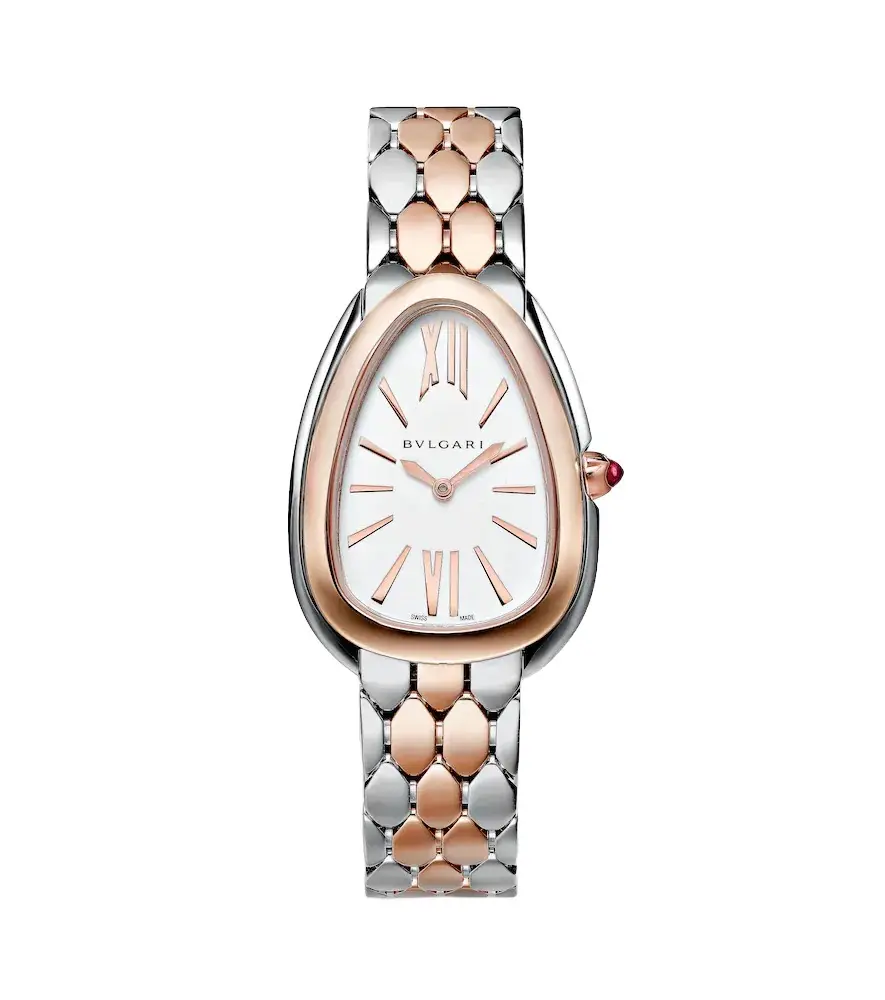
The Vintage Alhambra and the Datejust sit on those same most-shopped lists, and here they are pre-owned: every piece in the edit below comes from a resale dealer rather than the house, and some are unworn. Our Van Cleef & Arpels and Rolex pages carry more of that dealer stock.
Pre-owned Van Cleef & Arpels, Rolex and Cartier


New or pre-owned: where each makes sense
Buy pre-owned when the house limits supply, as Hermès does with the Birkin and Kelly; when you want a design or an era the house no longer makes, such as a 1980s Chanel flap with gold-plated hardware or the Phoebe Philo-era Celine that The RealReal’s report shows shoppers hunting; and when a well-kept used piece costs meaningfully less than the current version. Buy new when the house still sells the design and resale asks sit at or above its price; when you want a specific size, color or leather, or the full manufacturer’s warranty; and for clothing and shoes, whose fit and wear are hard to judge from photographs.
Whichever you choose, buy pre-owned only from a dealer that authenticates every item and takes a return if an independent authenticator disagrees, and look up the price of the same design new before you pay. Then check the details that matter for each kind of piece:
| Category | What to check before you buy |
|---|---|
| Bags | Close-up photos of the corners, handles, hardware and lining; the Hermès date stamp, or the Chanel serial sticker (a microchip on bags made from 2021); the dust bag, box and receipt, and any lock, keys or strap |
| Watches | Box and papers, the service history, whether the bracelet is original, and how much of the manufacturer’s warranty is left |
| Jewelry | Hallmarks and the house signature, the clasp, stones checked for chips or looseness, and the certificate or card |
| Coats and tailoring | The fiber label, moth damage at the collar and cuffs, and wear to the lining at the underarms |
What not to buy as an investment
- Limited editions and seasonal colors. Sotheby’s notes that limited-edition Birkins tend to peak within about a year of release and then level off, and that bright colors typically sell for less than neutrals. A color or material made for one season has fewer buyers than the classic version.
- The bag of the moment, as a financial bet. The Marmont ranked among Fashionphile’s most-shopped bags while its average price on The RealReal fell. Popularity makes a bag easy to sell, not valuable.
- A resale price above what the house charges. If the house will still sell you the design at retail, paying a dealer more buys speed, not value.
- Plated or vermeil jewelry as a store of value. Enjoy it, but its worth is in the design, not the metal.
- Clothing and shoes bought for resale. Buy them to wear; in the math, their resale value is zero.
- Incomplete pieces. A bag without its lock, keys, strap or box, or a watch without its papers, is harder to sell at a good price.
None of that makes them bad buys. It makes them things to enjoy rather than assets to count on.
How to protect what you own
Condition is the one part of value you control. Store bags upright in their dust bags, lightly stuffed so they keep their shape, away from sunlight and radiators. Rotate shoes so the leather dries between wears, and have them resoled before the sole wears through. Keep receipts, boxes, cards and papers together, and photograph each piece when it is new. Vêtir’s white-glove closet digitization, in your home or by virtual appointment, photographs and catalogs every piece into a digital closet, and the same concierge team can help source hard-to-find pieces. To build outfits around a new investment piece with what you already own, ask our AI stylist.
How we chose
We started from the evidence: designs named in The RealReal’s 2026 report, Fashionphile’s 2025 rankings or Sotheby’s guides, and coats whose cut the house has kept for years. The Hermès and Chanel bags follow Sotheby’s checklist: small or medium, in Togo, Epsom, caviar or lambskin, and in black, Gold, etoupe or beige. We left out limited editions, bright colors and novelty versions, and kept the watches to lines their houses have made for decades. The resale edits are labeled pre-owned; everything else is new from the house or one of its stockists, and we checked every photograph against its listing.
Frequently asked questions
What designer items hold their value best?
Hermès Birkin and Kelly bags and Chanel’s classic flap have the strongest record, and Sotheby’s says many Birkins sell for multiples of their original retail price. Bags that return to fashion can gain too, as Fendi’s Baguette has in The RealReal’s data. Past prices do not promise future ones.
What are the best investment pieces for women?
With resale demand behind them: a classic Hermès or Chanel bag in a neutral color and a popular size, a watch from a line the house keeps making, such as the Cartier Tank, and solid-gold signature jewelry. For value through wear: a wool and cashmere coat, a work bag, leather shoes that can be resoled and a blazer that fits at the shoulder.
Is a designer bag a good investment?
A few are; most are not. Many bags resell for less than they cost, and even rising averages, like those in The RealReal’s report, are not adjusted for inflation or condition. Buy a bag you will carry, and treat its resale value as a cushion.
How do you calculate cost per wear?
Add the price and the cost of care, subtract a realistic resale value, and divide by the number of wears. A $4,000 coat worn 600 times over ten winters costs about $6.70 a wear. For clothing and shoes, set resale at zero.
Should I buy a designer bag new or pre-owned?
Pre-owned, when the house restricts supply, as Hermès does with the Birkin and Kelly, or no longer makes the design. New, when the house sells the bag at retail or you want a specific size, color or leather. Buy pre-owned only from a dealer that authenticates every piece and accepts returns.
Which colors and sizes resell best?
On Hermès bags, Sotheby’s finds that small sizes, such as the Birkin 25 and the Mini Kelly 20, and neutral or pastel colors perform best, while bright colors sell for less and limited editions tend to peak within a year. For other houses, black or a neutral in the house’s classic leather is the safer choice.