The Peptide Boom
Miracle Molecules or Marketing Hype?

Dr. Macrene Alexiades, MD PhD, is a board-certified dermatologist-scientist specializing in cosmeceutical science and longevity medicine.
Follow along at @drmacrene @macreneactives.
To contact Dr. Macrene's office: email@nyderm.org
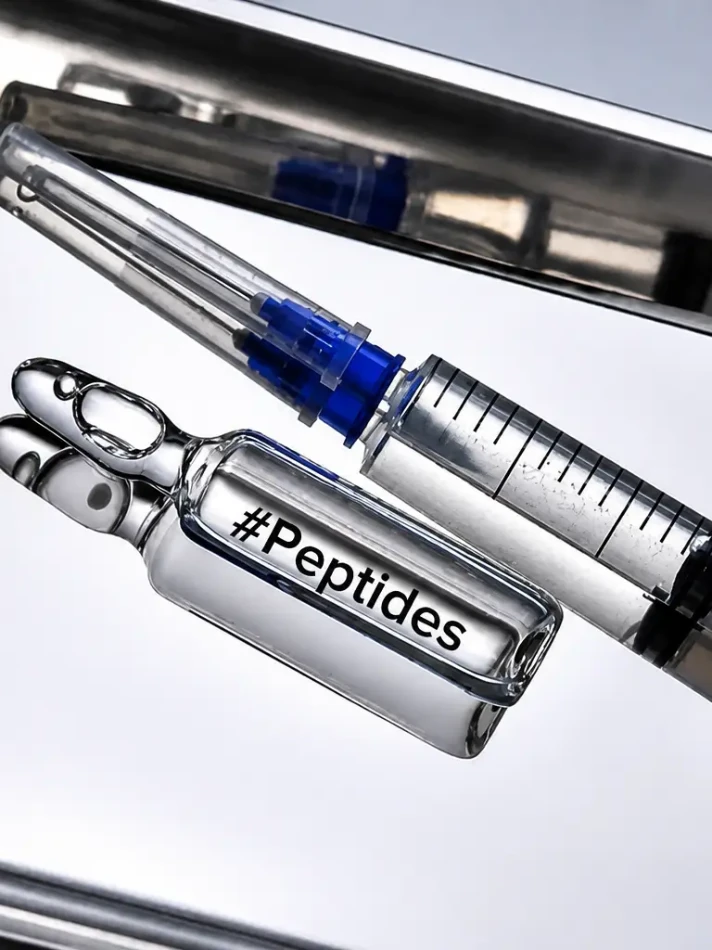
Everyone seems to be talking about peptides. But what do they actually do—and are they as safe as they're made out to be?
From luxury skincare counters to wellness clinics and longevity podcasts, peptides have become one of the hottest trends in health and beauty. They're promoted as solutions for wrinkles, sagging skin, weight loss, muscle recovery, and even aging itself. But "peptides" aren't one thing. The term describes a huge group of small protein fragments, each with different functions and varying levels of scientific support. Some peptides have solid evidence behind them. Others are still experimental. And some are now being injected or infused in ways that have never been properly studied for safety.
Here's what consumers should know.
The Peptides That Actually Help Build Collagen
If your goal is healthier-looking skin, collagen-supporting peptides are where the strongest evidence exists.
Matrixyl: The Anti-Wrinkle Workhorse
One of the most studied skincare peptides, Matrixyl works by sending signals to skin cells that help stimulate collagen production. Several clinical studies have found that regular use can reduce the appearance of fine lines and wrinkles over the course of a few months. While it won't produce dramatic changes overnight, it has earned a reputation as one of the more evidence-backed ingredients in modern skincare.
The catch? Many products advertise Matrixyl without revealing how much they contain, and concentration appears to matter.
Copper Peptides (GHK-Cu)
Copper peptides have been around for decades and are among the most researched ingredients in cosmetic skincare. They occur naturally in the body and play a role in wound healing and tissue repair. Studies suggest they can improve skin thickness, firmness, and overall skin quality when applied topically. Researchers are also interested in their possible anti-aging effects beyond the skin. However, that's where the science becomes much less certain.
While copper peptides appear relatively safe in creams and serums, there is little evidence supporting injections or other forms of systemic use. Too much copper can be harmful, potentially affecting the liver, promoting oxidative stress, and disrupting the body's tightly controlled mineral balance.
Other Collagen-Supporting Peptides
Newer ingredients such as Matrixyl 3000 and Sepilift DPHP are increasingly appearing in skincare products. Early studies suggest they may improve firmness and hydration, but the research isn't as extensive as it is for older ingredients like Matrixyl and copper peptides.
Bottom line: If you're interested in peptides for skin aging, collagen-building peptides have some of the strongest evidence—especially when used in topical products.
"Botox in a Bottle"? Not So Fast.
A second category of peptides has gained popularity because they're marketed as topical alternatives to Botox. These ingredients don't actually work like injectable Botox, but they may slightly reduce facial muscle activity and soften expression lines.
Argireline
Argireline is often called "Botox in a jar," though that's a significant exaggeration. Studies suggest it can modestly reduce the appearance of expression lines, particularly around the eyes, when used consistently. However, its effects are far weaker than those achieved with Botox injections. Think of it as a subtle supporting player rather than a replacement.
Leuphasyl and SYN-AKE
These peptides are commonly included in anti-aging formulas alongside Argireline. Some manufacturer-sponsored studies report improvements in forehead lines and wrinkle appearance, but independent research remains limited. A larger challenge is that peptides are naturally poor at penetrating the skin. Even when formulated to improve absorption, it's often difficult to know how much of the ingredient is actually reaching its intended target.
Bottom line: These products may provide modest improvements for some users, but claims that they rival Botox are not supported by current evidence.
Acetyl Hexapeptide-3 (Argireline)
The most commercially prominent neuromodulatory peptide. By competing for binding sites in the SNARE complex, it theoretically reduces acetylcholine release and attenuates muscle contraction. Studies have shown modest but statistically significant reductions in periorbital wrinkle depth at 10% concentration, including a 30% reduction versus vehicle after 4 weeks in one trial. There is no head-to-head trial comparing Argireline to botulinum toxin; the effects are mechanistically analogous, but the magnitude is incomparable, so it is best framed as a modest adjunct, not a substitute. Systemically, SNARE interference at higher concentrations is unstudied from a safety standpoint.
Leuphasyl and SYN-AKE
Leuphasyl targets the enkephalin pathway, inhibiting the cascade that leads to muscle contraction, and is often paired with Argireline for purported synergy, though independent data are limited. SYN-AKE mimics venom from the Temple Viper, acting as a nicotinic acetylcholine receptor antagonist — a different mechanism than Argireline's. Manufacturer studies report reduction in forehead line depth, but independent trials are limited. For both, systemic safety is unstudied: enkephalin modulation could interact with opioid signaling, and venom-derived antagonism raises the possibility of dose-dependent neuromuscular blockade akin to curare.
A recurring caveat: peptides are typically large, hydrophilic molecules, while skin preferentially allows passage of small lipophilic ones. Lipid conjugation improves penetration but doesn't fully solve it, so it's worth asking whether claimed efficacy reflects confirmed penetration or in vitro activity at unachievable concentrations.
The Weight-Loss Peptides Everyone Knows
GLP-1 Drugs: A Different Kind of Peptide
Not all peptides are skincare ingredients. Popular prescription medications such as semaglutide, liraglutide, and tirzepatide are peptide-based drugs originally developed to treat diabetes and obesity. Unlike many wellness-industry peptides, these medications have undergone extensive clinical testing and have strong evidence supporting their use for weight management and metabolic health. Researchers are also exploring whether they may help certain inflammatory skin conditions. However, rapid weight loss can have cosmetic downsides.
The Reality of "Ozempic Face"
One widely discussed effect is facial volume loss, sometimes called "Ozempic face." The issue isn't the medication itself. Rather, when people lose weight quickly, they also lose fat in the face. This can make skin appear looser and more hollow, sometimes creating a more aged appearance. Meanwhile, skincare products claiming to deliver "GLP-1-like" benefits through topical creams currently have little scientific evidence behind them.
Bottom line: Prescription GLP-1 drugs are among the best-supported peptide therapies available—but their benefits and side effects are very different from those of cosmetic peptides.
The Longevity Peptides: Exciting, But Mostly Unproven
A growing number of peptides are being promoted as tools for extending lifespan, boosting energy, or slowing aging. The problem is that most of the evidence comes from laboratory studies or animal research.
Epitalon
Epitalon has attracted attention because it may influence telomeres, the protective caps on chromosomes often associated with aging. Animal studies have produced intriguing results, but large, high-quality human studies are lacking.
MOTS-c and Humanin
These naturally occurring peptides are involved in cellular energy production and stress resistance. Researchers have found that levels tend to decline with age, and some animal studies suggest they may influence longevity. What remains unknown is whether supplementing them in humans is safe or effective over the long term.
Bottom line: Longevity peptides are scientifically interesting, but most remain experimental. The marketing often runs far ahead of the evidence.
The Question Almost Nobody Is Asking: Are Peptide Injections Safe?
Perhaps the biggest concern in today's peptide craze isn't the creams—it's the injections.
Many peptides that were originally developed for topical use are now being sold through compounding pharmacies, wellness clinics, and online providers as injections, IV infusions, or oral supplements. In many cases, the safety data simply don't exist.
For example: Copper peptides may affect the body's copper balance when used systemically. Neuromodulating peptides could theoretically influence nerve signaling beyond the skin. Many longevity peptides have never undergone rigorous long-term human safety testing. That doesn't necessarily mean they're dangerous. It means we don't know enough to confidently assess the risks. When people use these products outside of controlled clinical studies, they are often venturing into territory where evidence is sparse and oversight is limited.
The Bottom Line
Peptides are neither miracle cures nor scams.
Some have meaningful scientific support. Collagen-building peptides such as Matrixyl and copper peptides have demonstrated benefits in topical skincare products. Prescription GLP-1 medications have transformed treatment for obesity and metabolic disease. At the same time, many peptides promoted for longevity, recovery, or anti-aging remain experimental. And the growing trend of injecting cosmetic peptides raises safety questions that have not been adequately studied. The smartest approach is the same one used in good science: separate what is known from what is merely hoped for.
The peptide revolution may be real—but not every peptide deserves the hype.
Dr. Macrene's Topical Peptide Product Picks
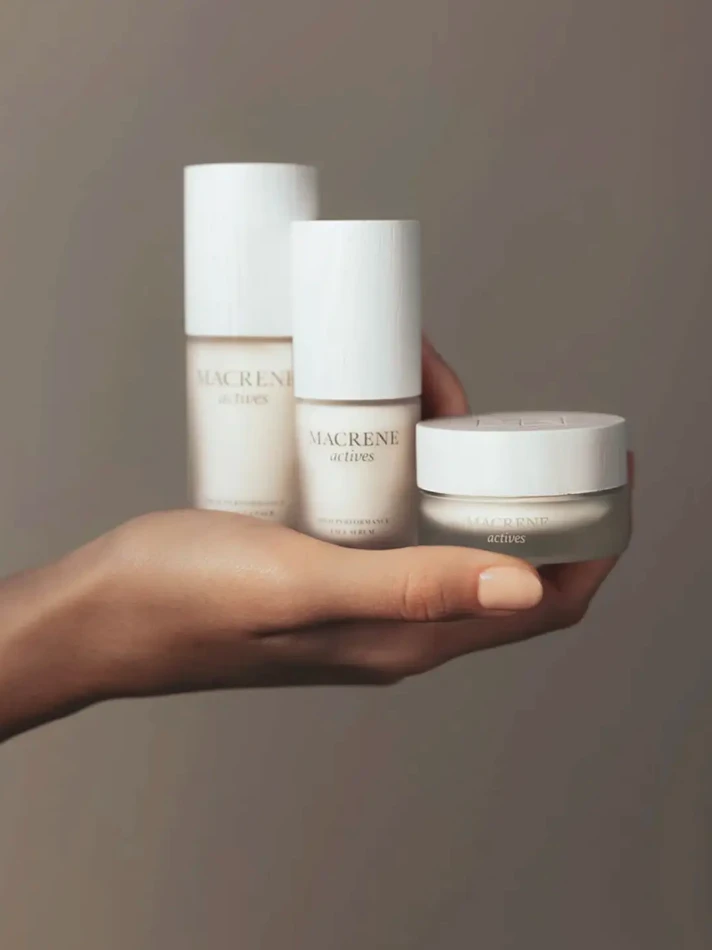
Credit: Macrene Actives


