The Best Men's Fall Jackets: Suede, Leather, Barn, Bomber and Quilted Styles
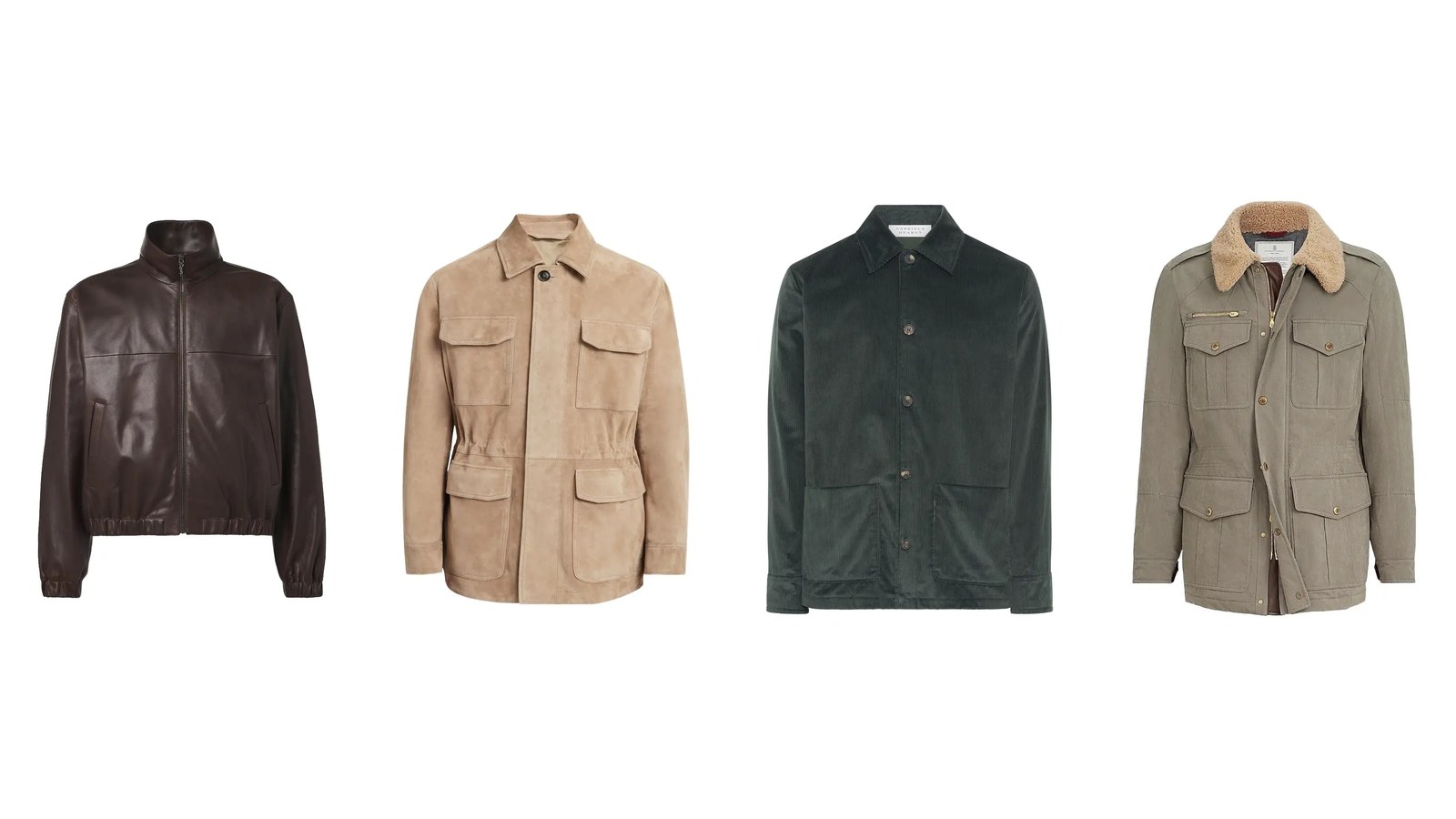
The best men's fall jackets cover the weeks between a T-shirt and a coat, and eight styles do that work well: the suede jacket, the leather jacket, the field or barn jacket, the chore jacket, the overshirt, the bomber, the quilted jacket and the unstructured blazer. If you buy only one this year, make it a dark suede or leather jacket that closes over a crewneck without pulling, then add a barn or field jacket if your fall is a wet one. Choose between them on three things: the weather you actually walk in, the thickest sweater you plan to wear underneath, and the colors of the trousers already in your closet.
Below, we take each style in turn (what it handles, how it fits over a knit, what to wear with it) with a comparison table, five fit tests, our stylists' color pairings and more than 60 pieces from houses including Brunello Cucinelli, Saint Laurent, Zegna and Moncler.
Men's fall jackets compared: which one does what
Read the third column first. Fall is sweater weather, and a jacket that only closes over a shirt spends November on a hanger. The last column shows where a jacket can stand in for tailoring, which matters if your office has quietly dropped the blazer.
| Jacket | Weather it handles | Thickest layer it should take | Dresses up to |
|---|---|---|---|
| Suede jacket | Dry, cool and windy days | A fine crewneck or a light cable | Dinner in a good restaurant |
| Leather jacket | Cold wind and a brief shower | A fine merino knit or a hoodie | Smart casual |
| Barn or field jacket | Rain, wind, a muddy weekend | A fisherman or chunky cable sweater | Weekends and the commute |
| Chore or work jacket | Dry, mild days | A crewneck or a rollneck | The office, without a tie |
| Overshirt or shirt jacket | Mild days; padded versions go cooler | A T-shirt or a fine knit | The office, without a tie |
| Bomber or Harrington | Dry, mild to cool days | A shirt or a short fine-gauge knit | Smart casual |
| Quilted jacket or liner | Cool days alone, then cold ones under a coat | A crewneck when worn alone | Weekends; town when it is under a coat |
| Unstructured blazer | Dry, mild days | A rollneck or a knit polo | Business casual and dinner |
The suede jacket: the fall jacket to buy once
Suede earns the top spot because it does more of fall's work than any other leather. It stops the wind, it looks warm before anyone touches it, and it sits naturally with the flannel, corduroy and knitwear a fall wardrobe runs on. A four-pocket suede field jacket like Brioni's, in lambskin with a drawcord inside the waist, covers the hip and the small of the back. Tom Ford's, in a suede the house calls cumin, zips and snaps like a field jacket but is cut like a shirt. The Row cuts its cream lamb suede boxy, with patch pockets, a concealed two-way zip and a silk lining, and Brunello Cucinelli's dark chocolate jacket, pintucked down the front, is the one to wear hardest.
Color decides how often you will reach for it. If most of your trousers are gray flannel, olive corduroy and ecru or white denim, any brown suede will do, from tobacco to chocolate. If you live in blue jeans, choose sand, stone or cream suede instead: our stylists do not put brown, tan or camel next to blue denim or navy, and the paler neutrals sit happily with both. One practical note on the light shades: sand and cream show the darkened, flattened nap that builds on cuffs and pocket edges within a season, so they need a brush after most wears, while dark chocolate hides that wear far longer.
For the full routine of protecting, brushing and drying suede, see the care notes in our guide to men's spring jackets; nothing about it changes in October except the number of rainy days.
- A chocolate suede trucker, a cream cable crewneck, gray flannel trousers and dark brown suede chukkas.
- A cream suede jacket over a navy rollneck, with mid-blue jeans and white leather sneakers.
- A tobacco suede jacket, a burgundy merino polo, olive corduroys and brown penny loafers.
Suede jackets, from cream to chocolate
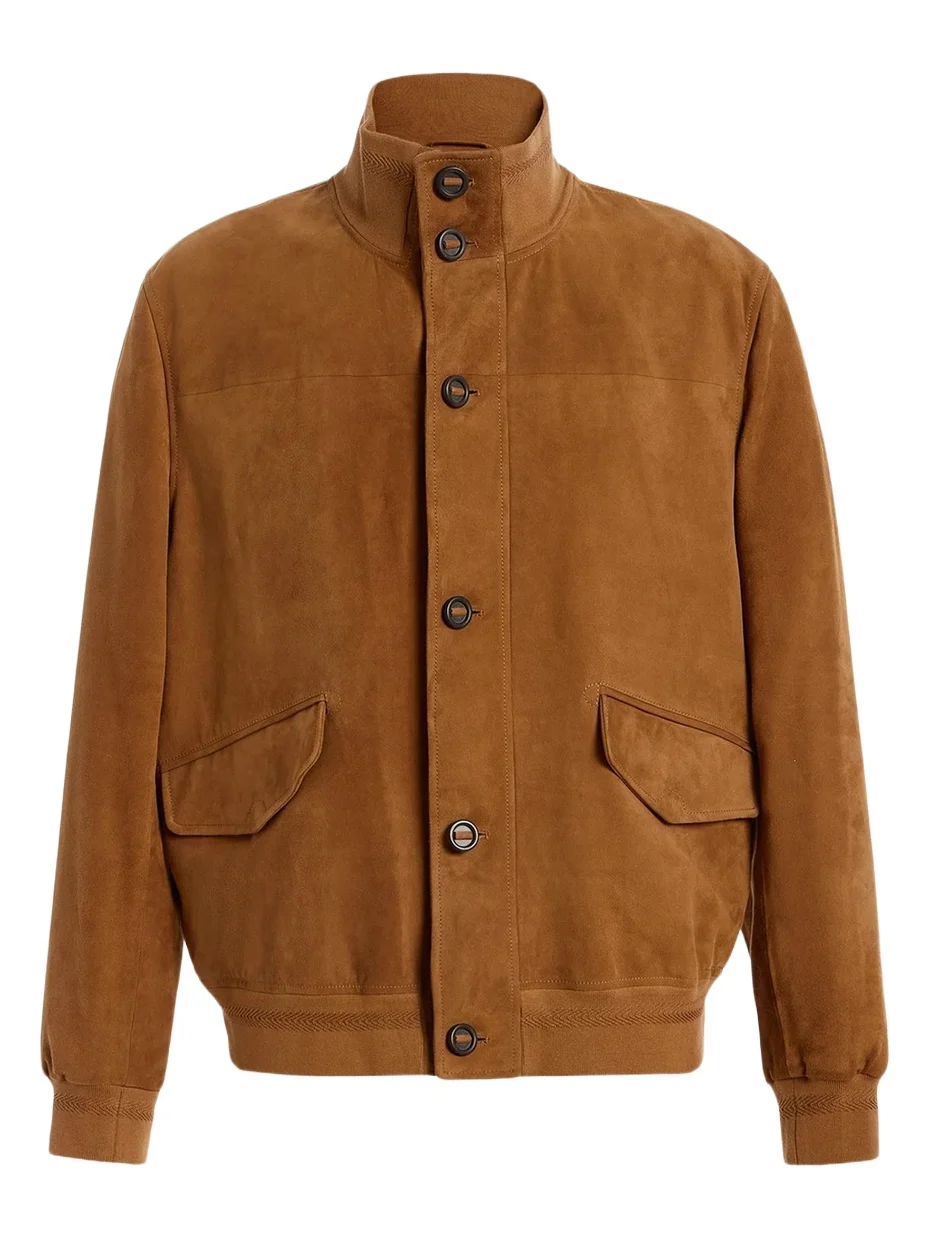 Gabriela HearstMen's Leroy Suede Jacket$5,750
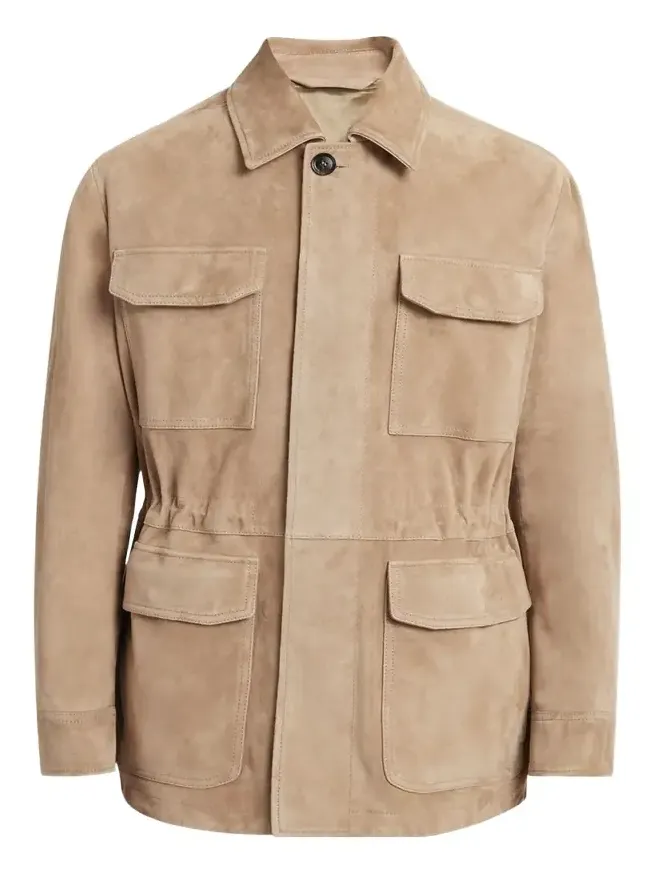 BrioniMen's Suede Field Jacket$9,300
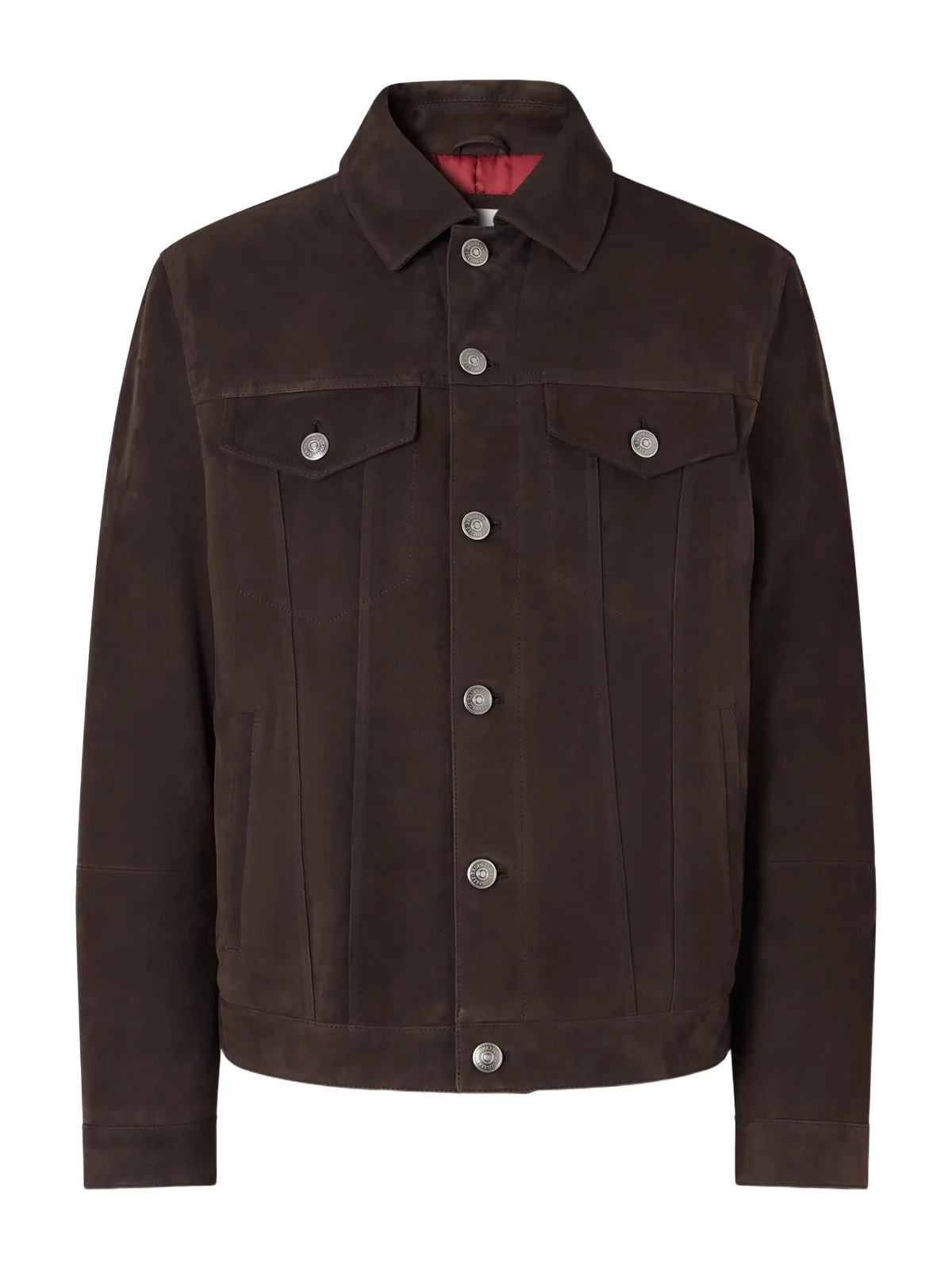 Brunello CucinelliPintucked Suede Jacket - Men$10,500
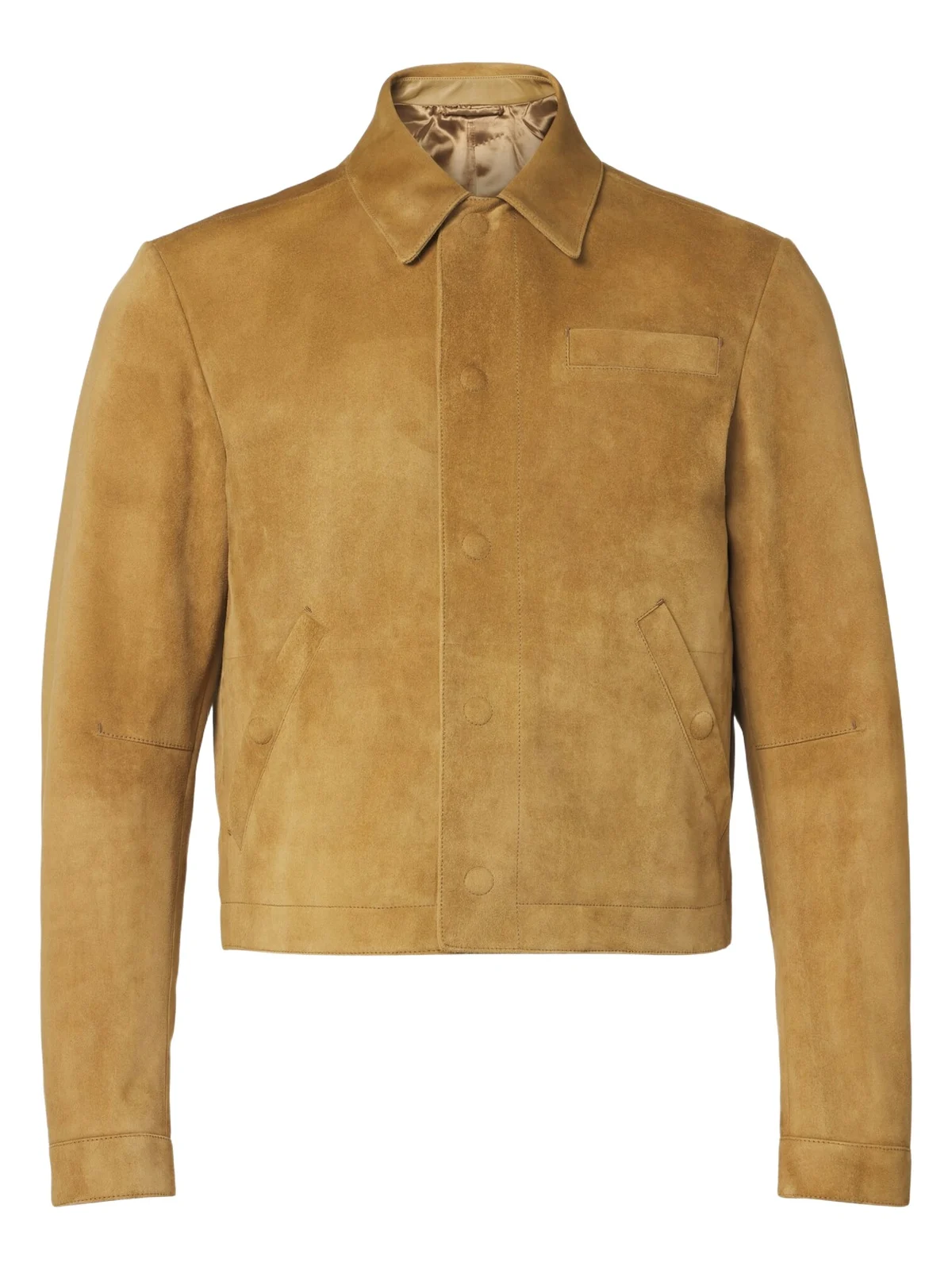 Tom FordSuede jacket$9,490
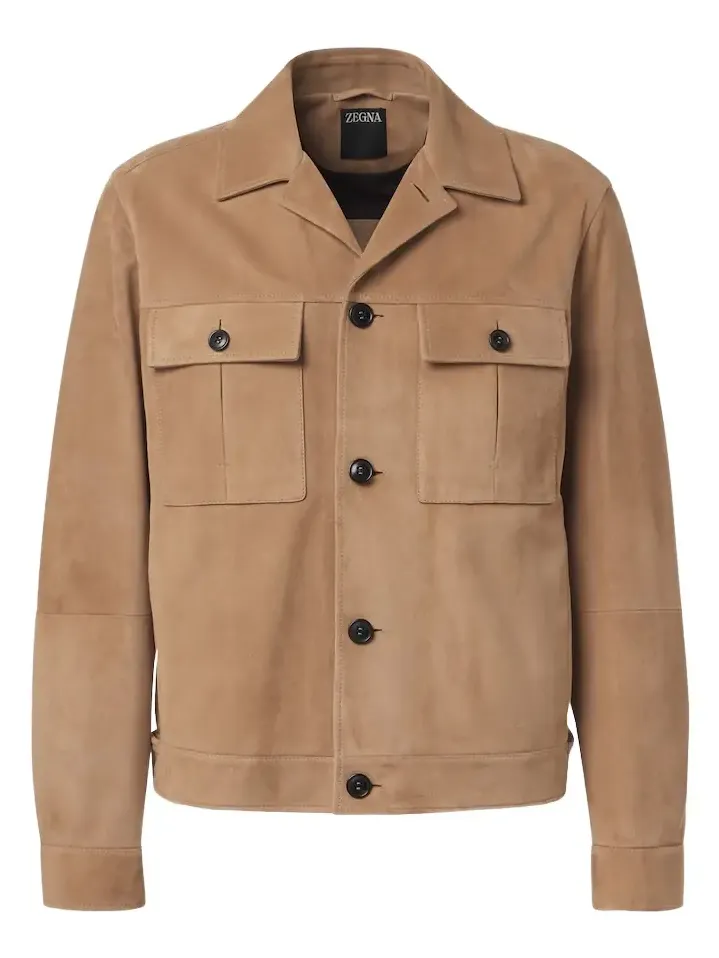 ZegnaSuede jacket$8,450
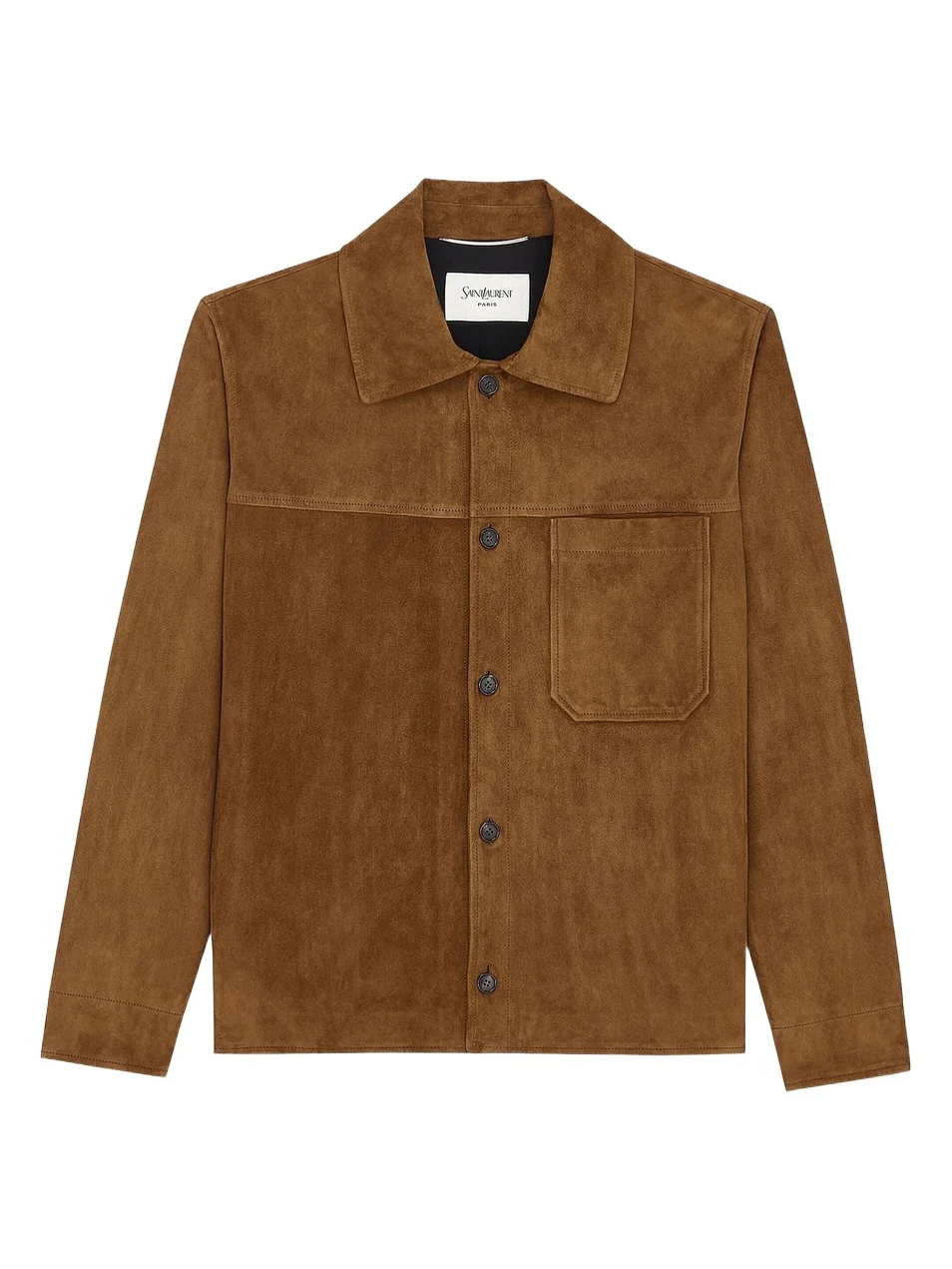 Saint LaurentMen's Overshirt in Suede - Rhum Ambre$5,200
 The RowVilmo suede jacket$6,900
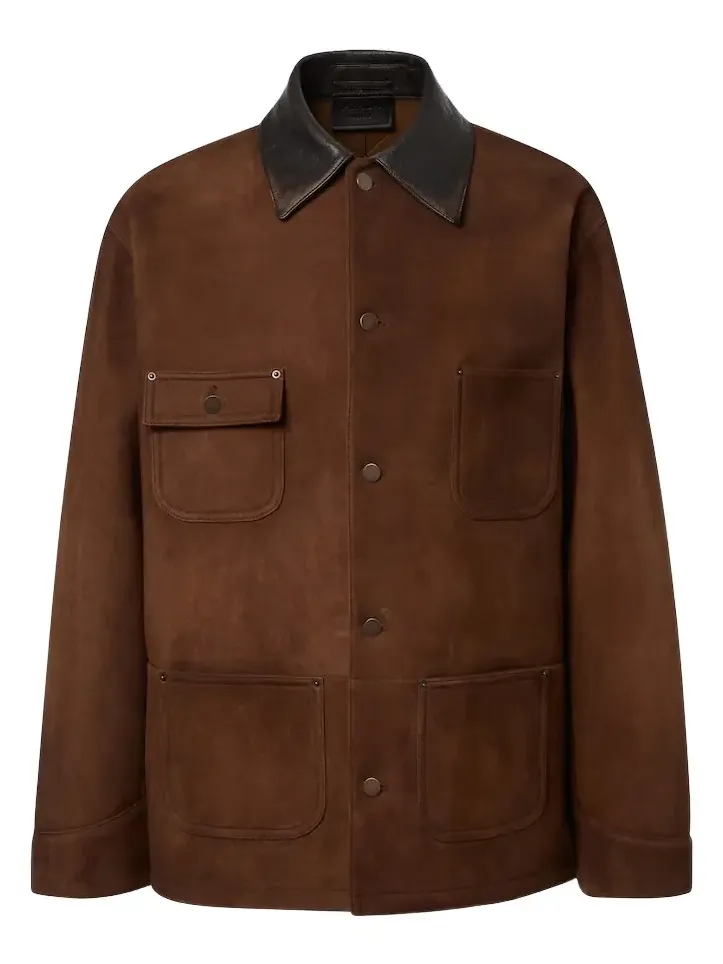 PradaLeather-trimmed suede jacket$11,500
The leather jacket: biker, aviator or blouson
Three leather shapes cover almost every man, and two of them began as working garments. The flight jacket came first. In 1931 the US Army Air Corps ordered an update to its Type A-1 jacket, replacing the front buttons with a zipper and the knit collar with a leather one; the result was the A-2, and the Smithsonian's National Air and Space Museum notes that the Air Force still issues it. The museum's own example is seal-brown horsehide with knit wool cuffs and waistband, a template many leather bombers with a shirt collar still follow.
The biker followed. According to The Museum at FIT, the Schott Brothers of New York made what is widely regarded as the original black leather motorcycle jacket in 1928, at the request of a Harley-Davidson distributor, adding a buckled belt and an asymmetric zip to keep the wind off the rider.
How to choose today:
- The biker is the sharpest and the hardest to dress up. It wants black, a close fit through the body and a T-shirt or fine knit underneath; Saint Laurent's Classic Moto is the reference.
- The aviator, with a shirt collar, ribbed hem and chest pockets, sits between workwear and town. Jil Sander cuts one in a worn-looking black leather with a quilted lining.
- The blouson, gathered at the hem with elastic or rib, is the easiest over a sweater and the one to wear with tailored trousers. Saint Laurent's chocolate version has a stand collar and an elasticated hem; Canali puts a shirt collar on its dark brown one.
Feel the hide before you judge the cut. A thin, soft nappa drapes almost like cloth and suits a blouson. A thicker, grained or waxed hide holds its shape, suits a biker or an aviator, and takes a season or two to soften. Leather gives a little across the back and at the elbows as you wear it, but it does not grow a size, so buy it to close over a fine merino rather than a chunky cable. The chunky knit belongs under a barn jacket.
- A black biker, a gray marl crewneck, black jeans and black Chelsea boots.
- A chocolate leather blouson, an ecru rollneck, gray flannel trousers and dark brown loafers.
- A green leather bomber, a white oxford shirt, ecru jeans and brown suede chukkas.
Leather jackets: bikers, aviators and blousons
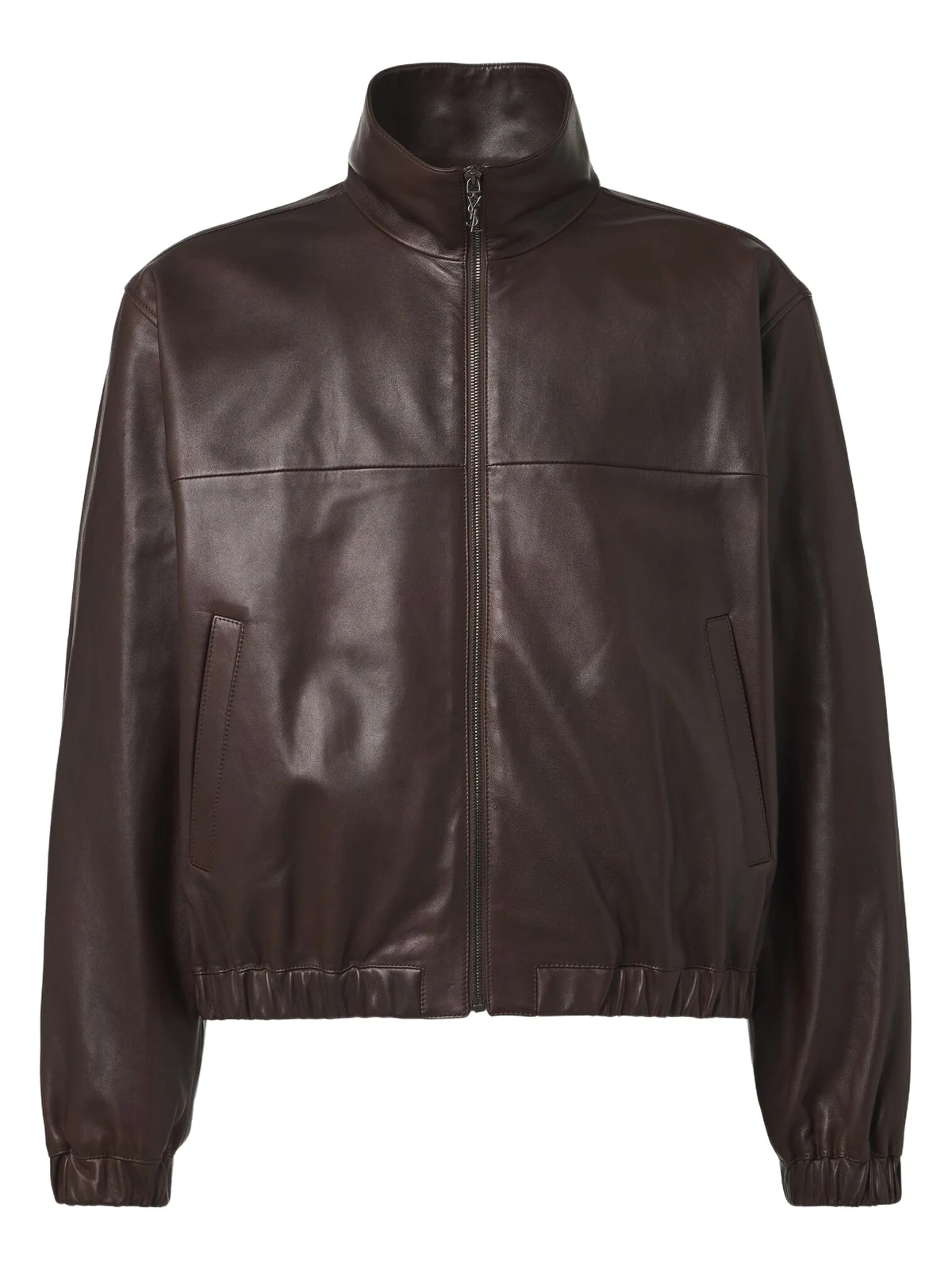 Saint LaurentLeather blouson jacket$7,500
 Saint LaurentClassic Moto$5,500
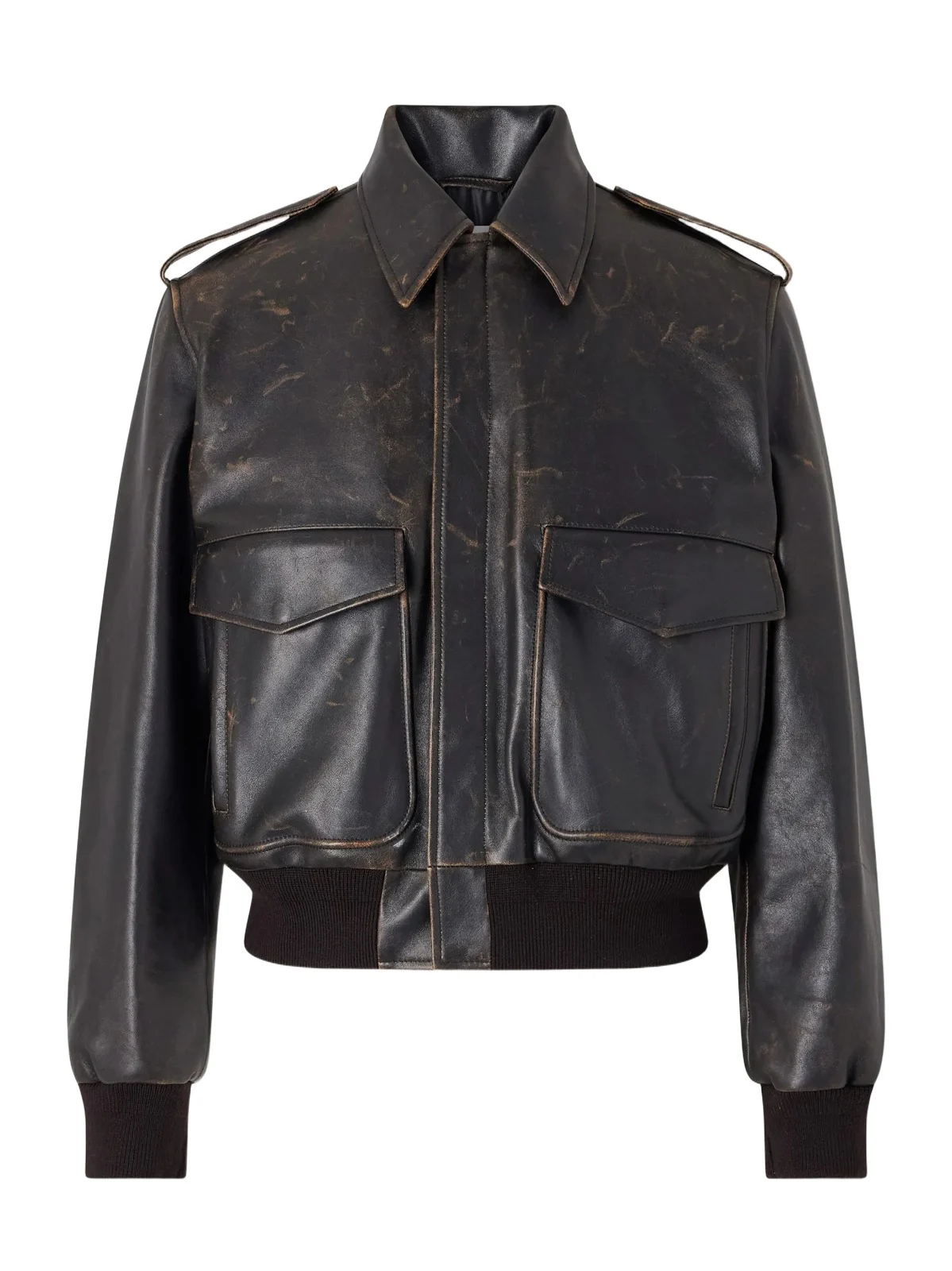 Jil SanderLeather Aviator Jacket - Men$6,550
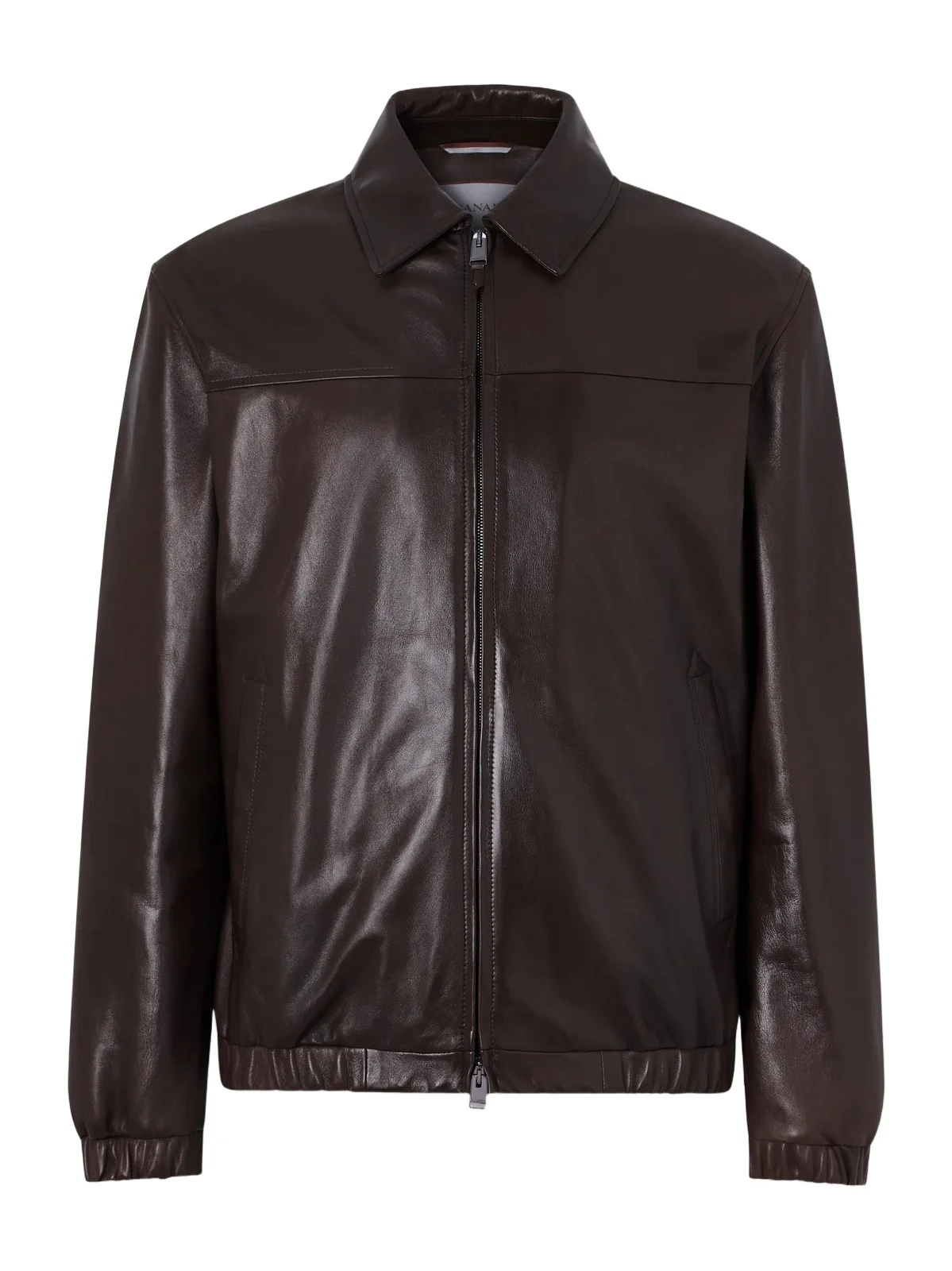 CanaliLeather Jacket - Men$4,995
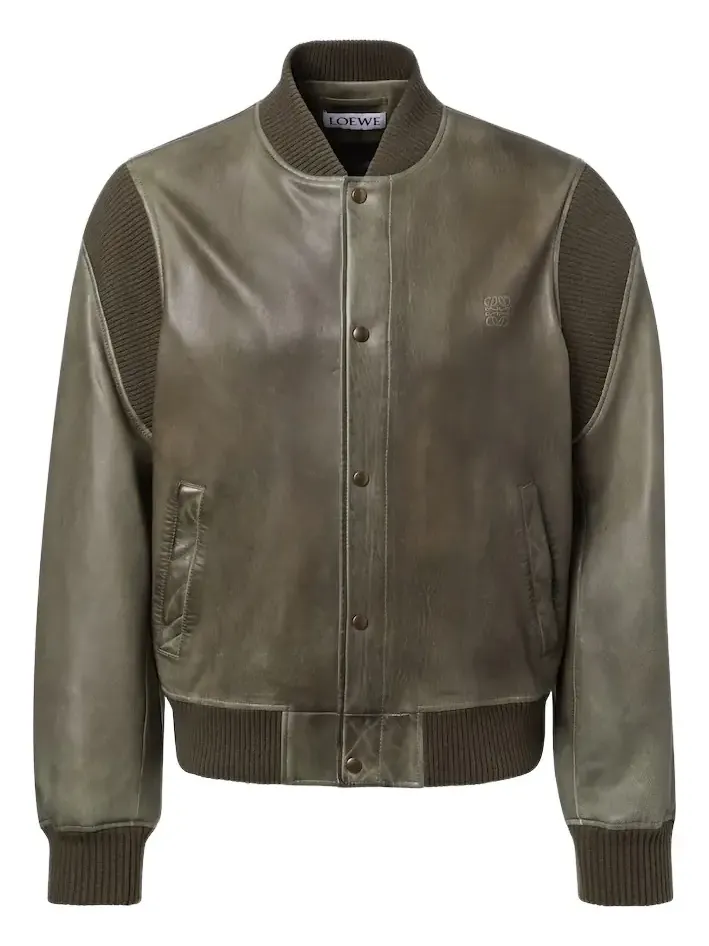 LoeweLeather bomber jacket$6,200
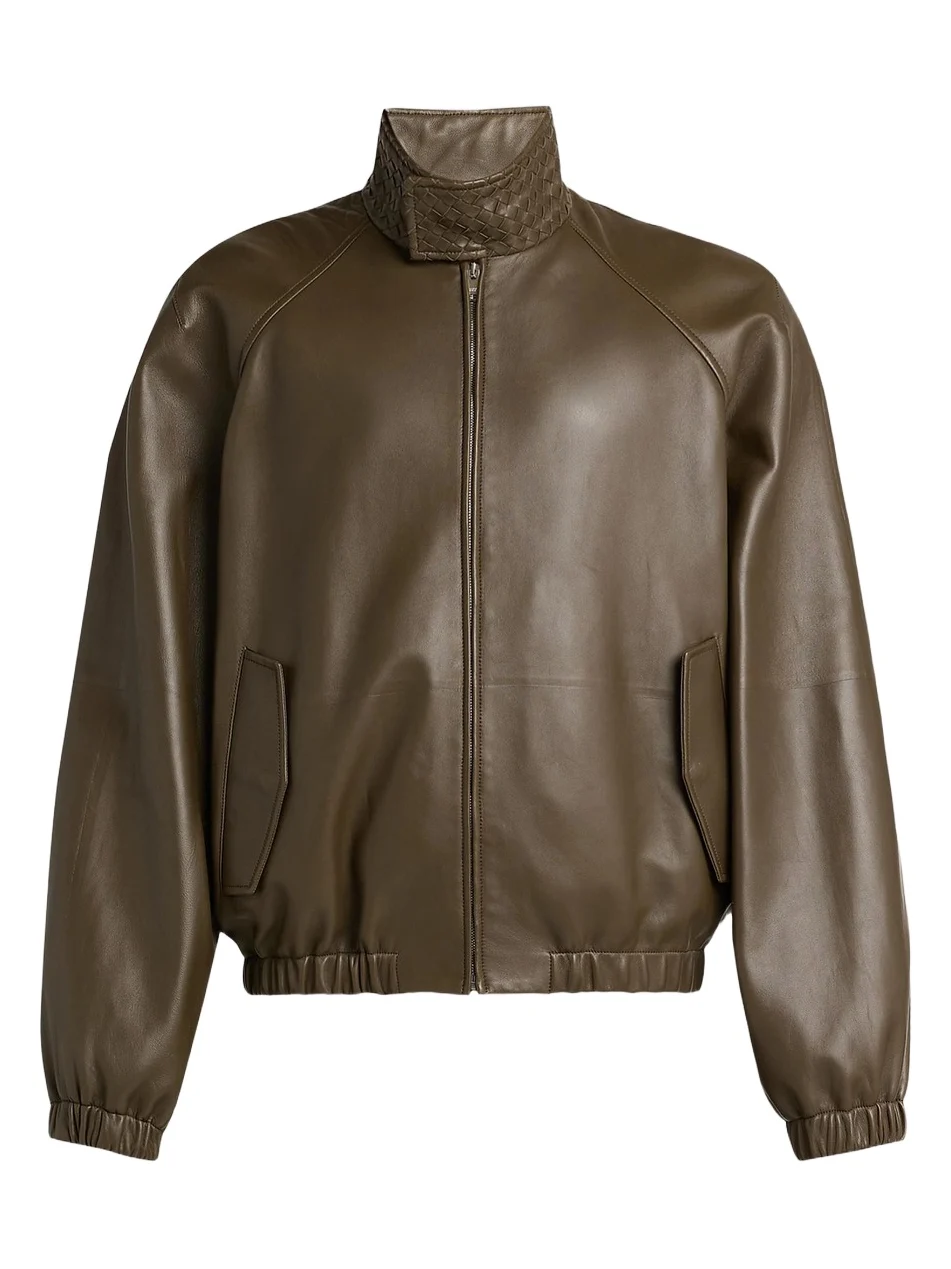 Bottega VenetaMen's Raglan Sleeve Leather Jacket$8,100
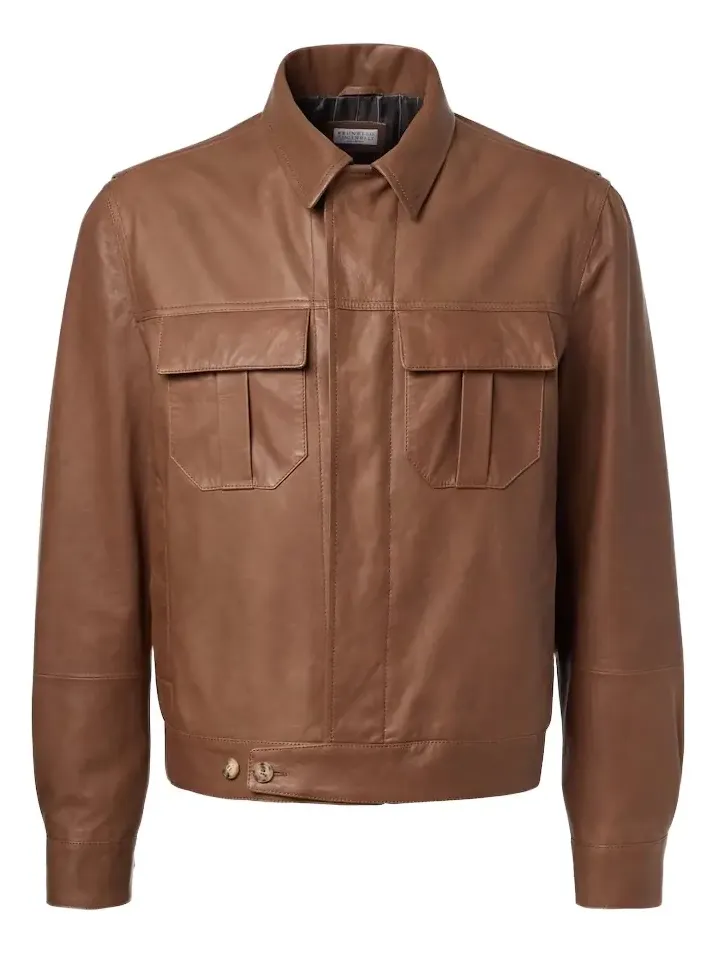 Brunello CucinelliLeather blouson jacket$9,200
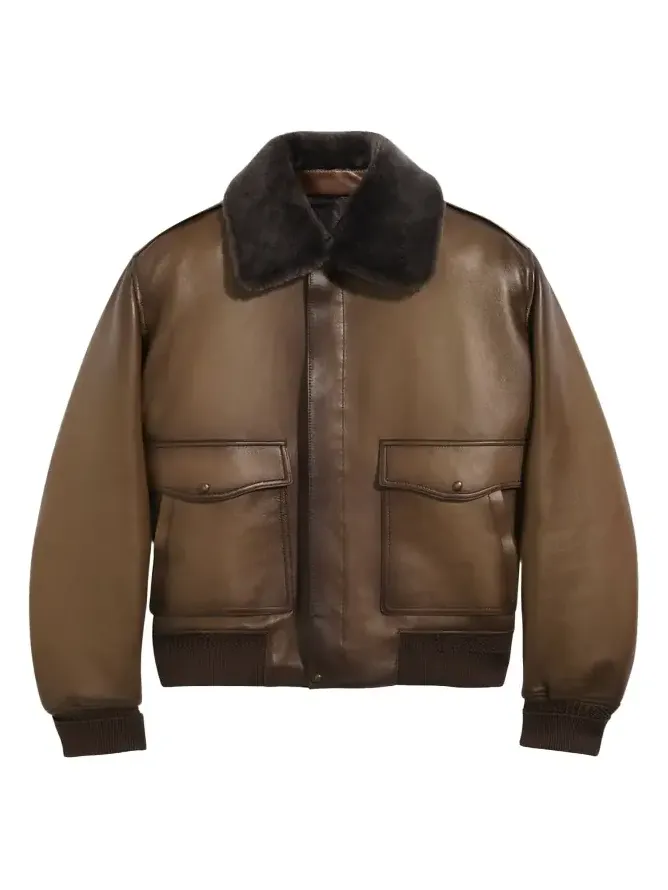 BerlutiMen's Leather & Shearling Collar Bomber Jacket$10,000
See every men's leather and suede jacket.
Barn, field and safari jackets for wet weeks
When the forecast turns, treated cotton beats leather. The barn jacket and the field jacket get confused, partly because houses use the names loosely: Givenchy calls its corduroy-collared, check-lined cotton jacket a field jacket. As we use the terms, a field jacket has the military layout, with four flap pockets, a collar you can turn up and often a drawcord at the waist. A barn jacket is simpler and squarer: hip length, a button or snap front, big lower pockets, a corduroy collar and, usually, a lined body. The Row's Frank is a plain example, cotton lined in cotton under a dark corduroy collar. A safari jacket is a field jacket with epaulettes and, often, a belt. Our men's fall wardrobe guide covers field jackets by climate; here we add the barn jacket and its waxed cousins.
Waxed cotton is the traditional rain cloth for all three. Barbour, whose story with the cloth began in 1894 when John Barbour opened a shop selling oilskins in South Shields, recommends re-waxing its jackets annually, depending on wear and use. Budget the same upkeep for any waxed jacket you buy. Brunello Cucinelli's listing for its waxed techno-cotton safari jacket says the finish makes the cloth water-resistant and slightly darkens its color, and its Thermore padding carries it into November.
For one jacket from October to December, look at modular designs. Moncler's Thaldrik pairs a cotton field-jacket shell with a detachable down vest, which the house describes as three styling options in one: the shell alone, the vest alone, or both together once the cold arrives.
Fit is simple: size a barn or field jacket for the heaviest knit you own, because this is the jacket that goes over a fisherman sweater. Then sit down with it fastened. If the lowest snap or button pulls open, it is a size too small.
- An olive field jacket, a cream fisherman sweater, gray flannel trousers and dark brown lug-sole boots.
- A black field jacket with a corduroy collar, a charcoal hoodie, black jeans and black Chelsea boots.
- A tan cotton barn jacket with a dark corduroy collar, a burgundy crewneck, ecru jeans and brown suede boots.
Field, barn and safari jackets in cotton and technical cloth
 The RowFrank corduroy-trimmed cotton jacket$2,990
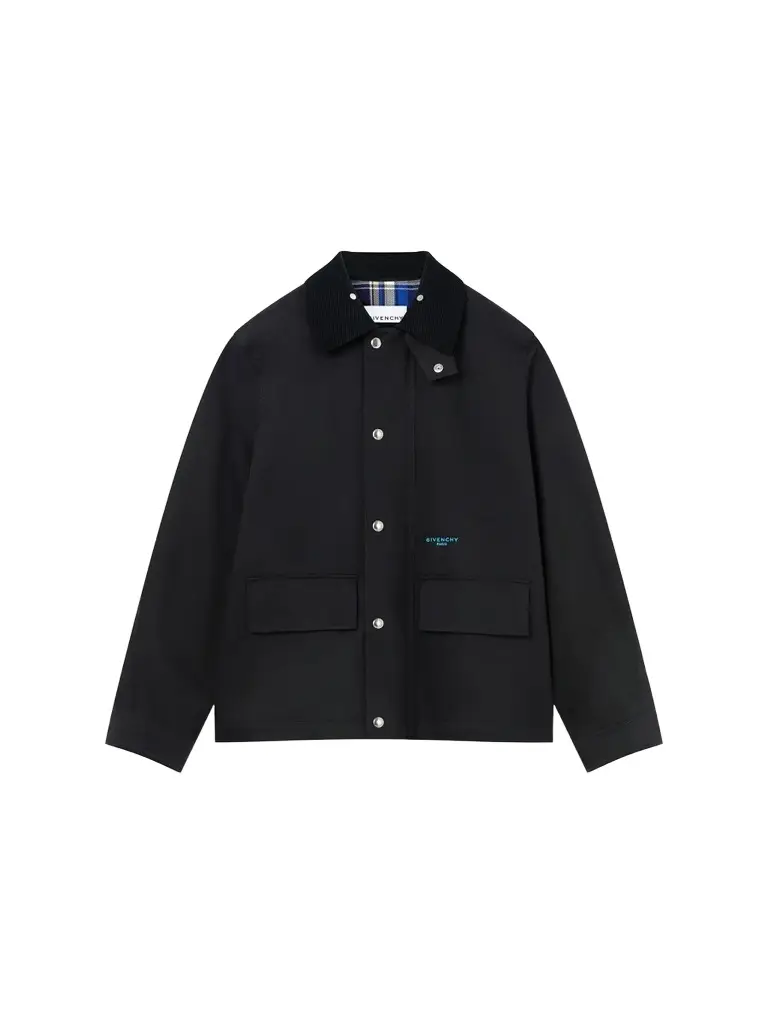 GivenchyMen's Field Jacket in Cotton with a Checked Lining$3,050
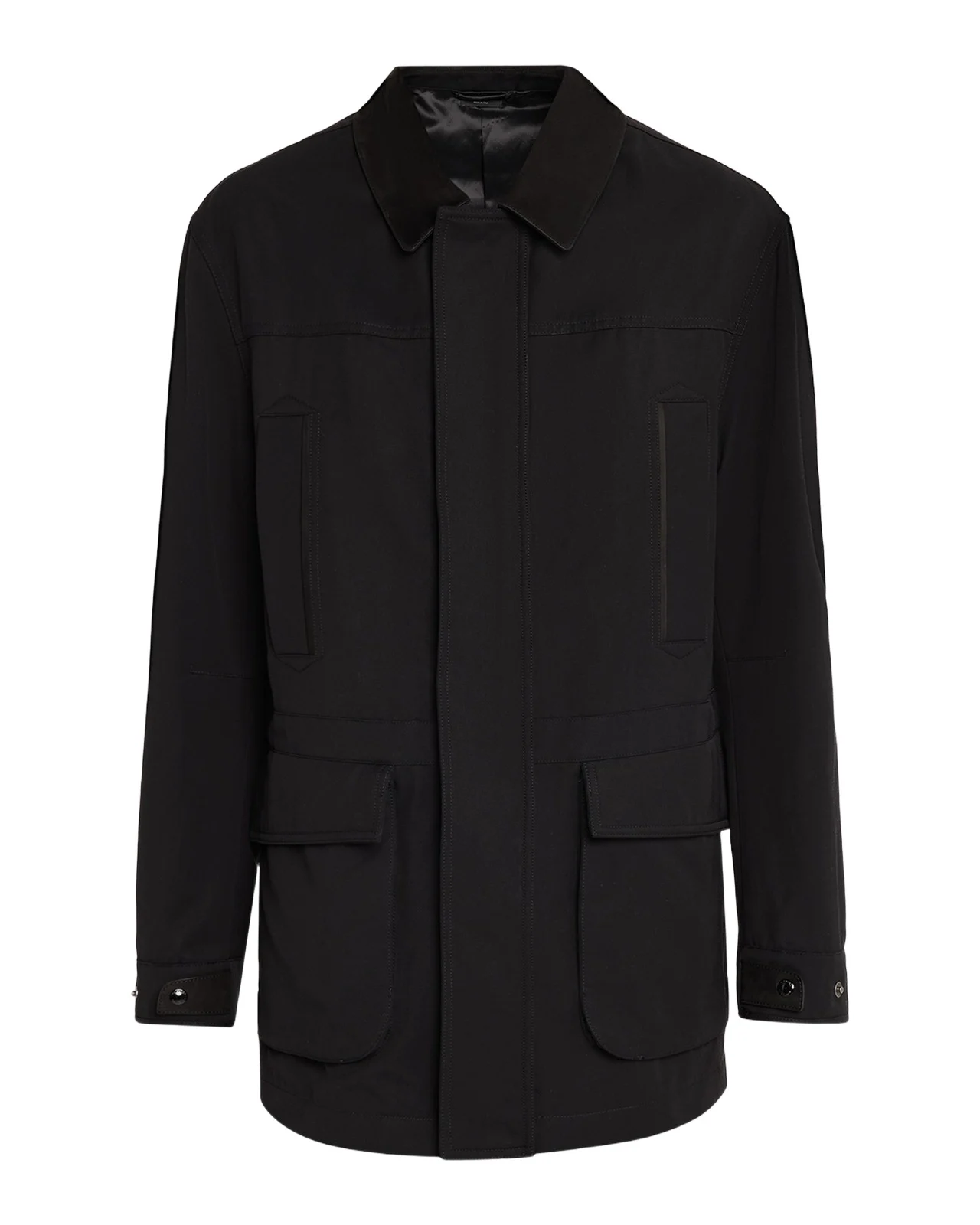 Tom FordMen's Leather-Trim Canvas Field Jacket$5,990
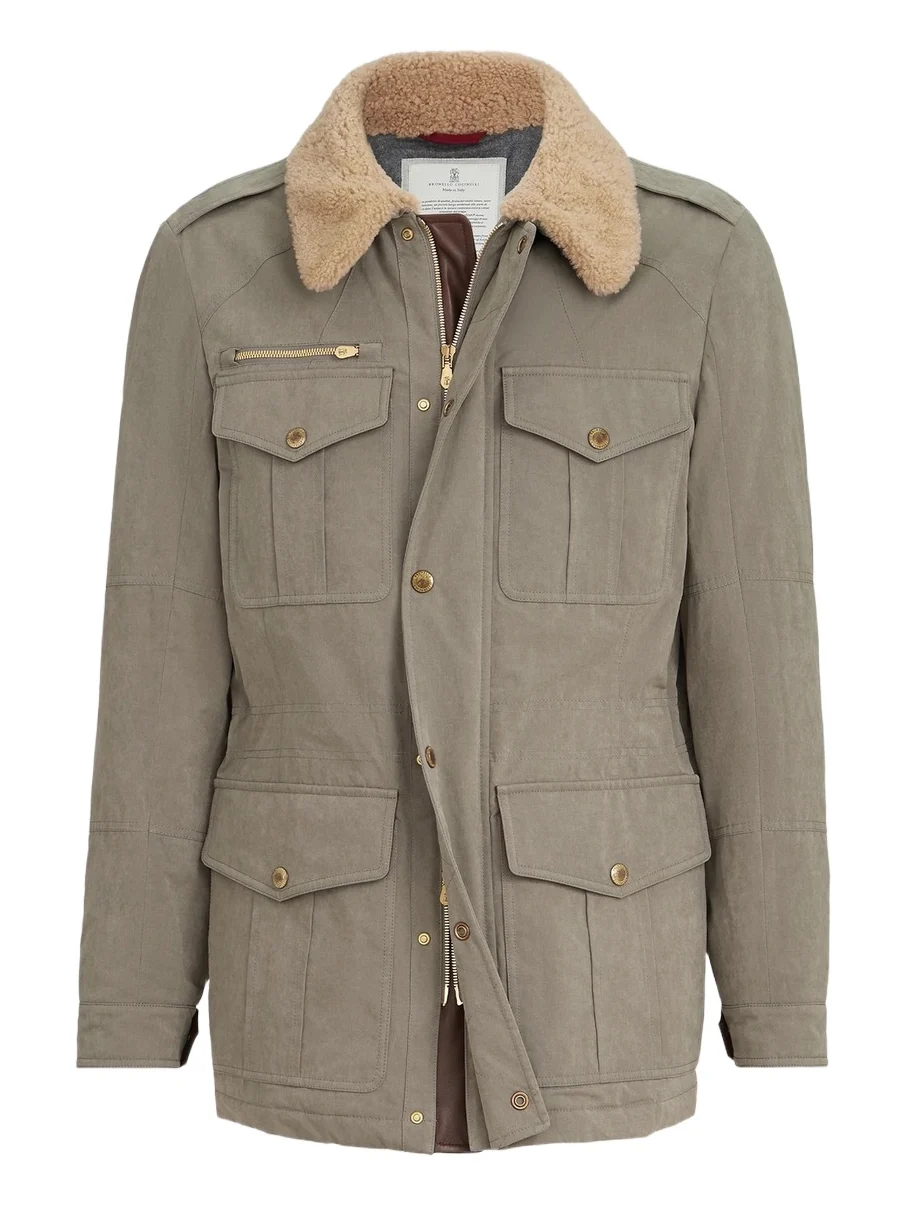 Brunello CucinelliMen's Waxed Techno Cotton Safari Jacket with Nappa Leather Inserts and Shearling Collar - Medium Grey$11,550
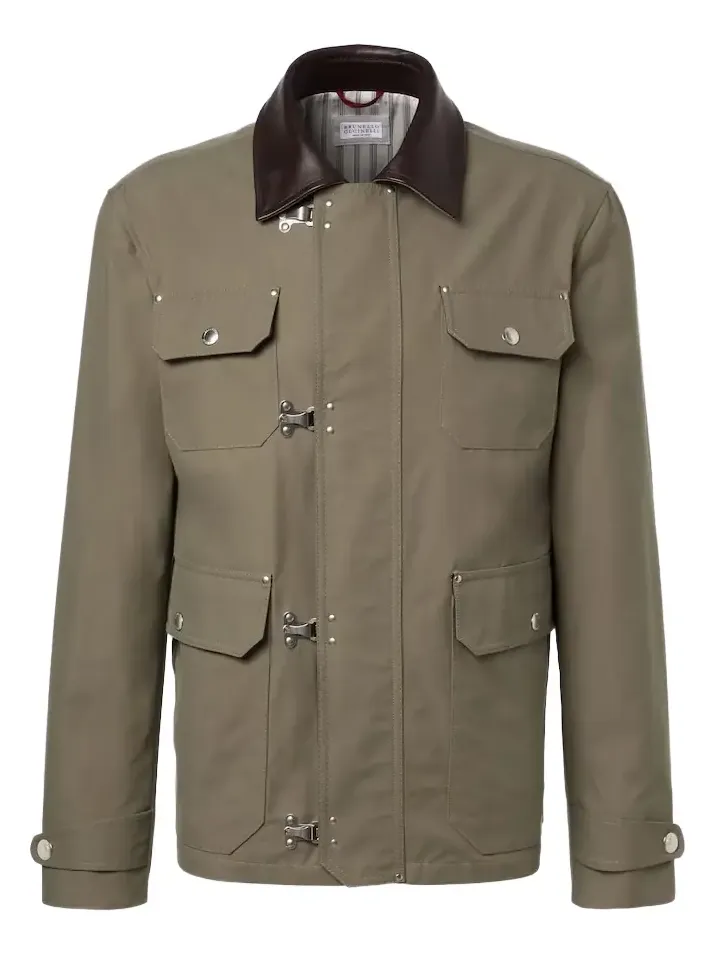 Brunello CucinelliCotton-blend gabardine field jacket$6,400
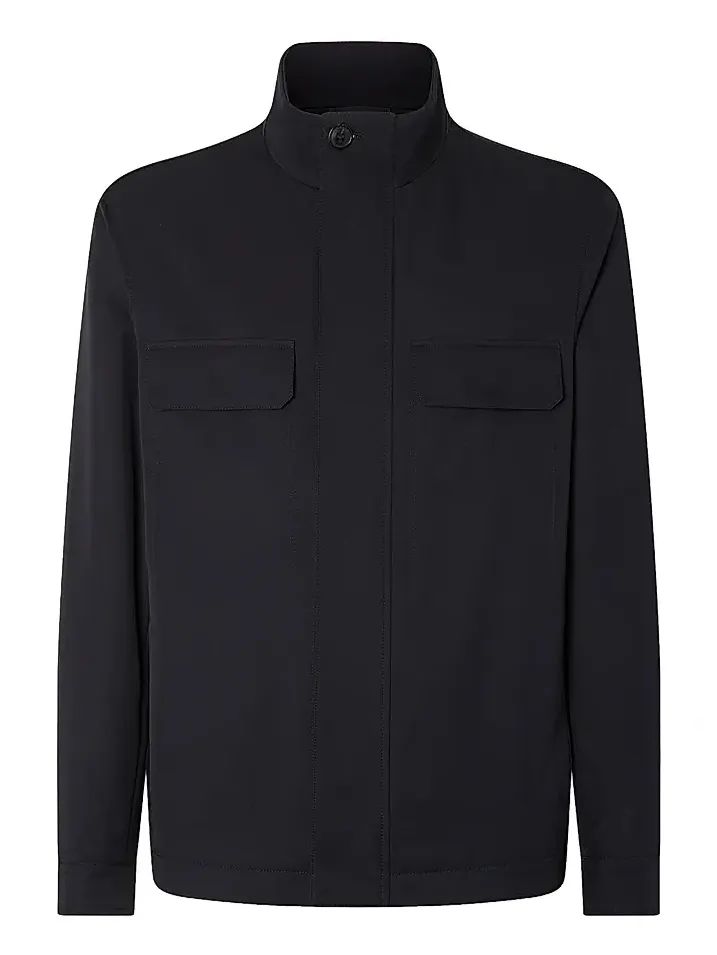 ZegnaMen's Microfiber Motorin 125CC Field Jacket$3,950
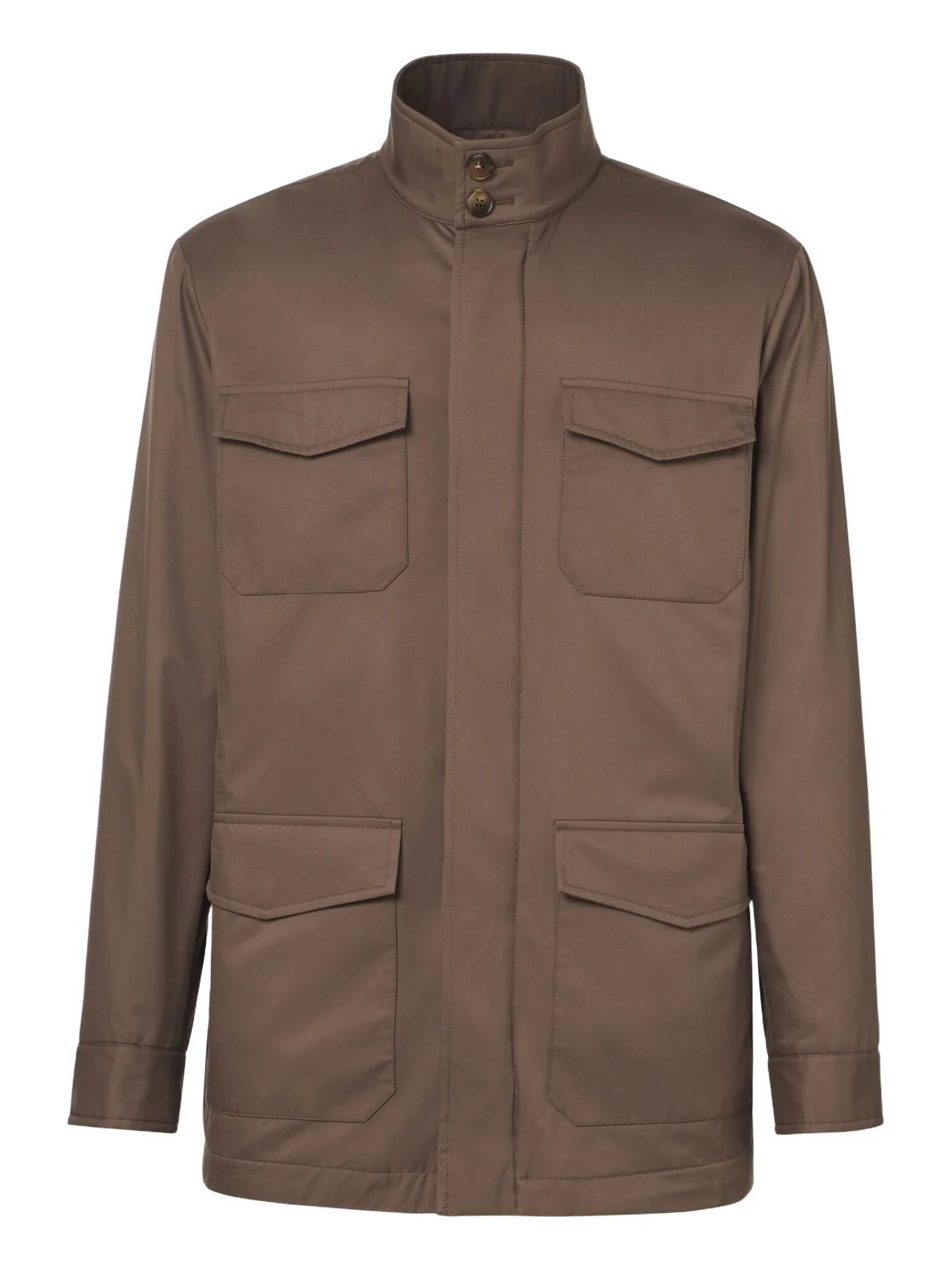 CanaliTechnical field jacket$1,715
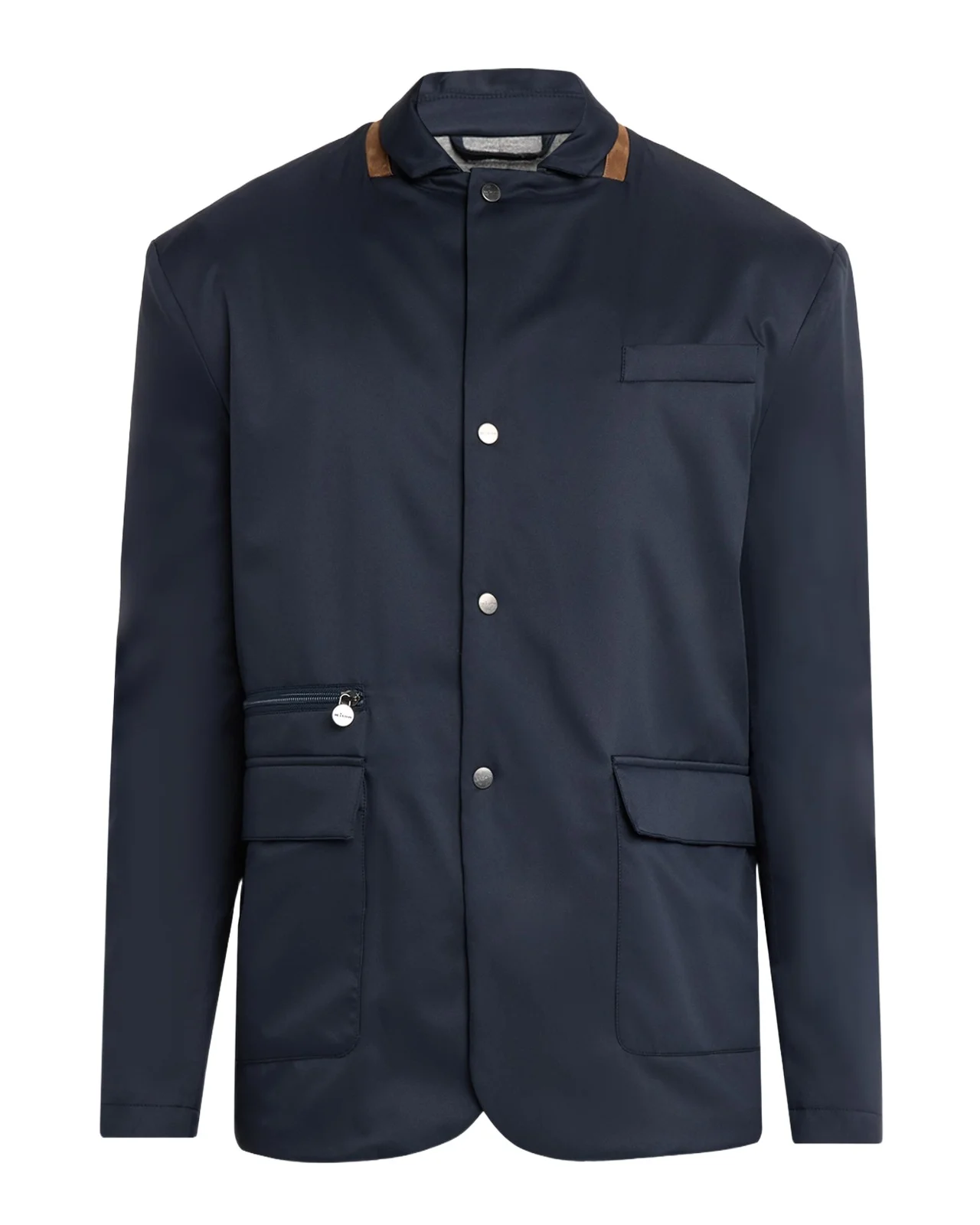 KitonMen's Full-Zip Field Jacket$7,650
Chore and work jackets in wool, cashmere and cord
The spring chore jacket is canvas or linen. In fall the same square, patch-pocketed shape arrives in cloths that change its character. Brushed wool and double-face cashmere make it soft enough to wear as a jacket to the office. Corduroy keeps it casual. Suede, as in Zegna's pale stone suede chore jacket from its runway collection, makes it the most luxurious jacket in the closet. Double-face cashmere, the cloth of Gabriela Hearst's ochre Ulu, has two finished sides, so the jacket looks as neat open as it does buttoned; the listing notes blanket-stitched edges on the front, pockets and collar.
Zegna's cashmere chore jacket has a stand collar and sits halfway to a blazer. Brioni's cotton-and-wool work jacket keeps a shirt collar, three flap pockets and the straight body of the workwear original. Loewe's wool-cashmere workwear jacket in black is the city version, and Gabriela Hearst's Javier in green Sea Island cotton corduroy is the weekend one.
Judge a chore jacket buttoned. Over a crewneck, the fronts should meet without the buttons dragging the cloth into creases, and the hem should end at the bottom of your seat. With flat-front trousers and a fine-gauge knit, a wool or cashmere chore jacket does the job of a sport coat in an office without a dress code. A corduroy one is the right weight for Thanksgiving weekend, which starts on Thursday, November 26 this year.
- A forest-green corduroy chore jacket, a white T-shirt, ecru jeans and brown suede loafers.
- A black wool-cashmere work jacket, a gray rollneck, black trousers and black leather loafers.
- A navy wool chore jacket, a pale-blue oxford shirt, gray flannel trousers and burgundy loafers.
Chore and work jackets in wool, cord and suede
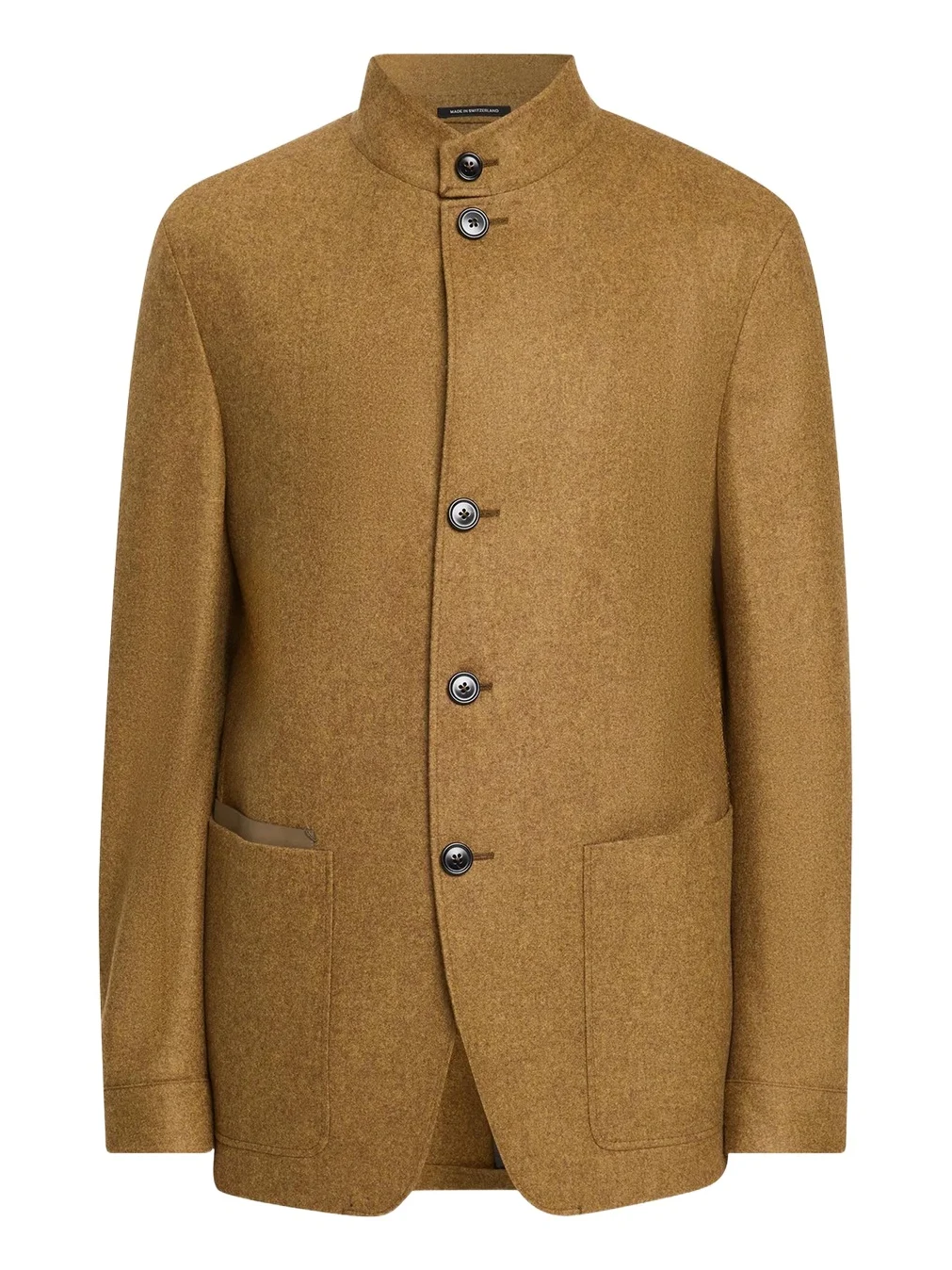 ZegnaMen's Cashmere Chore Jacket$5,750
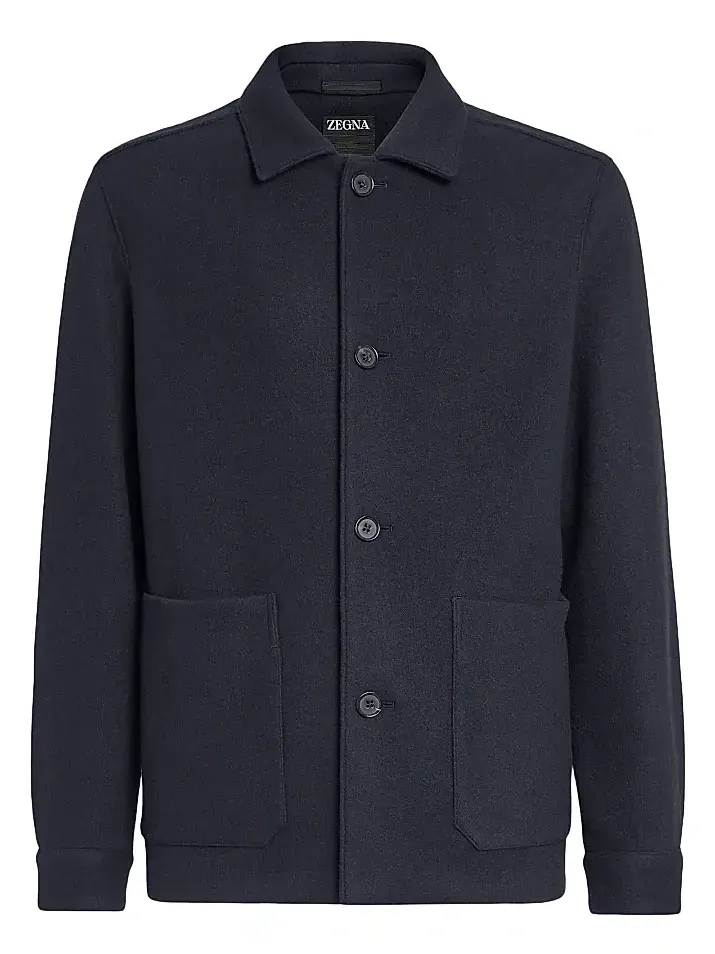 ZegnaMen's Wool and Cashmere Alpe Chore Jacket$3,950
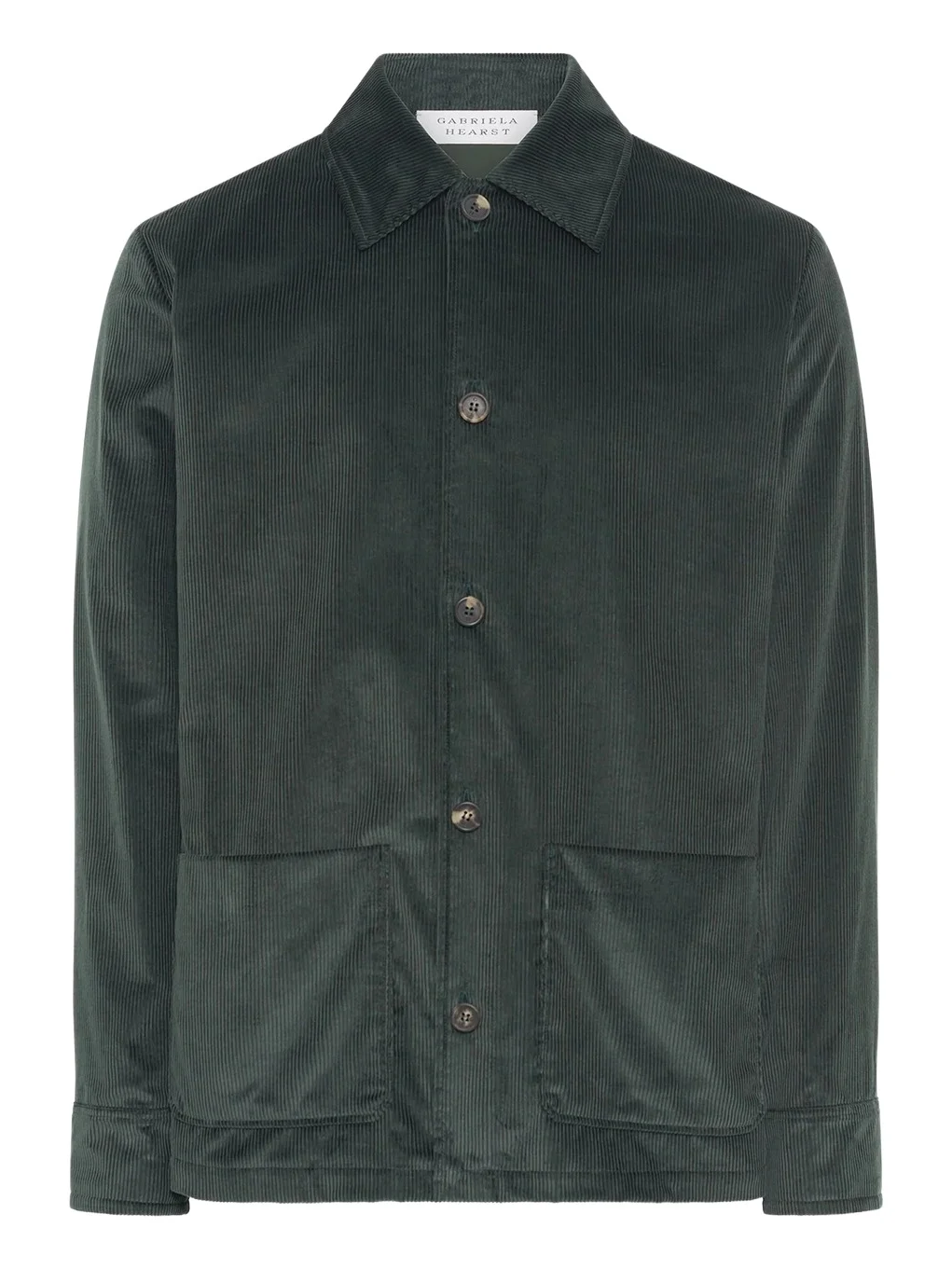 Gabriela HearstJavier Chore Jacket in English Green Sea Island Cotton Corduroy$2,200
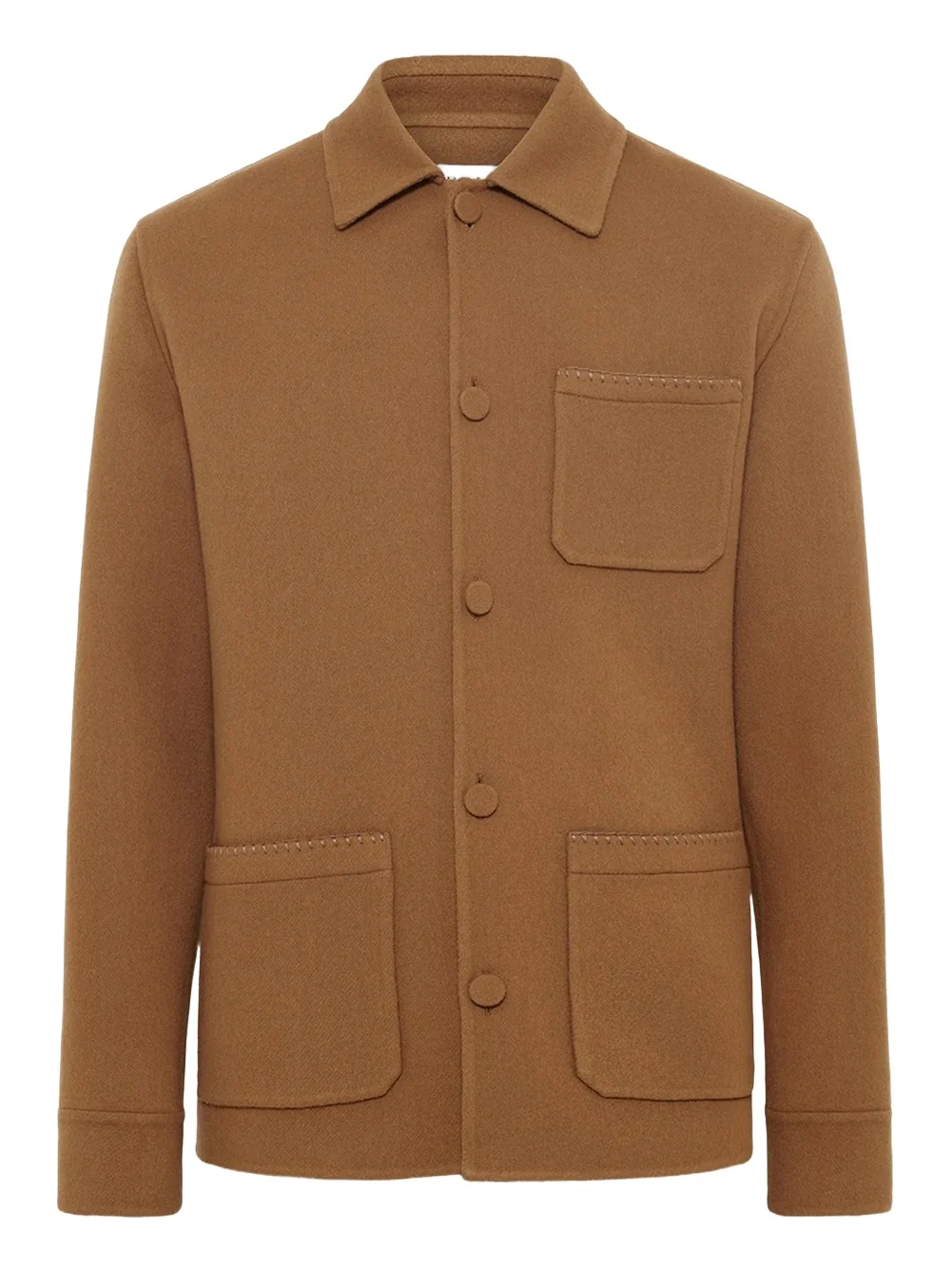 Gabriela HearstUlu Chore Jacket in Yellow Ochre Double-face Recycled Cashmere$3,660
 BrioniMen's Cotton and Wool Work Jacket$3,950
 ZegnaSuede Chore Jacket - Men$7,990
 LoeweMen's Wool-Cashmere Workwear Jacket$3,700
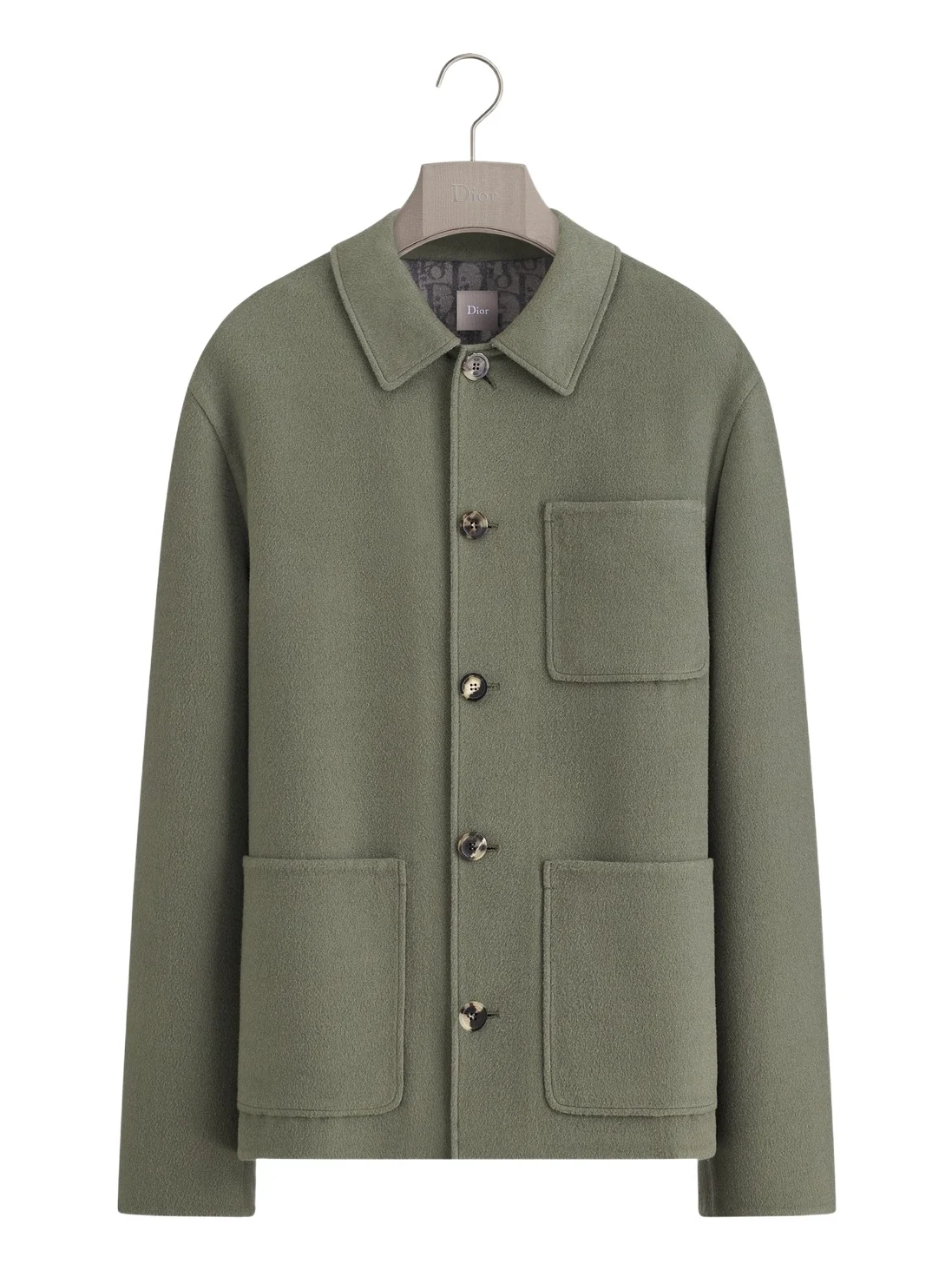 DiorDior Icons Workwear Jacket$4,900
Overshirts and shirt jackets: when the middle layer goes outside
Our men's fall outfits guide covers the overshirt as a middle layer. What changes when it becomes your only jacket is the fill. A padded overshirt, such as Prada's in cashmere or Burberry's in corduroy, holds a thin layer of insulation that turns a shirt shape into a jacket for a mild October afternoon, and it still slides under a coat in December. Plain cashmere, like Tom Ford's navy or Brunello Cucinelli's pearl gray, is the dressier choice and the one to keep for years. A brushed check shirt jacket like Moncler's camel plaid is a one-season pleasure that turns a white T-shirt and ecru jeans into an outfit.
- A camel check shirt jacket worn open over a cream T-shirt, gray jeans and dark brown suede boots.
- A navy cashmere overshirt buttoned over a white T-shirt, gray wool trousers and white leather sneakers.
Overshirts and shirt jackets with real weight
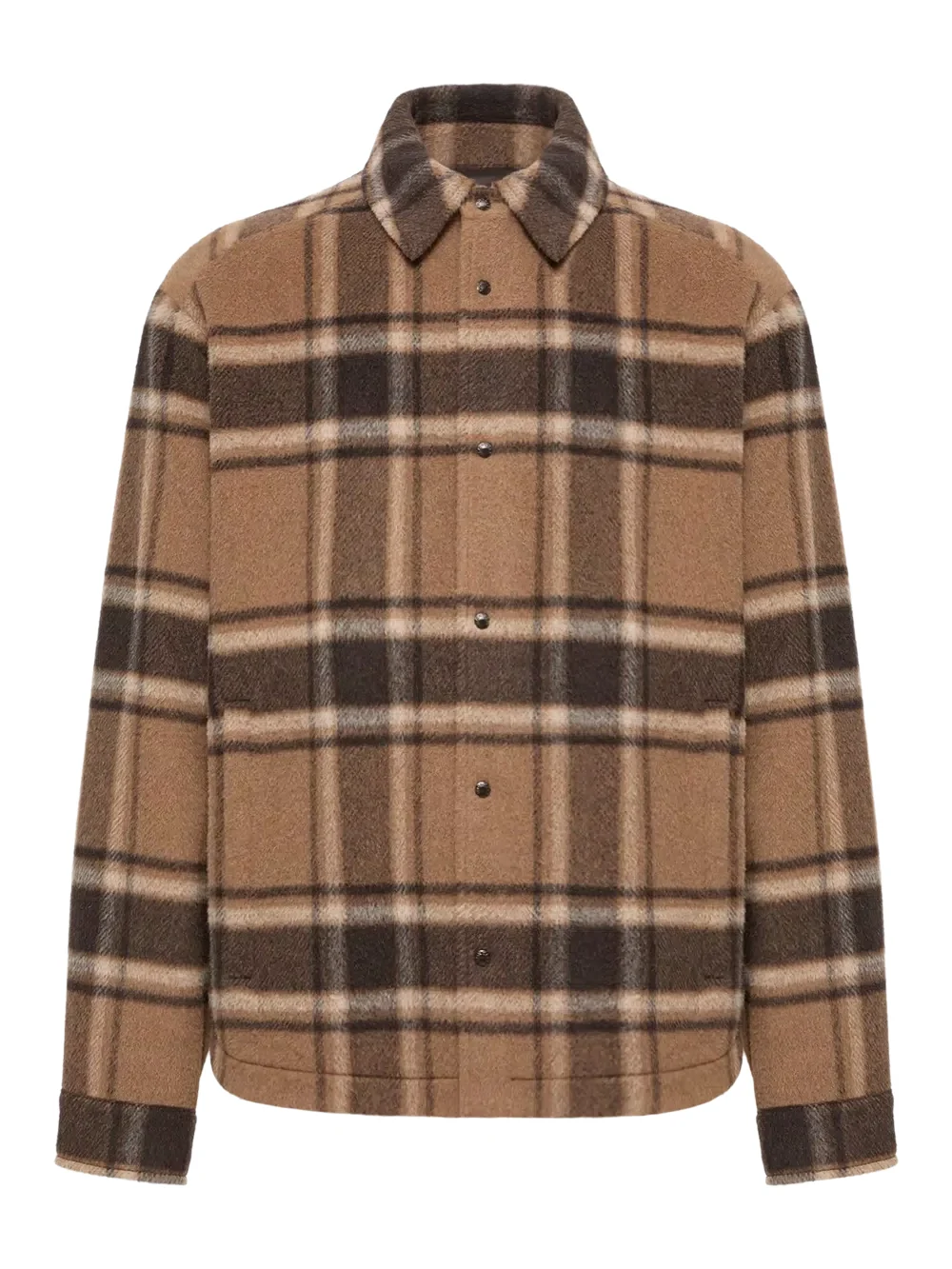 MonclerCheck Wool Shirt Jacket$1,880
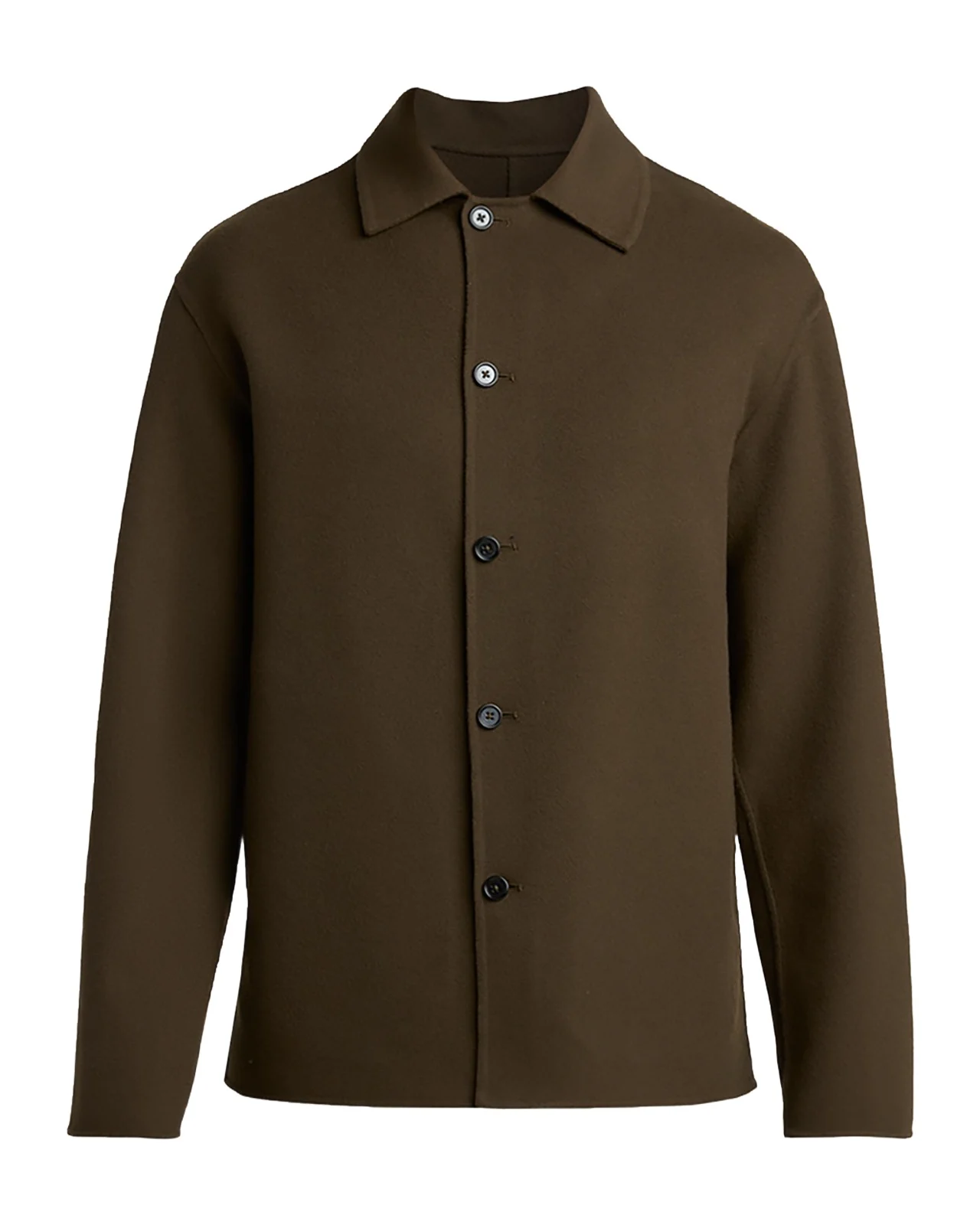 Jil SanderMen's Wool and Cashmere Shirt Jacket$3,950
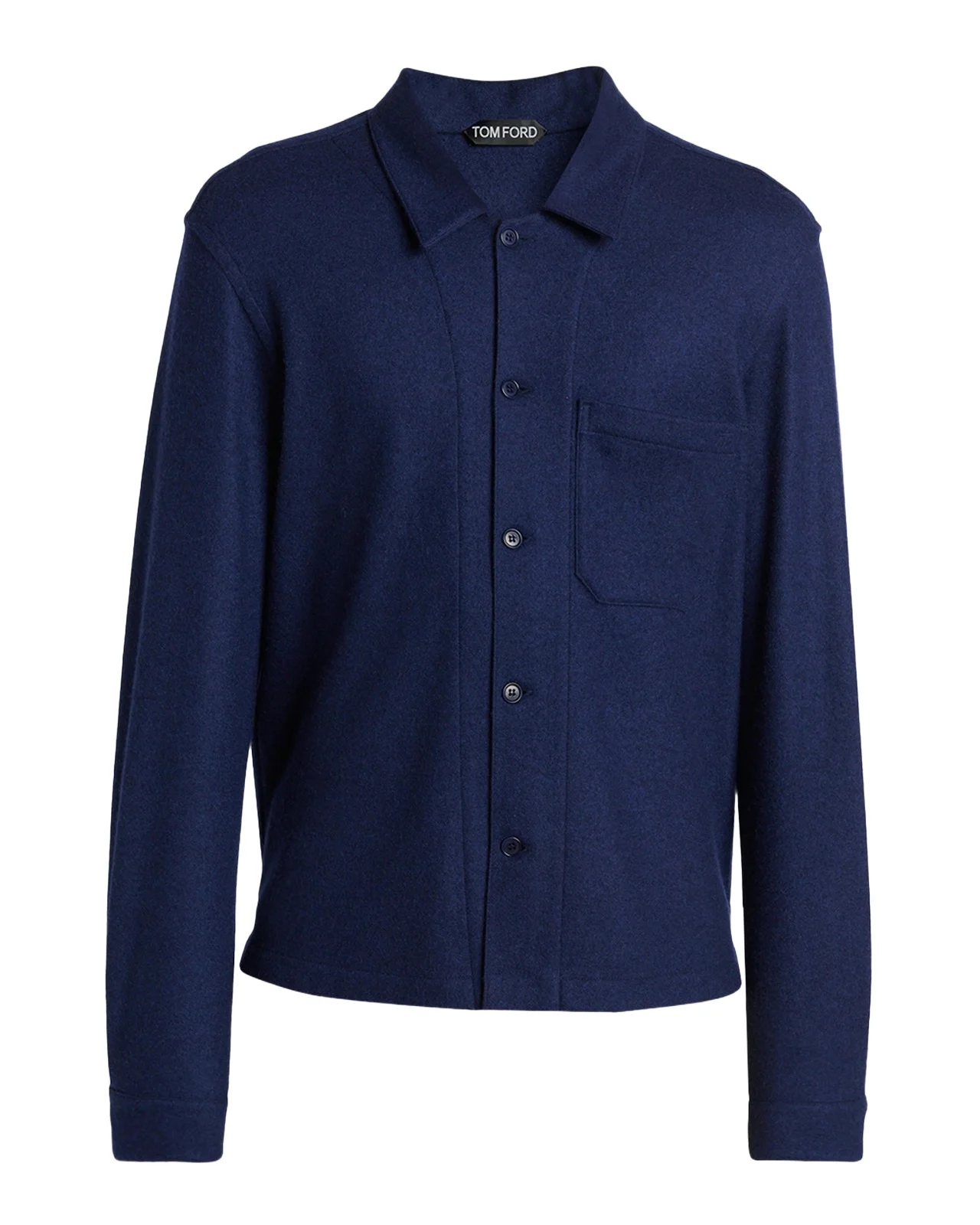 Tom FordMen's Cashmere Overshirt$3,490
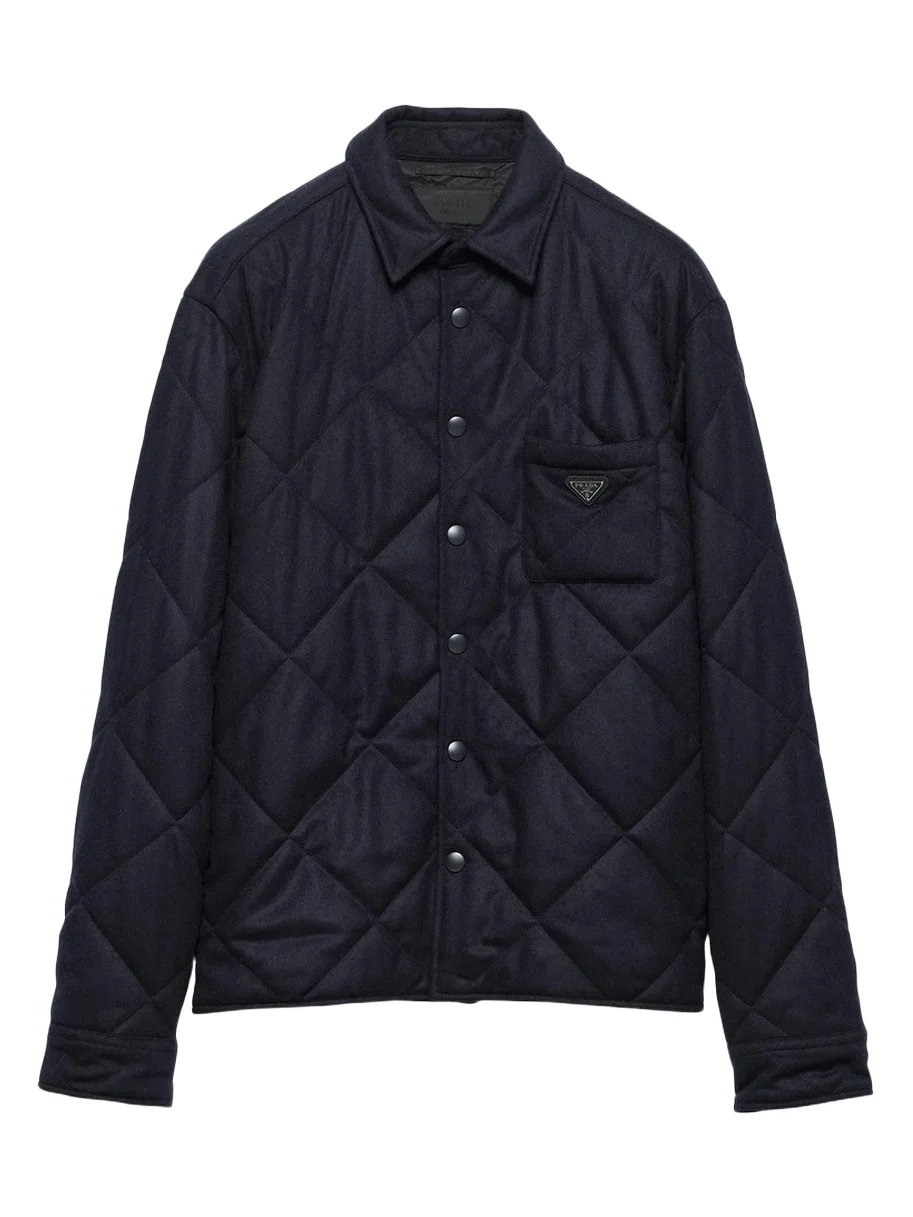 PradaMen's Padded Cashmere Overshirt$4,500
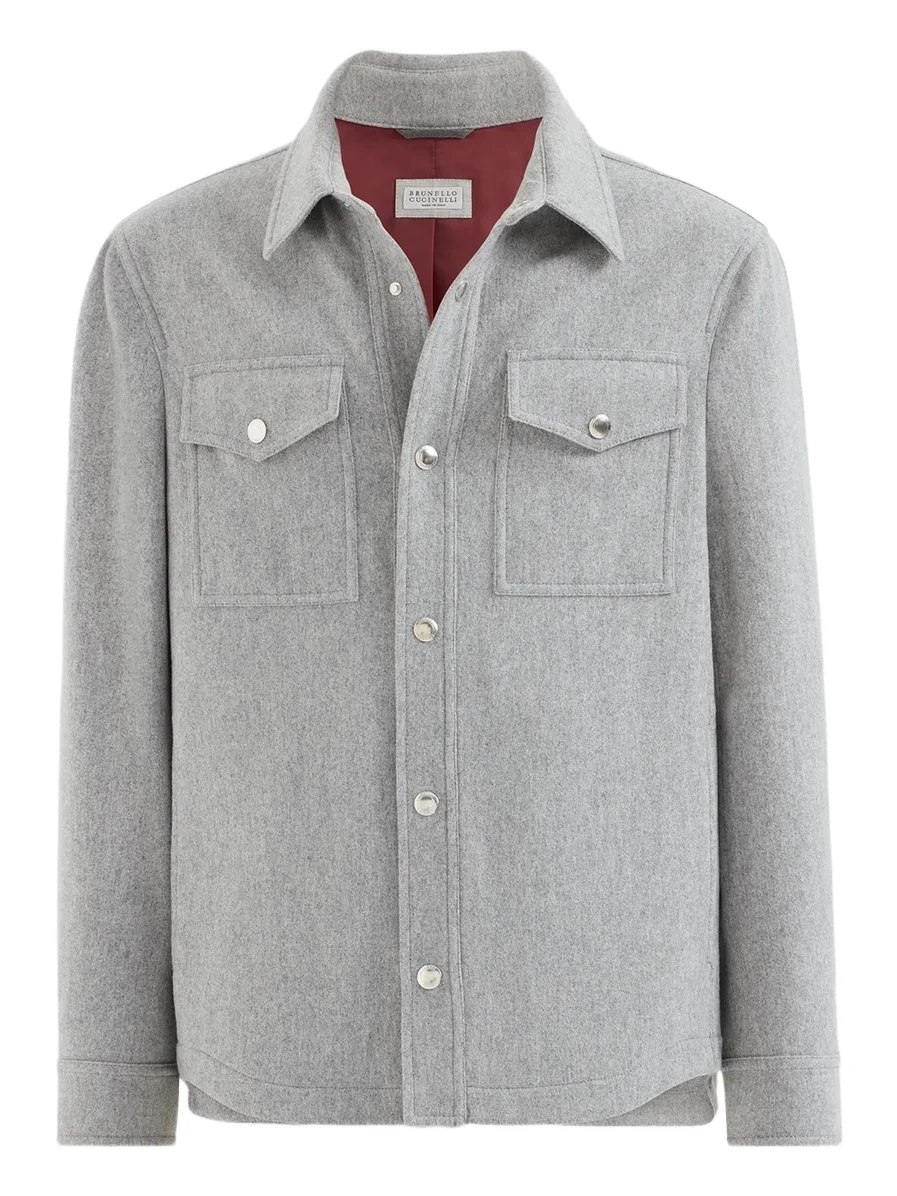 Brunello CucinelliMen's Cashmere Shirt-Style Outerwear Jacket$7,750
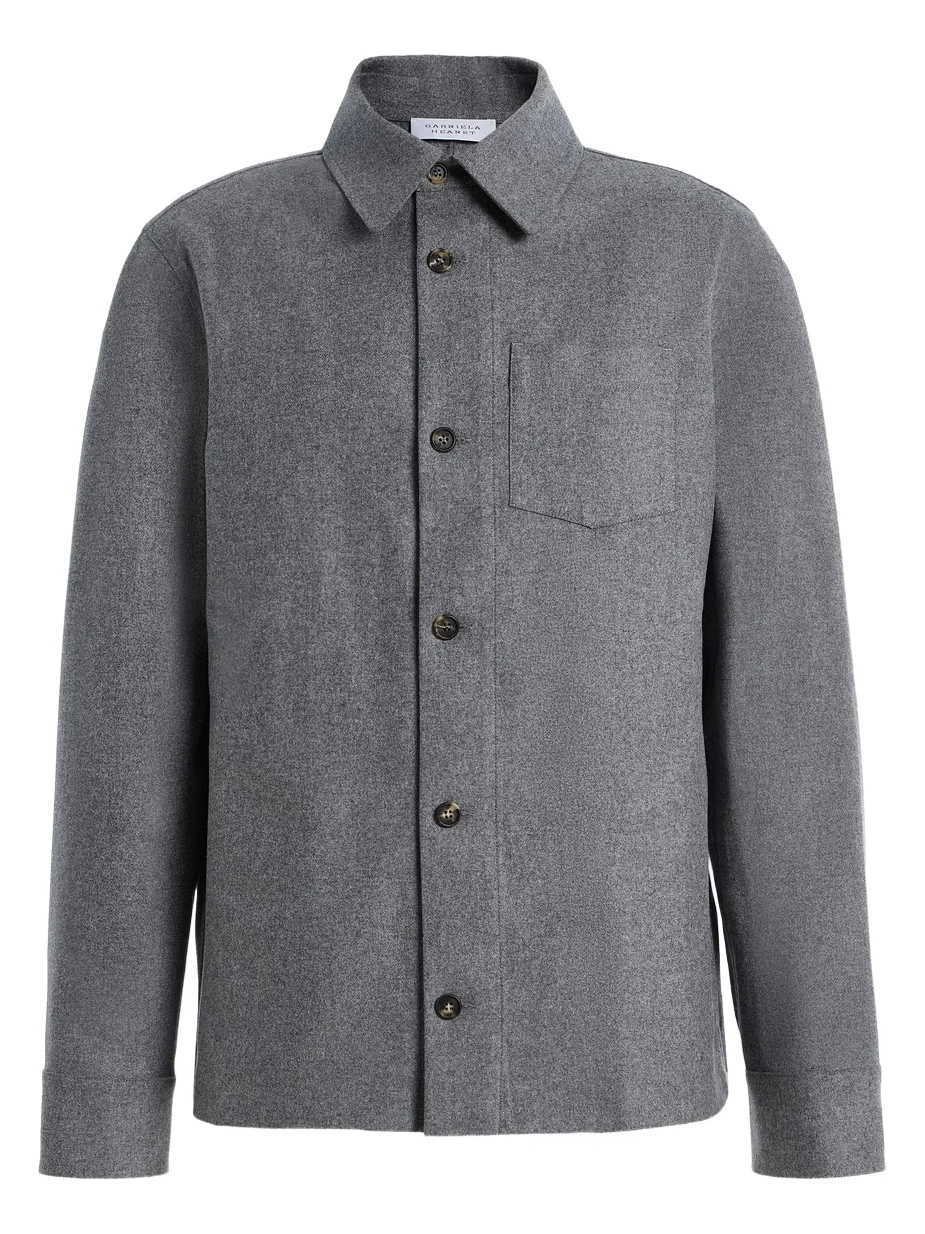 Gabriela HearstDrew Overshirt in Smoke Wool Cashmere Flannel$1,750
 CanaliCotton-Corduroy Overshirt - Men$1,695
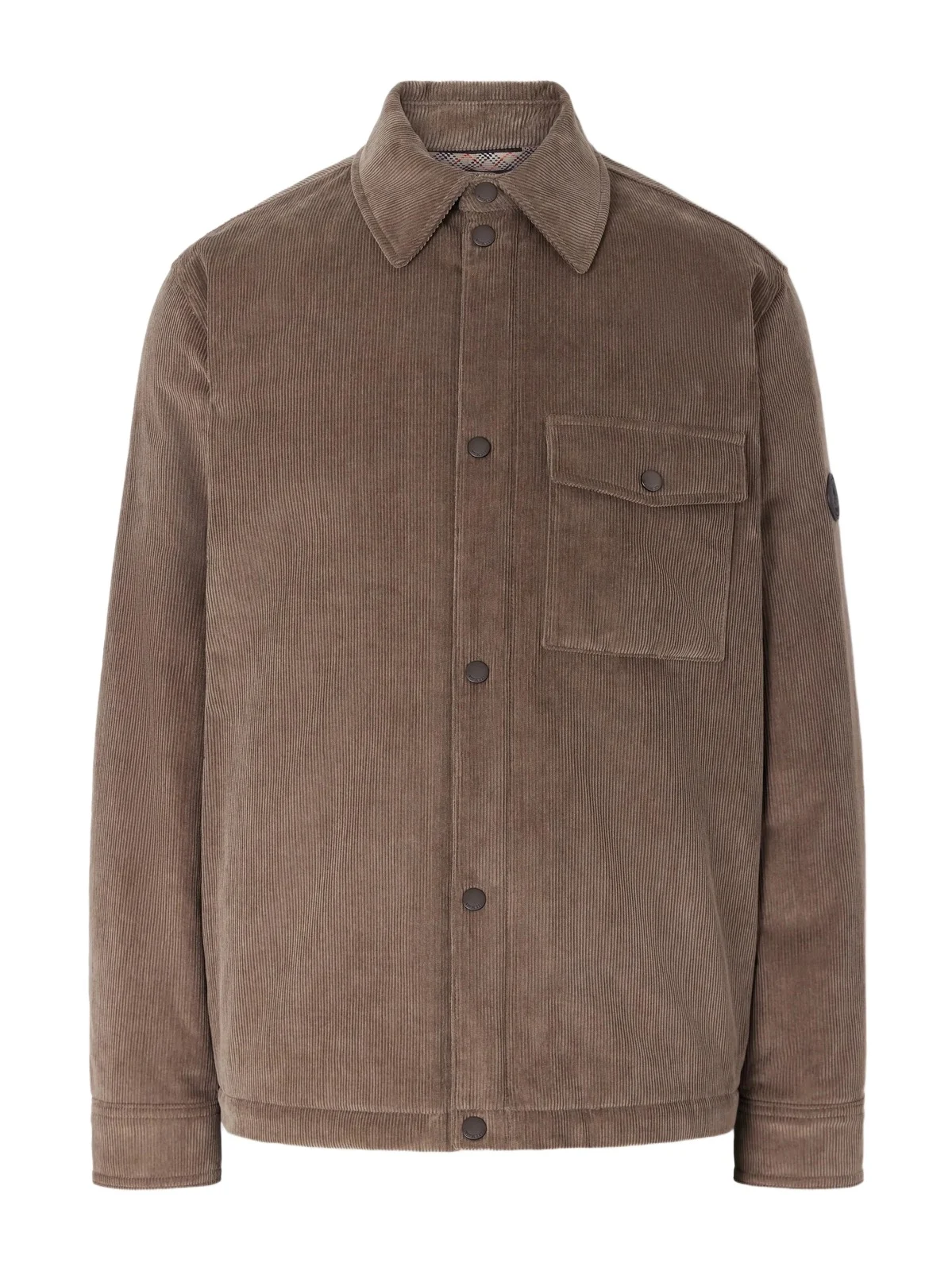 BurberryLogo-Appliquéd Padded Cotton-Corduroy Overshirt - Men$1,795
Browse all men's shirt and utility jackets.
The bomber and the Harrington in fall weights
Our spring jackets guide explains what separates a bomber from a Harrington. For fall, the question is the cloth. Wool flannel, herringbone and cashmere make a bomber read as tailoring rather than sportswear, so it sits well with flannel trousers and loafers. Suede turns it into the softest leather jacket you can own. A shearling collar, as on Gabriela Hearst's James, adds the warmth you start to want in November, while Givenchy's beige cotton Harrington is the lightest jacket in the edit below and the one for the first cool weeks.
Maison Margiela shows how far the shape can travel: its herringbone bomber, according to the listing, puts a V-necked wool shell over a built-in ribbed mock neck, so it looks like a jacket over a rollneck in a single piece.
The fit point that matters most in fall is the hem. A bomber's ribbed band should sit at your belt, and whatever you wear under it has to stop above that rib. A sweater hanging an inch below a bomber is the most common way this look goes wrong. Wear a shirt, a cropped knit or a fine-gauge sweater tucked in, or buy the bomber a little longer. The mustard varsity jacket below is a one-season pleasure; the gray or navy wool bomber is the version to keep.
- A gray wool bomber, a white oxford shirt, navy flannel trousers and black penny loafers.
- A dark brown herringbone bomber, a cream rollneck, gray flannel trousers and brown suede chukkas.
- A mustard varsity bomber, a gray hoodie, ecru jeans and white leather sneakers.
Bombers in wool, cashmere and suede, plus a cotton Harrington
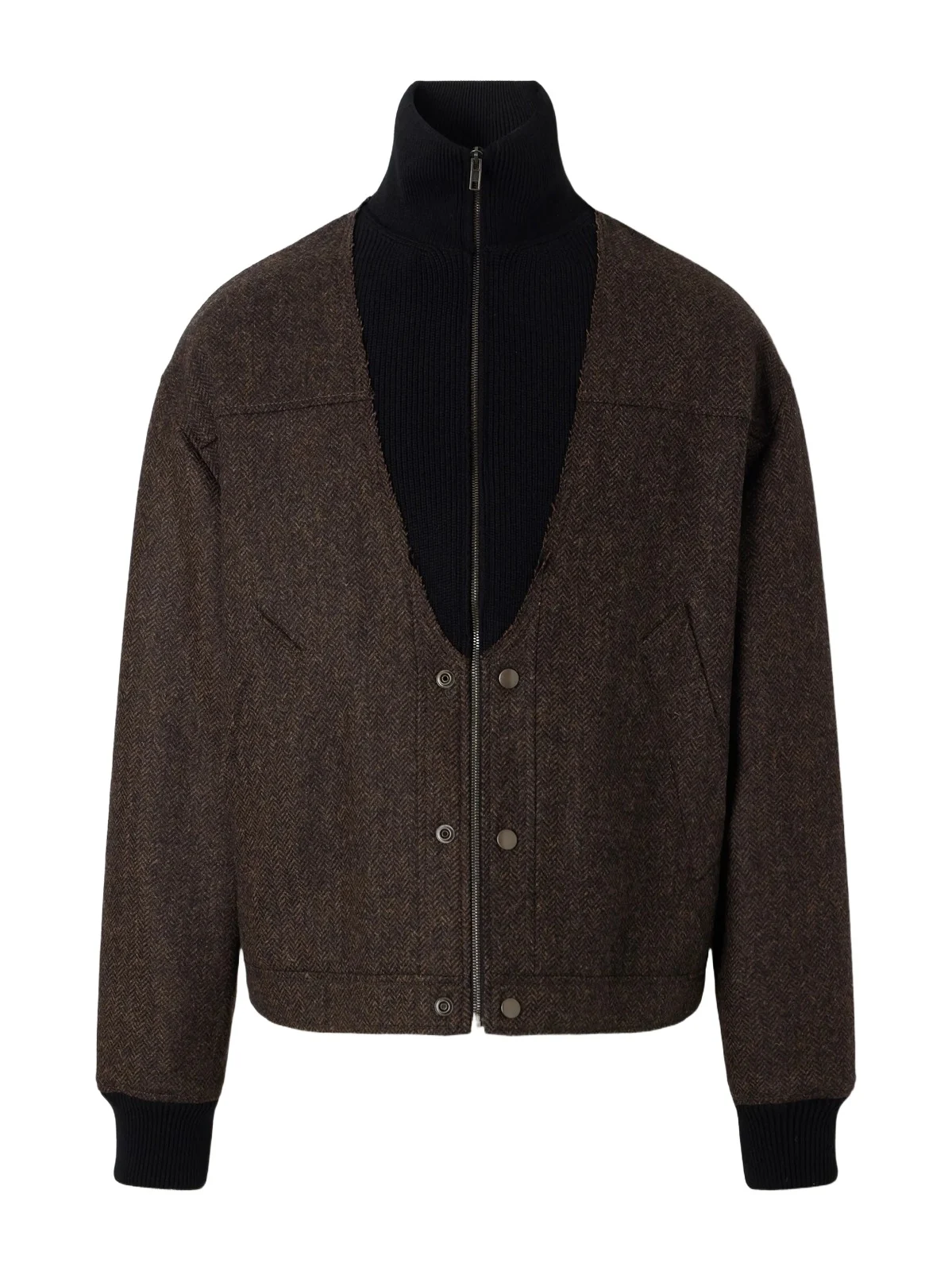 Maison MargielaWool Herringbone Bomber Jacket$3,670
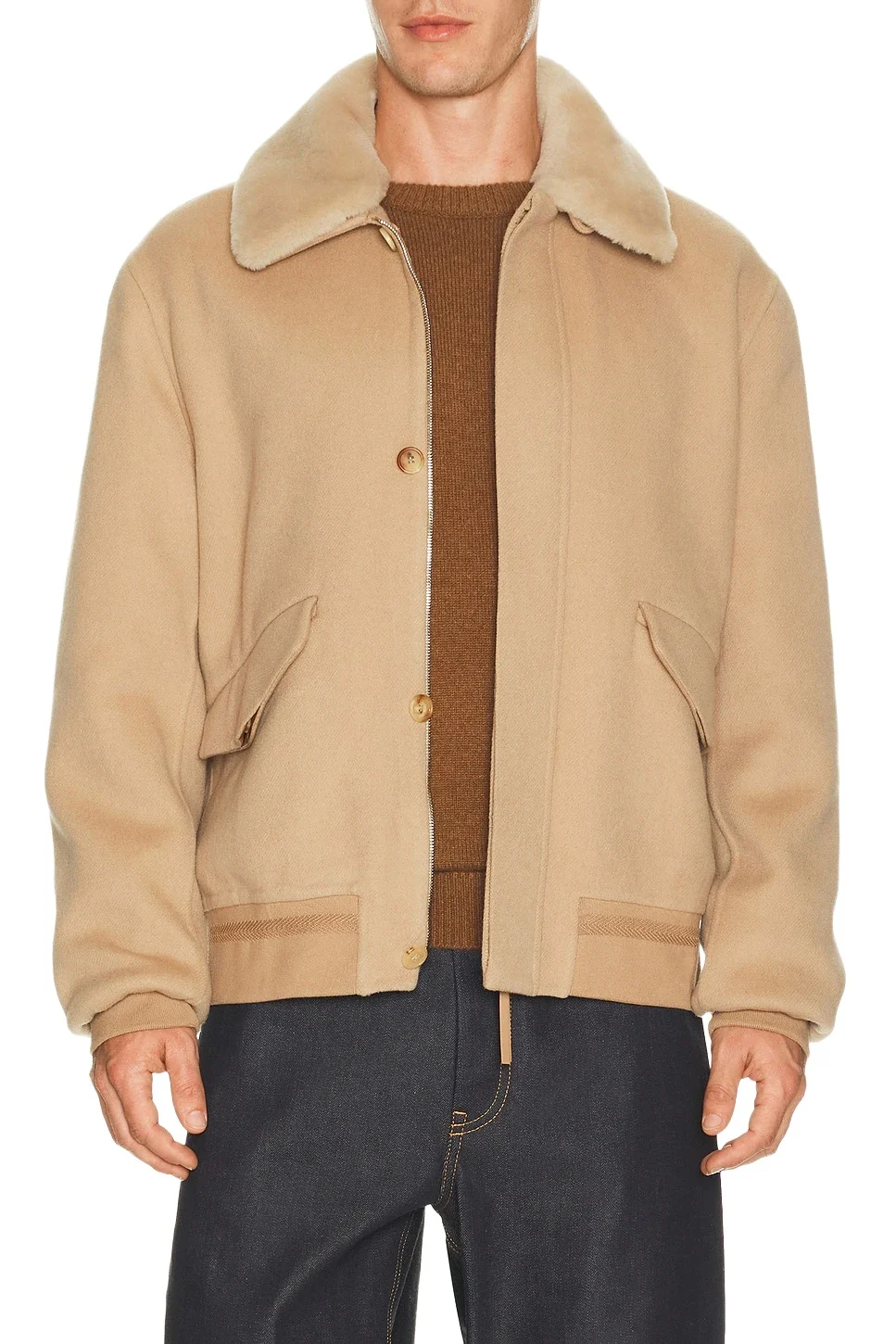 Gabriela HearstJames Bomber Jacket With Shearling Collar$5,780
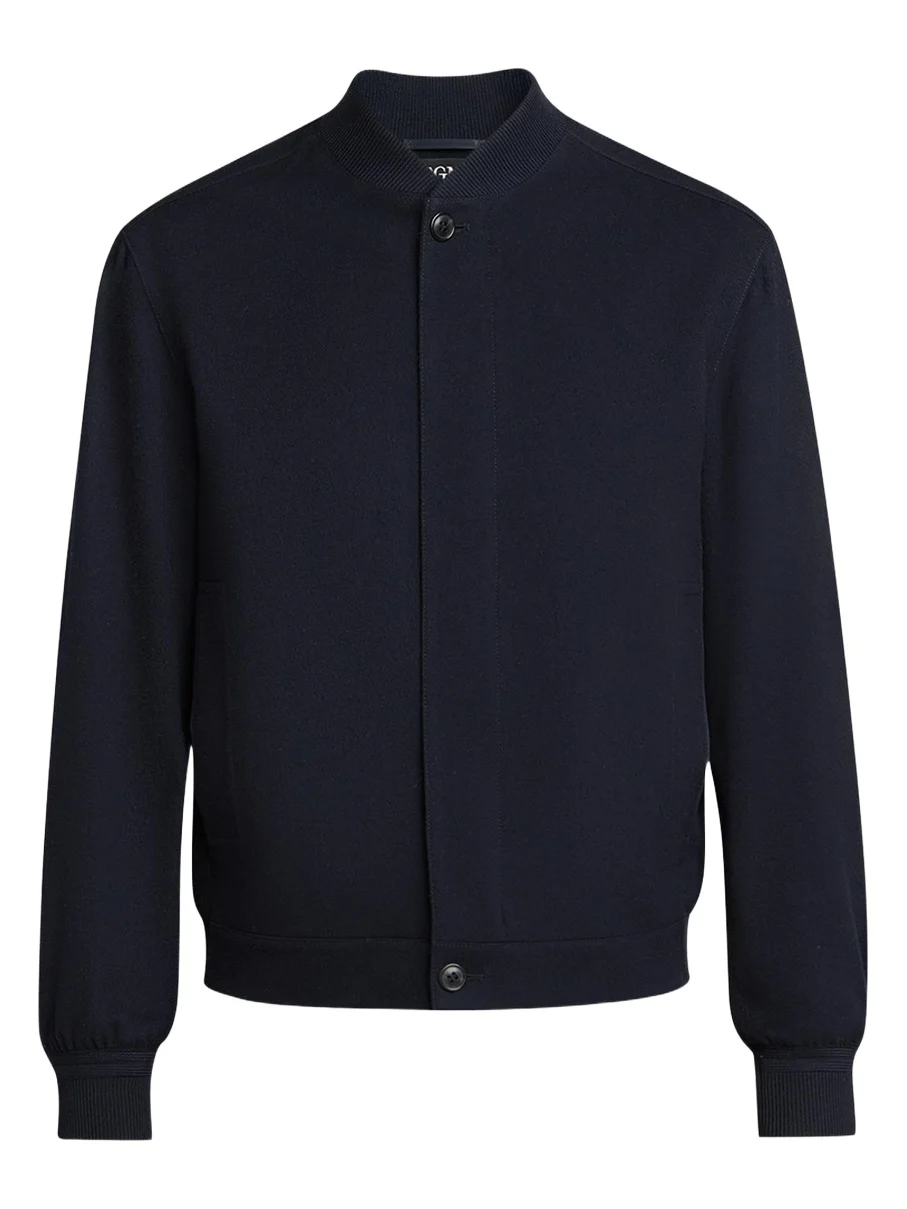 ZegnaMen's Oasi Cashmere Bomber Jacket$4,950
 CanaliWool Bomber Jacket - Men$2,395
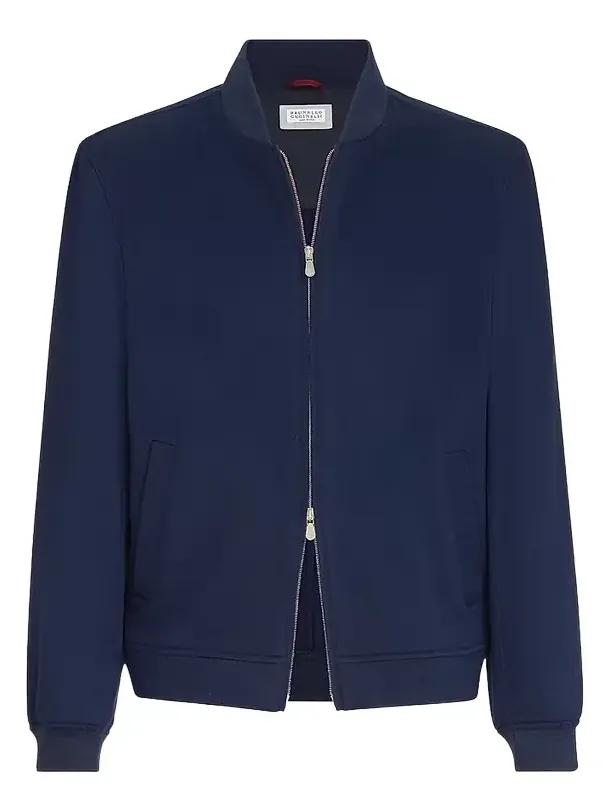 Brunello CucinelliMen's Lightweight Cashmere Flannel Bomber Jacket$6,200
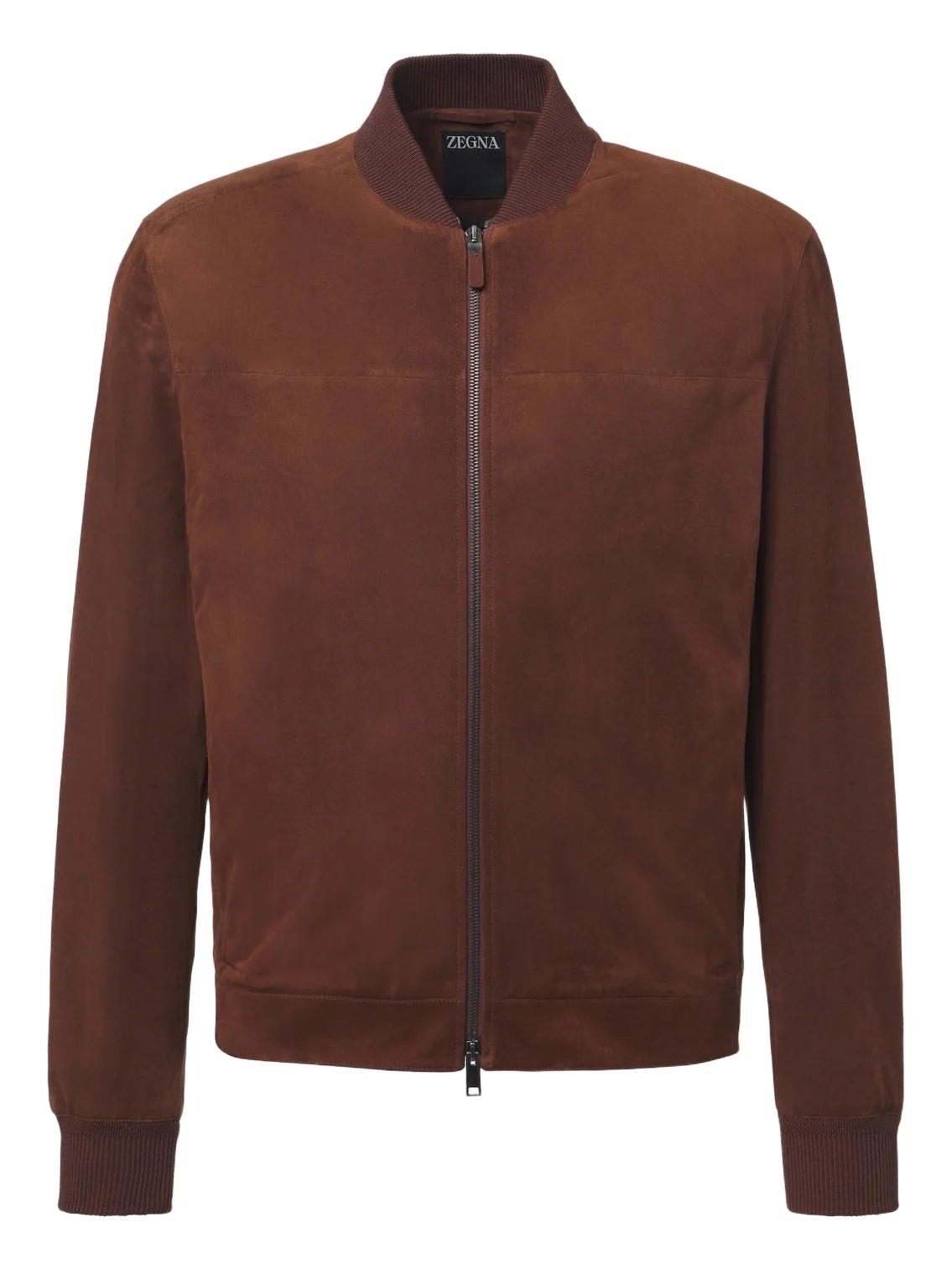 ZegnaSuede bomber jacket$6,450
 Tom FordMen's Varsity Bomber Jacket$5,990
 GivenchyMen's Harrington Jacket in Cotton - Beige$2,500
More men's bomber jackets.
Quilted jackets and liners: the layer that works twice
A quilted jacket earns its place by working in two seasons: on its own in October and under a coat from December. Burberry's Haddington is the classic shape, a lightweight nylon barn jacket with a corduroy collar and a check-cotton lining, according to the listing. Moncler's Theoline and Avrelie use diamond quilting in a slimmer cut, and Gabriela Hearst's Clarence does the same job in padded wool-and-cashmere twill with a cashmere corduroy collar.
A liner is thinner still and cut to go under outerwear. Thom Browne's is quilted ripstop filled with goose down and polyester. TOTEME's is a slightly cropped shell with snaps that, according to the listing, works alone or beneath heavier outerwear. A quilted gilet, like Zegna's in water-repellent wool with suede trims, is the extra layer for a cold morning under a tailored jacket.
If you plan to wear it under a coat, try the two on together before you buy. The quilted layer has to end above the coat's hem and its sleeves short of the coat's cuffs. If the coat pulls across the shoulders or its buttons strain, the liner is too thick for that coat. Our guide to the best men's winter coats covers the coat side of that pairing.
- An olive diamond-quilted jacket, a gray crewneck, charcoal trousers and dark brown suede boots.
- A navy quilted barn jacket under a charcoal overcoat, with a gray rollneck, gray flannel trousers and black boots.
Quilted jackets, liners and a gilet
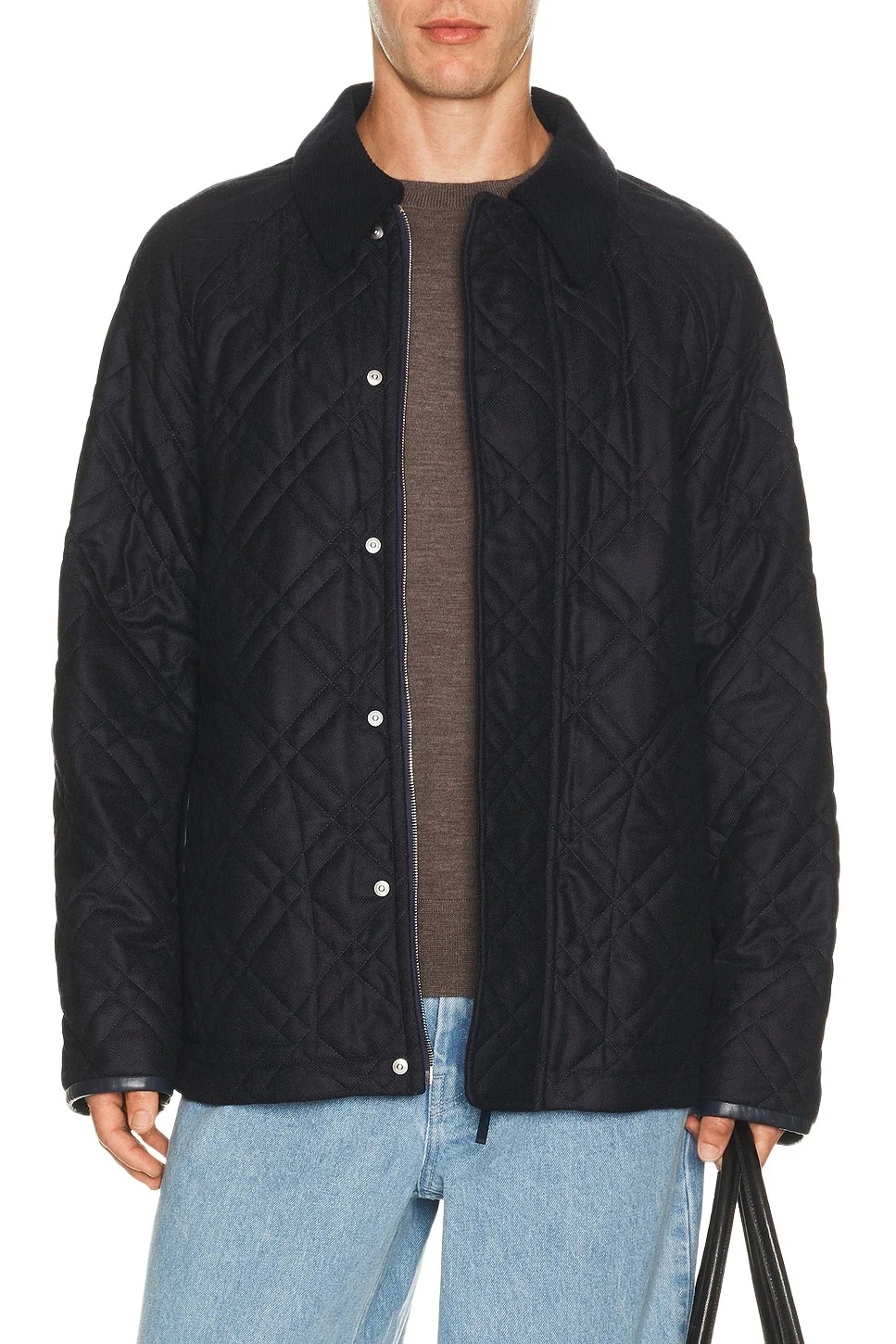 Gabriela HearstClarence Barn Jacket$3,590
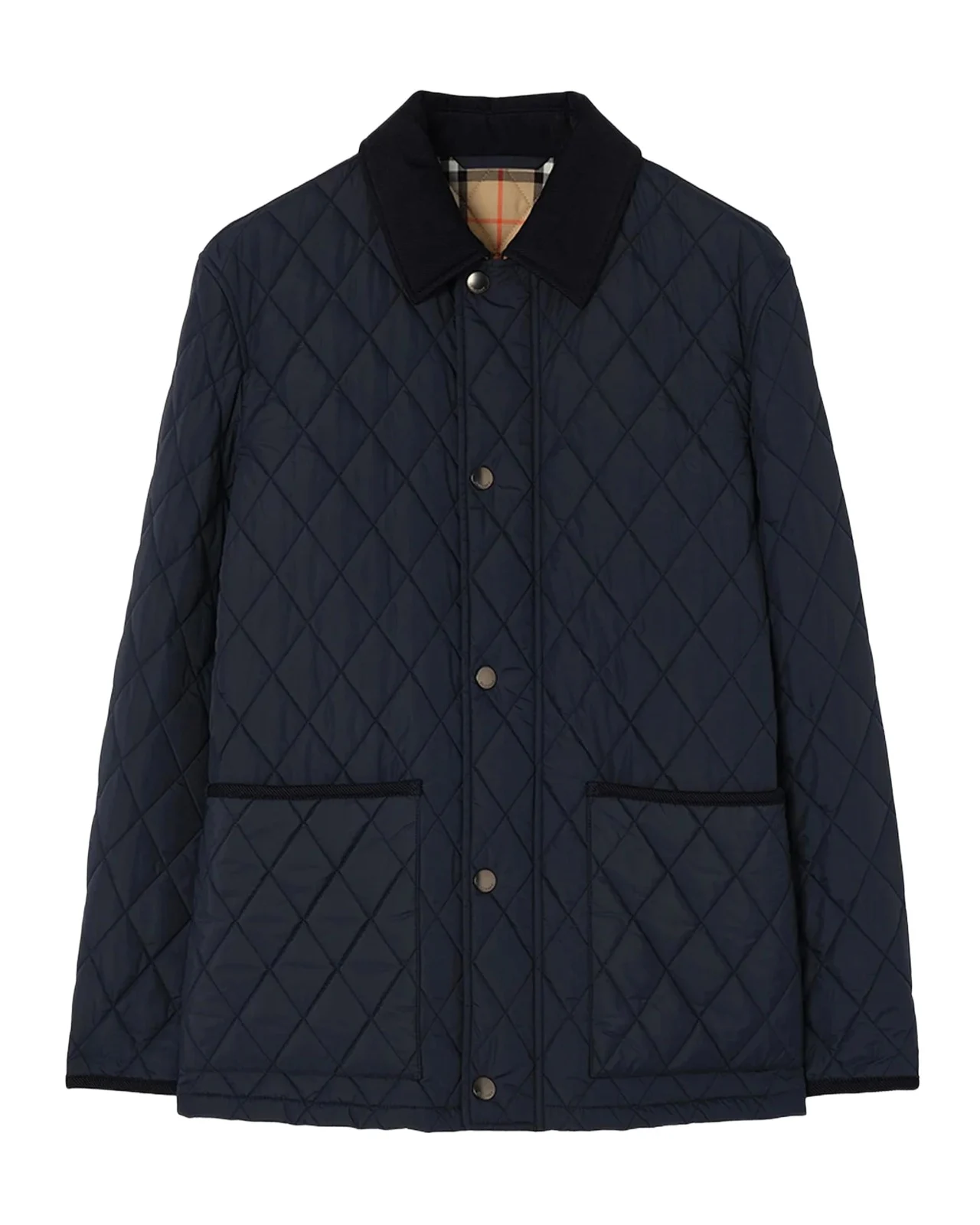 BurberryHaddington Quilted Barn Jacket$1,695
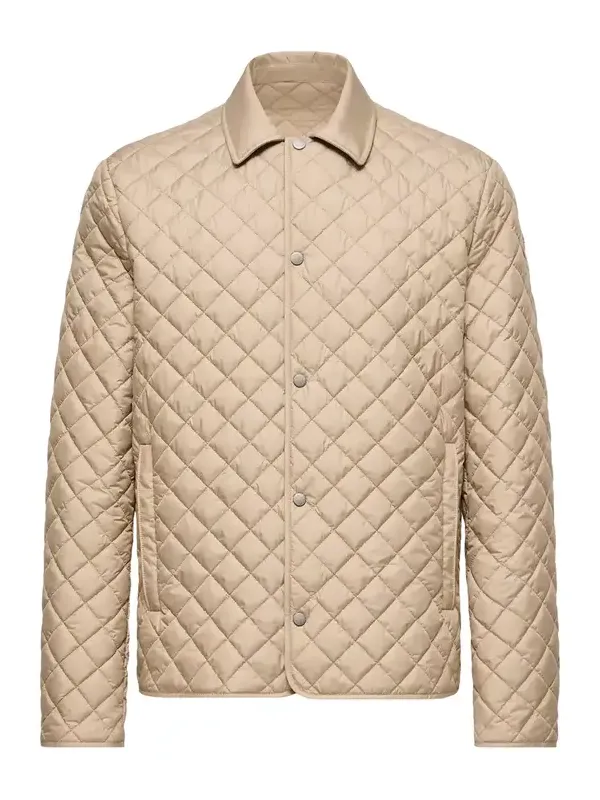 MonclerAvrelie Diamond Quilted Padded Shirt Jacket$1,980
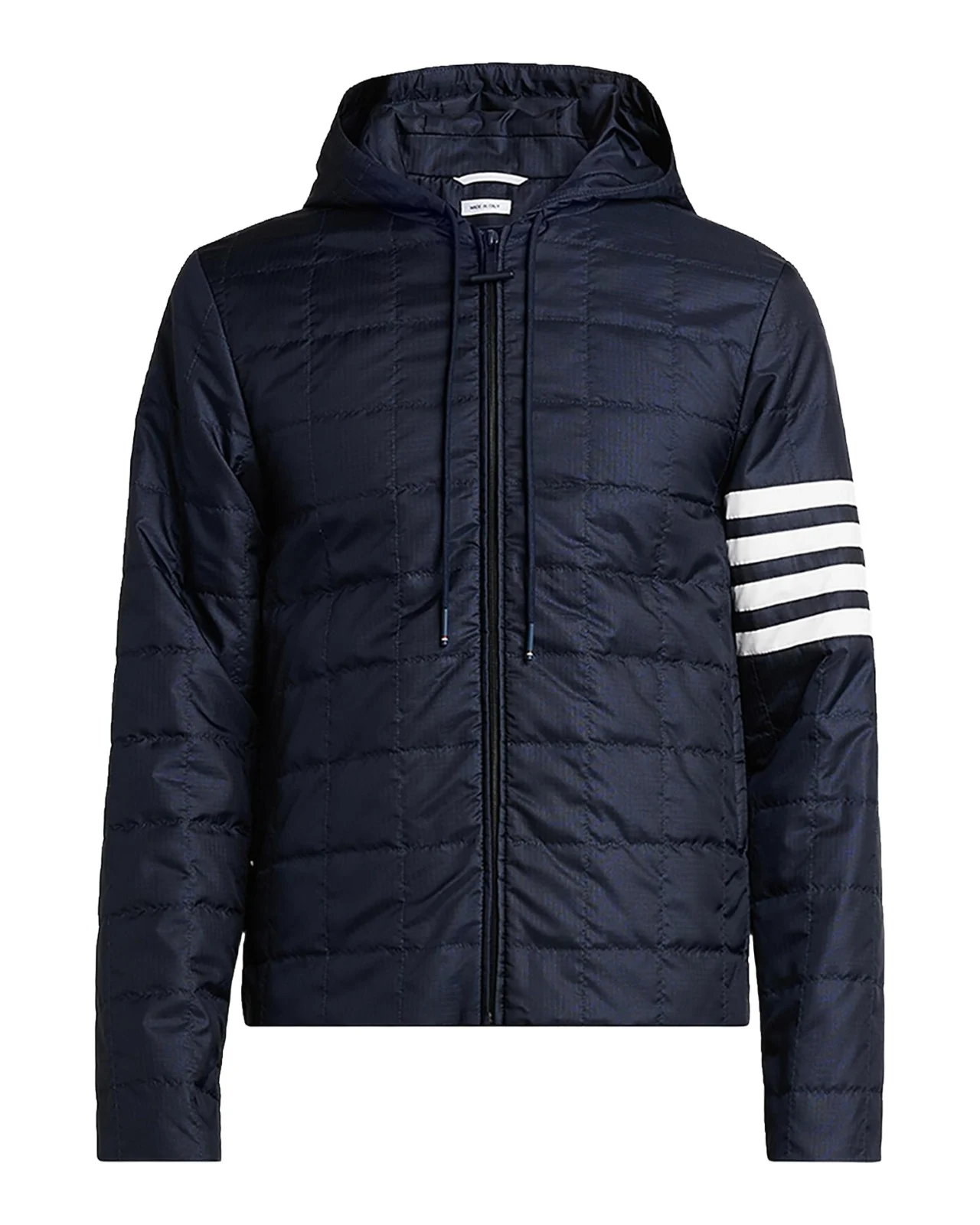 Thom BrowneMen's Lightweight Quilted Ripstop Hooded Liner Jacket$2,350
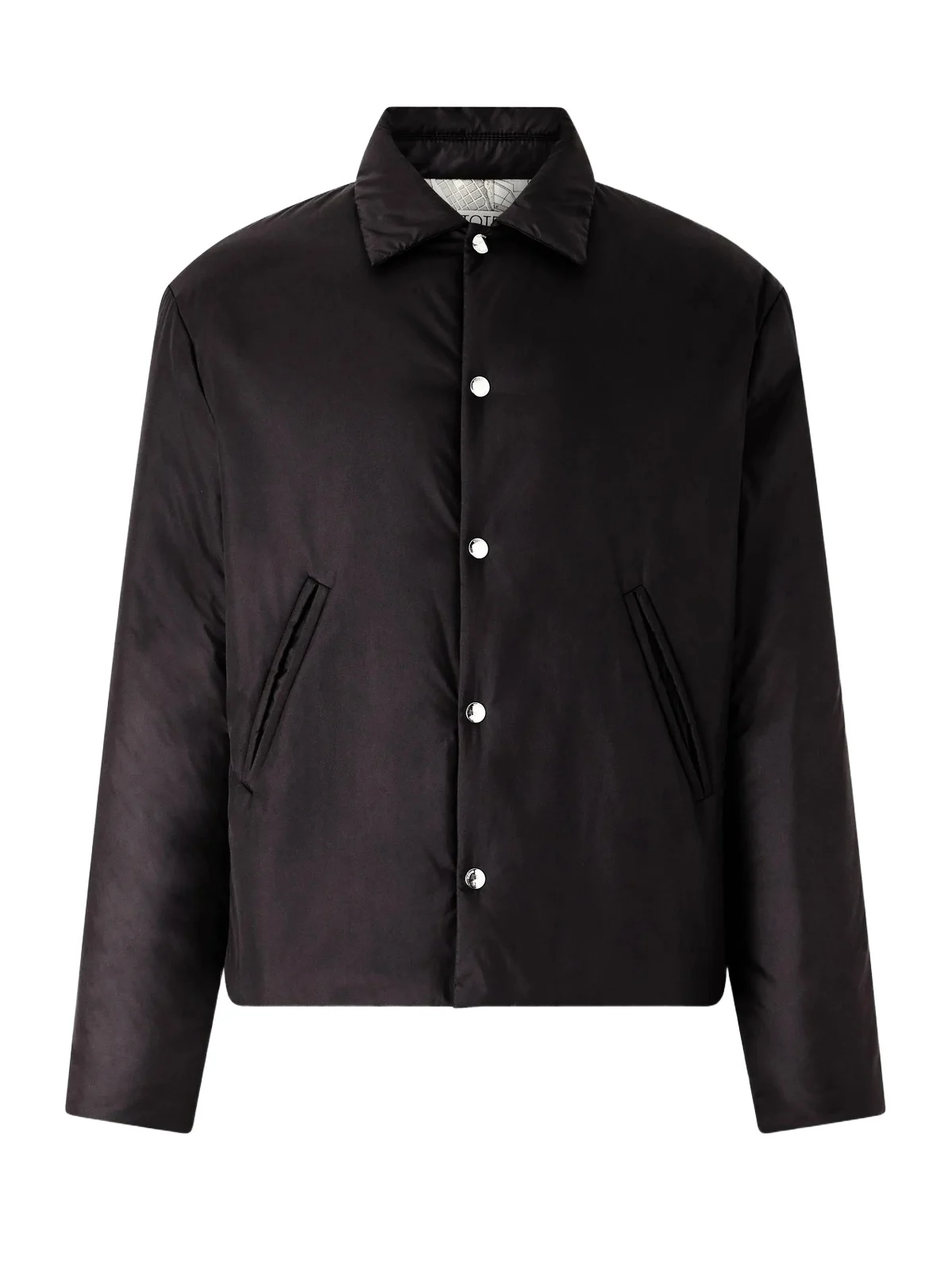 TotemeShell Liner Jacket - Men$940
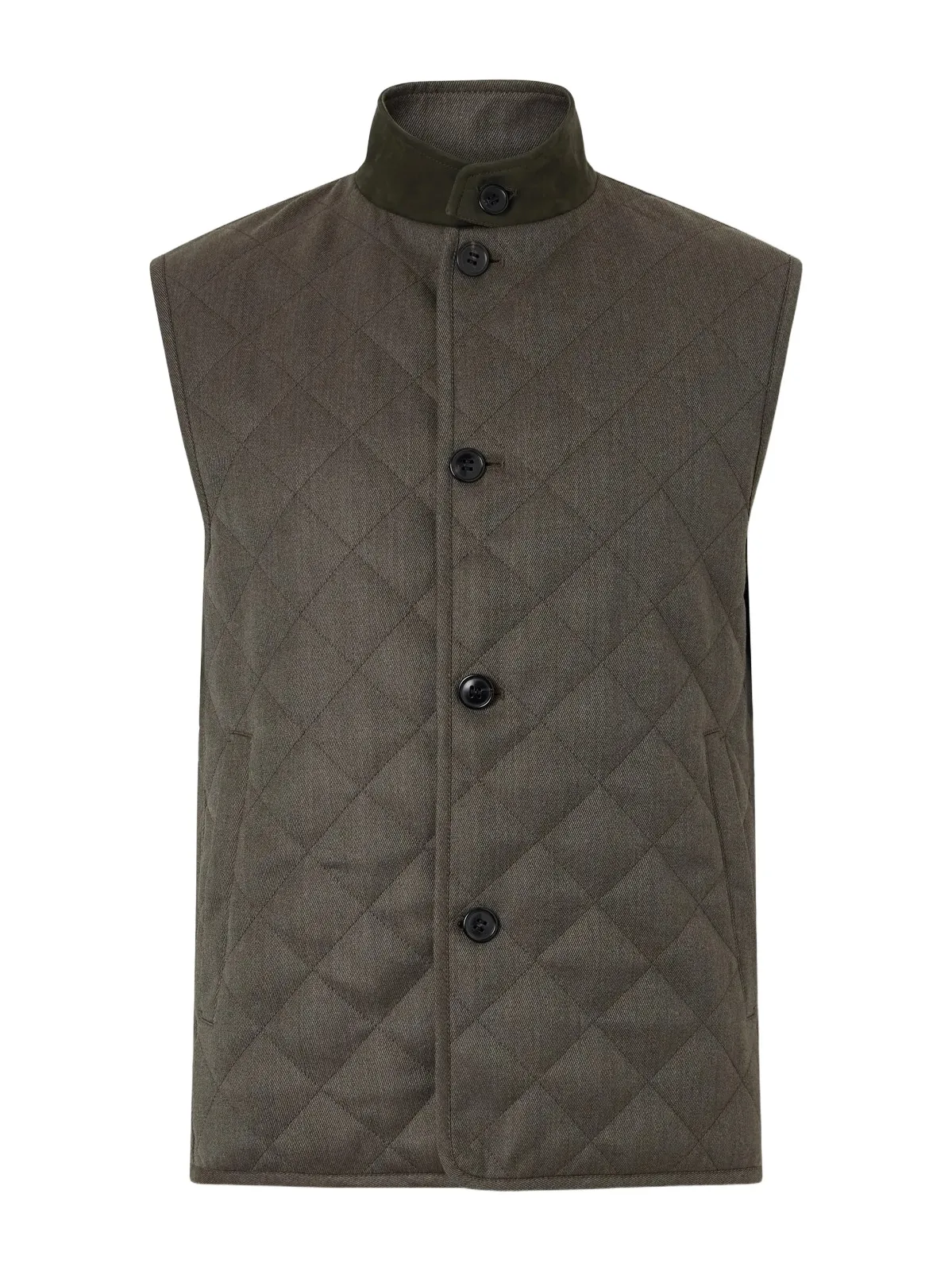 ZegnaSuede-Trimmed Quilted Wool Vest - Men$4,550
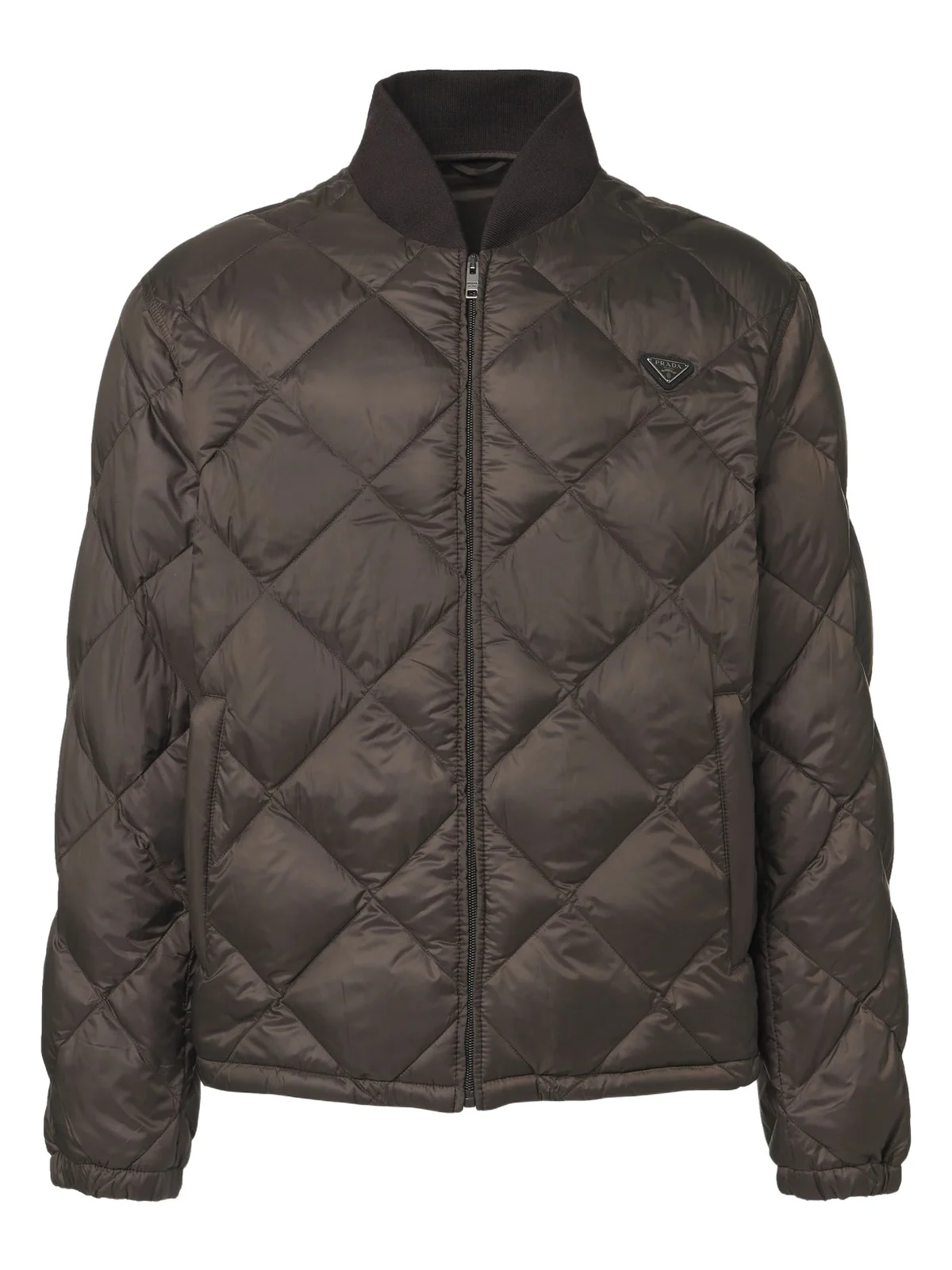 PradaQuilted down jacket$3,000
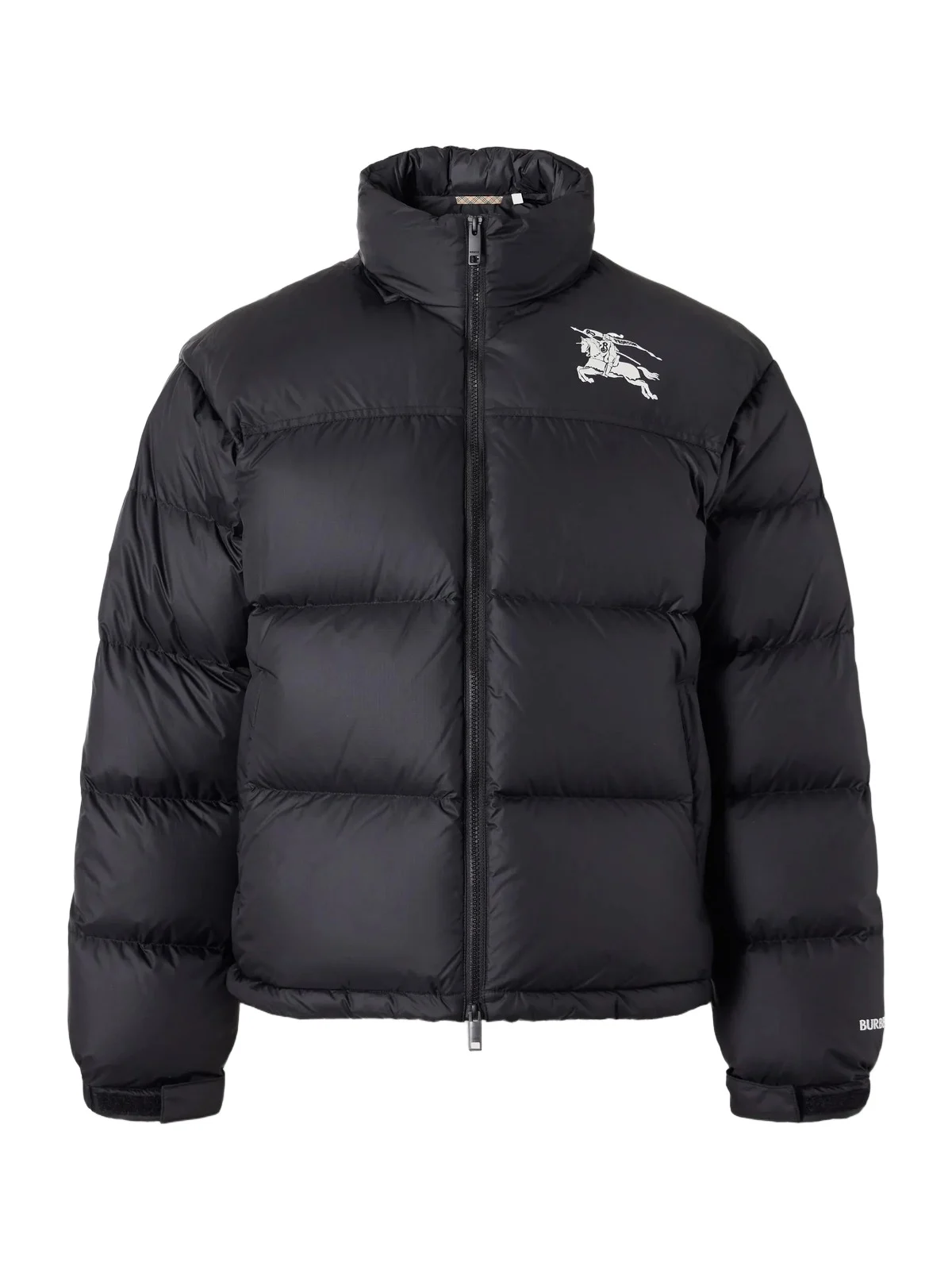 BurberryHighlands Logo-Embroidered Quilted Shell Down Jacket - Men$1,695
Shop all men's quilted jackets.
The unstructured blazer as a fall jacket
Our spring guide covers the soft-shouldered blazer in linen. For fall the same light construction comes in cloths heavy enough to stand in for a jacket outdoors on a dry day: flannel, corduroy, textured wool and brushed cashmere. Brunello Cucinelli's deconstructed blazers in flannel and cashmere corduroy are the reference. Canali's Kei sport coats, which the listings describe as unlined and unstructured, do the same job for far less, and Kiton's deconstructed cashmere-and-silk check is, according to the listing, cut and hand-sewn in Naples. A patch pocket or a horn button keeps any of them on the casual side of the line.
Under it, swap the shirt and tie for a rollneck or a knit polo, and check the collar. The jacket's collar should rest on the knit rather than ride up behind it; if it lifts away from your neck, the jacket is too small there or the knit is too bulky. For an evening version of the same idea, see our men's date-night outfits.
- A gray flannel blazer, an ecru rollneck, olive corduroys and brown suede loafers.
- A camel corduroy blazer, a gray merino polo, ecru jeans and dark brown boots.
- A navy pinstripe soft jacket, a gray rollneck, charcoal trousers and black loafers.
- A green textured sport coat, a cream crewneck, gray flannel trousers and burgundy loafers.
Unstructured blazers in flannel, cord, wool and cashmere
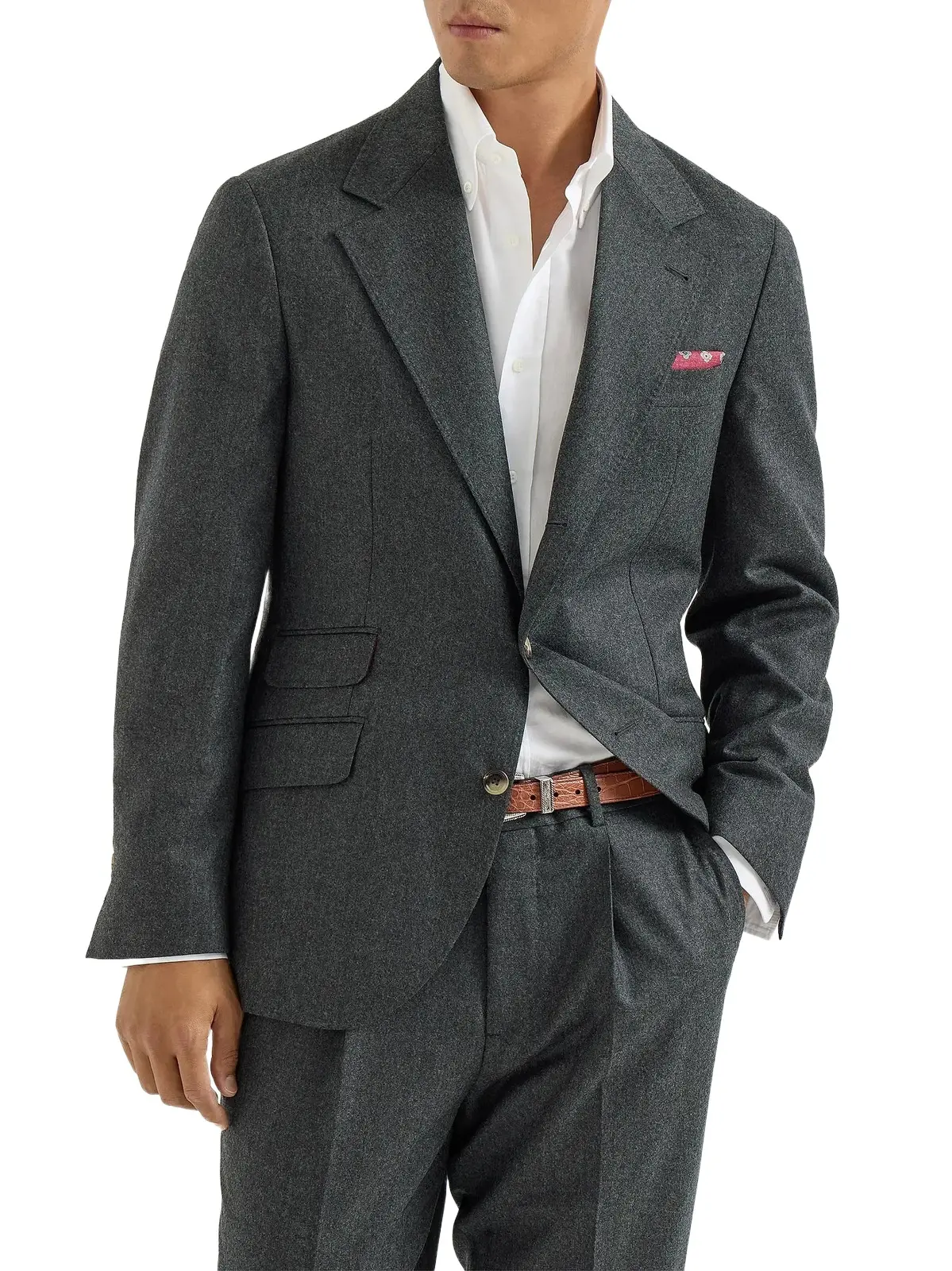 Brunello CucinelliMen's Virgin Wool Flannel Deconstructed Cavallo Blazer$3,900
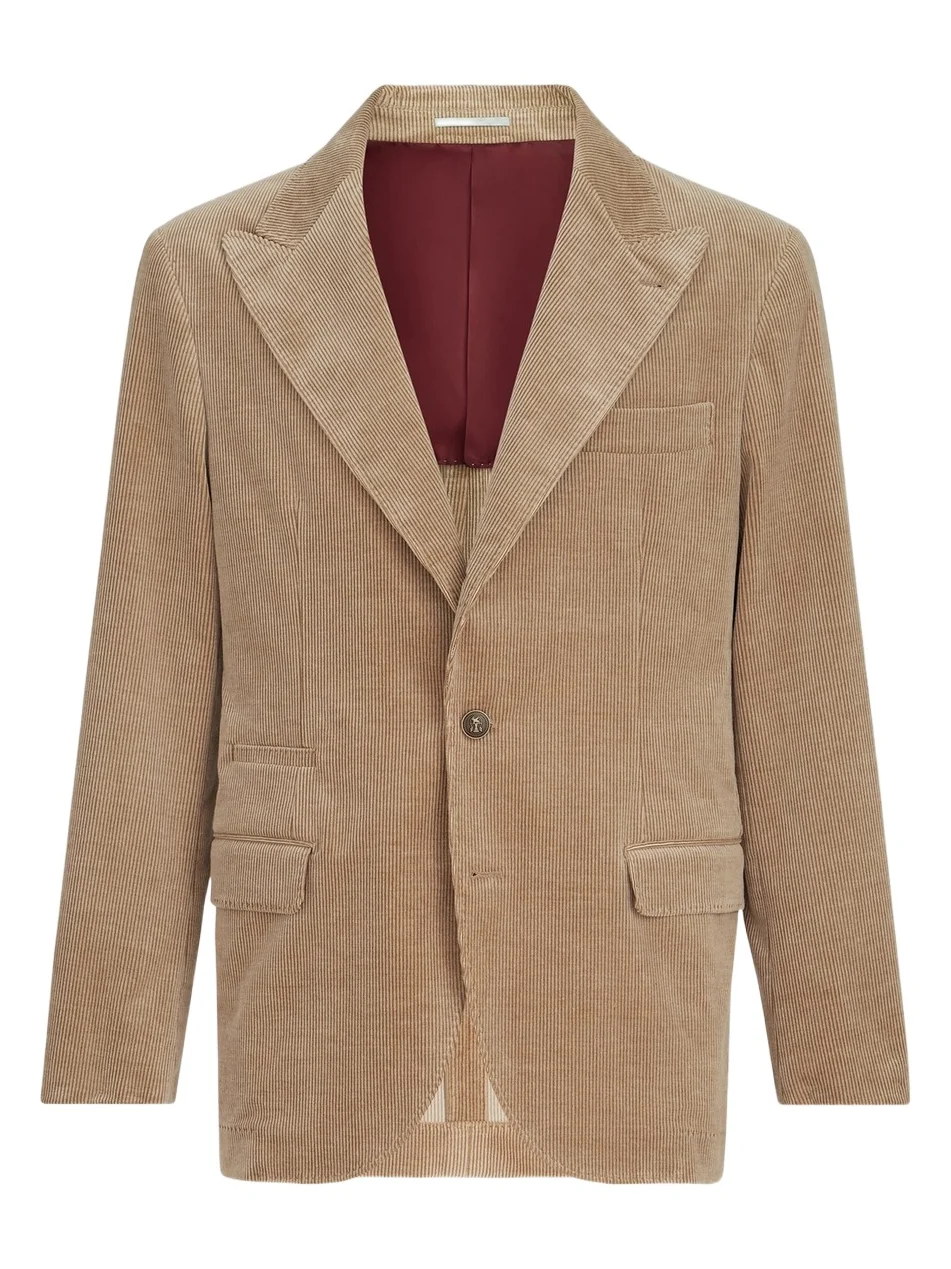 Brunello CucinelliMen's Comfort Cotton and Cashmere Corduroy Deconstructed Blazer$6,300
 Brunello CucinelliUnstructured Brushed-Cashmere Blazer - Men$5,500
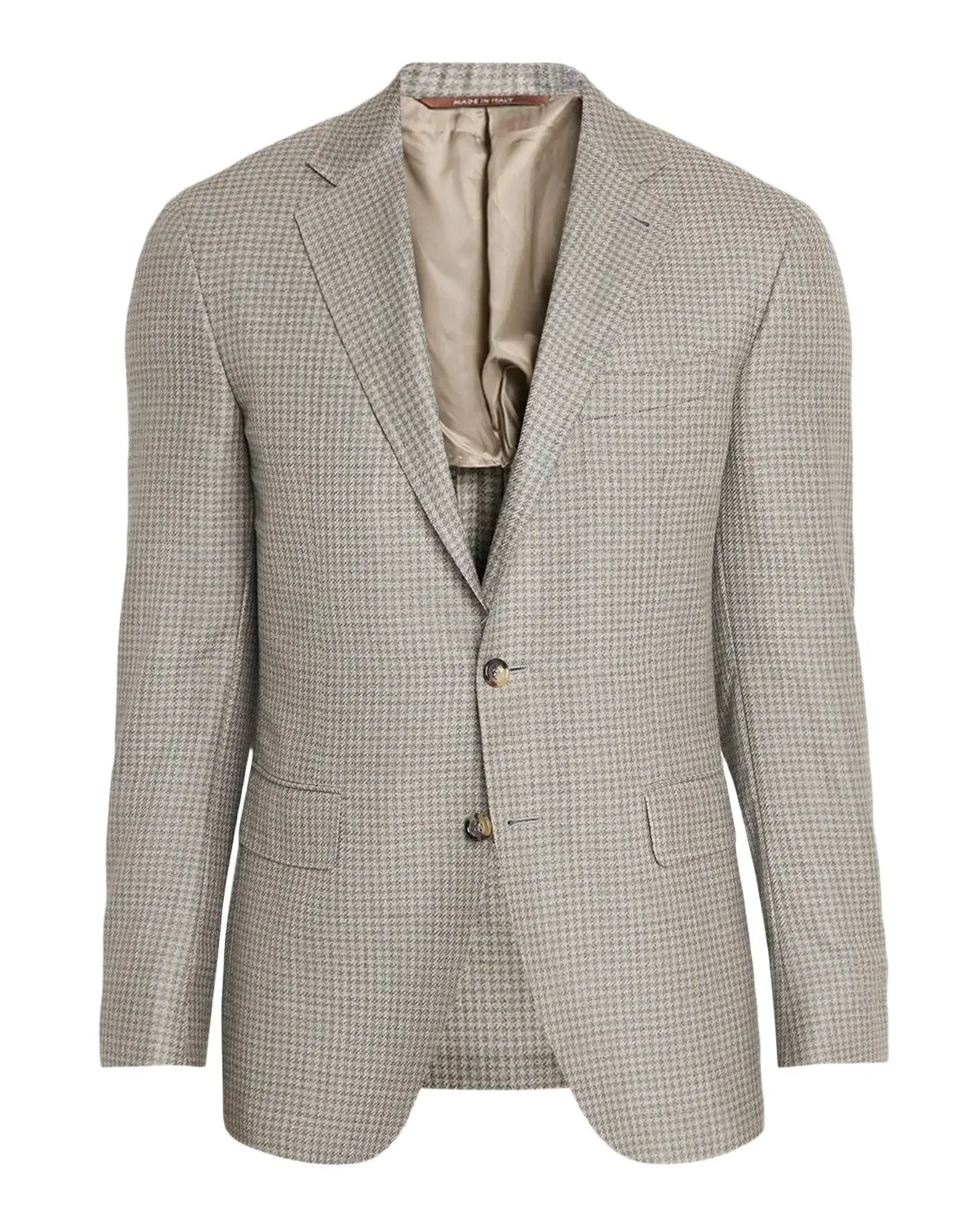 CanaliMen's Kei Houndstooth Single-Breasted Sport Coat$2,095
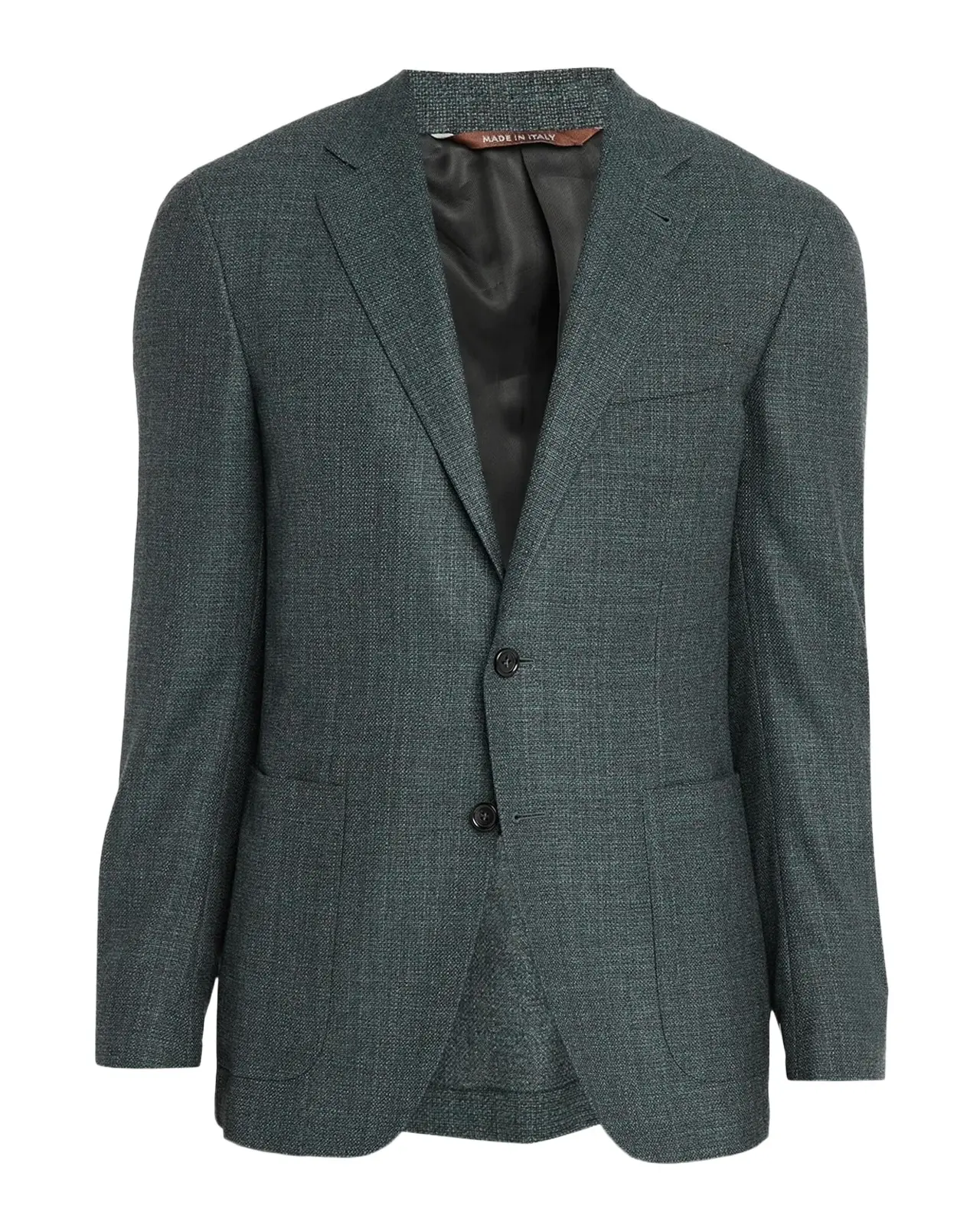 CanaliMen's Kei Textured Single-Breasted Sport Coat$1,995
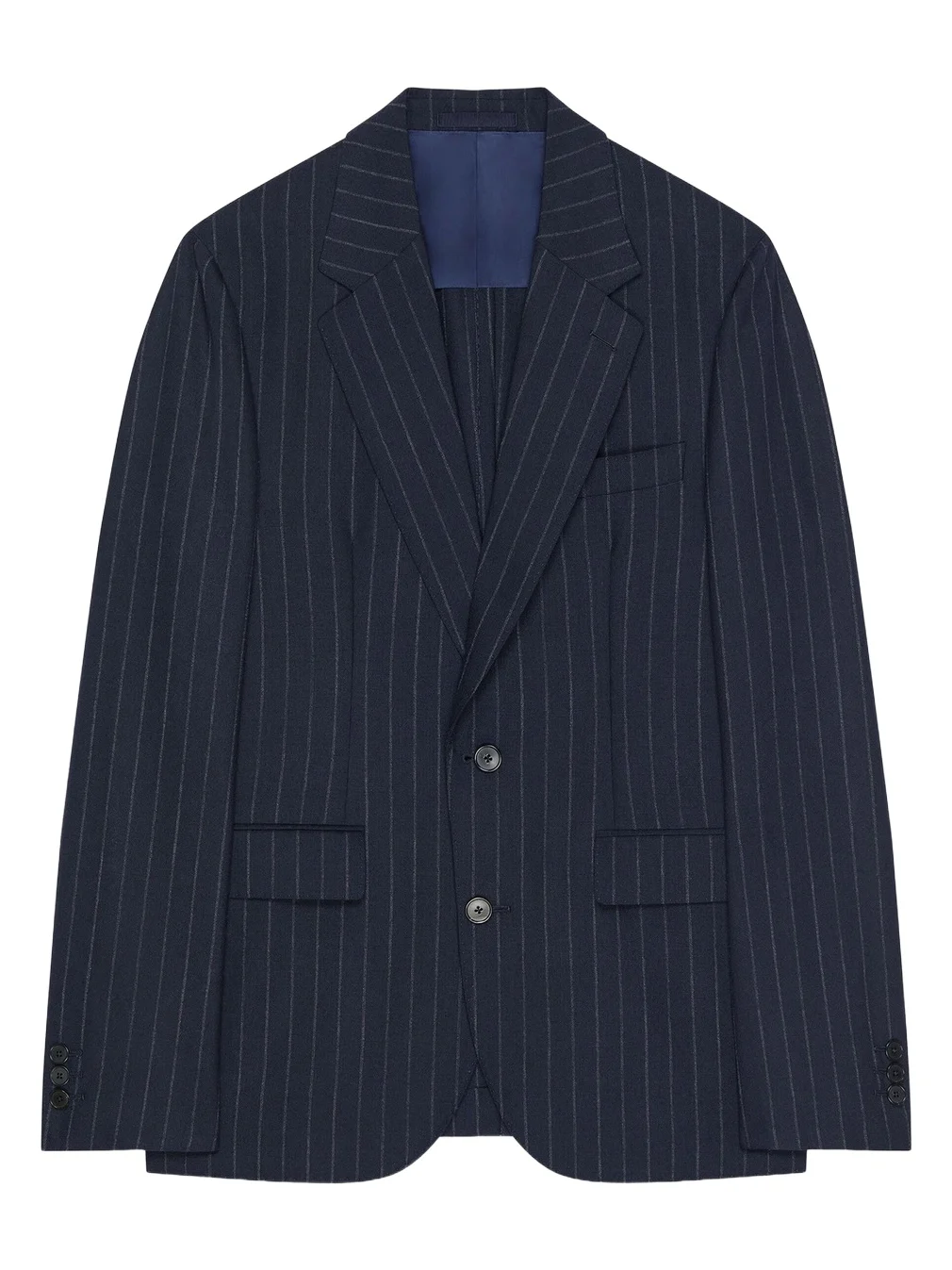 GivenchyMen's Single-Breasted Deconstructed Striped Jacket in Wool - Night Blue$3,050
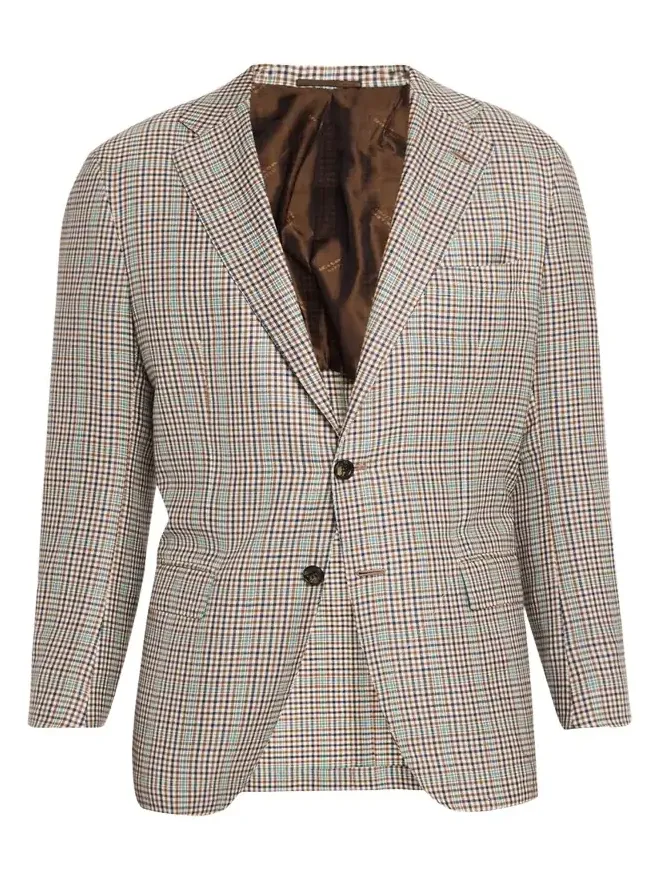 KitonMen's Cashmere and Silk Multi-Check Deconstructed Sport Coat$11,675
See all men's blazers.
How a fall jacket should fit over a sweater
Fall jackets are fitted over a knit, not a shirt, and that changes most measurements. Five checks, all of them easy to do in a fitting room or at home with the tags still on:
- Size with the knit on. Many jackets in this guide are sized in Italian or European numbers. Where listings here print a conversion, most put the US size ten below (Brioni and Berluti list a 48 as a US 38, Kiton a 50 as a US 40), so try ten above your US jacket size first. Conversions vary between houses and retailers, so check each listing's chart and judge the fit with the knit you will actually wear.
- The hem check. On a waist-length jacket, no more than a sliver of sweater should show at the hem. If an inch of knit hangs below, change the knit or choose a longer jacket.
- The steering-wheel check. Hold both arms out in front of you as if driving. The sweater's cuff should stay inside the jacket's sleeve.
- The collar check. With a rollneck, the jacket collar should lie on the knit. If the knit pushes it up and away from your neck, size up or choose a finer rollneck.
- The sit-down check. Fasten the jacket and sit. Snaps and buttons should hold without the fronts gaping between them.
Fall jacket colors: how our stylists pair them
Most jackets on this page are brown, olive, navy or black. These are the partners our stylists come back to:
- Brown, tan, camel and tobacco jackets go with gray, cream, ecru, olive and burgundy. Our stylists keep them away from navy and blue jeans, and from black trousers and shoes.
- Black jackets go with gray, white, beige, burgundy and navy, and with black boots and belts.
- Navy jackets go with gray, white, cream, burgundy and black.
- Olive, green and burgundy jackets work over either a brown-based or a navy-based outfit, which is why they make good second jackets.
- Sand, stone and cream suede is the answer for a man whose trousers are mostly blue jeans.
Not sure what your current wardrobe needs? Ask our AI stylist to build three outfits around a jacket you already own, then fill the gaps it finds.
What to buy once, and what to enjoy for a season
Buy once, and keep in rotation for years with basic care:
- A dark brown suede jacket in a plain shape: trucker, blouson or field.
- A leather jacket in black or dark brown with little hardware.
- A barn or field jacket in olive, navy or sand.
- A gray flannel or brown corduroy unstructured blazer.
- A slim quilted jacket or liner that fits under your winter coat.
Enjoy for a season or two, and buy for the fun of it: a varsity bomber, colored suede such as plum or green, a bold check shirt jacket, and anything with a large logo.
Looking after them:
- Leather: hang it on a broad, shaped hanger, let it dry at room temperature after rain, away from radiators, and keep it out of plastic garment bags.
- Waxed cotton: wipe it clean and re-wax it as the maker advises, which for Barbour is once a year depending on wear.
- Quilted and down jackets: follow the care label; half of the pieces in the quilted edit, Burberry's and Thom Browne's among them, are marked for dry cleaning.
How we chose
- Weight for October and November: suede, leather, waxed and treated cotton, wool flannel, cashmere, corduroy and quilting. Linen and unlined canvas stayed in our spring jackets guide.
- Room for a knit: we favored cuts that, judged from the listing photographs and descriptions, close over a sweater, and left out shrunken and cropped fashion shapes.
- Color by photograph: listing color names can mislead (one suede jacket sold as beige photographs as a mid tan), so every piece was checked against its picture.
- Size runs: we preferred jackets offered in several sizes over ones down to a single size.
- Houses: more than 20 menswear houses, from tailoring specialists such as Brioni, Kiton and Canali to Saint Laurent, Loewe, Moncler and The Row, with no more than three pieces from one house in any edit and nothing pre-owned.
Frequently asked questions
What is the best fall jacket for men?
A dark brown suede or leather jacket that closes over a crewneck. It handles dry, windy days, works with flannel, corduroy and ecru or gray denim, and dresses up for dinner. If your falls are wet, add a waxed or treated barn or field jacket.
What is the difference between a barn jacket and a field jacket?
Broadly, a field jacket follows the military layout: four flap pockets, a collar that turns up and often a waist drawcord. A barn jacket is squarer and simpler, with large lower pockets, a corduroy collar, a button or snap front and usually a lined body. Houses use both names loosely, so judge a jacket by its pockets, collar and lining.
What do you wear under a bomber jacket in fall?
A shirt, a short fine-gauge sweater or a rollneck tucked in. The knit must stop above the bomber's ribbed hem; if it hangs below, the proportions break.
Do leather jackets stretch?
A little. Soft leathers ease across the back and at the elbows with wear, but a leather jacket will not grow a full size. Buy one that closes comfortably over a fine knit.
What colors go with a brown suede jacket?
Our stylists pair brown suede with gray flannel, cream and ecru, olive corduroy and burgundy knitwear, with brown boots or loafers. They keep it away from navy, blue jeans and black.
Should you size up in a jacket to wear over a sweater?
Not by default. Try your usual size over the thickest knit you plan to wear, then do the hem, steering-wheel and sit-down checks above, and go up only if one fails. A barn or field jacket is the exception: size it for a chunky sweater from the start.
Can a quilted jacket be worn under a coat?
Yes, if it is slim enough. It should end above the coat's hem, its sleeves should stop short of the coat's cuffs, and the coat should still button without pulling.