What to Wear in Paris in Spring: Trench Weather, Café Terraces and Museum Days
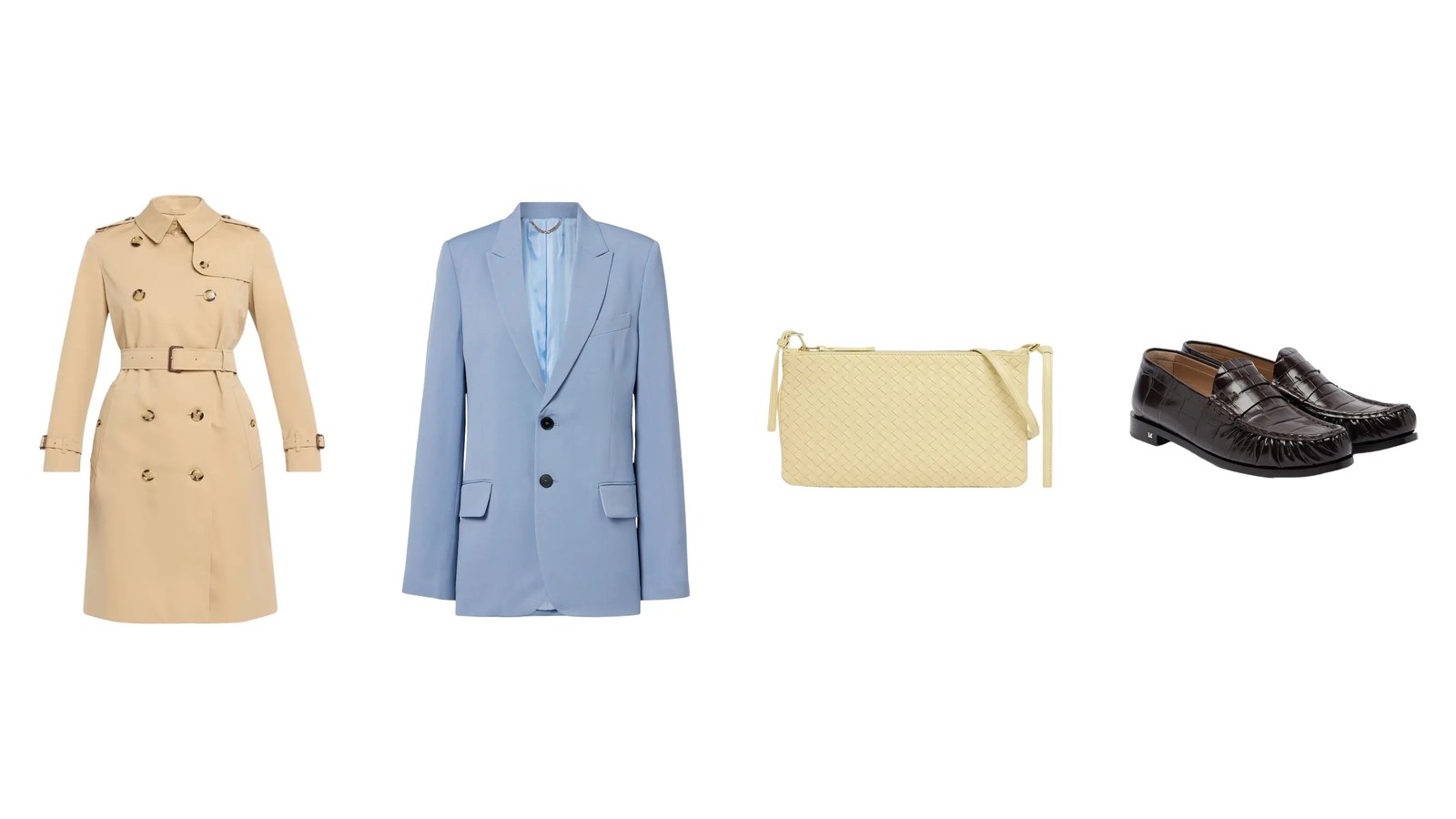
What to wear in Paris in spring depends on the month, and often on the hour. Météo-France's averages for the city put highs around 55°F in March, 62°F in April and 68°F in May, with lows climbing from about 42°F to 52°F, and rain on roughly nine days a month, often in short, gusty showers between bright spells. So pack a trench or a light wool coat to wear over fine knits, a blazer or shirt you are happy to wear on its own on a warm afternoon, flat leather shoes with rubber soles, a silk scarf, and a compact umbrella small enough to fit in your bag.
Below: Paris weather from March to May and what it means for your suitcase, the trench and when to swap it for wool, spring layers and shoes for stone streets, what the city's museums let you carry, café-terrace and dinner dressing, and an April packing list, with pieces from Burberry, Max Mara, TOTEME, Prada, Bottega Veneta and other houses. For a trip between November and February, see our guide to what to wear in Paris in winter.
What to wear in Paris in spring, month by month
France is among the destinations people name most often to our AI stylist, and spring is the season when the question of what to pack is hardest to answer, because the weather can change within a single afternoon. The figures in this guide are Météo-France's 1991–2020 averages for its Paris-Montsouris station (Météo-France's climate sheet for Paris-Montsouris). They are averages, so a cold week in March or a warm one in May can land well outside them.
March: still coat weather, with showers
March is the month of the giboulées de mars. Météo-France describes giboulées as brief showers that can mix rain, hail, sleet and even snow, usually between February and April and sometimes into May, often with wind and a sudden drop in temperature, while the sunny spells between them feel mild. Over land they are most frequent in the daytime. Dress for both halves of that forecast: a lined trench or a light wool coat that you can open in the sun and button to the neck in a squall, a fine knit underneath, a scarf, and shoes that do not mind a puddle.
April: trench weather
By April, afternoons are mild and mornings are still cool, which is exactly what a cotton gabardine trench is for. The gap between the average low and the average high is about 16 degrees Fahrenheit, so the outfit you leave the hotel in at 9 a.m. needs a layer you can take off by lunch. April is also when Paris moves outside: from April 1, cafés approved by the city can add seasonal terraces on the pavement (more on those below).
May: the warmest month, and the wettest of the three
May brings the warmest days of spring, and a handful reach 77°F, when a cotton dress or a shirt on its own is enough. It is also the wettest of the three months by volume, with rain arriving in heavier bursts, so keep the trench in rotation and choose shoes that dry quickly.
A note on Paris Fashion Week
If you plan a trip around the collections, note the calendar of the Fédération de la Haute Couture et de la Mode: it scheduled the autumn-winter 2027 womenswear shows for March 1 to 9, 2027, at the start of the season this guide covers, and the next womenswear week, spring-summer 2028, for September 27 to October 5, 2027. Dressing for the shows themselves is its own brief; see our guide to what to wear to fashion week.
The trench, and when to swap it for wool
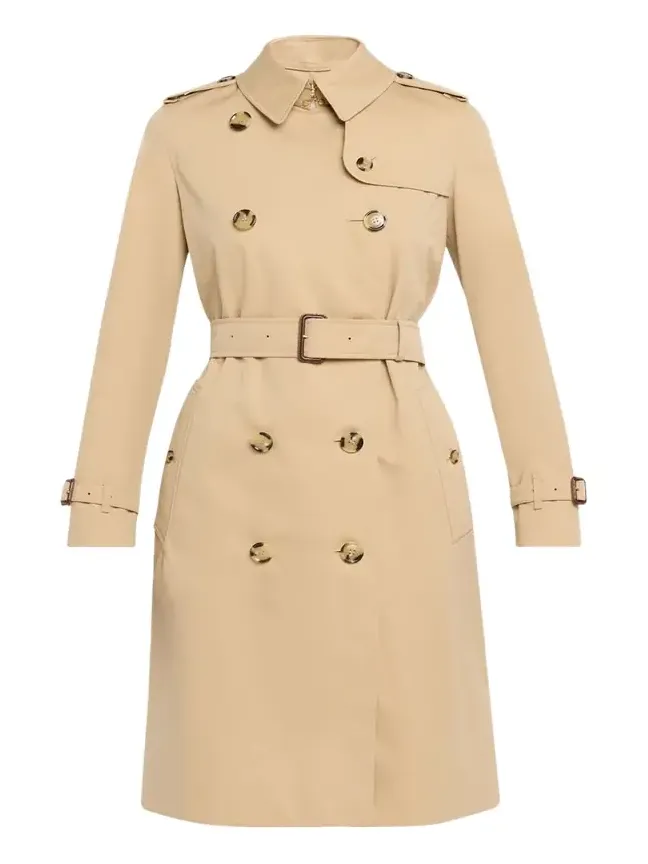
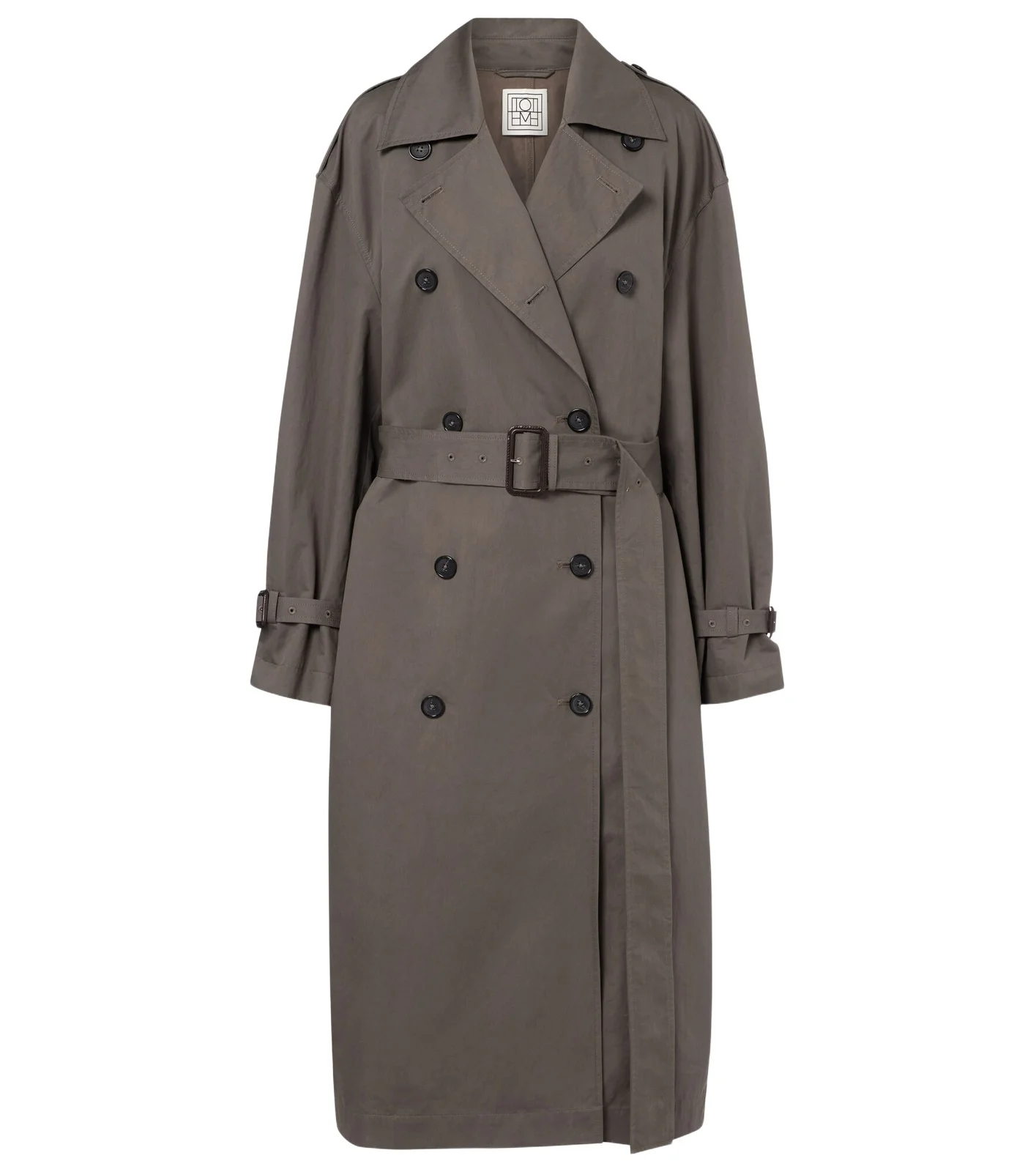
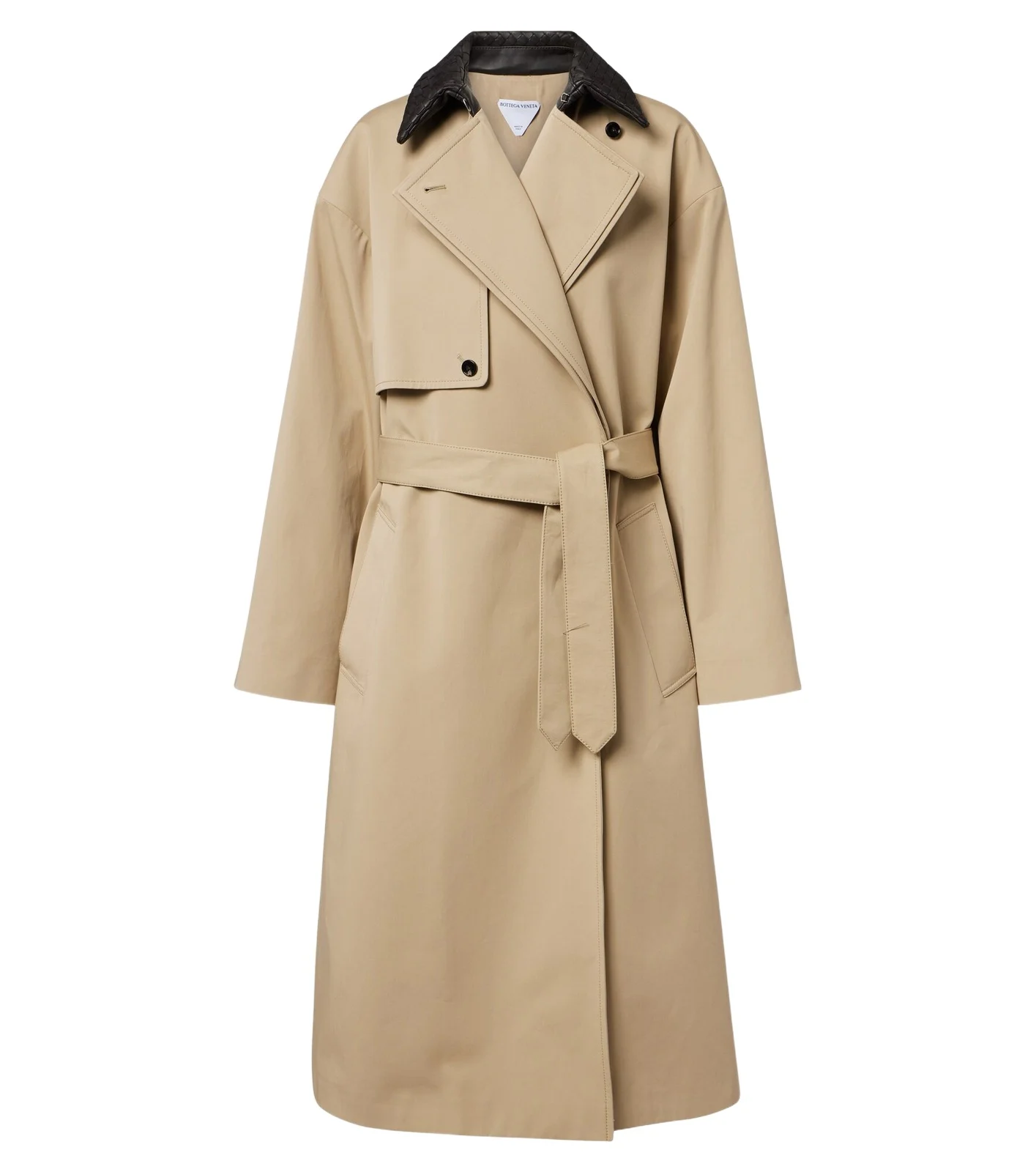
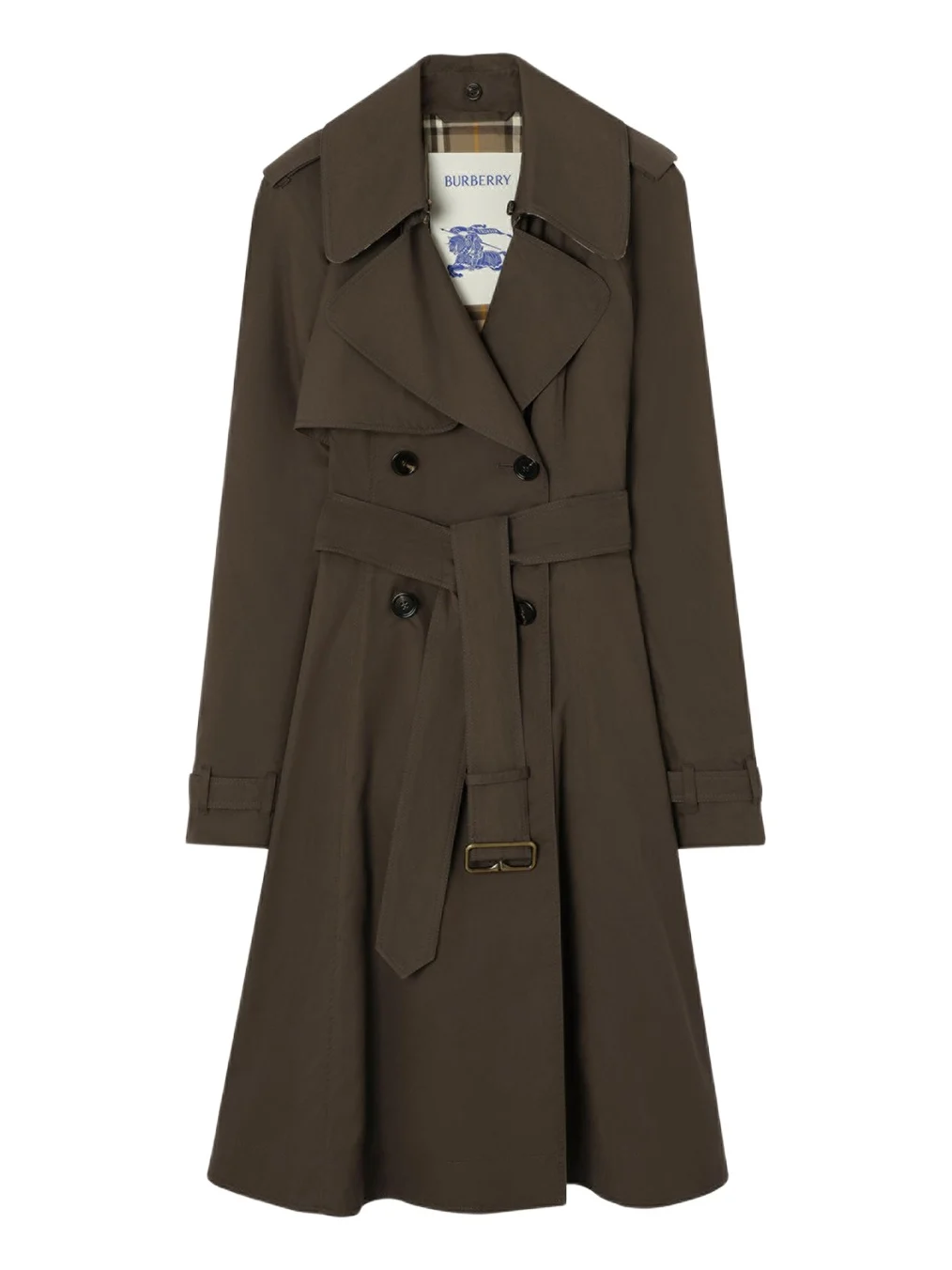
If you pack one coat for Paris in spring, make it a trench. Cotton gabardine is tightly woven, sheds a shower, and weighs little enough to carry when the sun comes out. What to look for:
- Length: to the knee or just below, which covers a skirt hem and keeps the wind off your legs on the bridges.
- A collar that stands up and a belt that ties: buttoned to the neck with the belt knotted, a trench works as a raincoat; open and unbelted, it is a light jacket.
- Room for a knit: size so that a fine sweater fits underneath without pulling across the back.
- Color: stone, beige, taupe and brown all work with the navy, ecru and black of a spring wardrobe; a darker trench shows fewer splashes.
For a cold March week, swap the trench for a light wool coat, or wear the trench over a heavier knit and add a scarf. From late April, the trench can do all the work.
- Classic: a beige trench, belted, over a navy cashmere crewneck, straight jeans and black loafers.
- Tonal: a taupe trench over an ecru knit and ecru trousers, with brown ballet flats and a brown crossbody.
- Dressed up: a brown double-breasted trench over a black knit midi dress, with slingback flats and a silk scarf.
Burberry and Max Mara make the classic belted trench in cotton gabardine and cotton blends; Bottega Veneta and Alaïa cut sharper, longer versions, and TOTEME's are the most pared back. Our guide to how to wear a trench coat covers belting and layering, our edit of the best trench coats compares the classics, and you can browse every designer trench coat on Vêtir.
Trench coats for Paris showers


Paris spring outfits: layers for cool mornings and mild afternoons
The trick in spring is to dress in layers that each look finished on their own, so the outfit still works whether you are wearing all of it or carrying half. Build from the skin out: a shirt or fine knit, then a blazer or cardigan, then the trench.
- Café morning: a navy blazer over a white cotton shirt, straight jeans and penny loafers, with the trench over the top until the sun comes out.
- Gallery afternoon: a fine black crewneck, a grey wool skirt to the calf, ballet flats and a small crossbody; add a blazer when the afternoon cools.
- Shopping on the Left Bank: a striped blazer over an ecru knit, wide trousers and leather loafers with rubber soles.
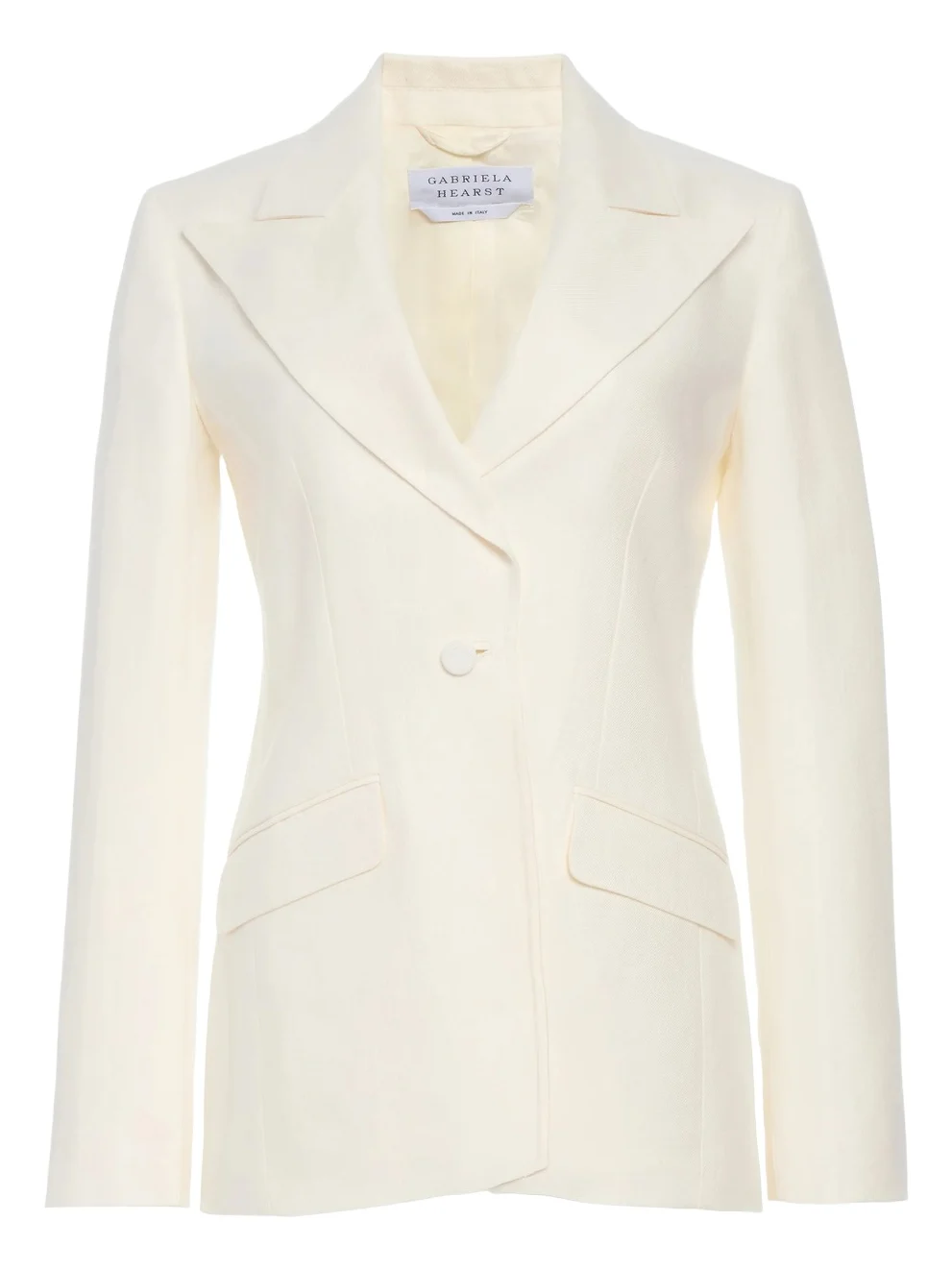
- First warm day: a pale blazer worn with a silk camisole, cropped trousers and slingback flats, with a scarf in the bag.
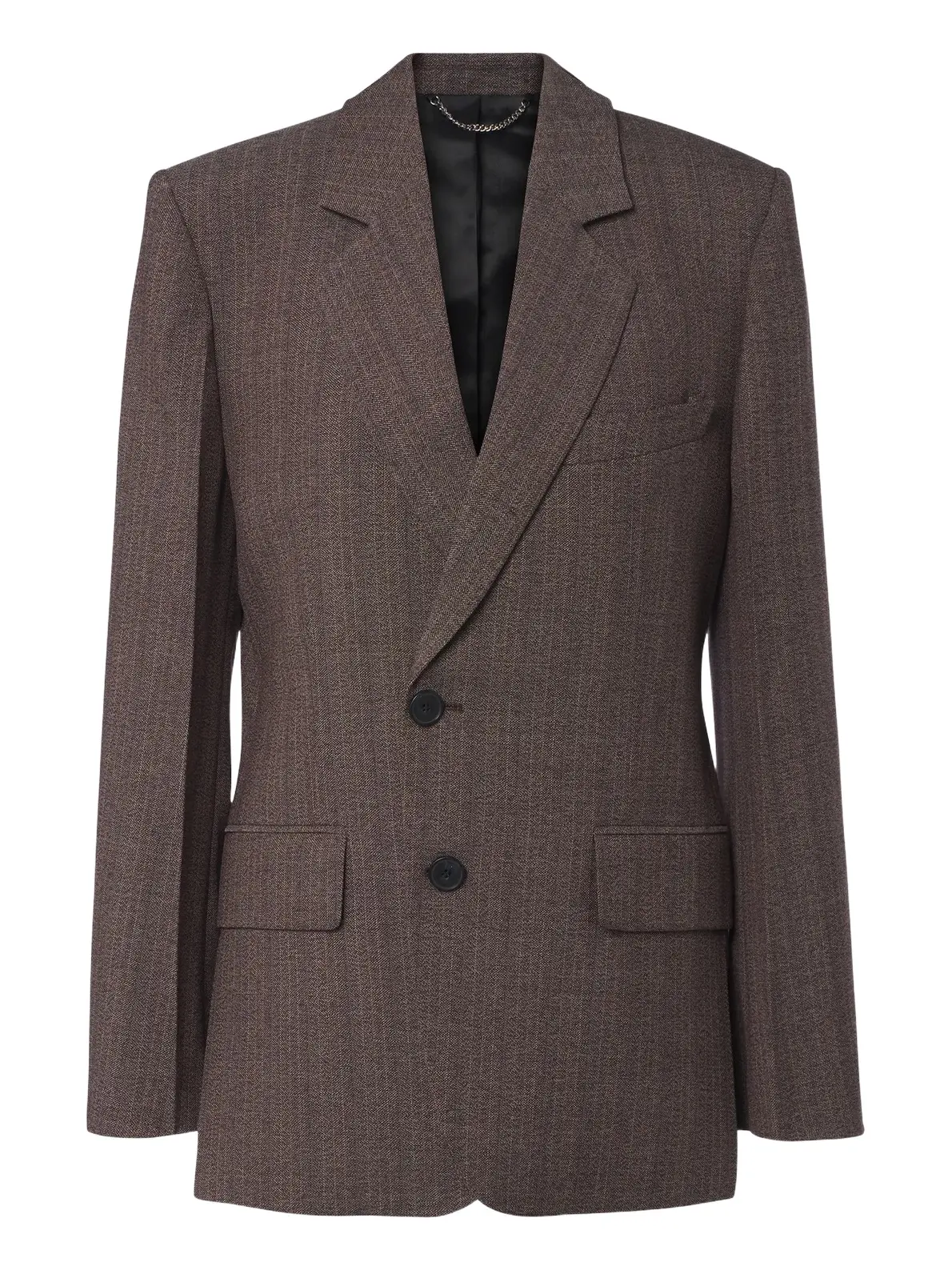
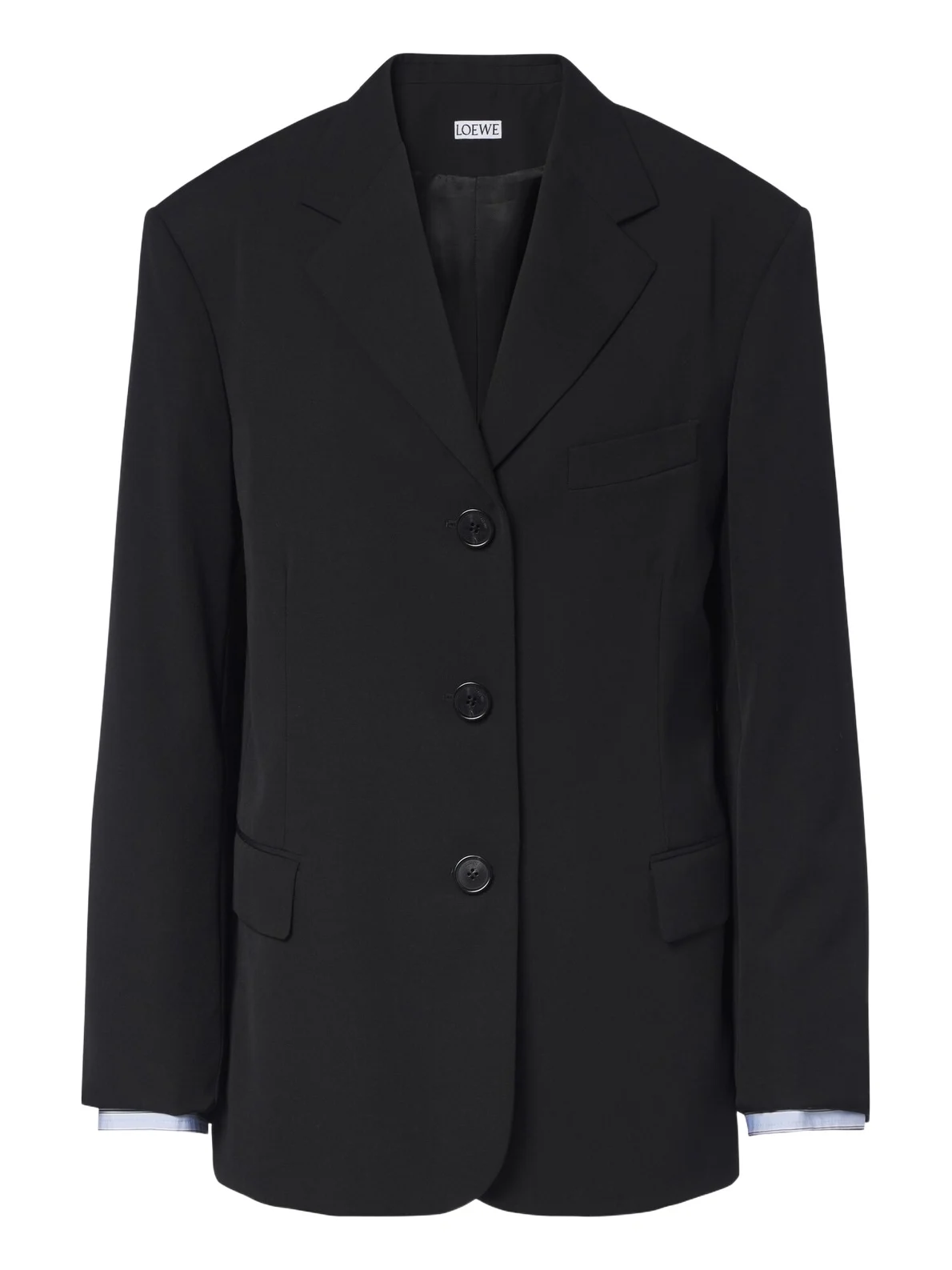
The blazer is the spring piece that works hardest: it replaces the coat on a mild afternoon, dresses up jeans for dinner, and gives a silk top some structure. A single-breasted blazer in a light wool, cut with enough room for a knit, is the most useful. Color is where spring shows up: pale blue, ivory, butter yellow or a soft mint reads as spring against the navy and black of the rest of the wardrobe. Victoria Beckham cuts its blazers long and easy, with room for a knit; Max Mara and Gabriela Hearst tailor theirs more closely. For more ideas, see our story on transitional spring outfits, or browse every designer blazer.
Blazers to wear alone on a mild afternoon

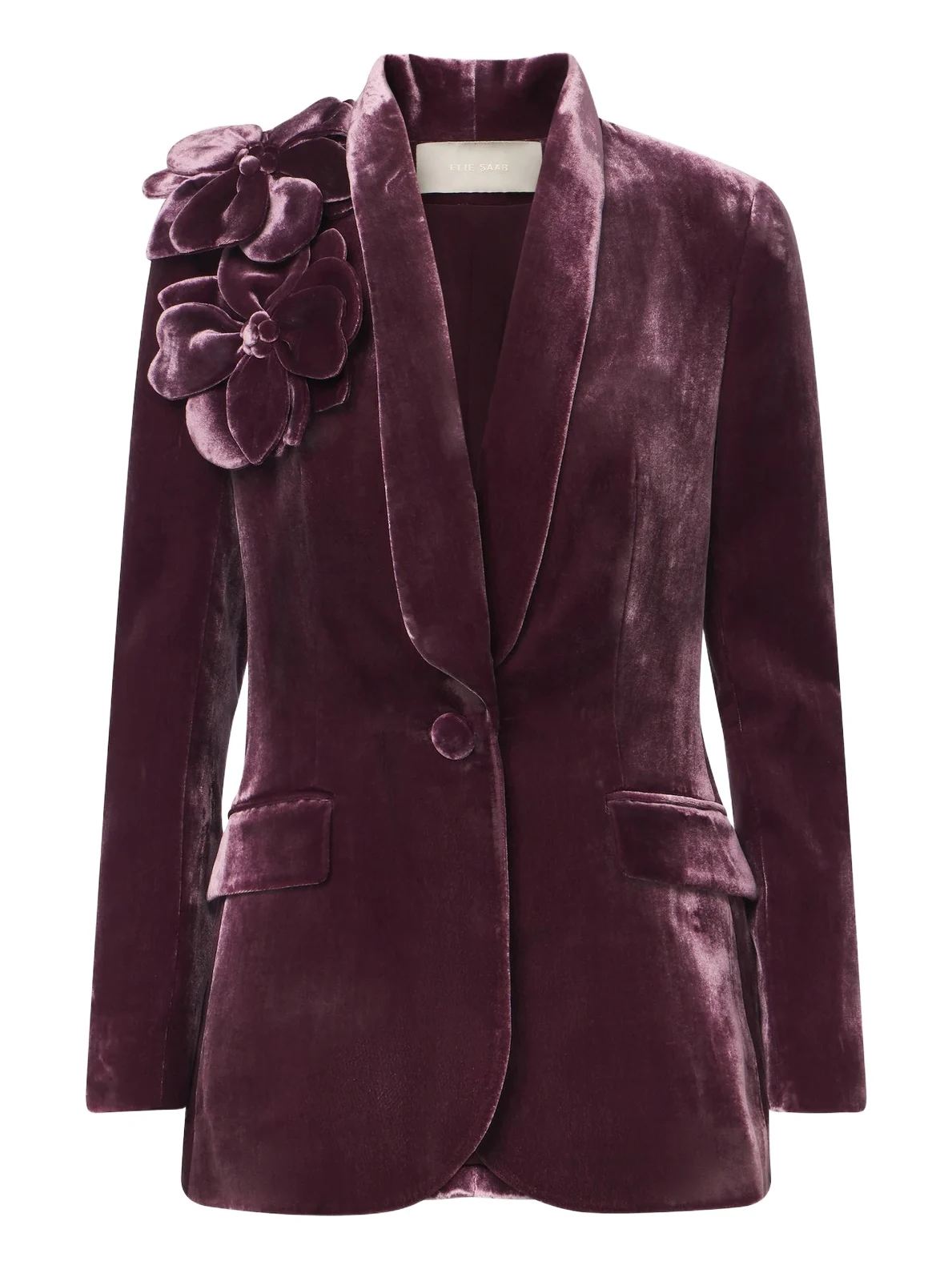
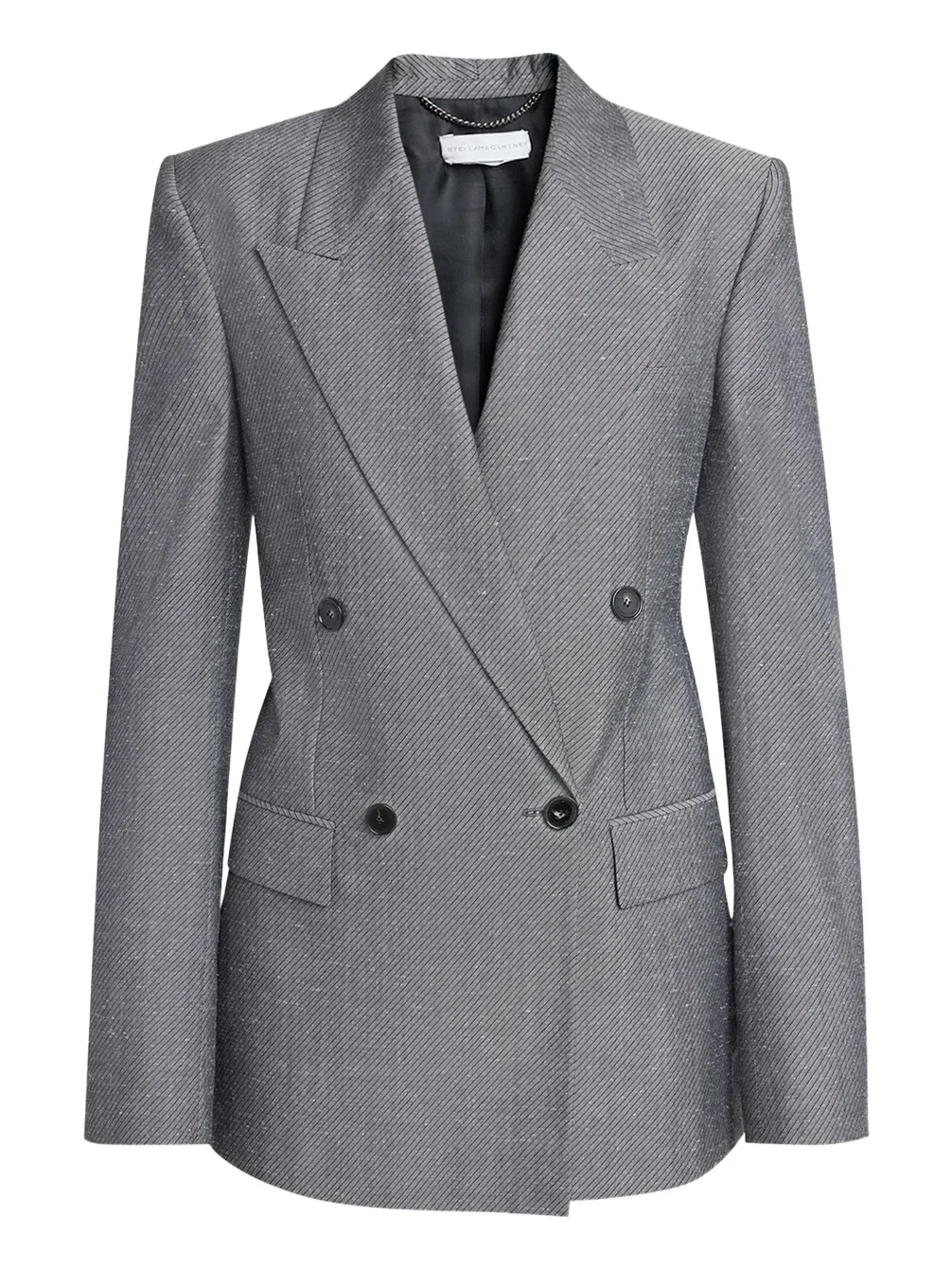
Shoes for cobbles, stairs and long days on foot
Paris is a walking city of stone pavements, cobbled lanes and Métro stairs, and in spring they are often wet. The shoe that handles it is flat or nearly flat, made of smooth leather, and has a rubber sole. A thin leather sole slips on wet stone; suede marks in the rain. Spring is when boots give way to ballet flats and loafers, so check the sole before you pack: every pair we chose below had a rubber or leather-and-rubber sole, according to its listing.
- Loafers: the most practical choice for a long day, especially with a lug or pebbled rubber sole, and smart enough for lunch.
- Ballet flats: choose a closed, structured toe and a rubber sole, and pack them for days with less walking.
- Slingback flats: the dressiest flat option, for dinner and the first warm days.
- Leather sneakers: fine for sightseeing, but some Paris dining rooms rule out running shoes and sportswear, so pack a smarter pair as well.
Break new shoes in at home, and wear them with the socks or tights you will travel in. Many houses, Miu Miu, Roger Vivier, Balmain and Bottega Veneta among them, now make loafers and ballet flats on rubber or leather-and-rubber soles, and the listing will say which. Browse every pair of designer ballet flats, or see our edit of the best designer loafers.
Loafers and ballet flats on rubber soles
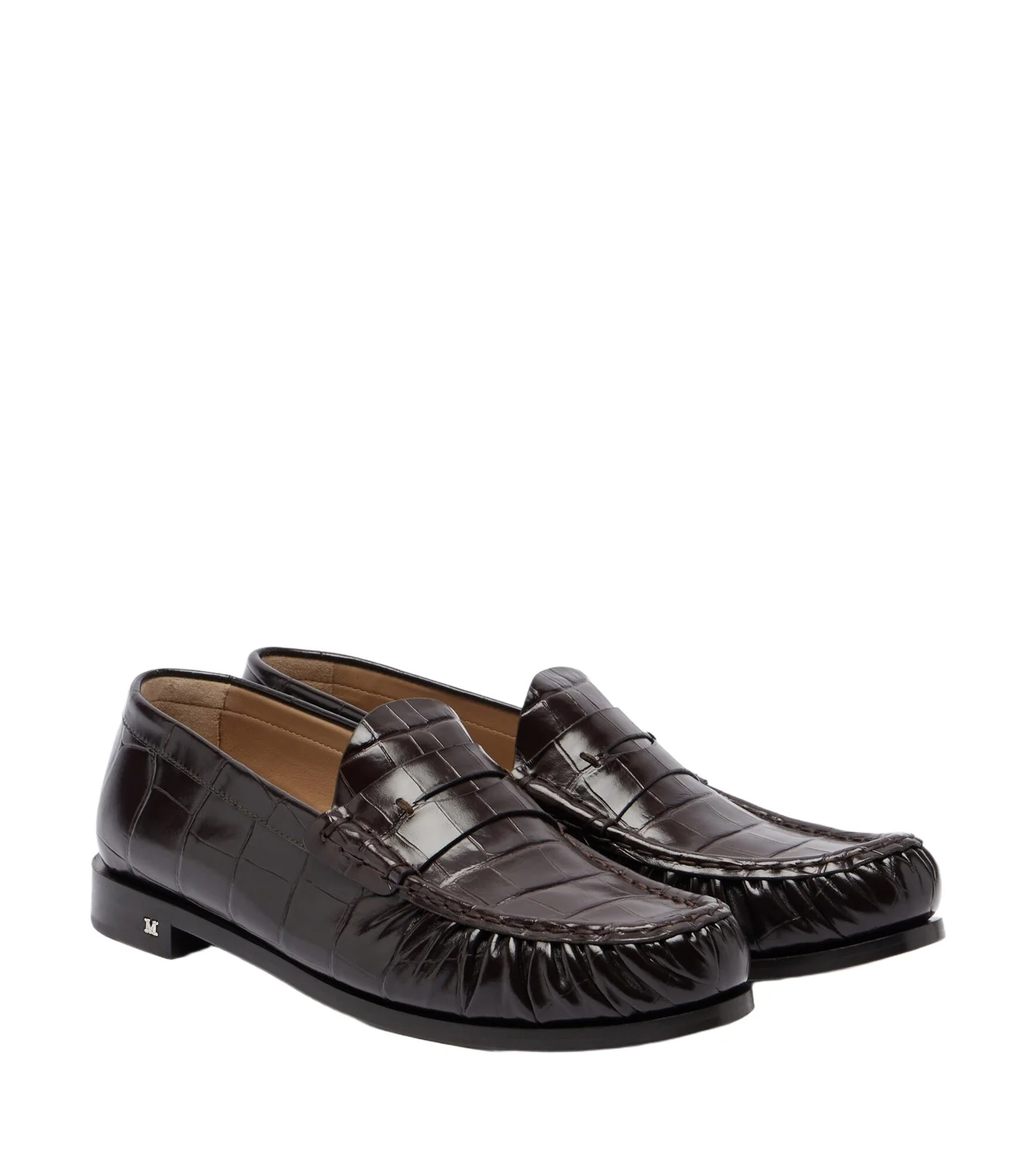 Max MaraCroc-effect leather penny loafers$920
 Miu MiuAviator Leather Penny Loafers$1,120
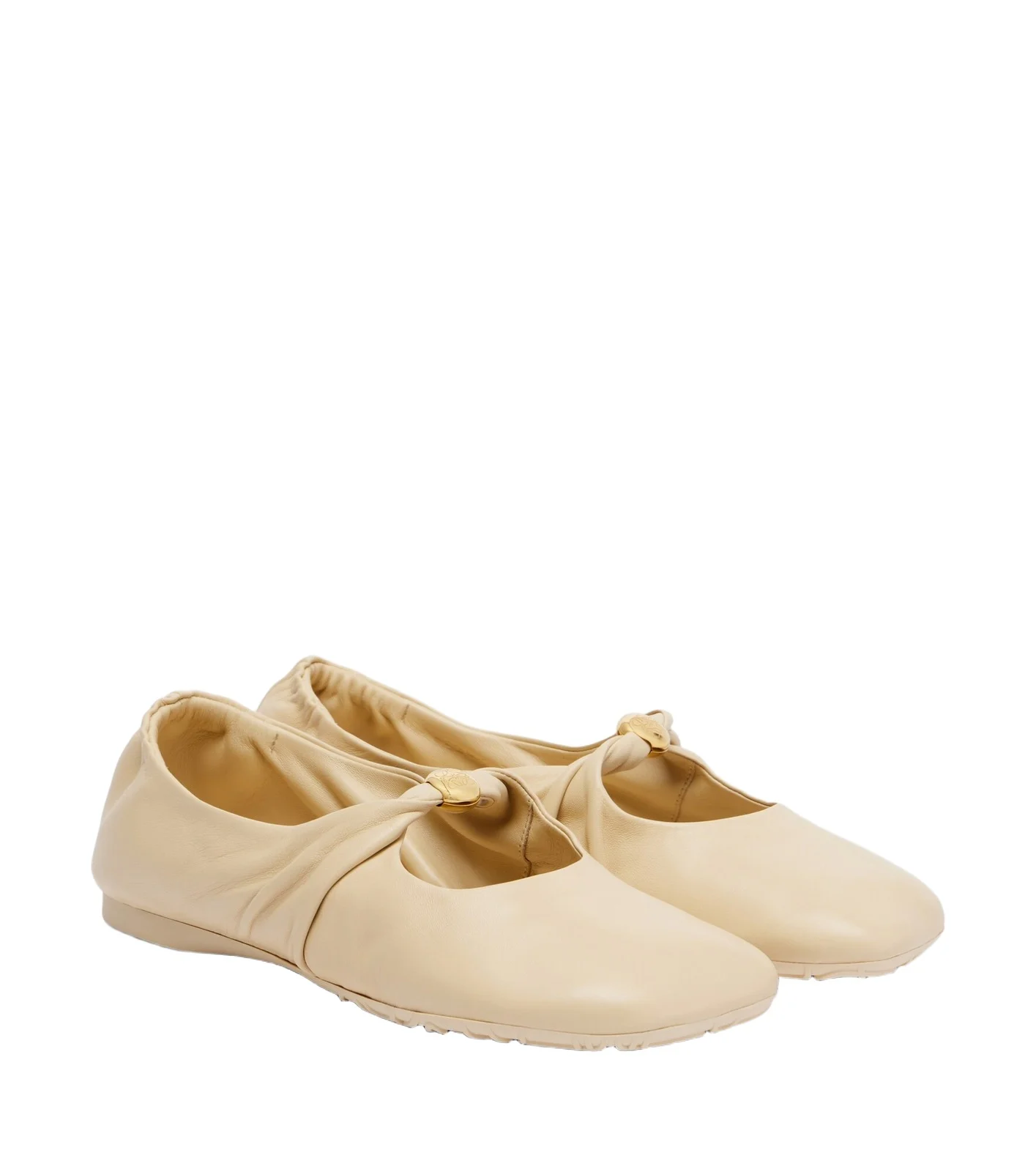 LoewePebble Soft leather Mary Jane flats$990
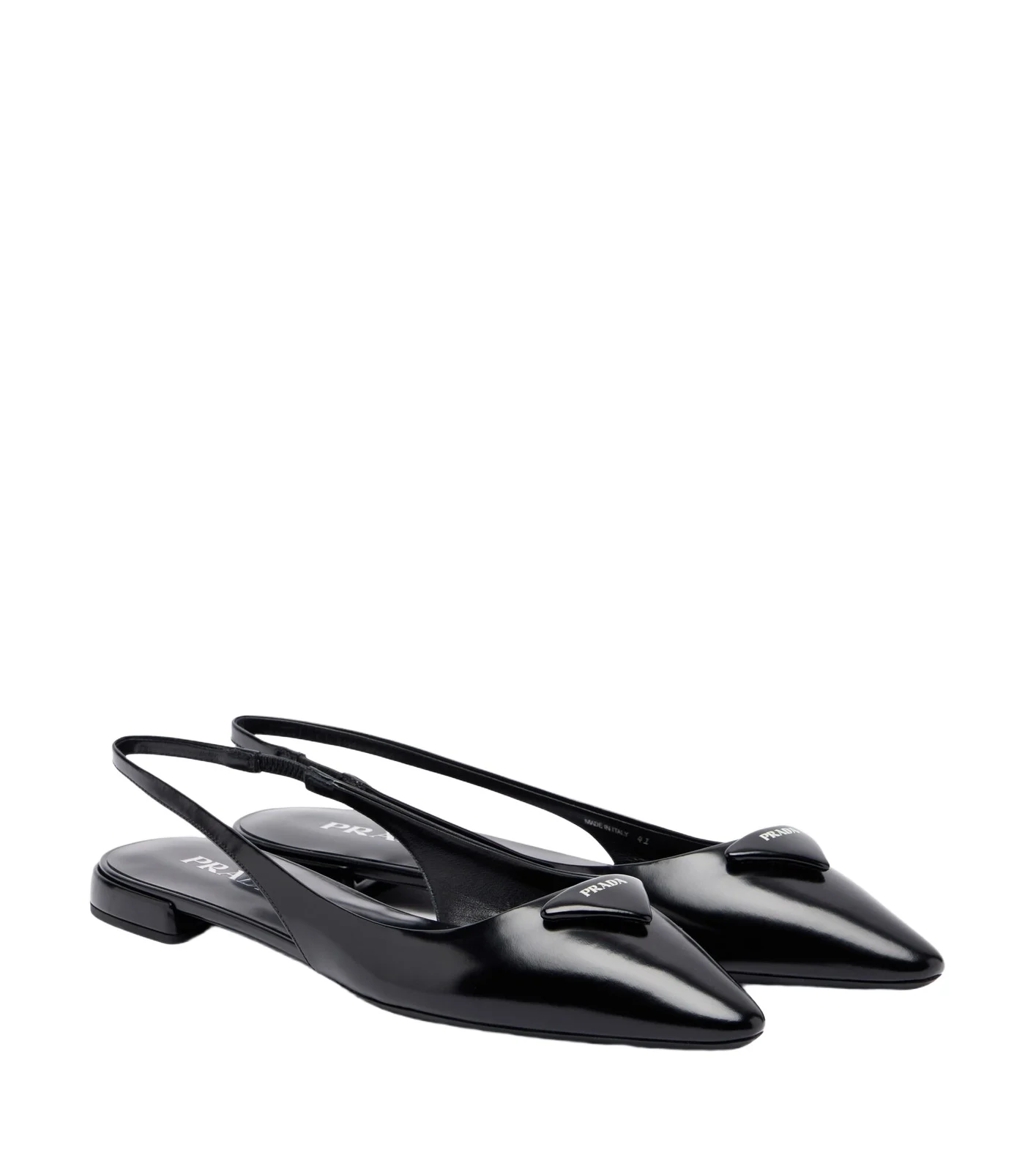 PradaLeather slingback ballet flats$1,220
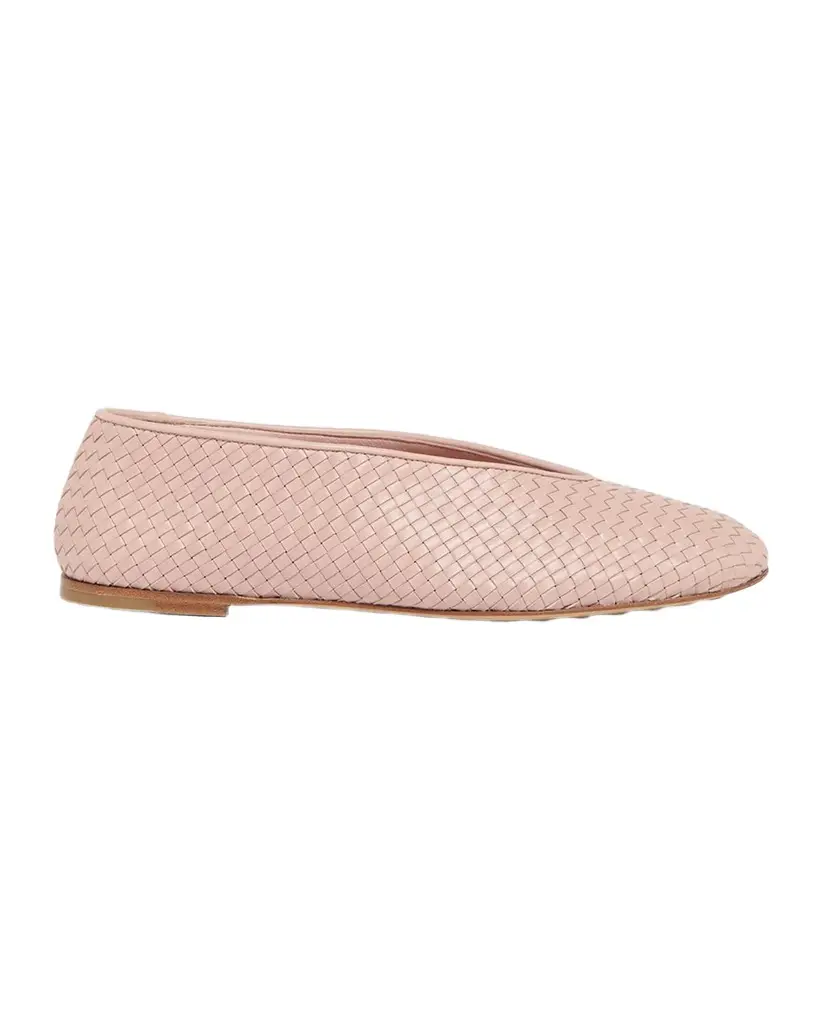 Bottega VenetaRosa Micro Woven Nappa Leather Ballerina Flats$1,200
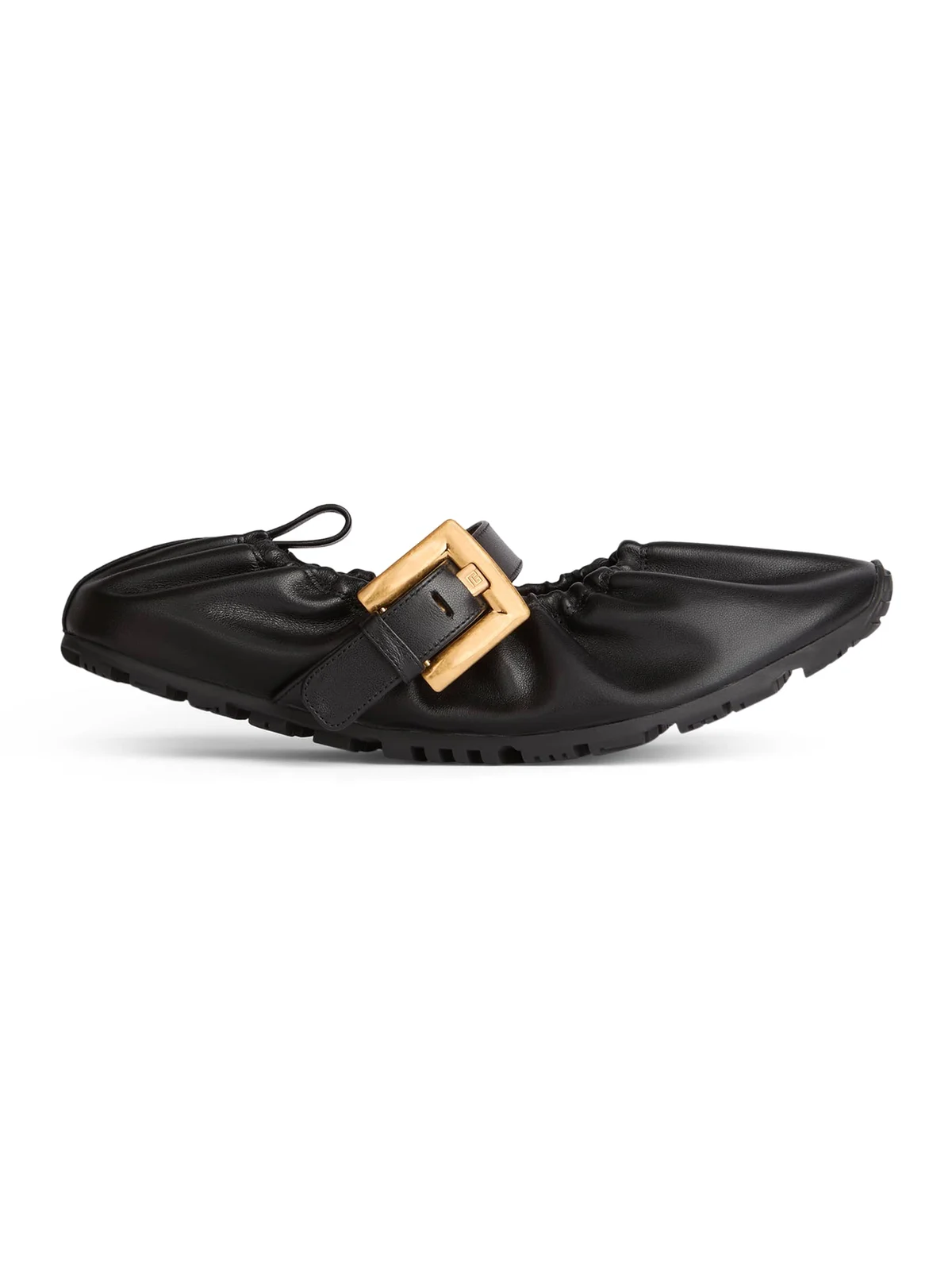 BalmainAnthem smooth leather ballet flats$525
$750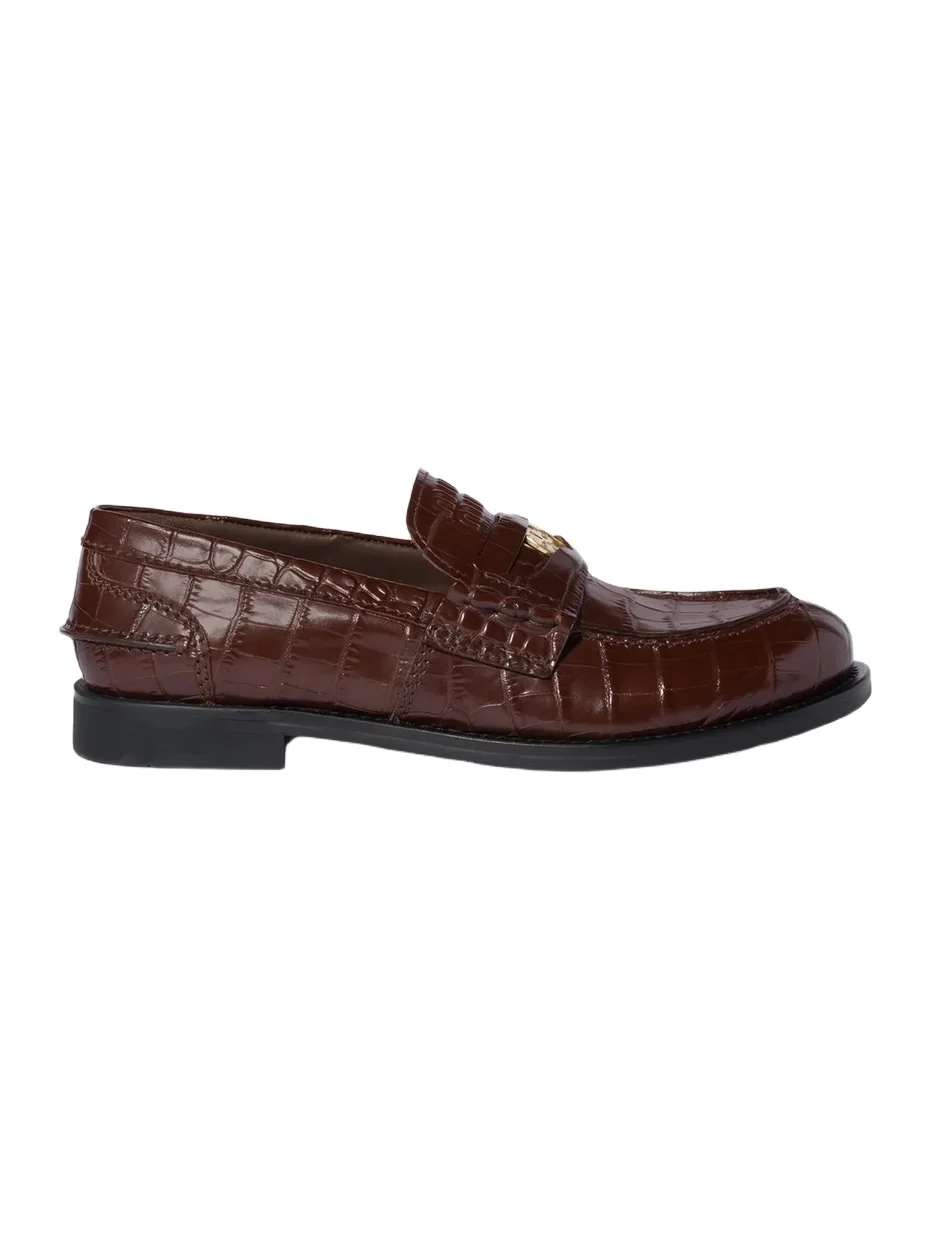 Miu MiuWomen's Croco-Print Leather Penny Loafers$1,220
Museums, café terraces and dinner: what to wear where
Museums: carry a bag you can keep on your shoulder
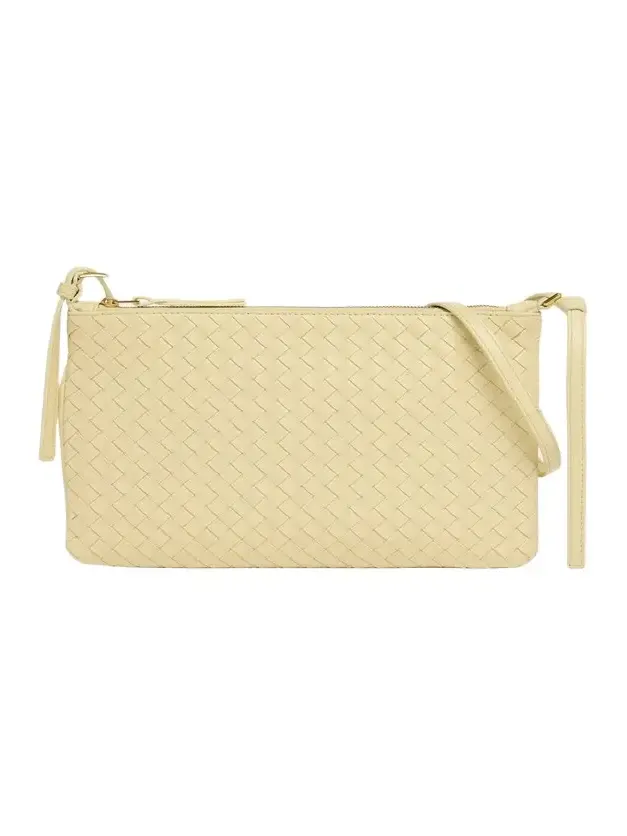
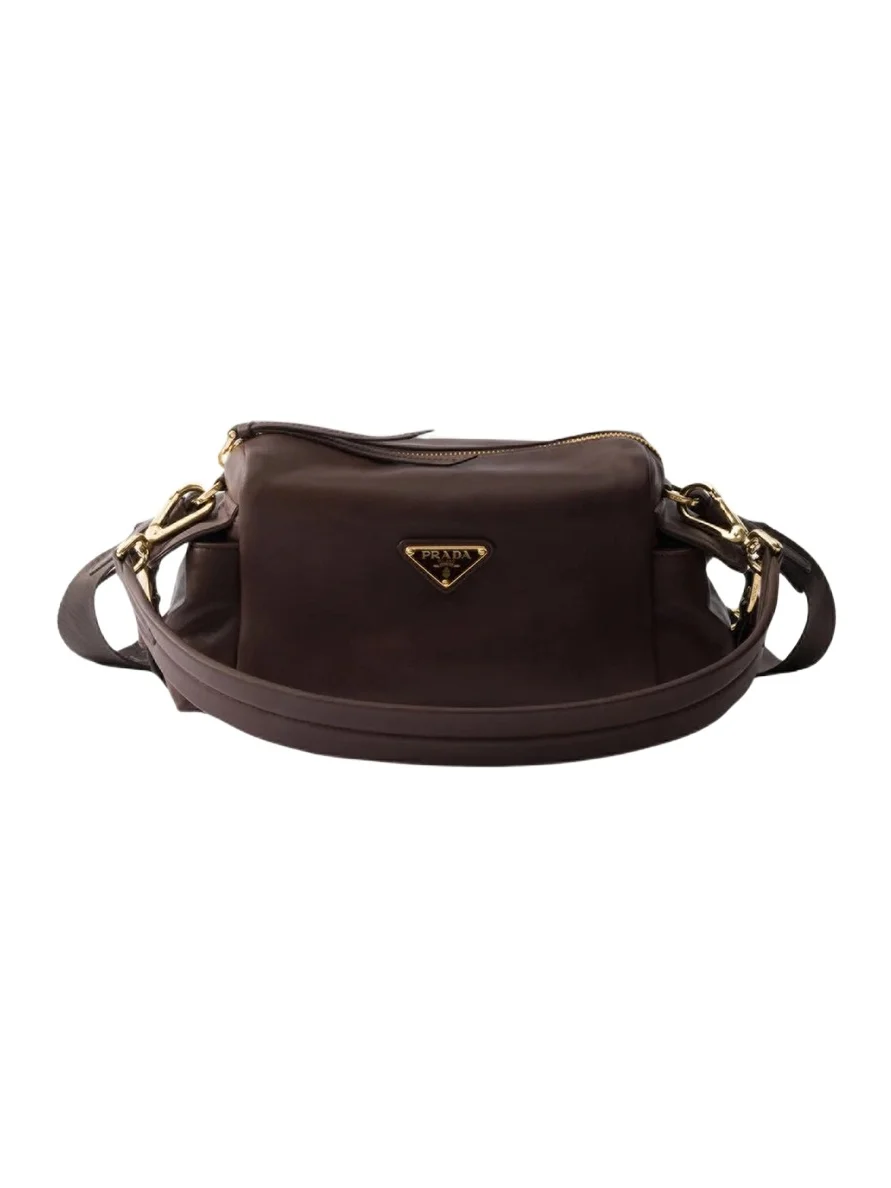
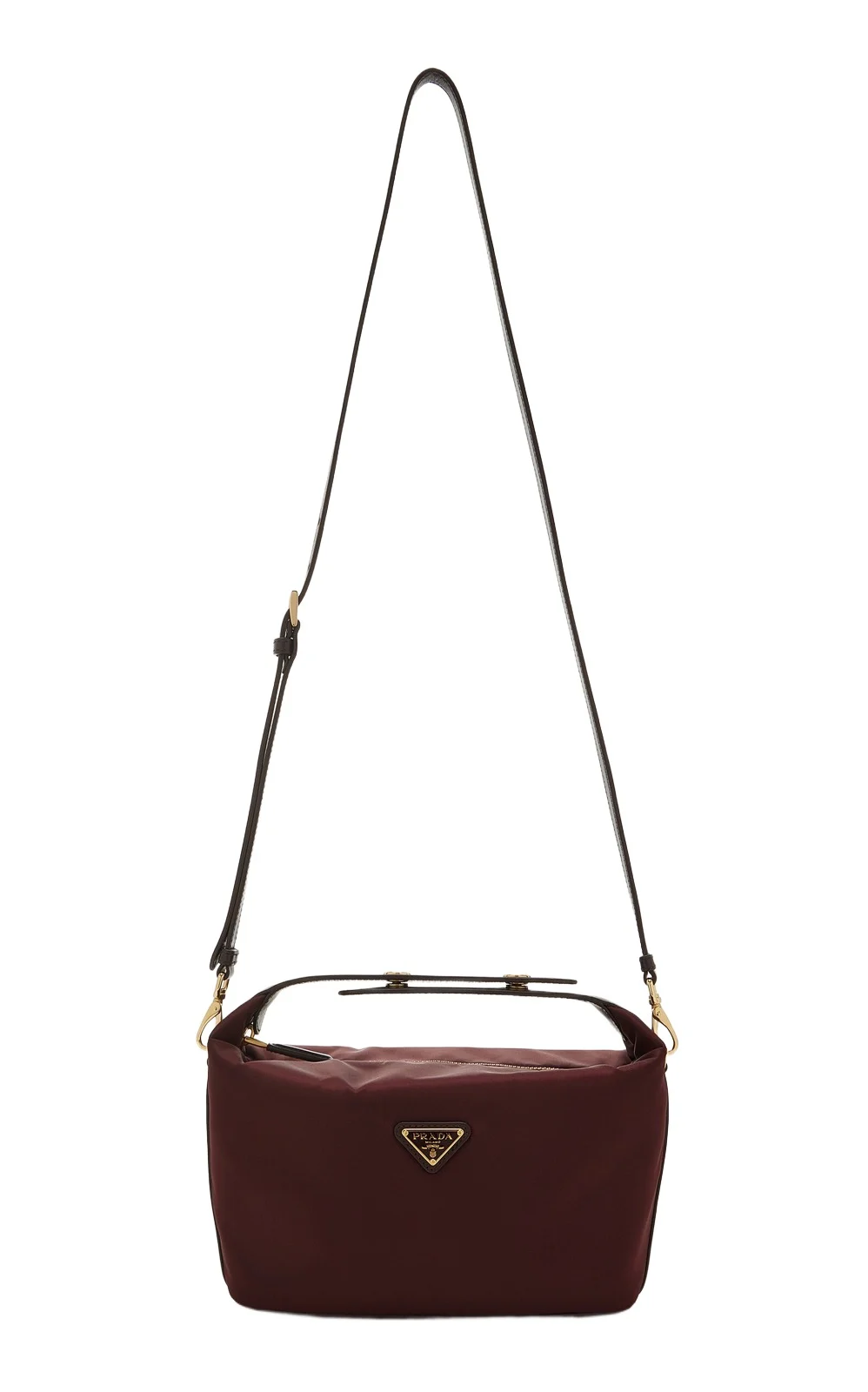
Paris's big museums set rules on what you carry in, and they shape the bag you should choose. The Louvre's museum rules say that nothing larger than 55 by 35 by 20 centimeters (about 21.5 by 14 by 8 inches) is allowed inside, that umbrellas that do not fit into a bag must be left in self-service stands in the cloakroom, and that free lockers take smaller items. At the Musée d'Orsay, the visiting rules require backpacks and large umbrellas to be left in the cloakroom, while handbags may not be left there at all. The practical answer is a crossbody or shoulder bag you are happy to wear through the galleries, with a compact umbrella that fits inside it. Keep it zipped, and worn in front of you in crowds. Browse every designer crossbody bag.
Crossbody bags to keep on through the galleries



Café terraces: dress for the chill after sunset
Spring is when Paris starts living outside. According to the City of Paris, from April 1 to October 31 cafés and restaurants whose applications the city has approved can set up seasonal terraces on pavements and parking spaces, and these must close at 10 p.m. A terrace in April or May is lovely at 6 p.m. and cool by 9, especially in the shade, so keep the trench or a cardigan with you and add a scarf at the neck.
Dinner: one polished look, built on what you already packed
Paris dinners in spring rarely need a new outfit. A silk slip dress under a fine cardigan, black tailored trousers with a silk blouse, or a knit midi dress with slingback flats all work with the trench over the top. Dress codes vary by restaurant, and a few well-known venues publish theirs; our winter guide sets out what Le Jules Verne on the Eiffel Tower, the Moulin Rouge and the Opéra ask for.
The silk scarf: the spring accessory that works hardest
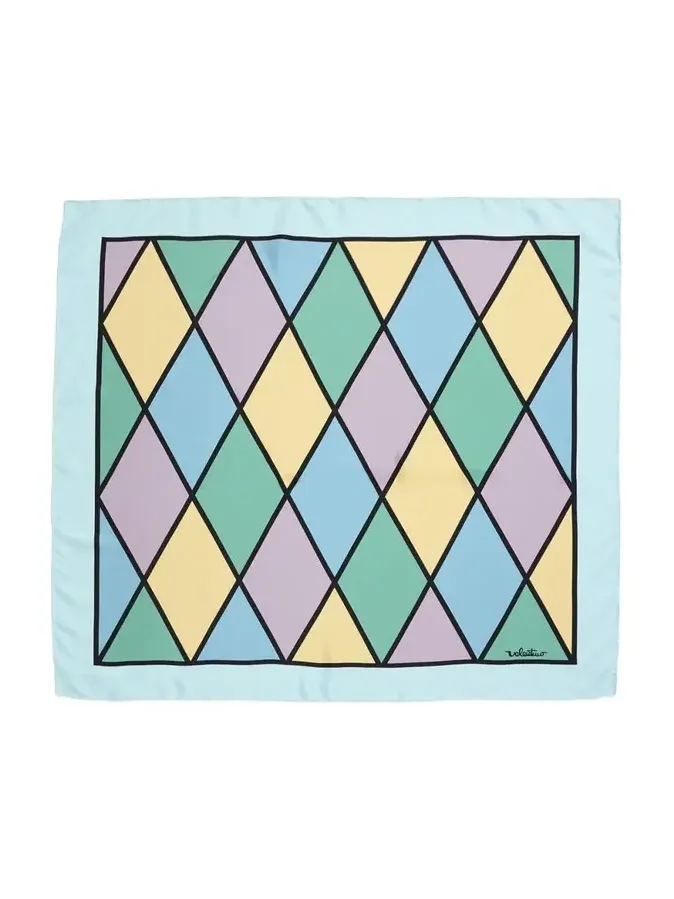
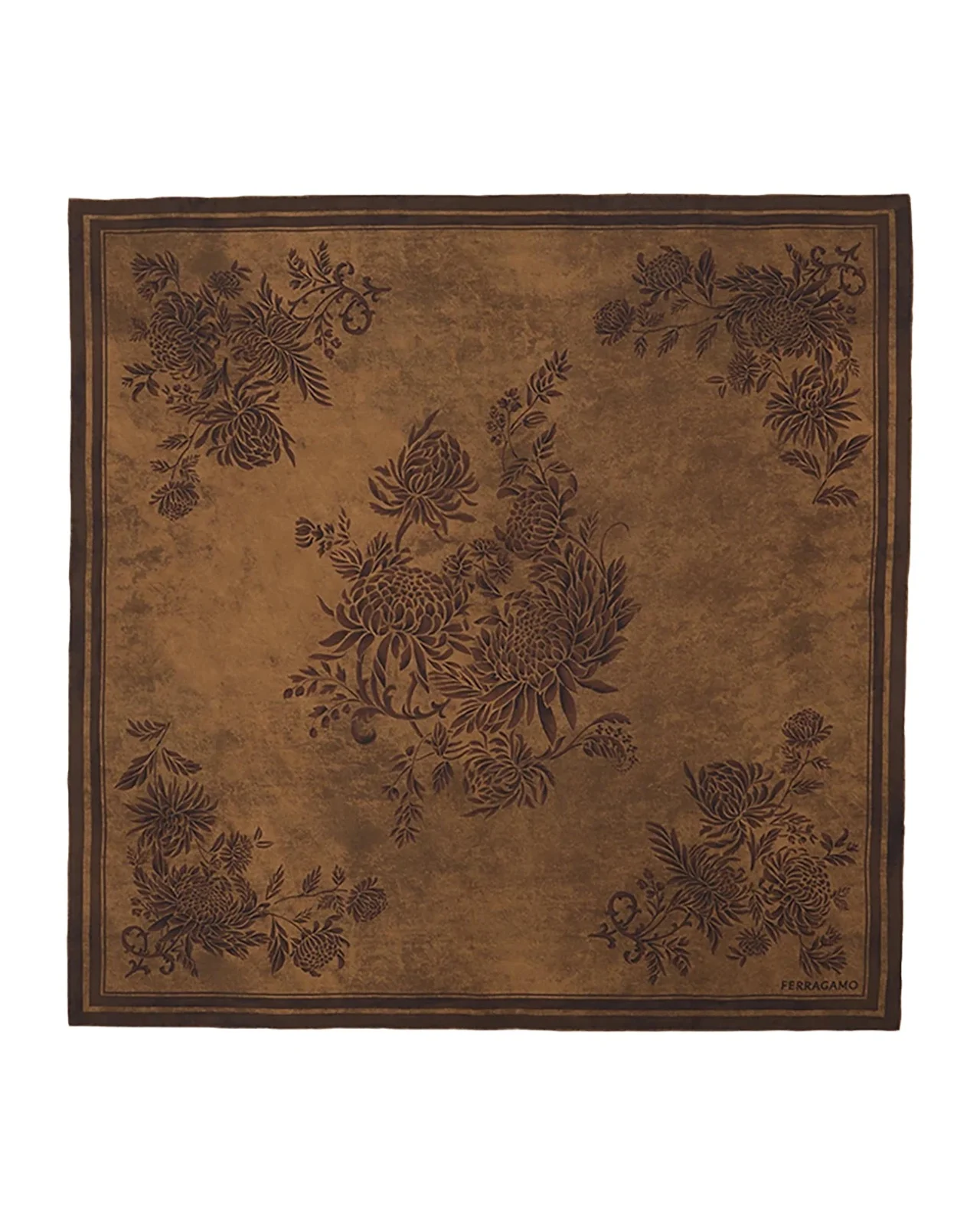
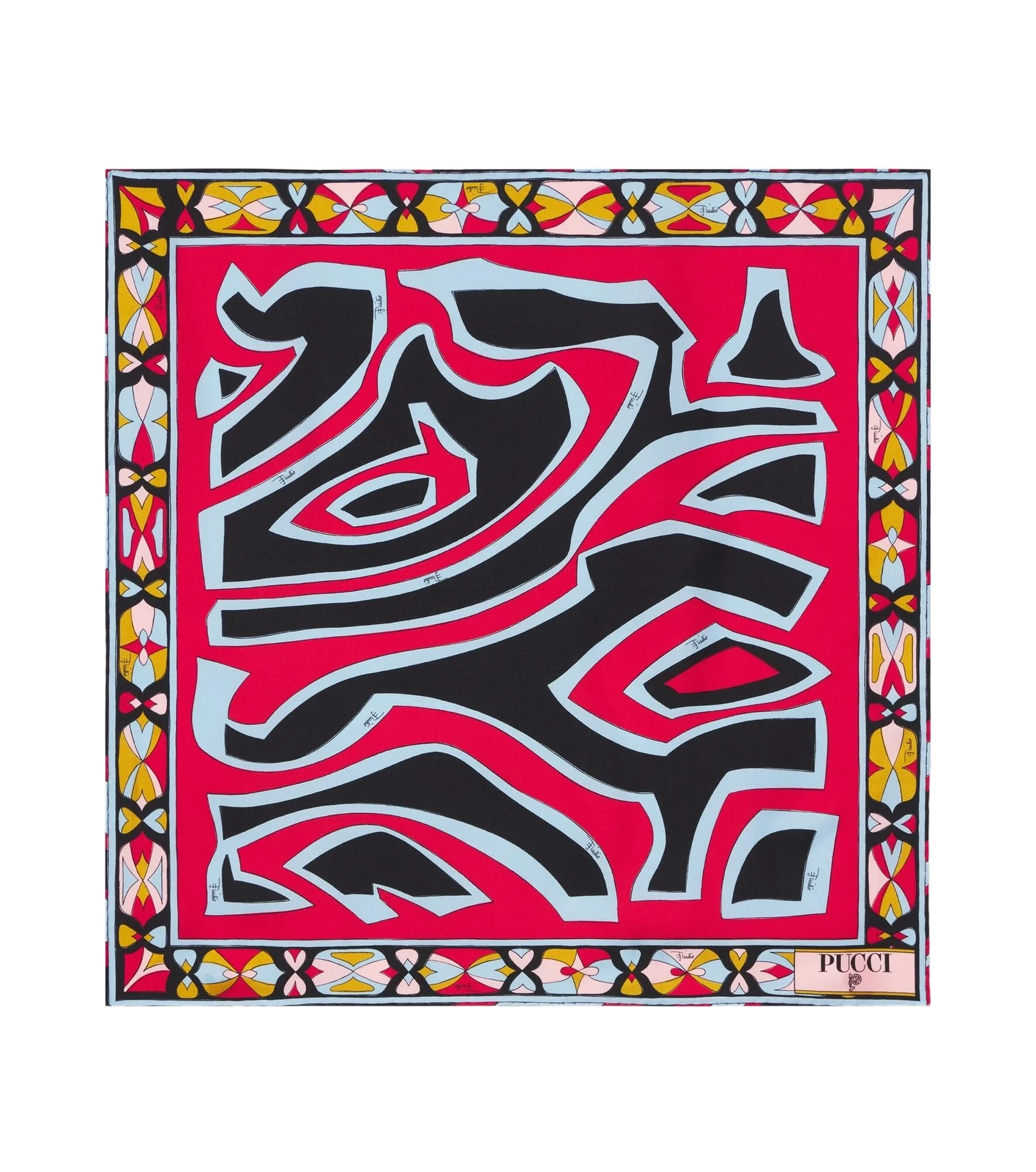
A silk square earns its space in a Paris suitcase several times over. Knotted at the neck under a trench collar, it blocks the wind on a bridge; folded over the head, it saves your hair in a shower; tied loosely over bare shoulders, it covers them for a church visit; and knotted to a bag handle, it adds color to a navy, black and ecru wardrobe. Silk twill holds a knot best. A 90-centimeter square is the most useful size, big enough for the head and the shoulders, while a long, narrow scarf ties neatly at the neck.
- With the trench: a printed silk square knotted at the side of the neck, points tucked into the collar.
- With a blazer: a narrow silk scarf tied loosely in place of a necklace.
- In a shower: the same square folded into a triangle over the hair and knotted under the chin.
Ferragamo, Valentino Garavani and Pucci print their silk in florals and graphics; a solid square from a house such as Saint Laurent works when the rest of the outfit is already printed. Browse every designer scarf, or read our guide to the best designer scarves.
Silk scarves for wind, showers and color


A Paris packing list for April: seven days
- Outerwear: a cotton gabardine trench. In March, add a light wool coat or swap the trench for one.
- A blazer: single-breasted, in light wool, with room for a knit.
- Knits: three fine knits, such as a crewneck, a cardigan and, for March, a thin turtleneck.
- Shirts: two, one in crisp cotton poplin and one in silk.
- Trousers and a skirt: straight jeans, tailored trousers and a calf-length skirt.
- A dinner dress: a silk slip or a knit midi, which the cardigan or blazer covers on a cool evening.
- Shoes: two pairs with rubber soles, such as loafers and ballet flats, and slingback flats for dinner.
- A bag and an umbrella: a crossbody or shoulder bag you can keep on in museums, with a compact umbrella that fits inside.
- Accessories: a silk scarf, sunglasses, and a thin pair of gloves for a cold March morning.
Want this turned into a day-by-day plan? Ask our AI stylist to build a week of Paris outfits from your own closet and fill the gaps from Vêtir.
How we chose
- Houses: top luxury houses with a strong hand in tailoring and outerwear, from Burberry and Max Mara's trenches to Victoria Beckham and Gabriela Hearst's blazers, and Paris houses such as Alaïa, Balmain and Roger Vivier where they fit the brief.
- Construction: trenches that close to the neck and belt at the waist, blazers with room for a knit, and shoes with rubber or leather-and-rubber soles according to their listings.
- Fabric: cotton gabardine for rain, light wool for tailoring, smooth leather for wet streets, and silk twill that holds a knot.
- Color: stone, taupe, brown, navy and black as the base, with pale blue, ivory and printed silk for spring.
- Price and stock: every trench coat, blazer, shoe, bag and scarf here was live on Vêtir when we picked it. Each module refills from its own category and price range, so a sold-out trench is replaced by another trench, not a parka.
Frequently asked questions
What should I wear in Paris in April?
Plan for highs around 62°F and lows around 46°F, on Météo-France's averages, with a shower on some days. Wear a cotton gabardine trench over a fine knit or a blazer, straight jeans or tailored trousers, and leather loafers or ballet flats with rubber soles, and carry a silk scarf and a compact umbrella.
Is Paris cold in March?
Cool rather than cold: highs average about 55°F and lows about 42°F, and March is known for giboulées, short showers that can bring hail, sleet and a sudden chill. Pack a lined trench or light wool coat, knits and a scarf.
Do I need a raincoat or an umbrella in Paris in spring?
Take both if you can: rain falls on roughly nine days a month from March to May, often in short, windy showers. A water-repellent trench handles the gusts, and a compact umbrella that fits in your bag can come into museums with you.
Can you bring a backpack into Paris museums?
Check each museum. The Louvre does not allow anything larger than 55 by 35 by 20 centimeters, and the Musée d'Orsay requires backpacks to be left in its cloakroom, while handbags may not be left there. A crossbody or shoulder bag is the easiest choice.
What shoes should I wear in Paris in spring?
Flat or low leather shoes with rubber soles, such as loafers or structured ballet flats, broken in before you go. Thin leather soles slip on wet stone and suede marks in the rain.
When is Paris Fashion Week in 2027?
The FHCM scheduled the autumn-winter 2027 womenswear shows for March 1 to 9, 2027, and the spring-summer 2028 womenswear shows for September 27 to October 5, 2027.